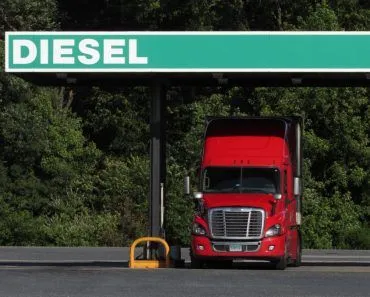
Vehicles are a major but not dominant source of air pollution. According to the EPA, transportation causes less than 10% of US fine particle pollution (PM2.5 and PM10), yet roughly 45% of nitrogen oxides and most carbon monoxide in cities. It is also the single largest source of US greenhouse gas emissions, at about 28%.
Imagine what the world would be like without vehicles! First and foremost, there would be a lot less air pollution, but you would also have to walk to work, school and even different countries! Obviously, all early civilizations had to deal with such restrictive conditions.
Then came the idea of a wheel, which led to transportation becoming much easier than walking by foot. The world has now reached such a time when owning a vehicle is as necessary as breathing to some people. Think back to high school. Whenever there was a question about pollution, what always got mentioned? The vehicles! Every student has, at least once, written about the consequences of increased automotive traffic in an essay about the environment.
How Much Do Vehicles Really Contribute To Air Pollution?
According to the US Environmental Protection Agency, cars, trucks and other on-road vehicles produce a little over half of the country’s carbon monoxide, and as much as 95% of it in busy cities. When these pollutants are emitted into the atmosphere, sunlight and heat react with them, and smog is formed. The problem is grave enough that transportation is now the single largest source of greenhouse gas emissions in the US, responsible for roughly 28% of the national total.
Furthermore, diesel vehicles are particularly heavy emitters of nitrogen oxides and soot, which are linked to respiratory and heart problems. According to the WHO, ambient (outdoor) air pollution causes about 4.2 million premature deaths worldwide every year, and traffic exhaust is one of the major contributors to the fine particles and gases behind those deaths.
According to the Union of Concerned Scientists, cars and trucks are one of the leading causes of air pollution globally. Through this statement, we can make an obvious inference. Apart from automotive vehicles, other factors also actively pump pollutants into the air, making its quality unfit for breathing.
Vehicles clearly affect pollution levels in a city by contributing to carbon emissions. They also cause increased emissions of NOx, which are chemical compounds containing nitrogen and oxygen, such as nitric oxide and nitrogen dioxide. In fact, transportation accounts for roughly 45% of all NOx emissions in the US, and NOx in turn contributes to the formation of smog and acid rain.
Other Contributors To Air Pollution
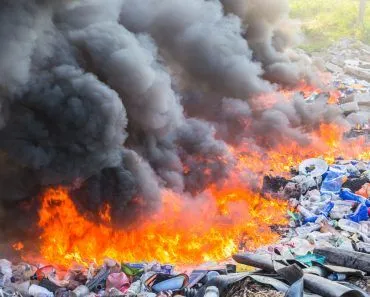
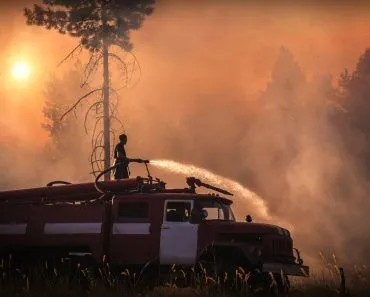
There are some other factors that are equivalent to, or perhaps far more prominent than, vehicles when it comes to air pollution. These factors include wildfires, agricultural burning and effluents from power plants and industry, among others. Erupting volcanoes throw aerosols into the air too, which means natural events are also contributors. In the US, for example, power generation and industrial processes together rival transportation as sources of fine particle pollution, and a single major wildfire season can blanket entire states in smoke that dwarfs a year of tailpipe emissions.
In many developing regions, including parts of India and China, rural households still burn wood, crop residue and other biomass for cooking and heating. Because the populations of these countries are so massive, these activities become significant contributors to the high concentration of particulate matter in the air.
What Are Some Specific Cases In The World Where ‘Other’ Factors Contribute To Air Pollution?
India
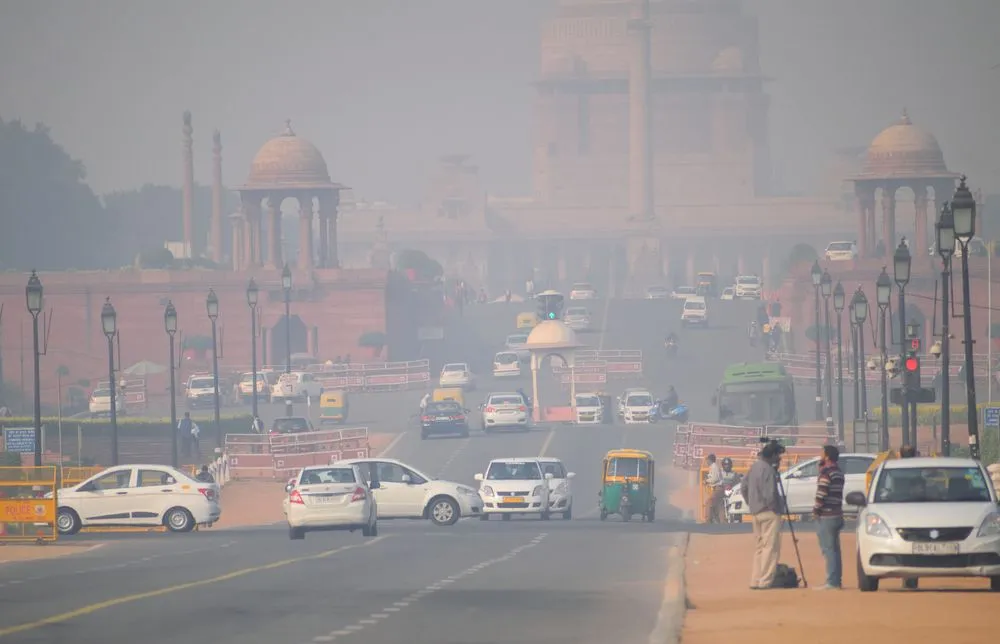
New Delhi, the capital of India, lies in a landlocked region of the country. However, this area is close to the fertile plains where agriculture takes place on a massive scale.
Stubble Burning
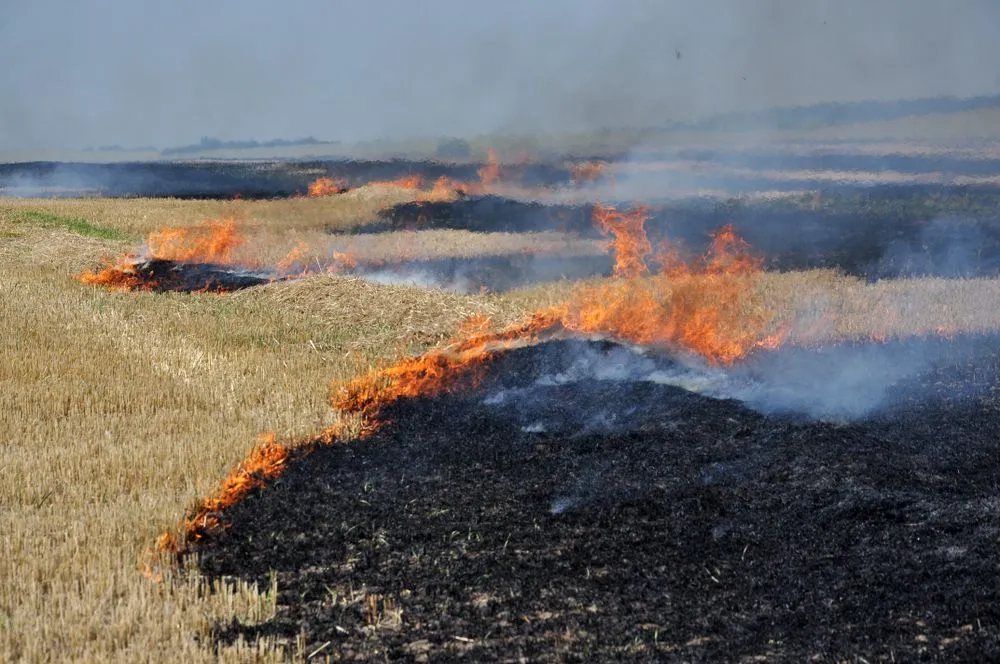
The farmers in nearby states such as Punjab and Haryana follow a practice called stubble burning. Stubble burning refers to the burning of crop residue after harvesting the actual crop. Part of the problem has been the popularity of the high-yield PUSA 44 variety of paddy, which Indian farmers widely cultivated for years.
The downside is that PUSA 44 is a long-duration variety, so it matures late and leaves farmers a very narrow window to clear their fields before sowing the next crop. It also produces noticeably more straw than other varieties. During mechanized harvesting, the combine cuts the plant well above the ground and leaves tall stubble behind. Disposing of that remaining straw is complicated, as this type of residue doesn’t form good chaff that could be fed to animals, so the quickest option is simply to set it alight. The variety was so troublesome that Punjab banned its cultivation in 2023.
Therefore, it leaves the farmers with no other option but to burn it!
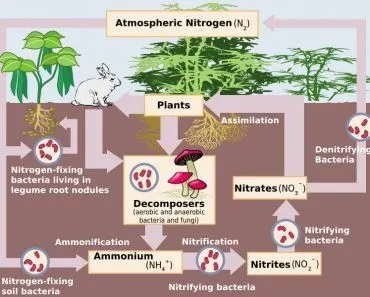
Unlike Mumbai and Chennai, which are found on either coast of India, Delhi’s wind speed doesn’t do a great job of blowing away the particulate matter from these fires. Stubble burning not only increases the black and brown carbon emissions, but also contributes increased levels of nitrogen dioxide in the air. Because nitrogen particles are the main constituents of PM 2.5, the atmosphere in this region becomes dangerously polluted.
China
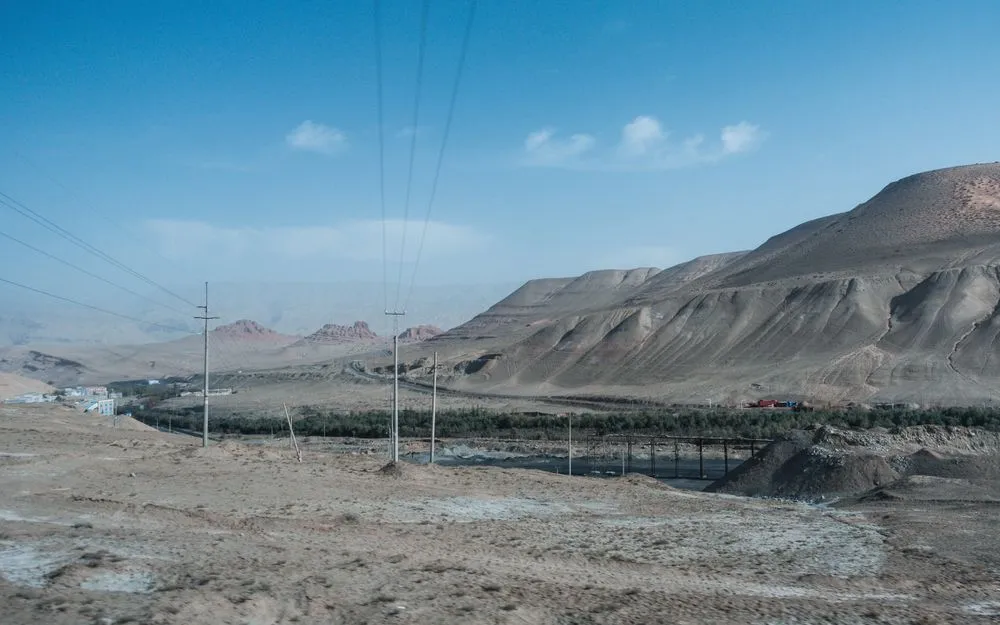
Another example is Hotan, China, which has repeatedly ranked among the most polluted cities in the world on the IQAir AirVisual list, topping it outright in some years.
This city lies near the Taklamakan Desert in the Xinjiang region. Regular sandstorms sweep across the desert, and these have the ability to dramatically increase the PM 2.5 of the region. The city is still developing and has many factories that further contribute to its poor air quality. In Hotan’s case, then, blowing desert dust rather than traffic is the dominant problem.
You might consider this unusual, but according to the Food and Agriculture Organization of the United Nations, livestock supply chains account for roughly 14.5% of all human-caused greenhouse gas emissions. Cattle, being heavy emitters of methane, are one of the most significant sub-factors within agriculture that lead to such emissions.
How Can We Reduce Vehicular Emissions?
From the above facts, it’s quite clear that transportation, along with the other factors, causes air pollution. Now, let’s take a look at what we can do to reduce it. The most obvious route is to switch to cleaner vehicles, and that shift is already well underway. Electric cars made up more than one in five new cars sold worldwide in 2024, and the share keeps climbing, which cuts tailpipe pollution right where people live and breathe. But better cars are only half the story. We can also lean on the age-old bicycle, which is precisely what Nordic countries have been doing more and more in recent years.
Cycling: A Potential Solution
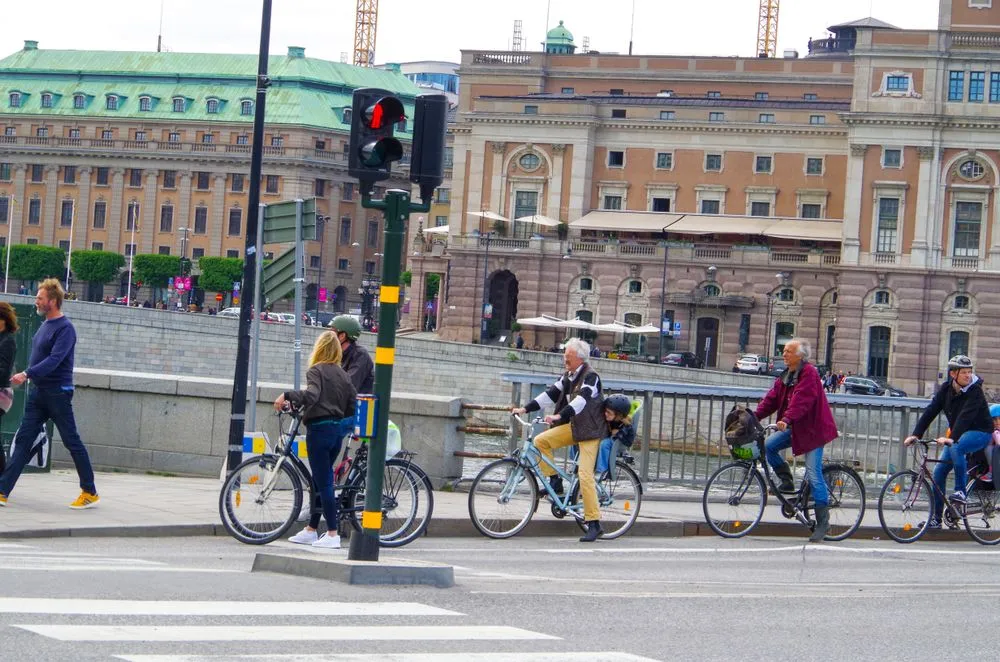
Cycling can be a great way to reduce inactivity in people, while also contributing to a greener and cleaner atmosphere. If you travel through to Stockholm, bikers filling the colorful streets is not an uncommon sight. Not only does it stop the drive to make more factories, which also end up contributing to pollution, but it also reduces the traffic congestion that we experience in big cities, such as Los Angeles and Bengaluru.
Conclusion
According to the US Environmental Protection Agency, the transportation sector is responsible for only 10% of PM 2.5 and PM 10 emissions in the US. This justifies the fact that vehicles don’t deserve all the blame. However, they do deserve some of it!
The concept of going back to the earliest civilizations who used to travel on foot is undoubtedly impractical. This is why we have to make a choice. Either we can choose to drive our big flashy cars and live the rest of our lives wearing an N95 mask, or start pedaling more bicycles and restore our environment to its healthy past!
References (click to expand)
- Vehicles, Air Pollution & Human Health. The Union of Concerned Scientists
- Smog, Soot, and Other Air Pollution from Transportation. The Environmental Protection Agency
- Fast Facts on Transportation Greenhouse Gas Emissions. The Environmental Protection Agency
- Ambient (outdoor) air quality and health. The World Health Organization
- Trends in electric car markets, Global EV Outlook 2025. The International Energy Agency
- What Causes Air Pollution?. The National Aeronautics and Space Administration