Plants make fruits to lure in animals to disperse their seeds. Animals eat the nutritious fruit, and then drop the seeds on the ground. What we call vegetables are just different parts of the plant—typically the leaves, stem or roots. These parts are packed with starch that the plant makes through photosynthesis.
You’re looking at the broccoli laying on your plate with a scowl. Not everyone is a broccoli fan. However, what if I told you that plants put an incredible amount of effort into making that vegetable. In fact, they work very hard and carry out extensive biological reactions to make all fruits and vegetables.
Believe it or not, they are the reason that all non-plant life, including you, is able to exist. Fruits and vegetables are the plant’s result of harvesting light energy to transform the air into food. That’s why plants are called producers and are the most important part of the food chain.
How do plants accomplish this task, which is impossible for other species?
Photosynthesis!
What Is Photosynthesis?
You could call photosynthesis the biggest energy-producing industry on the planet. It is a biological process by which plants take the energy from sunlight and convert it to a form they can use for their growth and maintenance.
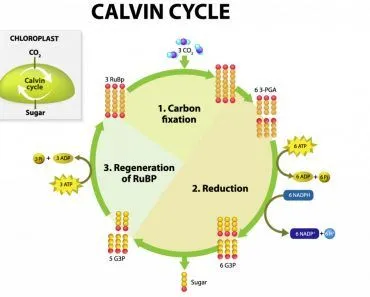
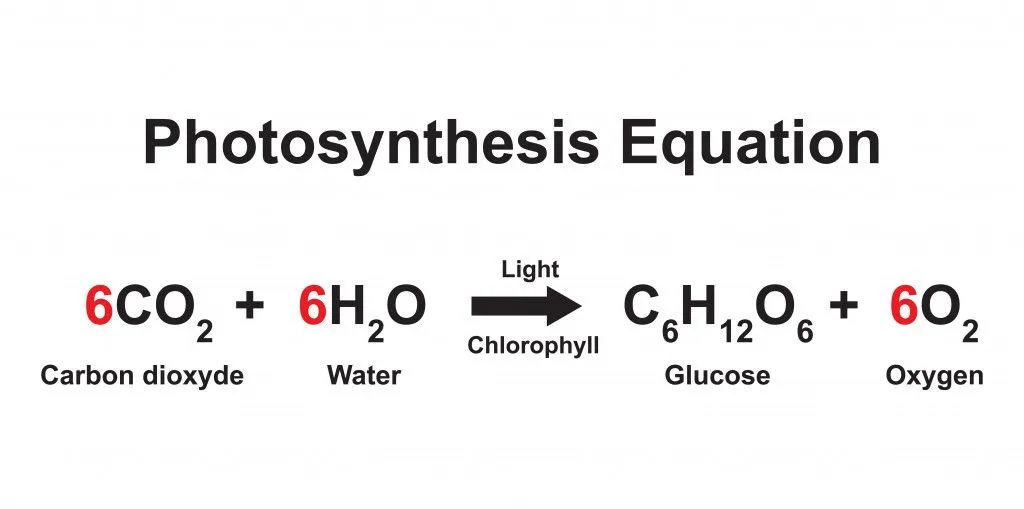
Sunlight, carbon dioxide and water are converted to glucose and oxygen through a series of biochemical reactions. I won’t bore you with the details, but if you’d like to read more about it, click here.
Briefly, the sunlight trapped by the plant’s chlorophyll sparks a chemical reaction between carbon dioxide and water to give us glucose and oxygen. The solar energy is converted into chemical energy and the water molecules provide negatively charged electrons for this reaction.
As a result, the water molecules become charged and give out positively charged hydrogen ions. The enzyme ATP synthase uses these charged molecules to make ATP molecules, which plants use as energy.
The magic that plants use to make fruits and vegetables is then powered by these glucose molecules!
What Do Plants Do With The Glucose Molecules?
Just as we store leftover food in the fridge, plants convert the glucose into starch and cellulose to store for later. Many glucose molecules are used by enzymes that are powered by the produced ATP molecules to make starch and other polysaccharides.
Starch and cellulose are forms of dry organic matter distributed throughout the plant for development. These substances compose the branches, leaves, fruits, vegetables, flowers, etc.
How Are Fruits Made?
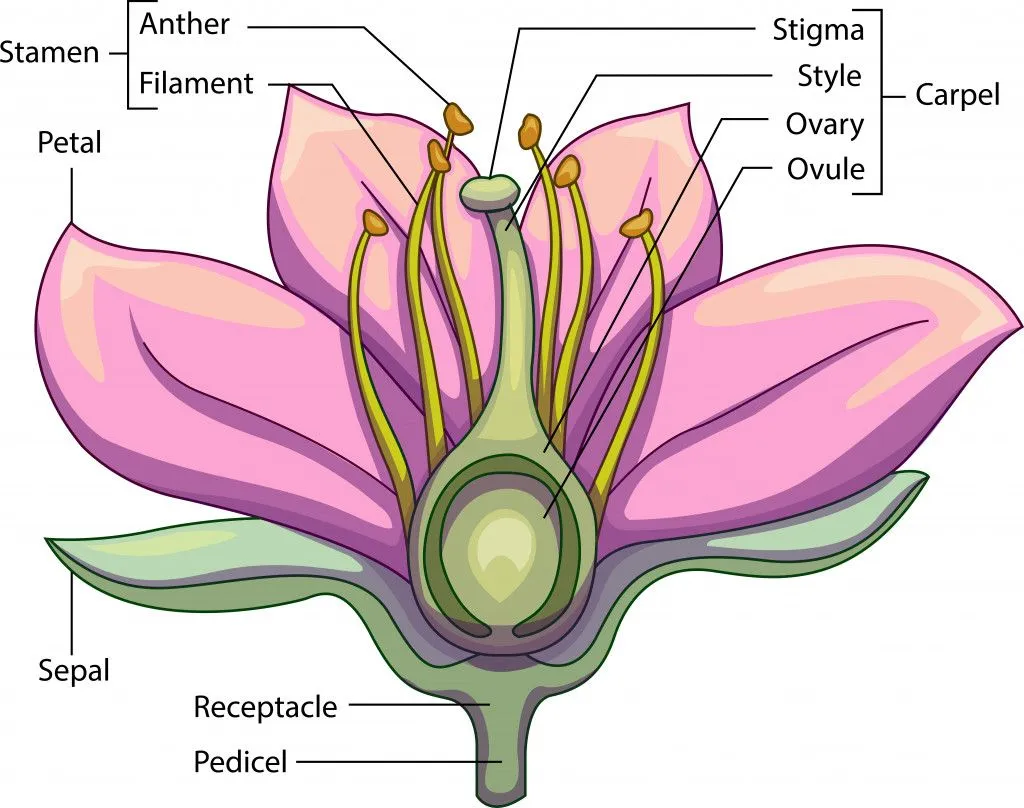
Fruits are made by flowering plants—the world’s most diverse plant group. The flower holds the plant’s reproductive parts: the stamen and carpel. Once a pollen grain comes in contact with the carpel, the plant is fertilized and fruit development begins.
Some of the starch produced from photosynthesis is stored in the seeds of the plant’s fruit. That starch is an energy source for the seedlings. This is why rice and grains are excellent energy sources for humans too!
Plants don’t make fruits that hold seeds out of the goodness of their hearts. Their true purpose is seed dispersal. The sweet, juicy fruits are meant to attract fruit eaters like birds, insects and animals. Imagine that a bird finds a mango. It takes the fruit to a quiet corner to enjoy it peacefully. After it’s done eating the juicy, fleshy parts, it drops the seeds elsewhere on the ground. This is an animal-based seed dispersal method.
To lure animals in, plants make fruits with sugars, like glucose, which are produced by photosynthesis. The fruit yield and quality depend on the plant’s rate of photosynthesis. That’s why it is important for farmers to grow their crops in the best conditions to get the maximum fruit yield possible.
Not every plant relies on bright, juicy fruit. Acorns, for instance, are far too heavy for the wind to carry, so oaks lean on animals instead. Squirrels and jays gather acorns and bury them in scattered caches for the winter, a habit called scatter-hoarding. A few of those buried nuts are forgotten or left behind when the animal moves on, and those are the ones that sprout into the next generation of oak trees. Scrat, the squirrel from the movie Ice Age, loves them so much that he’s always looking for new spots to hide them.
Plants can also produce seedless fruits, but those occur for a different reason. This production is known as parthenocarpy.
How Are Vegetables Made?
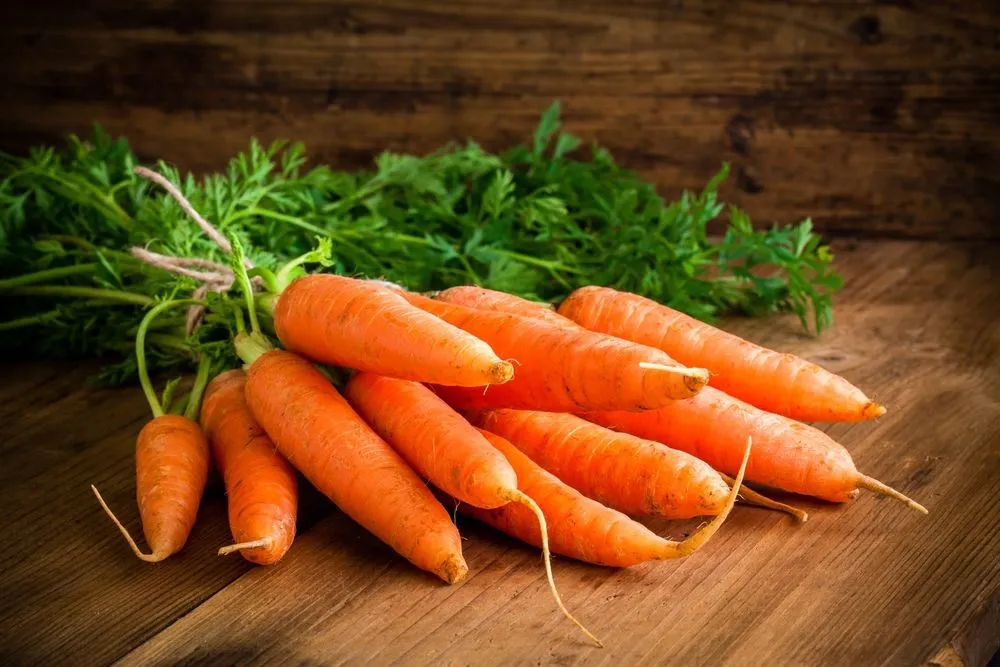
Vegetables are different from fruits because they are edible plant parts, namely the stem, leaves or roots. Carrots are the plant’s (very modified) roots, absorbing water and nutrients from the soil. Spinach is the plant’s leaves, so they trap sunlight. The potato is actually the plant’s stem, with several nodes where new plants can grow from.
Similar to how a camel stores water in its humps, plants store starch in their vegetables. At night, or at times when sunlight is weak, such as in the rainy season, or when water is lacking, they can convert this starch back to glucose for energy.
When we pick vegetables, we’re essentially taking their energy reserves, which the plant has spent its life making.
Plants make more glucose when the conditions to perform photosynthesis—sunlight, water, and carbon dioxide levels—are ideal. This glucose is converted to starch and cellulose and then redirected to different plant regions like the roots, stems and leaves.
Better photosynthesis will result in larger and more nutritious carrots, potatoes, lettuce, broccoli, and so many others!
Why Do Plants Give Fruit Away If It Costs So Much Energy?
Here’s the part that seems backwards. A plant pours sugar, water and hard-won photosynthetic energy into a sweet, fleshy fruit, and then it simply hands the whole thing over to a hungry bird or animal. Why spend so much building something just to give it away? The answer is that the plant isn’t buying the fruit, it’s buying a delivery service for its seeds.

A plant is rooted to one spot for life, so it cannot walk its offspring to a better address. Spreading seeds is the only way most plants ever colonize new ground, and it matters enormously. A seed that simply drops at its parent’s feet has to fight that much larger plant for the same light, water and soil, and it sits in a spot where pests and diseases that target the species are already thick. Seeds carried somewhere new escape that crowd. This is exactly why a plant makes the trade: the energy locked in a fruit is the fare it pays an animal to move its seeds away from home.
The exchange is a genuine mutualism, with both sides coming out ahead. The animal gets a nutritious meal of sugars and vitamins, and the plant gets its seeds eaten, carried off in the animal’s gut, and dropped far away in a tidy parcel of fertilizer. The tough seed coat lets the seed survive the trip through the digestive system intact. Animal-helped dispersal is no fringe trick either: roughly 60 to 80% of all plant species rely on fruit-eating animals to regenerate, which is a big reason plants and animals are so tightly woven together. Flowering plants and their fleshy fruits began diversifying around 80 million years ago, and they have been refining this bargain with animal partners ever since.
Conclusion
Fruits and vegetables are not only rich in carbohydrates, but also other bioactive compounds that come from plant pigments. The carrot gets its orange color from the pigment beta-carotene, which is made by the plants using glucose as energy. Beta-carotene is converted into vitamin A in our bodies, which is excellent for eye health, immunity and clear skin. That’s why you should listen to your parents when they tell you to finish all your fruits and vegetables!
Future research will focus on improving photosynthesis by genetically modifying plants to enhance enzyme activities so that plants make more nutritious fruits and vegetables. Additionally, genetic modification enhances drought resistance and disease resistance. Finding better ways to improve food quantity and quality is crucial to meet the demands of our ever-growing population.
References (click to expand)
- Preiss, J. (2018). Plant Starch Synthesis. Starch in Food. Elsevier.
- Yahia, E. M., Carrillo-López, A., Barrera, G. M., Suzán-Azpiri, H., & Bolaños, M. Q. (2019). Photosynthesis. Postharvest Physiology and Biochemistry of Fruits and Vegetables. Elsevier.
- Mendelson, E., Zumajo-Cardona, C., & Ambrose, B. (2020, March 6). What Is a Fruit?. Frontiers for Young Minds. Frontiers Media SA.
- FAQs. The University of California, Davis
- Evans, J. R. (2013, June 28). Improving Photosynthesis. Plant Physiology. Oxford University Press (OUP).
- Frugivores and seed dispersal: mechanisms and consequences for biodiversity of a key ecological interaction. PMC, National Library of Medicine.
- Oak Dispersal Syndromes. USDA Forest Service, Southern Research Station (GTR SRS-73).