Geese and other large migratory birds fly in a V formation to save energy. Each flapping wing leaves behind a wingtip vortex with rising air (an “upwash”) just outside its wake; trailing birds tuck into that upwash so the air helps lift them, reducing the work of flapping by an estimated 10-20%. A 2014 Nature study of northern bald ibises (Portugal et al.) showed the birds even time their wingbeats precisely to ride the upwash for maximum benefit.
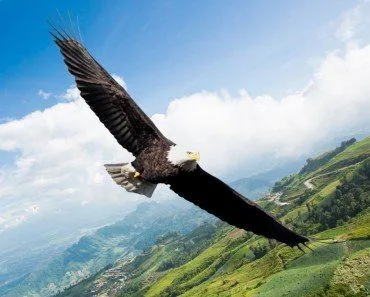
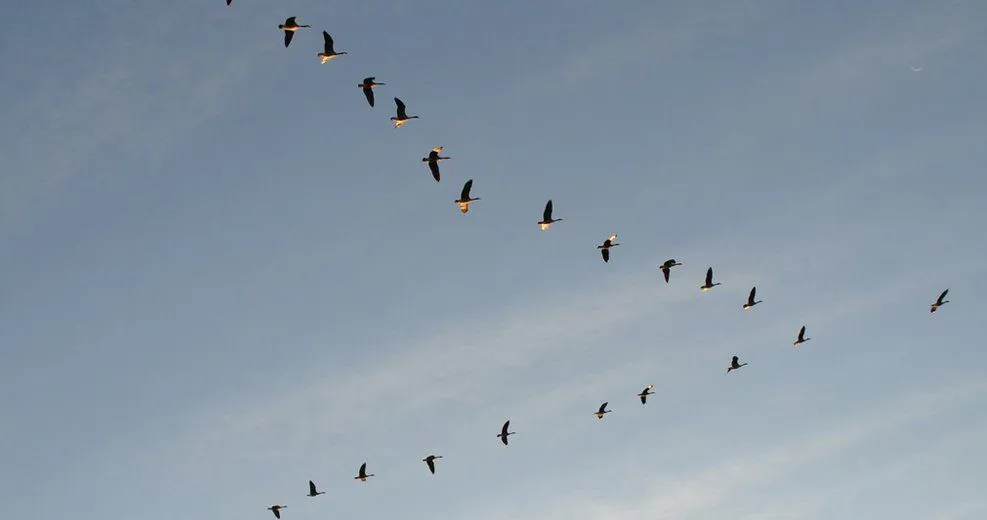
Have you ever noticed a large group of birds flying high in the sky? If you have, then you must have noticed that many groups fly in a shape that basically resembles the English alphabet letter “V” (See the picture below).
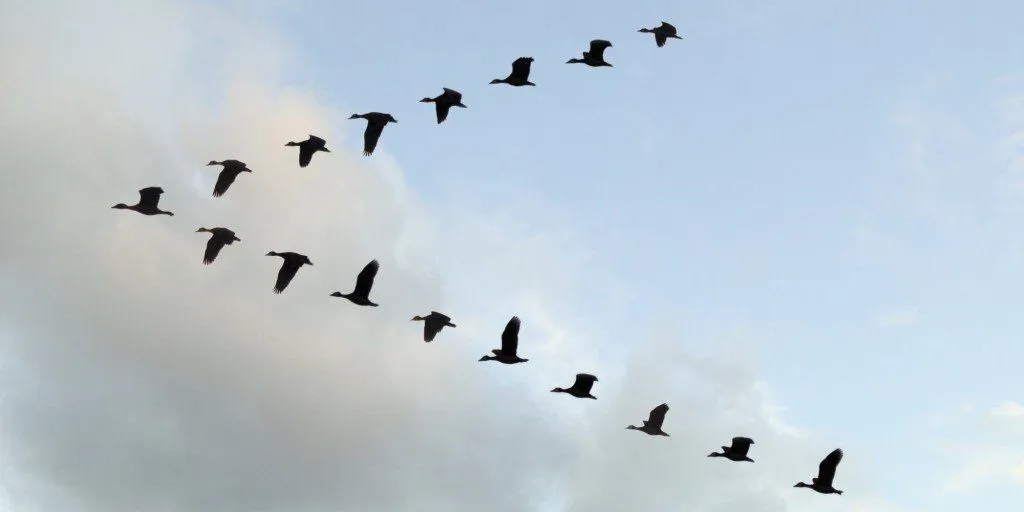
The V formation (a close relative of the single-diagonal “echelon” formation used in military aviation) is very frequently seen in migratory birds such as geese who migrate or travel over long distances. Granted, it looks neat and classy to onlookers, but have you ever wondered what the real reason is behind this particular flying pattern of birds? Well, let’s dig in and find out.
Does It Take Less Effort In The V Formation?
When a bird flies, the tips of both its wings create a rotating vortex. A “rotating vortex” is nothing but a rotating spiral of moving air around the wingtips of the bird.
Due to this, the air right behind the bird gets pushed downwards, while the air behind this and off to the sides gets pushed upwards. This creates specific zones, known as upwash zones and downwash zones, where the flow of air is either upwards or downwards.
Now, if a bird flies in this zone, it gets a free lift from the air and consequently gets a considerable amount of air support, without expending much effort of its own. This is why birds following the leader may not have to flap their wings as many times as the leader of the group, as they can just glide along and remain airborne.
Timing Matters
The timing at which the trailing birds flap their wings is crucial to this whole process. When the bird flying in the front flaps its wings, the upwash created by its wings also moves up and down. Therefore, the bird behind this bird has to adjust its own flapping time to match the moving zone of the free lift coming off the wings of the bird flying in the front. In this way, the birds are able to extract the maximum benefit (in terms of putting in less effort) out of this pattern.
Who Is The Leader?
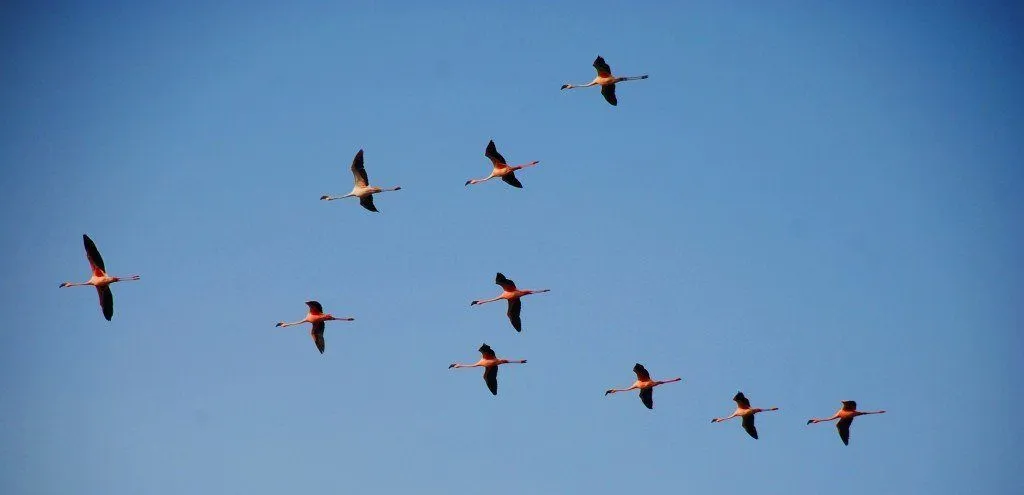
As it turns out, there is no constant leader of a flock. The birds take turns being at the front. Bernhard Voelkl and his colleagues from the University of Oxford’s department of zoology conducted an amazing study to find out more about flight behaviors and they found out that a bird spends almost 32% of its time flying behind another bird, and a similar amount of time leading the formation.
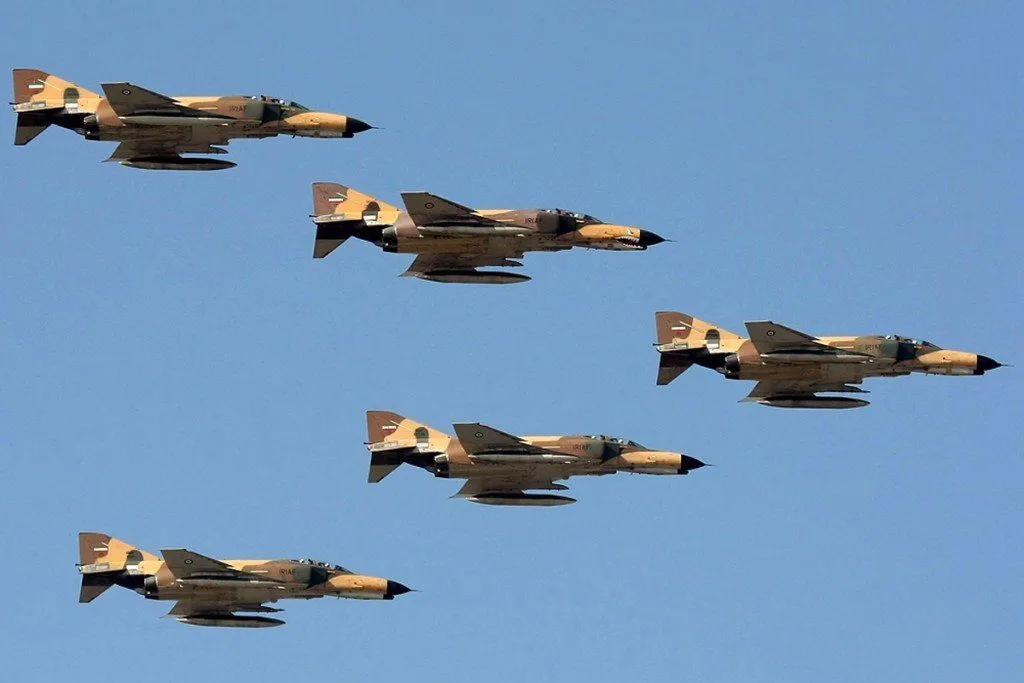
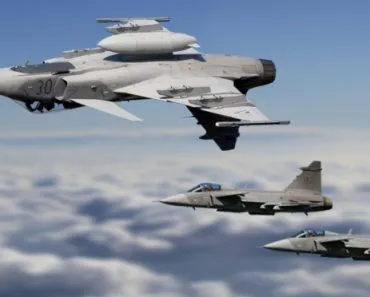
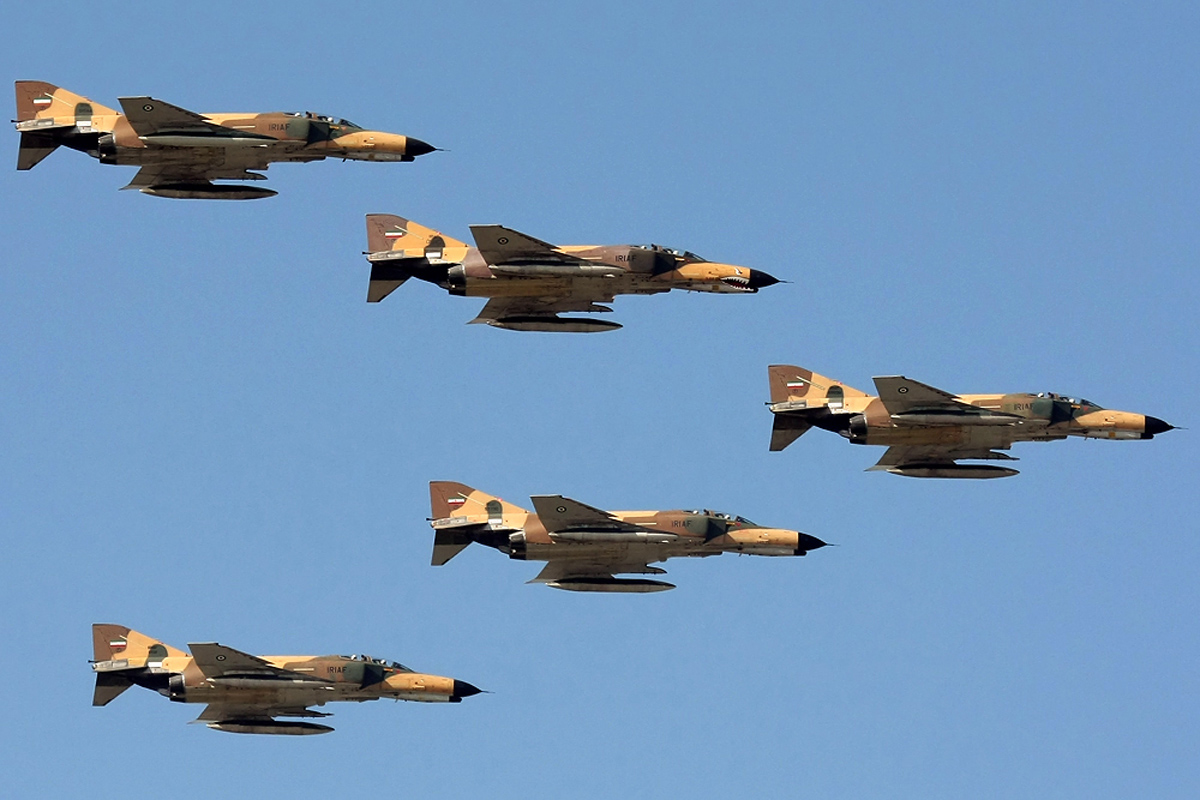
This formation is known as the “V Formation” or the “Vic” Formation in military outfits all over the world. This formation is also pretty common in air shows, but the basic premise behind it was completely inspired by the natural world – from those clever flocks of birds that we have been admiring for thousands of years!
What Is It Called When Birds Fly In Formation?
So you have spotted that tidy shape overhead and want to put a name to it. The shape itself is the V formation, but ornithologists describe this whole family of staggered, single-file flight patterns as echelon formations. The V is simply the most familiar one; the J (a lopsided V with one arm longer than the other) and the plain diagonal echelon line are close cousins, and a flock will slide between them as birds shuffle position.
There is also a charming bit of vocabulary for the birds themselves. A group of geese resting on the ground or water is a gaggle, but the moment they take to the air in that flowing line, they become a skein. When the line tightens into a crisp V, you may even hear it called a wedge. Swans and other waterfowl borrow the same words.

And the human version? As we noted earlier, air forces around the world fly the same staggered shape and call it the Vic formation, a borrowing straight from those clever flocks. So whether you say V, echelon, skein or wedge, you are describing the same energy-saving trick.
Which Birds Fly In A V Formation?
Not every bird bothers with the V. The trick works best for large, heavy birds with long wings, because only their slow, powerful wingbeats leave behind a wake of rising air that lasts long enough for a follower to use. That is why the regulars are the big migrants: geese (the famous Canada goose and the greater white-fronted goose, which travels in single file or in a V), swans, ducks, pelicans such as the American white pelican, cranes, cormorants, and the northern bald ibis made famous by the wingbeat-timing study mentioned above.

What about the sparrows, starlings and other small songbirds you see swirling in dense clouds? They almost never form a V. Their wings are short and their wingbeats are fast and erratic, so the wake they leave behind decays before a neighbor could ride it. There simply is no steady cushion of upwash to tuck into, so small birds gain nothing from lining up. The V, it turns out, is a big-bird specialty.
References (click to expand)
- Why do birds fly in a V formation? - | How Things Fly. The Smithsonian Institution
- Why do birds fly in formation? | Bio-Aerial Locomotion. Boston University
- Vee Formations and Bird Migration. Maine Birds, Colby College
- Greater White-fronted Goose Life History. All About Birds, Cornell Lab of Ornithology
- Why Do Birds Fly in a V Formation? National Audubon Society