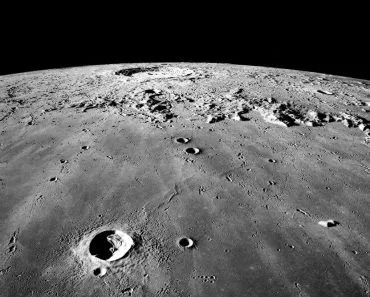
On the International Space Station, NASA already recycles about 98% of astronaut urine and sweat back into clean drinking water. Studies suggest pee could go even further in space: watering crops like wheat and soybean, and supplying urea that, mixed with lunar soil, sets into a sturdy concrete for building moon bases.
If you think the pee coming out of your body is a useless fluid produced as a result of various metabolic processes, you may need to be corrected. Let’s find out why!
The Constituents Of Human Pee
The amount and the constituents of pee will differ with ambient temperature, the amount of fluid intake, your emotional state (you feel like peeing when scared), time of the day, and various other factors.
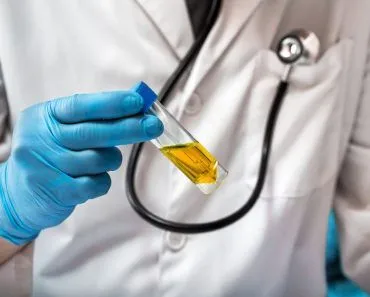
Urine from a healthy person is a mixture of both organic and inorganic components, as is the case with most body fluids. The inorganic components of urine are various ions, which include sodium (Na+), chloride (Cl–), potassium (K+), magnesium (Mg2+), sulfate (SO42–), calcium (Ca2+), and nitrogen carried as ammonium (NH4+), with some present as dissolved ammonia (NH3). Citrate, oxalate, and phosphate ions have also been found in urine samples, irrespective of the gender of the person or the time of the urine release.
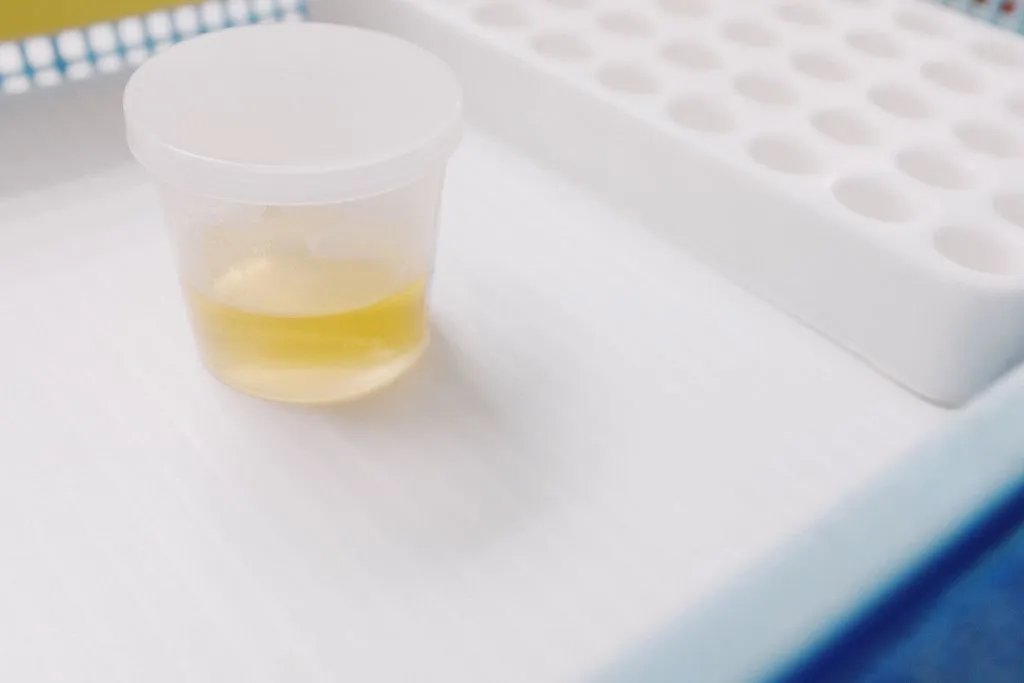
As for the organic contents, these include urea, uric acid, creatinine, hippuric acid, urobilinogen, indican, and ethereal sulfate.
All of these components are suspended in water, which makes up roughly 95% of the volume of human pee.
Constituents Of Plant Fertilizers
Since we’re talking about using human pee as an agent to water plants, we must know and understand what are normally the constituents of fertilizers. It is common knowledge that fertilizers used primarily contain nitrogen (N), phosphorus (P), and potassium (K) and hence have the nomenclature ‘NPK fertilizers’.
The source of nitrogen is urea, ammonium sulfate, ammonium chloride, etc, whereas the source of phosphorous is single super phosphate. Potassium comes from muriate of potash (KCl) and sulfate of potash (K2SO4). (source)
How Space Plants Might Survive On Urine
From the above analysis of the contents of human pee and the contents of the fertilizers, it is clear that the major nutrients required by plants are present in our urine. The rest of the secondary nutrients, which the plant gets from the soil, like calcium and magnesium, are also found in the urine.
In a mind-boggling 2018 study, Federico Maggi and his team at the University of Sydney in Australia concluded that, over the long haul, human urine could be used to maintain plants (like soybean and wheat) in space.
They used computer models of dwarf soybean and wheat plants set to grow in soil inside a chamber with a ventilation system. The chamber also had water and urine injectors. Their calculations showed that these plants are able to take up nutrients from human pee!
If this proves to be practically feasible, it would help tackle two issues of space travel: the disposal of urine and the production of food. Currently though, after a lot of advancements, astronauts have come to use a vacuum-based system. They have to hold the funnel and hose very close to their skin so that there are no leaks. After that, the urine is recycled to be used again as drinking water. In fact, the station’s Environmental Control and Life Support System (ECLSS) now recovers about 98% of the water in astronaut urine and sweat, a milestone NASA reported in 2023, up from the 93–94% recovered before.
However, there’s a catch. Urinating on plants and then that plant providing for you is not a bowl of instant noodles that can happen within minutes. As a matter of fact, it would not even happen in a few days. The breaking up of pee into nutrients and then the absorption of those nutrients, as well as their utilization, were studied, and the team found that over a span of 20 years, astronaut pee could meet most of the nutrient requirements of these plants.
The Practical Application
They also observed that gases like carbon dioxide (CO2) and certain nitrogen and sulfur gases were also released during the process of the breakdown of urine constituents and their utilization. A high level of these gases in a closed environment, like a spaceship, might be detrimental. The good news is that the levels did not reach a hazardous point.
However, the amount of salt build-up (due to K+ and Cl– ions) might slow down the growth of wheat. Soybean, being more tolerant of salt, might not be affected as much.
To start commenting on the practical significance that this method might have: It will deal with the pressure of storing and carrying urine. Even if astronaut pee were to be recycled, the energy and resources used would be reduced, since most of it would be used up by the plants. Once the space plants start responding well, this system would become self-sustained.
Pee, A Useful Commodity On The Moon Too!
It seems like pee is a full-fledged survival kit for space astronauts! Assisting the growth of plants in space for food is one thing, but human urine can also be used for construction on the moon.
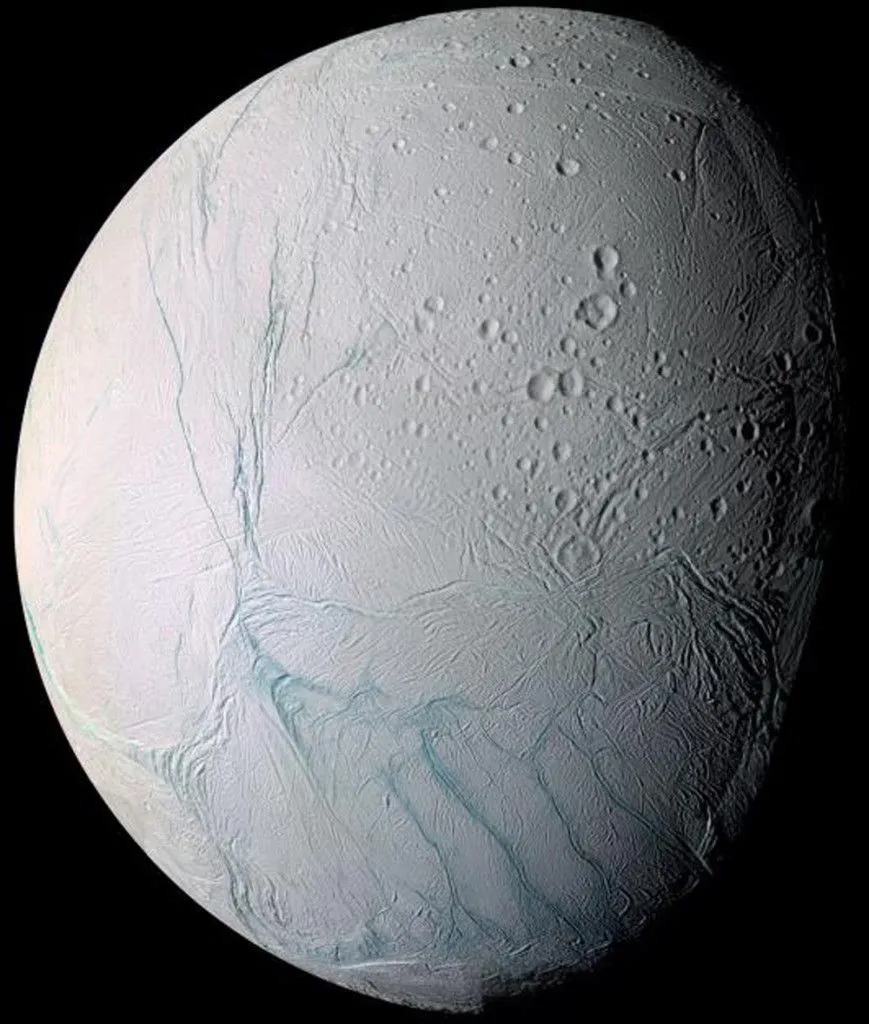
European Space Agency-supported research shows that urea, the major constituent of pee, works as a superplasticizer in lunar concrete. When mixed with lunar regolith (the loose soil that blankets the moon’s surface), urea helps form a geopolymer that needs less water and can bear heavy loads soon after mixing. Better still, the geopolymer holds its shape without much deformation under load.
Plants have been grown in space using other methods, but when it comes to using pee, there’s still a lot of research left to be done. A lot of experiments must still be carried out, but through the use of human urine, recycling and reusing it will allow for a sustainable system in space. This in turn will assist our space explorations and help our understanding of the greatest unknown even better. Sure, this might take a few years, but it still holds a great deal of promise.
References (click to expand)
- Maggi, F., Tang, F. H. M., Pallud, C., & Gu, C. (2018, May). A urine-fuelled soil-based bioregenerative life support system for long-term and long-distance manned space missions. Life Sciences in Space Research. Elsevier BV.
- Pilehvar, S., Arnhof, M., Pamies, R., Valentini, L., & Kjøniksen, A.-L. (2020, February). Utilization of urea as an accessible superplasticizer on the moon for lunar geopolymer mixtures. Journal of Cleaner Production. Elsevier BV.
- Urine. Encyclopaedia Britannica.
- Fertilizer. Encyclopaedia Britannica.
- NASA Achieves Water Recovery Milestone on International Space Station (2023).