Table of Contents (click to expand)
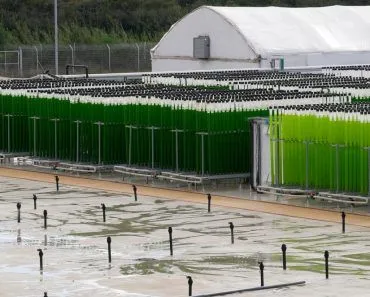
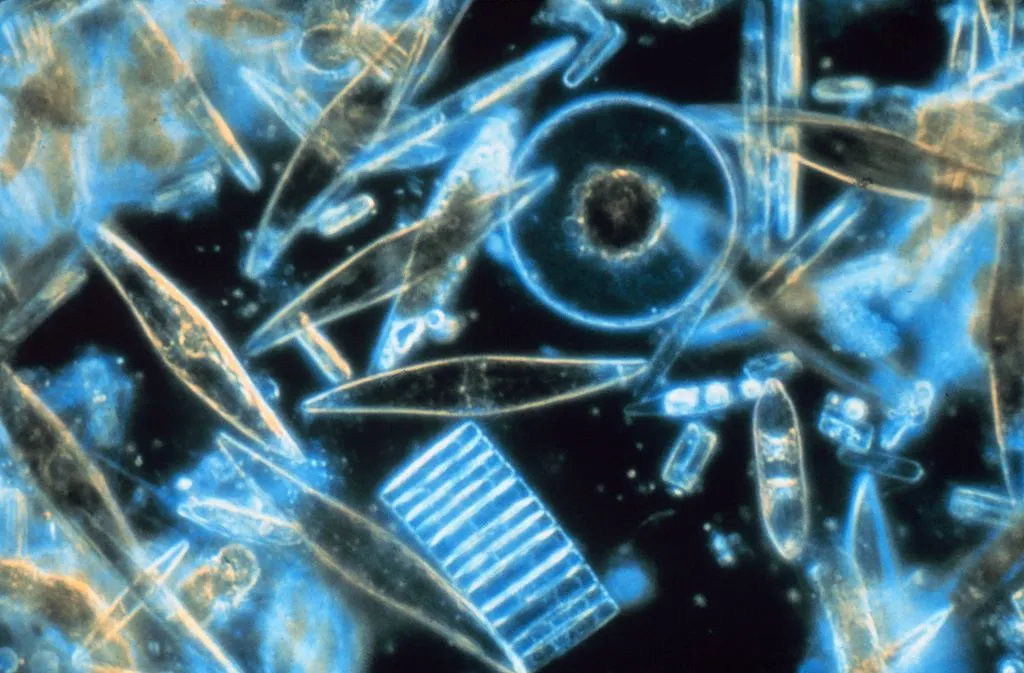
Phytoplankton are a group of microorganisms consisting of about 5,000 known species. They are known as ‘the grasses of the sea’. Most of them are buoyant in nature and float near the surface of the water. The major types of phytoplankton are diatoms, golden-brown algae, blue-green algae, green algae and dinoflagellates. They live in the euphotic (sunlit) zone of the ocean, the upper layer that extends from the surface down to a maximum of about 200 meters.
When we think of oxygen sources, the first thing that we think of are plants. However, does the sea or ocean immediately come to mind? No, it usually does not, but what if I told you that one particular inhabitant of the ocean is responsible for 50% of the photosynthesis carried out across the world. That sounds insane, right? This inhabitant isn’t even something that we can see by taking a dive into the ocean; in fact, it can’t be seen with the naked eye. It is microscopic in nature. The organism that I am talking about is phytoplankton.
What Are Phytoplankton?
Phytoplankton are a group of microorganisms consisting of about 5,000 known species. They are known as ‘the grasses of the sea’. Most of them are buoyant in nature and float near the surface of the water. The major types of phytoplankton are diatoms, golden-brown algae, blue-green algae, green algae and dinoflagellates. They live in the euphotic (sunlit) zone of the ocean, the upper layer that extends from the surface down to a maximum of about 200 meters, and often much shallower. Although microscopists have studied phytoplankton for over a century, their global distribution only became visible from space in 1978, when NASA launched the Coastal Zone Color Scanner (CZCS) and started mapping ocean color from orbit.
Why Are Phytoplankton Important?
Phytoplankton carry out photosynthesis, using carbon dioxide and water to generate food for themselves, while giving out oxygen as a waste product. This reduces CO2 in the water and allows water to take in more from the atmosphere. This also provides the ocean with organic carbon, making phytoplankton a major factor in the Carbon cycle. The carbon is transferred to other levels of the ocean after being eaten by various sea creatures. The rest goes to the bottom of the ocean after the phytoplankton die. This system of phytoplankton helps to transfer 10 gigatons of carbon to the deep ocean every year, which greatly helps to keep the climate system in check.
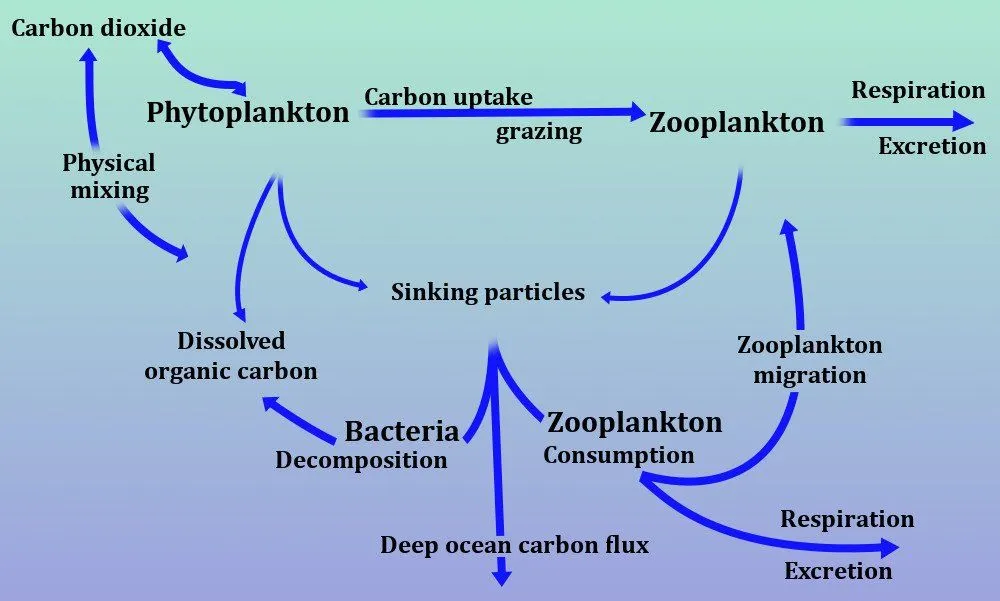
The group is even important to the biogeochemical cycle. Through this cycle, a chemical substance moves through the biotic and abiotic cycle. Phytoplankton take up many elements from the ocean, which they transform and recycle so that other organisms can take them. One such substance is vitamins. The ocean is nutrient poor, so Phytoplankton take up vitamins and micronutrients that help other marine life.
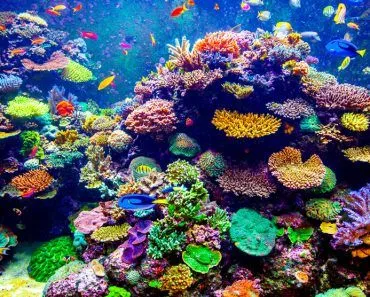
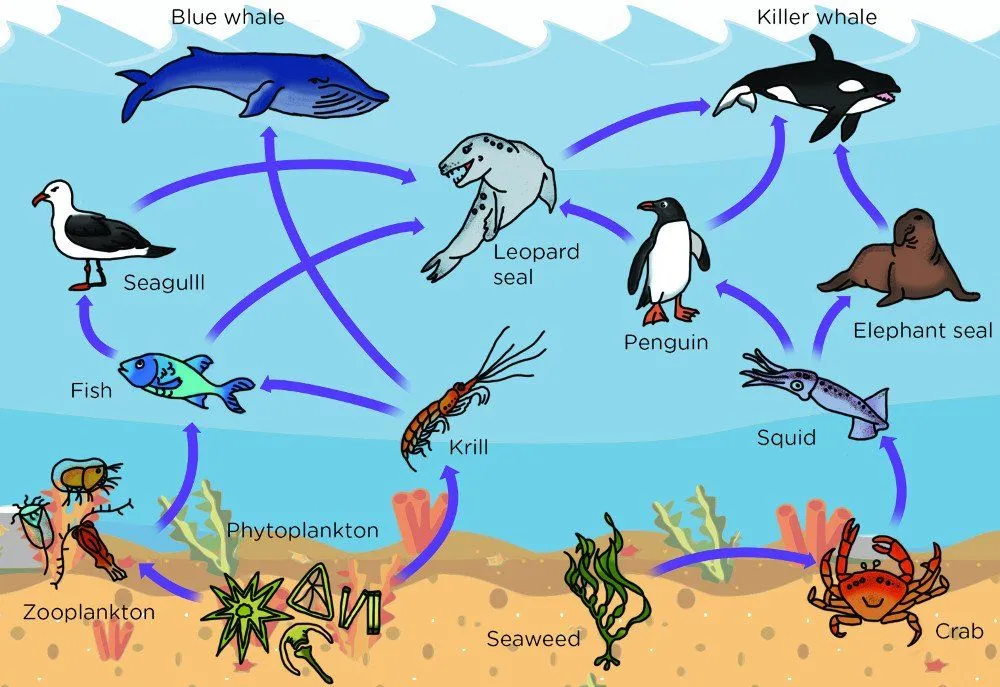
Phytoplankton is also the foundation of almost all food cycles in the ocean. A number of small sea creatures like krill, shrimp and copepods feed on them, which in turn become food for larger crustaceans and fish. In addition, we all know that those two are major parts of our own diet. Even the largest animals on the planet depend on this base: baleen whales like the blue whale do not graze on phytoplankton directly, but they gorge on the krill and other zooplankton that do, so every gulp is only a step or two removed from the microscopic algae. This clearly indicates that the survival of major food chains is linked to the presence of phytoplankton. (We will look at exactly which animals eat phytoplankton in the next section.)
What Eats Phytoplankton?
So phytoplankton make their own food from sunlight, but what eats them? The short answer: a huge cast of tiny grazers, and through them, almost everything else in the sea. As the National Oceanic and Atmospheric Administration (NOAA) puts it, most zooplankton eat phytoplankton, and most zooplankton are in turn eaten by larger animals. Phytoplankton sit at the very bottom of the marine food web, so they are the meal that feeds the meal that feeds the meal.

The single most important consumers are copepods, rice-grain-sized crustaceans that are among the most abundant animals on Earth. NOAA Fisheries describes them as the "cows of the sea", endlessly eating phytoplankton and converting sunlight-built biomass into food for higher levels of the food web. Other zooplankton graze alongside them: krill, shrimp, the larvae of fish and shellfish, and gelatinous grazers such as salps. Salps are so effective that during a bloom they can mow down roughly a third of the local primary production, packaging it into fast-sinking pellets that rain carbon to the deep sea.
Plenty of animals also filter phytoplankton straight out of the water themselves. Bivalves such as oysters, mussels and clams pump seawater across their gills and strain out the algae, which is why a healthy oyster reef helps keep an estuary clear. Some fish do the same: the invasive silver carp, for example, has dense, sponge-like gill rakers that, according to the U.S. Geological Survey, let it strain even very fine phytoplankton straight from the water. Forage fish like menhaden, herring and anchovies feed lower on the chain too, which is exactly why fisheries scientists say almost every fish you can name traces back to phytoplankton somewhere along the line.
What about the ocean giants? It is a common myth that baleen whales and whale sharks eat phytoplankton. They are filter feeders, but their baleen and gill rakers catch zooplankton (mostly krill) and small fish, not the microscopic algae itself. They are eating the animals that ate the phytoplankton. That distinction matters because energy leaks at every step: only about 10 percent of the energy stored at one level of a food web is passed up to the next, the so-called "10 percent rule". Phytoplankton capture so much solar energy that even after that steep tax is paid two or three times over, there is still enough left to support the largest animals that have ever lived.
Do They Cause Any Problems?
After finishing their nutrients, phytoplankton die and begin decomposing. This leads to the loss of oxygen in the surrounding regions. The levels of oxygen drop and affect marine life. Such oxygen-depleted areas are called ‘dead zones’. Animals in the region die or move to areas that are more suitable for life.
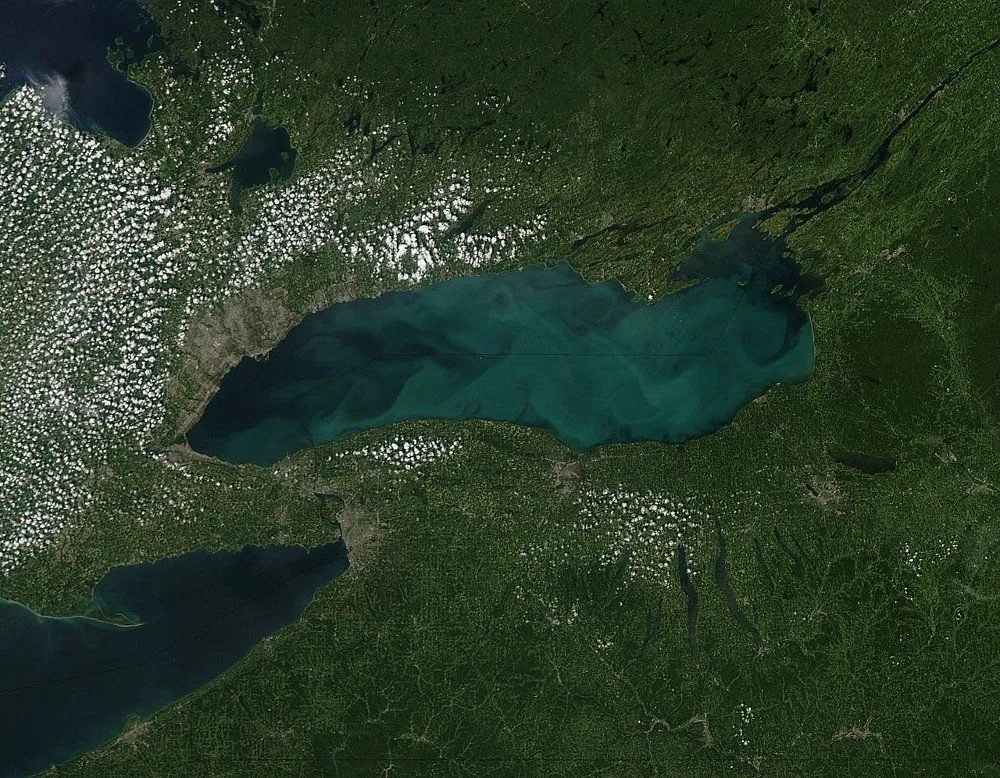
Some phytoplankton even produce toxins that can be lethal to marine life and even humans if the growth occurs in coastal areas. Fortunately, few types of phytoplankton form Harmful Algal Blooms (HABs). These blooms cause respiratory problems for animals due to extreme oxygen depletion. Seafood, restaurant, and tourism industries take a serious financial hit from HABs. A Woods Hole Oceanographic Institution analysis pegs average direct US costs at around $50 million per year, while individual events can dwarf that: the 2018 Florida red tide alone is estimated to have cost tourism-related businesses about $2.7 billion.
It is obvious that Phytoplankton are necessary for the survival of life as we know it. From climate cycles to food cycles, they are at the foundation of everything. It’s funny how highly developed organisms, including humans, are so dependent on single-celled organisms floating blindly in the vast ocean!
References (click to expand)
- What are phytoplankton?.
- Importance of phytoplankton.
- Estuarine Science - omp.gso.uri.edu:80
- Phytoplankton - A Simple Guide.
- http://web.archive.org/web/20220525164143/http://www.edc.uri.edu/restoration/html/gallery/plants/phyto.htm
- What are plankton? NOAA National Ocean Service.
- Copepods: Cows of the Sea. NOAA Fisheries.
- Bloom or Bust: The Bond Between Fish and Phytoplankton. NASA Earthdata.
- Silver Carp (Hypophthalmichthys molitrix) Species Profile. U.S. Geological Survey.
- Energy Flow and the 10 Percent Rule. National Geographic Education.