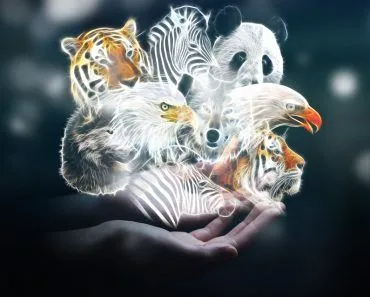
Biodiversity loss is caused mainly by habitat destruction and fragmentation, overexploitation, invasive species, poaching and the illegal wildlife trade, pollution, and climate change. Human population growth and consumption drive all of these. The 2024 WWF Living Planet Report found wildlife populations have fallen by an average of 73% since 1970, and roughly 1 million species are now threatened with extinction.
Biodiversity includes all the different kinds of life forms on Earth. This includes fungi, plants, animals and even microscopic organisms like bacteria, as well as the communities they form and the habitats where they live. Scientists estimate that our planet supports around 8.7 million eukaryotic species, yet only about 2.1 million have been formally described. In other words, the overwhelming majority of life on Earth has never been catalogued.
For instance, in the Democratic Republic of the Congo (formerly Zaire), bushmeat from wild animals accounts for a large share of local animal protein intake, and in Botswana over 50 wildlife species are used as food by local communities. Globally, an estimated 25% of all prescription drugs contain compounds derived from around 120 plant species.
Types of biodiversity
Overall, there are three different types of biodiversity: species diversity, genetic diversity, and ecosystem diversity.
Species diversity refers to the number of different species found within a habitat or population. Genetic diversity refers to the genetic variability within a given species. Ecosystem diversity, on the other hand, refers to the variations in ecosystems and habitats within different geographic locations. This includes differences in ecological niches, trophic levels and processes that make up food chains and food webs.
Why is biodiversity important?
Every species on earth, be it a plant, animal or bacteria, plays a unique and important role that no other species can replicate. The intricate interactions between all these species and their ecosystems combined will help maintain the human race.
Biodiversity is directly linked to our everyday lives; without it, we humans would not be able to survive. Apart from providing basic necessities like food, water, fodder and fuel, biological diversity also provides many critical ecological services, such as soil formation, nutrient cycling, and air and water purification.
Broadly speaking, our planet’s biodiversity can be split into direct use values and indirect use values.

Direct value
This refers to all the benefits we humans derive directly from the products that we harvest from nature. These values are further divided into consumptive and productive use values.
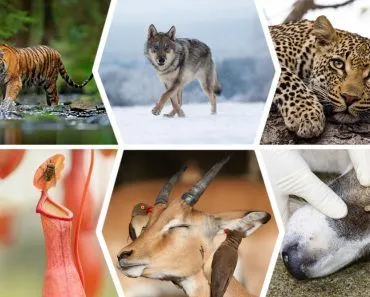
Consumptive use values refer to our various bioresources, such as forest products, fuel-wood, herbs, medicinal plants and wild meat that are consumed directly and locally without being sold in markets. This includes food (e.g., plants, meat, fruits, seeds, flowers), medicinal resources (e.g., wild plants, fungus, algae, tree bark), and fuel (e.g., firewood).
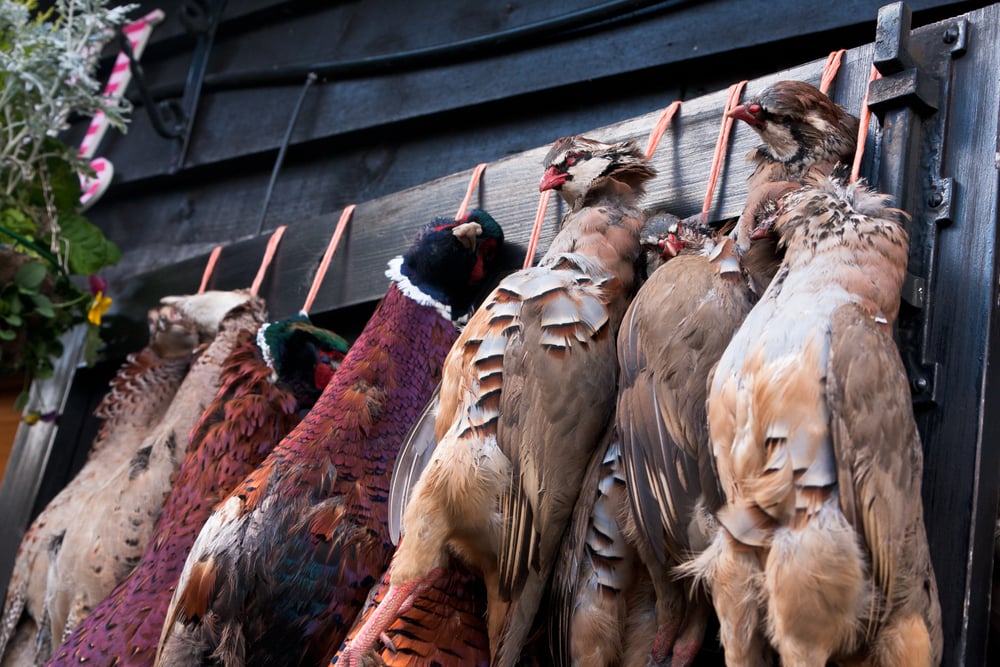
Several different species, including birds, are killed and consumed by local communities. (Photo Credit : AdamEdwards/Shutterstock)
For instance, in parts of the Congo Basin, bushmeat from wild animals provides up to 75% of local animal protein intake, and in Botswana over 50 wildlife species are used as food by local communities. Globally, around 25% of all prescription drugs contain compounds derived from about 120 plant species.
Productive use value, on the other hand, refers to all the products harvested from nature and sold in local and international markets. This includes timber (e.g., for paper and pulp industries, railway sleepers and sawmills), fisheries (e.g., for consumption and aquaculture), ivory (for medicine and jewelry), and genetic material (to alter crops and domesticated animals).
Indirect Value Use
These refer to all the products and services that nature provides us, but which aren’t harvested. This includes the countless ecosystem processes and services, such as water purification, prevention of soil erosion, pollination, climate regulation, and nutrient cycling. Biodiversity is also invaluable in many social, cultural and religious activities.
According to the Intergovernmental Science-Policy Platform on Biodiversity and Ecosystem Services (IPBES), humans have significantly altered over 75% of land and roughly 66% of the ocean. The main activities driving such sweeping habitat loss are agricultural expansion, mining, logging, fishing, urbanization, and industrial growth. Agricultural and livestock production alone account for the conversion of around 75% of freshwater resources and 33% of Earth’s land surface.
Such destruction of ecosystems and habitats has cascading impacts on ecosystem services and ultimately on human wellbeing. Wetlands, in particular, have suffered the most: IPBES estimates that over 85% of the wetland area present in 1700 had been lost by 2000, and the world continues to lose wetlands faster than any other ecosystem.
Biodiversity loss
As you can see, we depend on biodiversity on a daily basis, so you can probably guess how badly we will be affected if these services are no longer available to us. The loss of biodiversity will affect our livelihoods, food supply, income and migration, while also leading to political conflict over declining resources.
Unfortunately, despite knowing the significance of biodiversity, our actions and lifestyles are leading to wide-scale biodiversity loss. For instance, at least 1 million species are threatened with extinction over the coming decades, and over 800 million people, particularly in Asia and Africa, face food insecurity.
The trend has only sharpened in recent years. The WWF’s 2024 Living Planet Report tracked nearly 35,000 vertebrate populations and found an average decline of 73% since 1970, with freshwater species the worst hit (an 85% drop). The latest IUCN Red List flags over 47,000 species as threatened with extinction. In response, 196 countries agreed to the Kunming-Montreal Global Biodiversity Framework at COP15 in 2022, which sets a goal of conserving 30% of land and sea by 2030 (the "30 by 30" target).
You may now stop and ask yourself: what are the causes of biodiversity loss? And what threatens biodiversity?
What causes biodiversity loss?
Overall, the primary drivers of biodiversity loss are increasing human population growth and high levels of consumerism. Together, these two drivers lead to the elimination of biodiversity in many different ways.
Habitat degradation and loss
Habitat loss is the primary reason for large-scale biodiversity loss worldwide. When humans cut down trees, clear land for agriculture, cut grasslands or even fill wetlands, they are changing the natural habitat of all the species that live there. This not only leads to habitat destruction, but also drastically alters the complex interactions among different species.

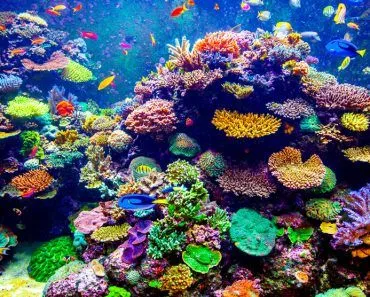
Land use and land cover conversion lead to global declines in biodiversity. (Photo Credit : kakteen & Rich Carey & Richard Whitcombe/Shutterstock)
According to the Intergovernmental Science-Policy Platform on Biodiversity and Ecosystem Services (IPBES), humans have significantly altered over 75% of land and roughly 66% of the ocean. The main activities driving such sweeping habitat loss are agricultural expansion, mining, logging, fishing, urbanization, and industrial growth. Agricultural and livestock production alone account for the conversion of around 75% of freshwater resources and 33% of Earth’s land surface.
Such destruction of ecosystems and habitats has cascading impacts on ecosystem services and ultimately on human wellbeing. Wetlands, in particular, have suffered the most: IPBES estimates that over 85% of the wetland area present in 1700 had been lost by 2000.
Habitat Fragmentation
Habitat fragmentation occurs when large habitats are split into smaller and scattered patches as a result of changing land use and land covers. This prevents animals from dispersing from one area to another and isolates their populations in the region. Habitat fragmentation ultimately leads to inbreeding, stress, increased infant mortality and extinction. In fact, researchers found that species whose habitats were most fragmented were at a greater risk of extinction than those who had intact habitats.
Overexploitation Of Resources
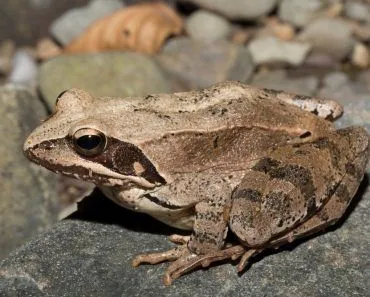
Several species are overexploited due to their economic value, for medicinal and research purposes, which reduces their populations. Animals such as frogs, earthworms and plant species like ferns are all examples of bioresources that are heavily extracted.
Exotic Species
Some species are endemic to regions, while others are introduced (also known as exotic or alien species). The introduction of new species into new regions can be dangerous for native species and their communities, as exotic species deplete natural resources and degrade their habitats.
A classic example of biodiversity loss caused by exotic species is that of European rabbits in Australia. In 1859, the English settler Thomas Austin had 24 rabbits released on his Victoria estate for sport hunting. They bred and spread across the continent like wildfire, destroying crops, soils and native vegetation, and they are now suspected of being the single biggest cause of mammal extinctions in Australia. In recent decades, the problem has only worsened. The 2023 IPBES Assessment on Invasive Alien Species found that more than 37,000 alien species have now been introduced worldwide, that invasive species play a role in roughly 60% of recorded global plant and animal extinctions, and that they cost the world economy upwards of US$400 billion each year.
Poaching And Wildlife Trade
Many wildlife species, such as pangolins, tigers, turtles, star tortoises and snakes, are traded illegally for their meat, fur, skin, tusks and teeth. Poachers ruthlessly kill wildlife of all ages, genders, sizes, and species. While poaching is rampant worldwide, some regions such as Asia, Africa and South America, which are all extremely rich in biodiversity, witness a greater number of poaching cases. For instance, an estimated 100,000 African elephants were killed by ivory poachers between 2010 and 2012 alone, with about 10,000 to 15,000 still being lost each year to the illegal ivory trade.
Pollution
Toxic chemicals, liquids and gases are released into our environment, altering natural habitats. For instance, pesticides used on farms enter nearby ponds and rivers and kill fish, the birds that feed on them, and other animals further up the food chain. Since the 1980s, over 300 million tons of heavy metals, industrial waste and sludge have been dumped into our waterways, contributing to more than 500 nutrient-driven ‘dead zones’ now identified in the world’s oceans. These chemical and nutrient loads cause eutrophication, drop oxygen levels, drive coral bleaching, poison wildlife, and ultimately accelerate biodiversity loss.
While these are the major causes of biodiversity loss, climate change is increasingly stacked on top of all of them, shifting ranges, bleaching reefs and disrupting migrations. Disease outbreaks and human-wildlife conflict pile on further pressure on the survival of many species.
As you can see, our environment and its biodiversity are directly linked to our survival. Hence, it is our responsibility to ensure that we respect and protect it, not only for ourselves, but also for the future generations, who will also depend on it to survive and thrive.
References (click to expand)
- Biodiversity. National Geographic Society.
- Global Assessment Report on Biodiversity and Ecosystem Services. IPBES, 2019.
- 2024 Living Planet Report: A System in Peril. WWF.
- The IUCN Red List of Threatened Species. IUCN.
- Kunming-Montreal Global Biodiversity Framework. Convention on Biological Diversity.
- Thematic Assessment Report on Invasive Alien Species and their Control. IPBES, 2023.
- Crooks, K. R. et al. (2017). Quantification of habitat fragmentation reveals extinction risk in terrestrial mammals. PNAS.
- 100,000 Elephants Killed by Poachers in Just Three Years, Landmark Analysis Finds. National Geographic.
- Alves, J. M. et al. (2022). A single introduction of wild rabbits triggered the biological invasion of Australia. PNAS.