Table of Contents (click to expand)
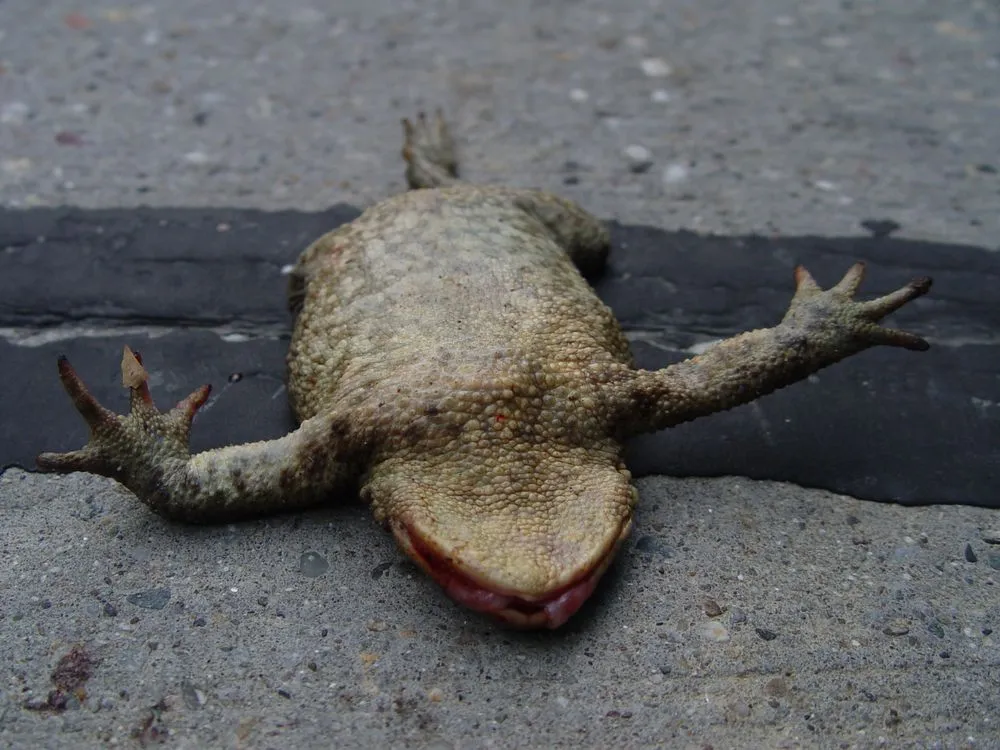
Amphibians are the most threatened class of vertebrates on Earth. The 2023 Global Amphibian Assessment found that about 41% of all amphibian species, roughly two in five, are at risk of extinction, including 39% of frogs and toads. Habitat loss, the chytrid fungus disease, climate change, invasive species and the animal trade are driving the decline.
While extinction means that all the members of a species have died, mass extinction talks about extinction at a scale where entire ecosystems break down. The last extinction of this scale on our planet ended the reign of the dinosaurs!
However, not all species are dying at the same rate. Some species are more vulnerable to extinction than others.
As early as the 1950s, scientists noticed something strange. Amphibians were going extinct at a very high rate. In 1989, at the First World Congress of Herpetology in Canterbury, England, biologists realized these declines were global in scale and termed it the amphibian extinction crisis. They soon set up a task force, the Declining Amphibian Populations Task Force, to find out why amphibians were disappearing so quickly.
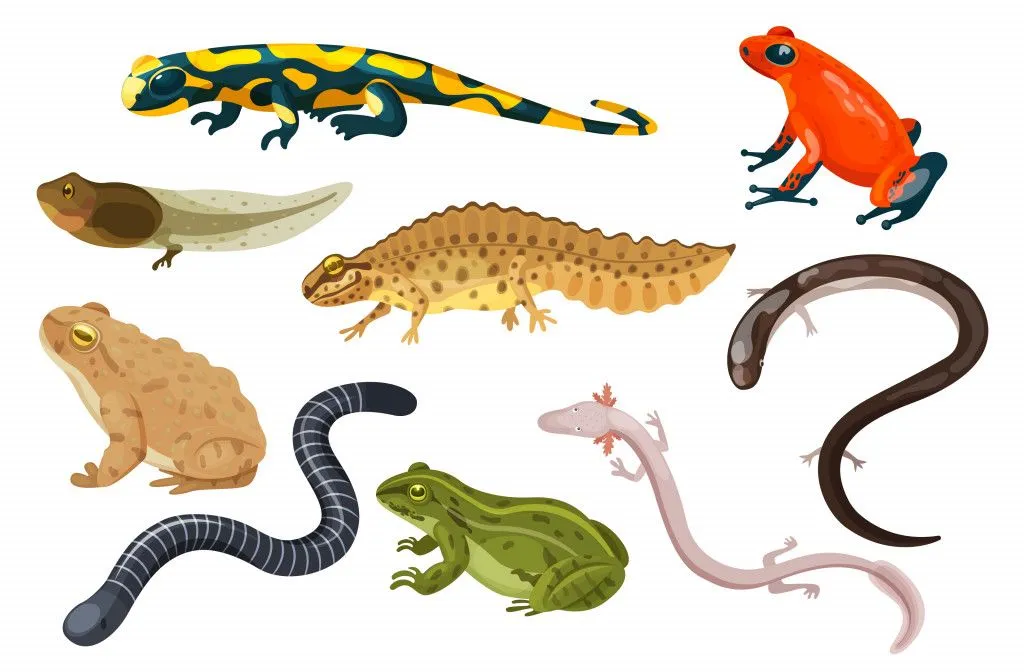
Frogs Are More Important Than You Think
Most people don’t like frogs. They’re slimy, small and jump all over the place. As an ecologist, however, I find them very interesting. They are extremely diverse and have many colorful bodies and wild patterns! But why do frogs matter to those who may not be “wild” about wildlife?
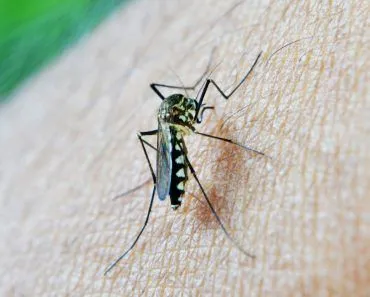
Well, have you ever been annoyed by mosquitoes? Or perhaps a lot of flies sitting on your food? Well, frogs can be your friends in this case. Frogs are control agents. Control agents are certain species of plants and animals that help control pests. Frogs control pests by eating them, often using their extendable tongues!
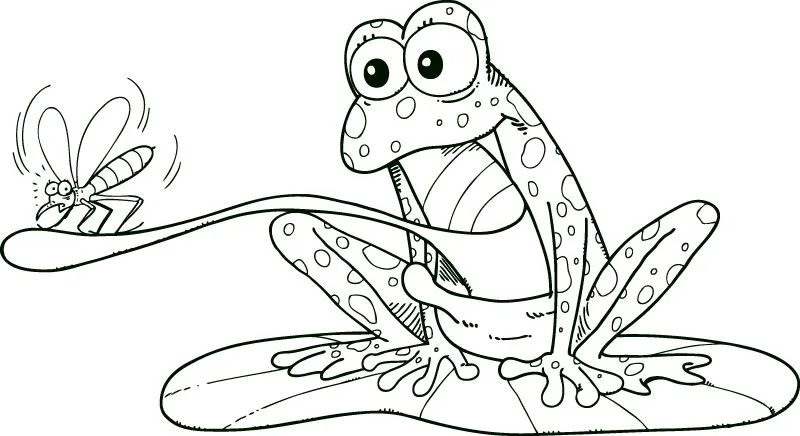
Frogs help control pests, which helps humans in two ways. Firstly, at a personal level, frogs control the populations of mosquitoes and flies. Their presence helps bring us relief from these pesky pests, while on a larger scale, they bring down the spread of disease. In fact, it’s not only mosquitoes and flies, but all types of bugs they prey on. Their help with controlling pests benefits both laymen and farmers. When frogs control pests on farms, less of the crop gets eaten by pests.
Frogs In Ecosystems
Frogs are also important mesopredators. What exactly is a mesopredator? If you imagine a food chain, you mostly see the producers (plants), primary consumers (grasshoppers) and then apex predators (eagles). Eagles don’t eat grasshoppers, but the ones that eat grasshoppers, the animals in the middle, are mesopredators.
Mesopredators are very important in ecosystems, as they act as a critical link in the food chain. In an ecosystem, the grasshopper would be eaten by a frog and then the frog would get eaten by a snake, finally, the snake would be eaten by an eagle. Without mesopredators, there’s no one to eat the grasshopper, which means that the eagles die, there are too many grasshoppers, and the ecosystem collapses.
Why Are They Going Extinct?
When trying to figure out the major reasons for why amphibians are going extinct, scientists discovered six main causes. Of these 6, we understand 3 of these factors very well, but we still have a lot to learn about the other 3.
Habitat Destruction
Amphibians live in very specific habitats, so any change can hugely impact their health. Moreover, frogs migrate between surrounding habitats depending on the season. In the summer they may use grasslands or forests to feed. They will then move towards ponds during the rainy season to lay their eggs.
Damage to one of these habitats or even the areas that connect these habitats will lead to a lot of deaths.
Invasive Species
Invasive species are species from other ecosystems. It’s like putting an African lion on a tiny island of sheep. Invasive species can cause serious harm to native species. If you let a lion loose on a tiny island that has never had lions before, it will end up gobbling a lot of species to extinction.
Lots of invasive species have entered ecosystems around the world, primarily by mistake, but sometimes on purpose. Unfortunately, this has led to the destruction of many species. Amphibians, which are extremely vulnerable creatures, have unfortunately been affected the most.
Animal Trade
The last well-understood reason is the international animal trade. Lots of animals are a source of food. Some animals are bred on farms, while others are hunted in the wild. Amphibians, especially salamanders, have been victims of this human pursuit. Overhunting and exploitation have led to many species going extinct or becoming endangered.
Conclusion
We have learned a great deal about the harder-to-pin-down causes since this crisis was first recognized. Infectious disease, once a mystery, now has a clear prime suspect: a fungal disease called chytridiomycosis, caused by the chytrid fungus (Batrachochytrium dendrobatidis, or Bd for short). It attacks the skin that amphibians use to breathe and absorb water, and it has been linked to the decline of more than 500 amphibian species, with around 90 driven to extinction. That makes it the most destructive wildlife pathogen ever documented, a true “smoking gun.” A second fungus, Batrachochytrium salamandrivorans (Bsal), now threatens salamanders too.
The other two factors, climate change and pesticides, are also coming into sharper focus. In fact, the 2023 Global Amphibian Assessment found that climate change has become the leading emerging threat, driving 39% of the species that slipped closer to extinction since 2004.
Our ecosystems without amphibians could collapse. Today, roughly two of every five amphibian species are at risk of extinction, about 41% to be precise, and the figure is around 39% for frogs and toads alone. Understanding the causes of this mass extinction and finding out how to counter it is of critical importance for the survival of this planet and its diverse forms of life.
References (click to expand)
- Bishop, P. J., Angulo, A., Lewis, J. P., Moore, R. D., Rabb, G. B., & Moreno, J. G. (2012). The Amphibian Extinction Crisis-what will it take to put the action into the Amphibian Conservation Action Plan?. SAPI EN. S. Surveys and Perspectives Integrating Environment and Society, (5.2).
- Pimm, S. L., Jones, H. L., & Diamond, J. (1988, December). On the Risk of Extinction. The American Naturalist. University of Chicago Press.
- Importance of Amphibians - USGS ARMI. The United States Geological Survey
- Collins, J. P., & Storfer, A. (2003, March). Global amphibian declines: sorting the hypotheses. Diversity Distributions. Wiley.
- IUCN Red List of Threatened Species. The International Union for Conservation of Nature
- Luedtke, J. A., et al. (2023). Ongoing declines for the world's amphibians in the face of emerging threats. Nature.
- Scheele, B. C., et al. (2019). Amphibian fungal panzootic causes catastrophic and ongoing loss of biodiversity. Science.