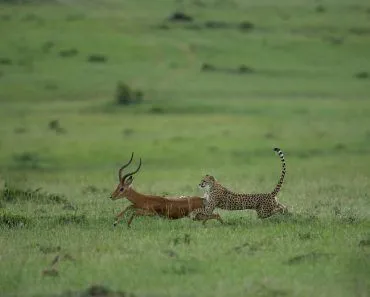
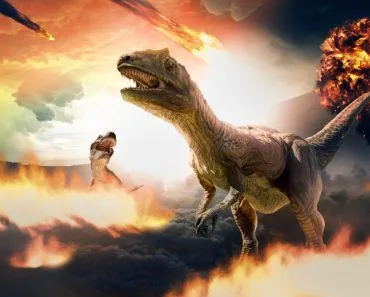
Species in a community sometimes help and sometimes harm one another. Ecologists group these interactions into six main types: competition, predation (including herbivory), mutualism, commensalism, parasitism, and amensalism. Together they shape food webs, control population sizes, and keep ecosystems running.
Humans aren’t the only organisms that live together in communities. Just like us, different plant and animal species also live in communities in the wild, and just like us, they interact with one another in varying ways!
Ecological Community
In any habitat, one will find different species living together. These species and their populations form what is known as an ecological community.
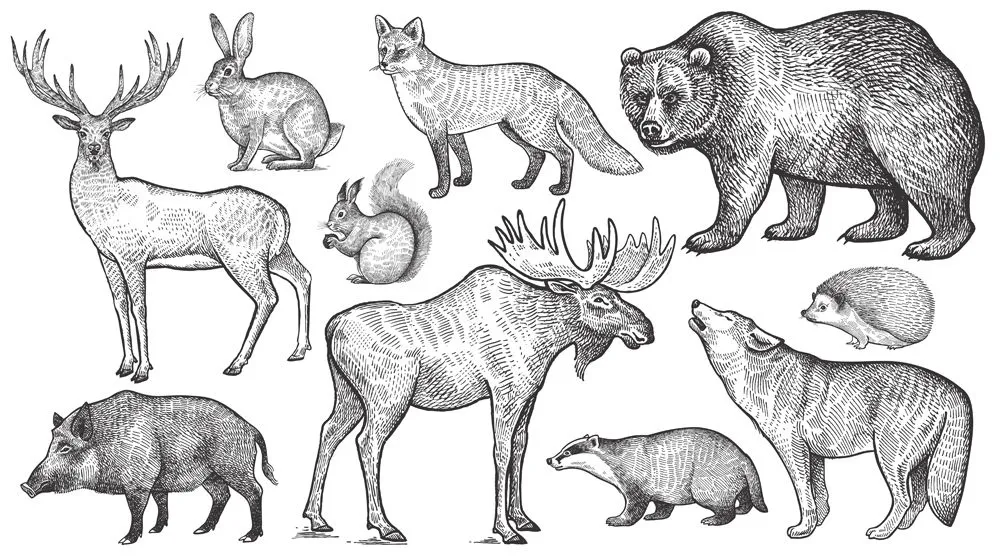
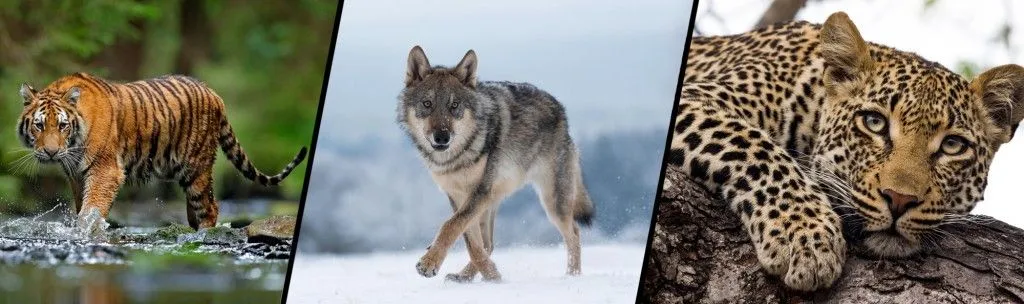
For instance, imagine a forest ecosystem. Think of all the different species living together—the tigers, the deer, the earthworms, the bacteria found in the soil, the birds, the caterpillars and everything in between. Each of these species is vital for this ecosystem to thrive. More importantly, their interactions with one another help in the maintenance and functioning of the ecosystem.
Why Are Interactions Between Species So Important?
Species interactions are crucial for the maintenance and functioning of several ecosystem services and processes. In any ecosystem, each species consumes numerous resources, while also being a resource itself for other consumers. Such interactions help maintain food webs, without which numerous animals would die from starvation.
Species interactions also help ecosystems maintain their carrying capacity (the number of individuals a habitat can support without degrading) by controlling wildlife populations. This is especially important, as resources are often limited in ecosystems and uncontrolled population increases could cause a reduction in the food supply.
What Are The Different Types Of Interactions?
Broadly speaking, two types of interactions occur in communities:
(i) inter-specific—where interactions occur between two or more species;
(ii) intra-specific—where interactions occur between individuals of the same species.
Now, let’s take a look at the more specific types of interactions that occur within communities.
Competition
Competition occurs when two or more different species are dependent on the same resource, which is often limited in its availability or supply. As a result, species must compete with one another to survive, which negatively affects both species, especially when resources are scarce.
For example, a study found that invasive Argentine ants (Linepithema humile) and native ant species in California compete with one another for food. Researchers observed that the Argentine ants were better at exploiting food resources and often fought with native ants when they stumbled upon the same foraging grounds. Argentine ants also prevented native species from establishing new colonies by preying on the native ant queens.
Predation And Herbivory
Predation is the process by which one animal—the predator—kills and eats another animal—the prey. This interaction is beneficial for the predator, as it provides energy that helps prolong the life of the individual, but it is obviously detrimental for the prey that is consumed. Predation helps keep populations under control by not allowing certain species (prey) to increase in ecosystems.
In this regard, killer whales (Orcinus orca) are an excellent example of predators. This species is known to prey on almost all marine mammals (except manatees and river dolphins), including at least 20 cetacean species and 14 pinniped species.
Interestingly, predation is not limited to animals, but also extends to plants, the most famous being the pitcher plant. Pitcher plants are carnivorous. Their leaves are modified and have a deep cavity that is filled with digestive liquid. Small foraging insects, such as flies, get attracted to this cavity and enter it, without knowing that the rim of the plant is slippery. This causes the insect to fall down the cavity, eventually drowning in the liquid.
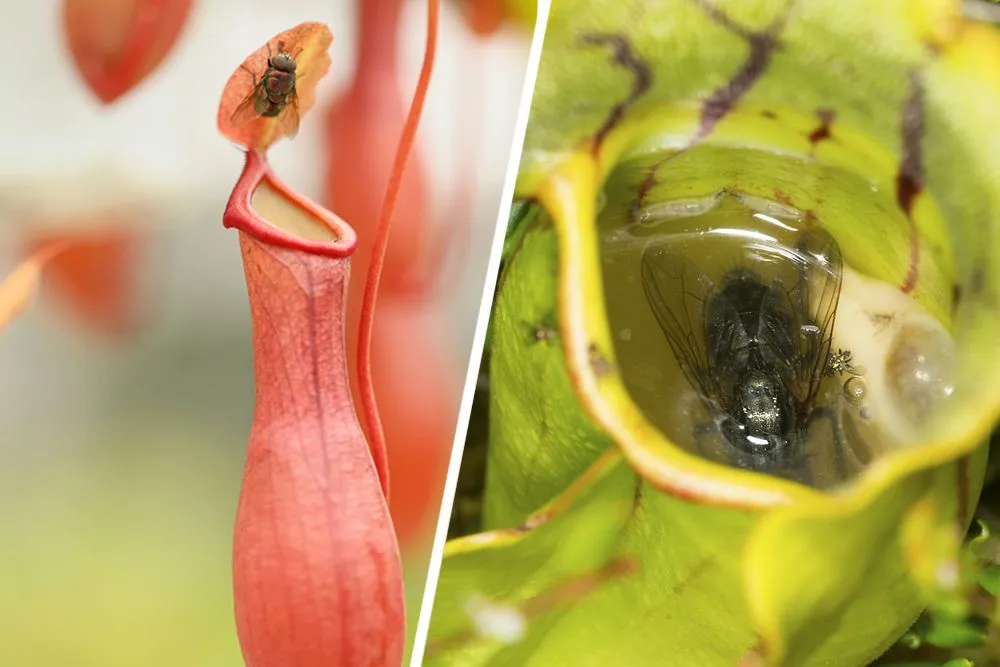
Pitcher plants prey on a number of organisms. For instance, an experiment found that one species of pitcher plants (Nepenthes rafflesiana) preyed on a wide range of arthropods, including three classes (insects, arachnids and Chilopoda) and 15 orders.
Similarly, herbivory is also a form of predation; the only difference being that the prey is a plant. For instance, several different bird, mammal, beetle and wasp species forage on eucalypt trees in Australia.
Symbiosis Or Symbiotic Interactions
Symbiosis is a broad term used to describe interactions that occur between two or more species that live together and directly come in contact with each other over long periods. This term usually refers to three specific interactions: commensalism, mutualism, and parasitism.
Commensalism
Commensalism occurs when two species have long-standing interactions with each other wherein one is benefited, while the other is not (typically) positively or negatively affected. A good example is Staphylococcus aureus, a gram-positive bacterium that colonizes the nasal passages of roughly 30% of healthy people without causing any harm. (It is technically a commensal-turned-opportunistic-pathogen, since the same microbe can cause severe infections if host defenses are breached.) A cleaner textbook example is the Remora fish, which hitchhikes on sharks and feeds on their leftover scraps without bothering the shark.
Mutualism
Mutualism is when both species benefit from their interactions with one another. For instance, fungi and leaf cutter ants share a mutualistic relationship. Worker leafcutters chew up leaf fragments to feed a single fungal partner (Leucoagaricus gongylophorus), which they cultivate in underground gardens. In return, the fungus produces nutrient-rich swollen hyphal tips called gongylidia, which the workers harvest and feed to the colony’s larvae. Neither species can survive without the other.
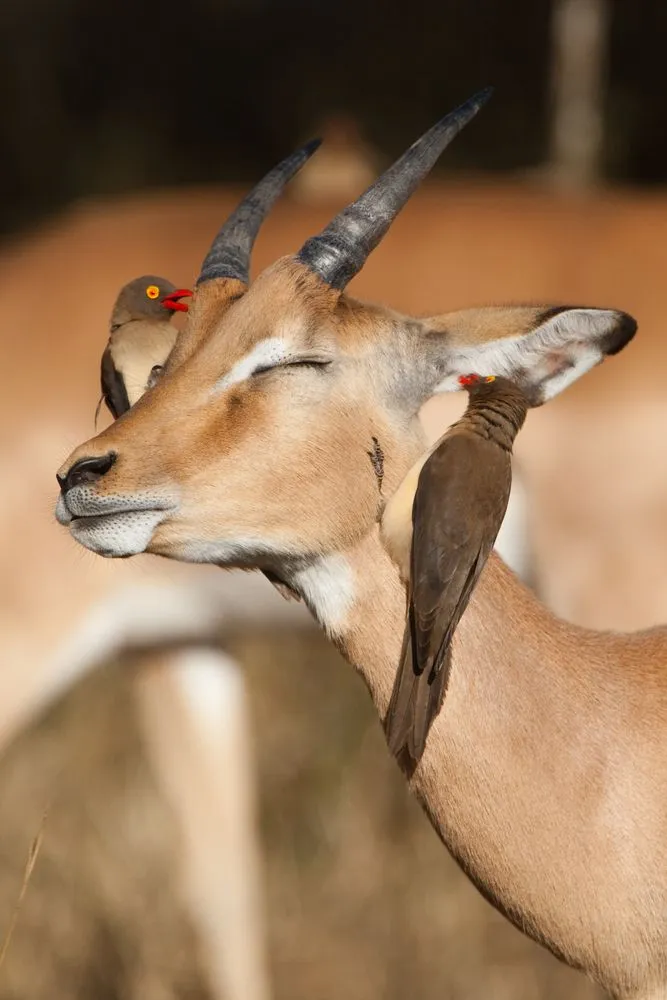
One caveat: a long-running debate in ecology asks whether oxpeckers are pure mutualists. Some studies suggest they also feed on blood from open wounds and may slow healing, hinting that the relationship is at least partly parasitic. Nature, it turns out, rarely fits neatly into a single category.
Parasitism
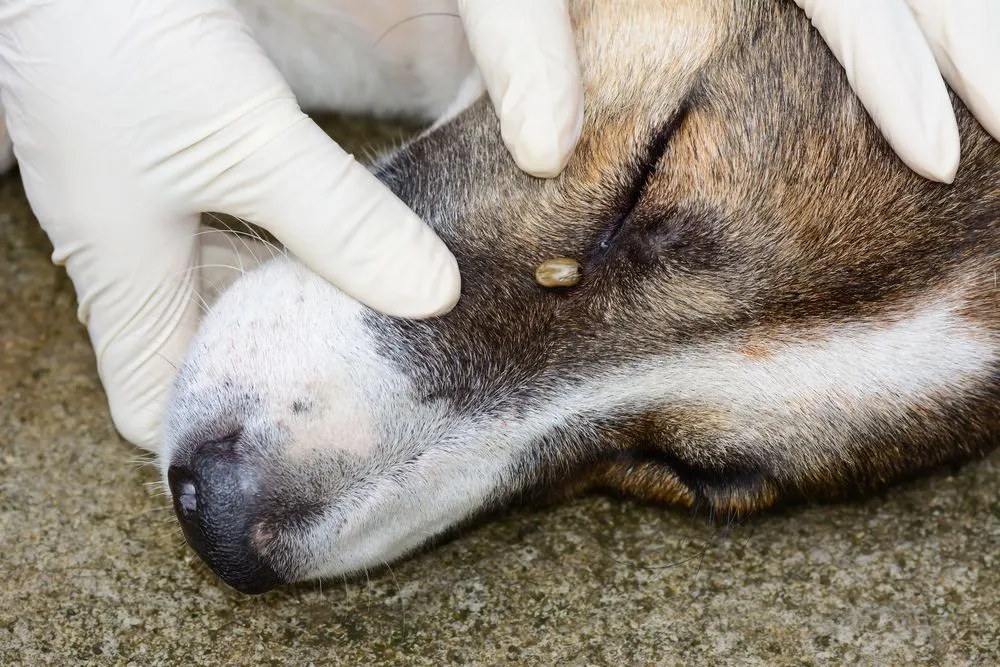
In parasitic interactions, one individual (the parasite) benefits, while the other (the host) is harmed. A good example here is that of ticks. Ticks (parasites) benefit by latching on to different organisms (including humans) and sucking their blood, while causing discomfort to host.
While they do not kill the host, they can at times cause harm to the host by making them ill.
Amensalism
Amensalism is the often-overlooked relative of the previous categories: one species is harmed, while the other is neither helped nor hurt. The classic example is Penicillium mold, which releases penicillin into its surroundings and inhibits nearby bacteria. The mold itself gains nothing from killing them, yet the bacteria certainly lose out. A more familiar example is a herd of cattle trampling small invertebrates as they graze, doing no good or harm to themselves but plenty of harm to the bugs underfoot. Some textbooks also list neutralism (where two species share a habitat but have effectively no effect on each other), although in practice almost no interaction is truly neutral when studied closely.
As you can see, several different types of interaction occur in the wild, some of which are beneficial, while others are harmful. So if a student ever sees the multiple-choice question "How do the species in a community affect one another?", the honest answer is: they sometimes help and sometimes harm one another – and often do both at once. While these interactions help to maintain ecosystems, they are often difficult to measure and study, as they are so deeply interwoven and develop over the course of countless generations!
References (click to expand)
- Human, K. G., & Gordon, D. M. (1996, February). Exploitation and interference competition between the invasive Argentine ant, Linepithema humile, and native ant species. Oecologia. Springer Science and Business Media LLC.
- JEFFERSON, T. A., STACEY, P. J., & BAIRD, R. W. (1991, December). A review of Killer Whale interactions with other marine mammals: predation to co-existence. Mammal Review. Wiley.
- Moran, J. A. (1996, August). Pitcher Dimorphism, Prey Composition and the Mechanisms of Prey Attraction in the Pitcher Plant Nepenthes Rafflesiana in Borneo. The Journal of Ecology. JSTOR.
- Williams J.,& Woinarski J. (1997). Eucalypt Ecology: Individuals to Ecosystems. Cambridge University Press
- Peres, A. G., & Madrenas, J. (2013, May). The broad landscape of immune interactions with Staphylococcus aureus: From commensalism to lethal infections. Burns. Elsevier BV.
- Species Interactions and Competition - Nature. Nature
- De Fine Licht, H.H. et al. (2014). The leaf-cutter ant – fungus symbiosis: gongylidia and the fungal cultivar. Nature Communications.
- Nunn, C.L. et al. (2011). The evolution of oxpecker-ungulate associations. Evolution.