An extinct species has died out completely, with no living members left anywhere on Earth, so it can never come back. An endangered species still survives but faces a high risk of extinction in the wild, which is why conservationists race to protect it before it disappears.
Imagine walking in the park and hearing no birds chirp. Or picture your child asking why they can never see a particular animal that existed when you were young. From the burning of the Amazon to a warming climate, the pressures pushing wildlife toward that reality keep mounting.
Extinction means that a particular species has been completely wiped out from the planet. It is an irreversible kind of damage, since not even a single male and female remain to reproduce. Endangered, on the other hand, means that a species is sliding toward extinction but is not there yet. Because of climate change and human activities that overexploit natural resources, more and more species are becoming endangered.
What Are The Reasons For Extinction? Are We The Only Ones To Blame?
We can relieve ourselves of some guilt. We certainly did not cause the extinction of the dinosaurs, simply because we weren’t present. With that in mind, what are the other causes apart from humans that can drive an entire species to extinction? The earth has always been changing. Hundreds of millions of years ago, much of the planet was repeatedly locked under ice during long Ice Ages.
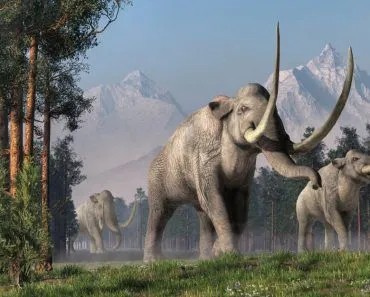
When the planet started growing warmer due to the melting of glaciers, many species could not adapt to a warmer climate and became extinct. Certain natural disasters like volcanic eruptions, tsunamis, wildfires and earthquakes cause the extinction of native inhabitants who are not present anywhere else in the world. Therefore, the extinction of the Woolly Mammoth and the Saber-toothed tiger was due to nature, rather than humans.

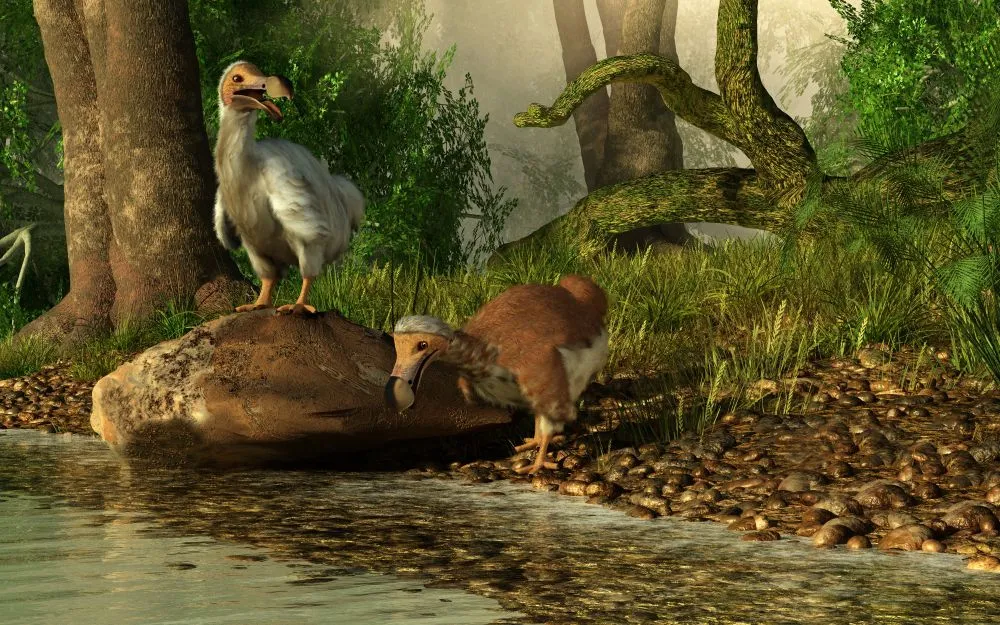
However, we are responsible for the extinction of passenger pigeons, dodo birds, the great auk, western African black rhinoceros, Pyrenean Ibex, Tasmanian tigers and many, many more. All the above-mentioned species have become extinct due to illegal hunting and poaching, pollution, destroying their habitats for farming and killing them for meat. Pesticides not only pollute the soil, but also affect the entire animal kingdom, from aquatic animals to birds. Due to DDT being used by farmers, bald eagles were eating fish polluted by this pesticide and dying, for example.
Another reason for extinction can be damaging intricate ecosystems by introducing new species in the environment and harming the existence of others. Such species, when introduced to a new environment, thrive so well that they force the native species towards extinction by hunting them. This brings us to another explanation for extinction: ‘survival of the fittest’.
What Is Survival Of The Fittest?
The phrase was actually coined by the philosopher Herbert Spencer in 1864, after he read Charles Darwin’s work on the evolution of species. Darwin himself later adopted it as a shorthand for natural selection. Survival of the fittest refers to species that are better adapted to the environment in which they locally thrive. This theory explains why some species naturally become extinct because they could not adapt at the same rate as the changes in their environment. However, this does not mean the literal word that they are the ‘fittest’; these species may not be the strongest or the fastest, but can simply adapt quicker to the immediate changes around them and thrive.
How Do We Categorize Species As Endangered?
Conservationists rank a species using the IUCN Red List, the system the World Wildlife Fund (WWF) and other groups rely on. Every assessed species falls into one of these categories, from safest to most at risk:
- Least concern (Arctic Fox)
- Near Threatened (Plains Bison)
- Vulnerable (African Elephant)
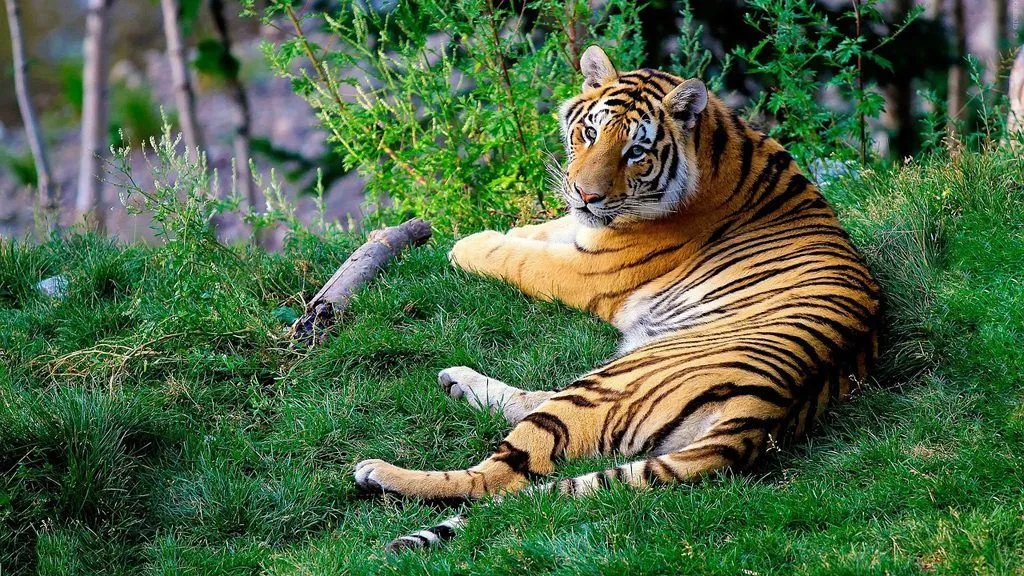
- Endangered (Tigers)
- Critically Endangered (Orangutans)
- Extinct in the wild (Scimitar-horned Oryx)
- Extinct (Pinta Island Tortoise)
- Data Deficient (Orca/Killer Whale) – there isn’t enough information yet to judge how threatened the species is.
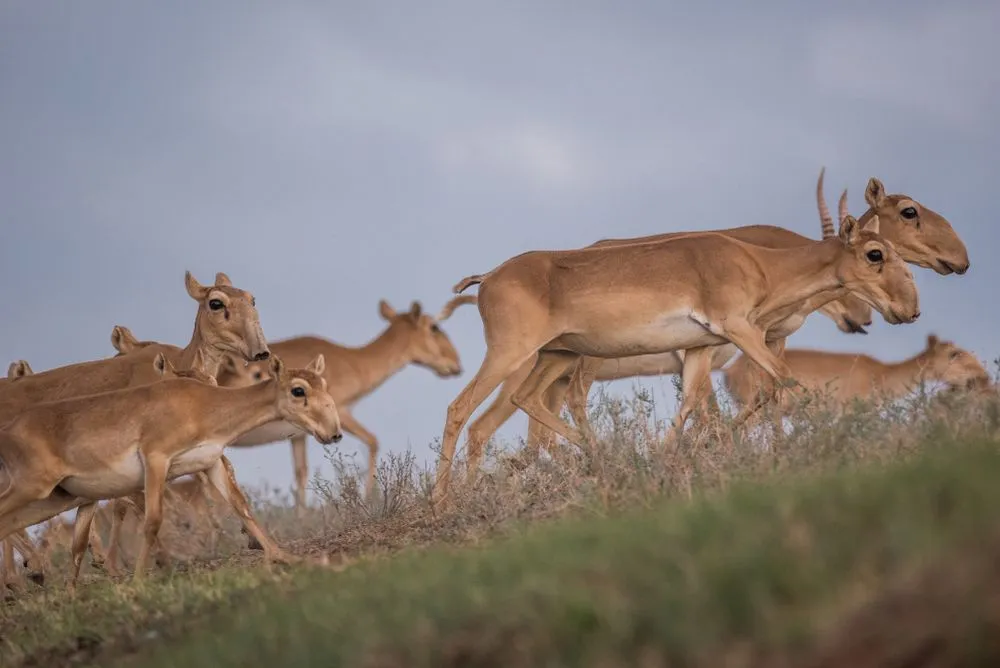
The three threatened categories are defined by how severe the risk is:
- Critically Endangered: facing an extremely high risk of extinction in the wild.
- Endangered: facing a very high risk of extinction in the wild.
- Vulnerable: facing a high risk of extinction in the wild.
Together these make up the Red List. As of 2025, more than 169,000 species had been assessed and over 47,000 of them are threatened with extinction. That includes 41% of amphibians, 37% of sharks and rays, 36% of reef-building corals, 34% of conifers, 26% of mammals, 21% of reptiles and 12% of birds.
The Red List is reassessed regularly, and species can be down-listed to a lower-risk category when conservation efforts pay off. India’s ‘Project Tiger’ helped its tiger population climb from around 1,400 in 2006 to roughly 3,700 in the 2022 census, though tigers remain Endangered on the global Red List. The giant panda is a clearer success story: in 2016 it was down-listed from ‘Endangered’ to ‘Vulnerable’ after decades of conservation work in China.
How Will Wildfires In The Amazon Rainforest Impact Species?
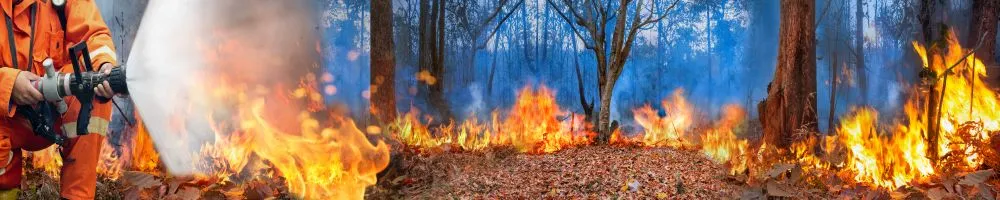
The Amazon rainforest is the largest tropical rainforest in the world. It is often called the ‘lungs of the Earth’, but that nickname is misleading: although the Amazon produces a huge amount of oxygen through photosynthesis, its plants, animals and microbes consume almost all of it again, so its net contribution to the oxygen we breathe is close to zero (not the 20% often quoted). Its real importance lies in its staggering biodiversity and the vast amount of carbon it stores. The Amazon is home to an estimated 2.5 million insect species, 40,000 plant species, 1,300 species of birds, around 3,000 freshwater fish and over 400 mammals. When fires tear through this rich, biodiverse area, they put that wildlife at risk and push more rare species toward extinction.
The headline-grabbing blazes of 2019 were not a one-off. After falling for several years, deforestation in the Brazilian Amazon dropped to its lowest level since 2015 in 2024, yet a record drought that year left the forest so dry that fires surged to their highest number since 2007. Most Amazon fires are deliberately set to clear land, and a hotter, drier climate makes them spread faster and burn larger, a dangerous combination for the species that live there.
We are all aware of the various environmental hazards we have caused, but the species are suffering in silence. It is time to begin the charity at home and take our own small steps to reduce our carbon footprint. Reuse paper, carpool, walk short distances, don’t shoot animals for sport, ban plastics at home… do your own bit in your own way to repay our collective debt to the planet.
References (click to expand)
- Endangered Species.
- Endangered Species. National Geographic Education.
- Learn more about Threatened and Endangered Species.
- What does 'endangered species' mean? WWF.
- What is the difference between a threatened and ....
- What are the differences between endangered, threatened ....
- The IUCN Red List of Threatened Species.
- Why the Amazon rainforest does not really produce 20% of the world's oxygen. National Geographic.