El Niño is a Pacific warming that tilts global weather. If it vanished for a decade, the Pacific would sit in neutral or La Niña conditions, flipping the usual pattern: wetter Australia, Indonesia, and Southeast Asia, drier conditions across the southern United States, and a more active Atlantic hurricane season. A true decade-long absence is very unlikely.
When El Niño shows up, the whole planet feels it.
Expect heavy rainstorms in parts of South America, stormier winters across the West and South of the United States, and harsh droughts in southern Asia, Indonesia, and Australia. El Niño is a natural force that should never be underestimated.
It is also a breathtaking thing to watch. The ocean’s power is on full display as it heats up and reshuffles weather patterns around the globe. The 2023-24 event, for instance, was one of the five strongest on record and helped push 2024 to the hottest year ever measured.
But here’s the flip side. What if El Niño doesn’t occur for a decade? What could we possibly expect?
Let’s find out.
What Exactly Is El Niño?
El Niño is a complex climate phenomenon involving interactions between the ocean and the atmosphere.
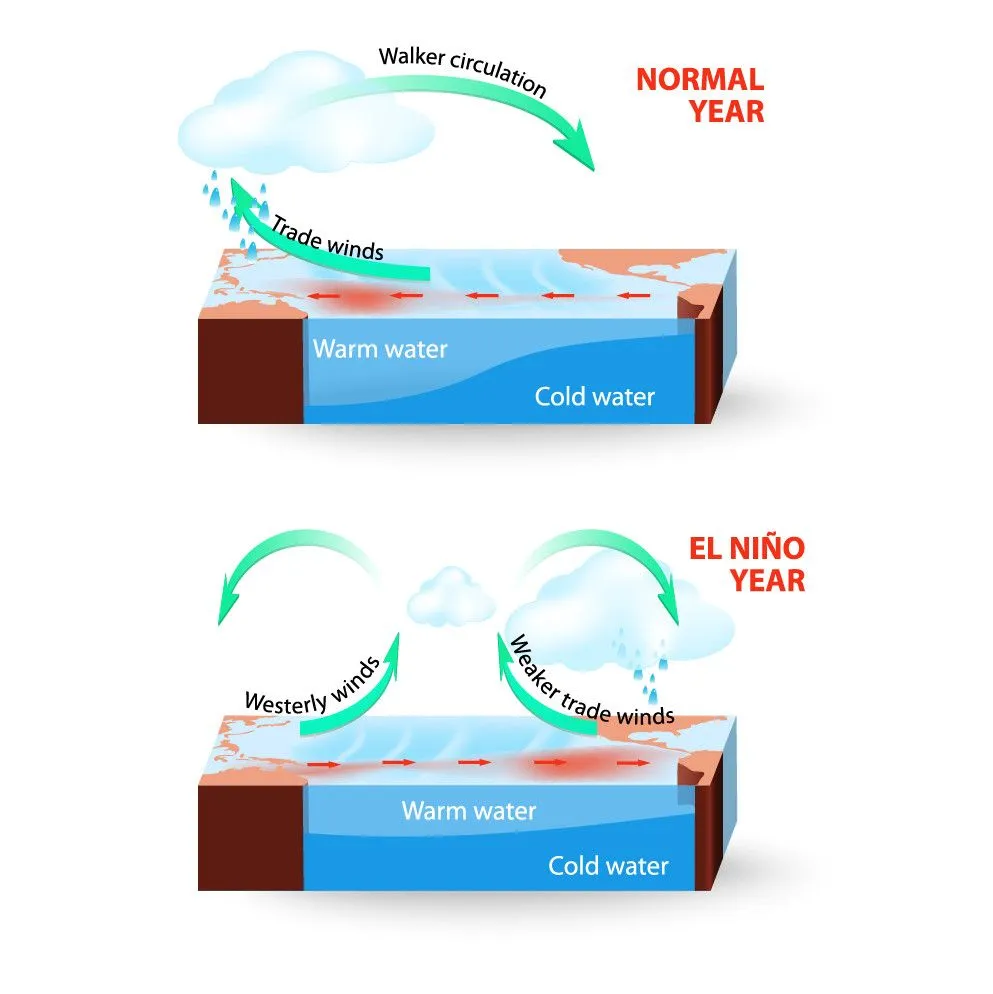
There are winds that blow over the Pacific Ocean from east to west, known as trade winds. When the trade winds weaken, warm water from the western Pacific Ocean begins to migrate eastward. This warm water then accumulates off the coast of South America, raising oceanic temperatures.
The rise in ocean temperature generates a chain reaction of other changes in the atmosphere, which can result in all kinds of bizarre weather patterns.
El Niño is a tug-of-war situation. The trade winds are attempting to pull warm water west, but the warm water is attempting to travel east. When the trade winds weaken, the warm water triumphs and begins to flow east.
The Weather Could Get More Extreme.
Other weather patterns and oceanic phenomena, such as the Indian Ocean Dipole and the Pacific Decadal Oscillation, interact in complex ways with El Niño. The combinations and timing of these components shape the overall climate, generating droughts or severe precipitation in various locations.
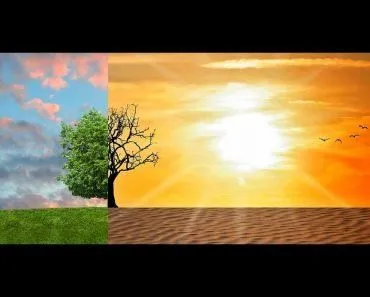
Here’s the key thing to understand: a decade with no El Niño does not mean a decade of calm. It means the Pacific is stuck in neutral or its opposite phase, La Niña. And La Niña does not erase extreme weather, it just shuffles the map. The regions that bake during El Niño would instead get drenched, and the places that flood would dry out.
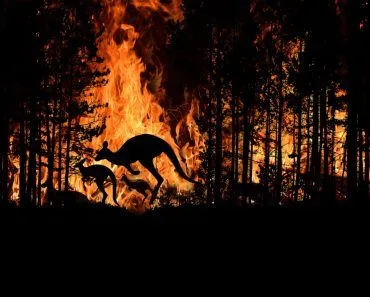
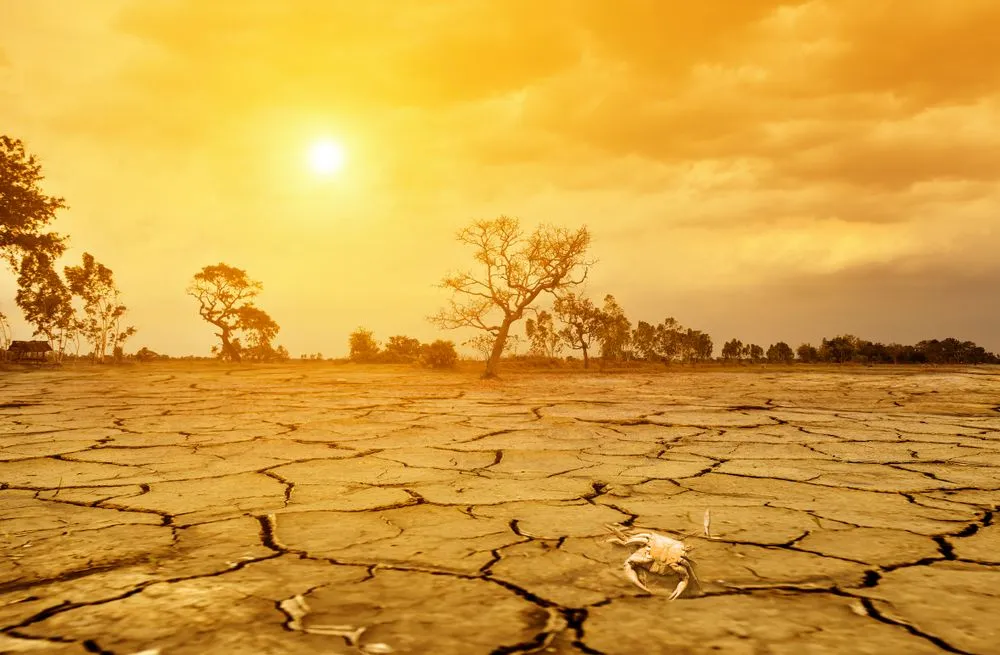
So the dry wrath would shift. Instead of scorching Australia and Indonesia, prolonged La Niña conditions tend to leave the southern United States parched. Picture cracked earth, dwindling water supplies, failed crops, and raging wildfires across the American South. It’s a desert nightmare, just relocated.
But wait… there’s more! Floods take the stage too, this time drenching eastern Australia, Indonesia, and Southeast Asia. Lives are put at stake, properties are submerged, transportation is disrupted, and commerce is thrown into chaos. It’s watery mayhem!
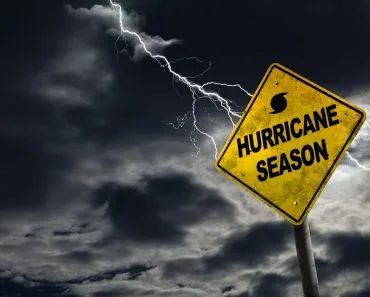
As if that’s not enough, the Atlantic hurricane season would crank up. El Niño normally tamps hurricanes down by ramping up the high-altitude wind shear that shreds storms before they organize. Take El Niño away and that shear relaxes, so a decade without it would likely mean more frequent and more powerful Atlantic hurricanes, wreaking havoc on coastlines and throwing transportation and commerce into disarray. It’s truly a whirlwind of chaos!
The Rain Patterns Could Change Drastically
The rain patterns around the globe would also change drastically if El Niño didn’t occur for a decade.
Consider the consequences: if El Niño never intervenes, parts of South America miss out on those spectacular record-breaking rainfalls, leaving some landscapes drier than usual. Meanwhile, the West and South of the United States would likely face a severe scarcity of those wonderful winter storms that we all secretly enjoy. It’s like missing out on the excitement of a rollercoaster ride!
Now hold on, there’s still more! Southern Asia, Indonesia, and Australia would swing the other way. Under the La Niña conditions that tend to fill an El Niño-shaped gap, these regions usually get wetter, not drier, with repeated soakings that can spill into serious flooding.
So rather than pining for rainy days, they may end up wishing the rain would ease off, much as eastern Australia did during its run of back-to-back La Niña years from 2020 to 2023.
The Global Economy Could Suffer.

ENSO, the El Niño-Southern Oscillation that El Niño belongs to, has a significant impact on agriculture and tourism. So if the Pacific spent a decade locked in La Niña or neutral conditions rather than cycling through El Niño, it could deal a heavy blow to the global economy.
When it comes to agriculture, these shifting rainfall patterns play a pivotal role. Picture this: droughts parching some parts of the world, while others are hammered by torrential floods. That kind of upheaval can lead to crop failures, sending food prices skyrocketing and leaving us with a desperate hunger for food security.
The same shifts know how to rain on the tourism parade. Imagine picturesque destinations being washed away by floods and buried under mudslides. A run of extreme weather is like a sudden roadblock that drives tourists away, causing a nosedive in tourism revenue and giving economies a major case of the blues.
So, what’s the bottom line for the global economy? Brace yourself for a wild twist. A decade with the Pacific stuck on one setting could be disastrous! We’re talking about soaring food prices, a sharp decline in tourism revenue, and economic disruptions that could make our collective heads spin.
In a sense, El Niño is more than just a weather pattern; it’s an economic game changer. The bigger lesson is that the planet relies on the Pacific cycling between its warm and cool phases, and getting stuck on either one for years would ripple through the global economy in unpredictable ways.
So, What Can We Do?
First, a reassuring note: a true decade-long absence of El Niño is very unlikely. The cycle has run for thousands of years, and if anything, most climate models project that El Niño events will become more frequent and more intense as the planet warms, not that they will disappear.
Still, we must continue to study El Niño. To better predict when it will occur and what will follow, we need to keep refining our understanding of how it works.
The second thing we must do is prepare for the worst-case scenario. We need to be ready for extreme weather events and the other knock-on effects that a long stretch without El Niño, or a long stretch of La Niña, could bring.
The third thing we must do is reduce our greenhouse gas output. This is the most effective strategy to mitigate the effects of climate change, which is already loading the dice toward more extreme El Niño and La Niña seasons.
Let’s work together for our planet, for a better climate, a healthier environment, and a brighter future.
References (click to expand)
- June 2023 ENSO update: El Niño is here. NOAA Climate.gov.
- Understanding El Niño & ENSO. National Oceanic and Atmospheric Administration.
- Impacts of El Niño and La Niña on the hurricane season. NOAA Climate.gov.
- Enfield, D. B. (1989). El Niño, past and present. Reviews of Geophysics. American Geophysical Union (AGU).
- Banholzer, S., & Donner, S. (2014, March 28). The influence of different El Niño types on global average temperature. Geophysical Research Letters. American Geophysical Union (AGU).
- Trenberth, K. E., & Hoar, T. J. (1997, December 1). El Niño and climate change. Geophysical Research Letters. American Geophysical Union (AGU).