Table of Contents (click to expand)
- Plant-based Meat
- Examples Of Plant-based Meat
- How Old Is The Concept Of Plant-based Meat?
- How Is Plant-based Meat Made?
- Is Plant-based Meat Healthier?
- Is Growing Plant-based Meat More Environmentally Friendly?
- A Big Issue With Plant-based Meat
- Plant-based Meat vs. Lab-grown Meat: What's The Difference?
- Conclusion
Plant-based meat is made from plant protein (usually soy, pea, or wheat) that is extracted and then heated and forced through a machine so it takes on the fibrous, chewy texture of real meat. Binders, fats, and flavorings are added, and some brands like Impossible Foods add heme to make it taste meaty. It is meatless and usually vegan.
A juicy steak, a grilled cheeseburger, ham and cheese sandwiches, bacon, barbecue ribs, fried chicken or grilled salmon… non-vegetarians have no limit to their options when it comes to having a good meal.
Most would agree that vegetarians aren’t nearly as lucky. Yes, vegetarian food can taste incredible and people definitely have their reasons for being vegetarian, but it can’t be denied that they’re missing out on some tasty food.
Or are they?
With new meat alternatives derived from plants, yet supposedly tasting like the real thing, a whole new buffet section opens up for those who eschew meat! Could this plant-based meat give vegetarian palates a chance to see if the grass is truly meatier on the other side?
Plant-based Meat
Yes, the concept is as simple as it sounds. Plant-based meat refers to meat-like products made entirely from plant materials. They are meant to replace meat without sacrificing the meaty taste and texture that so many people crave.
Examples Of Plant-based Meat
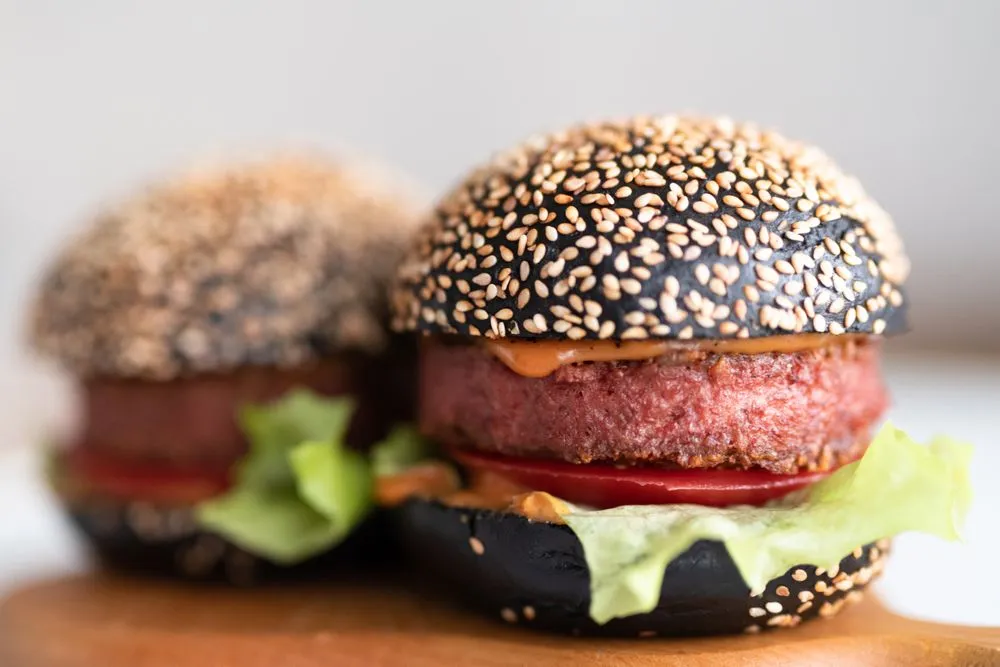
Some traditional examples of plant-based meats are tofu, yuba and tempeh, all of which are derived from soybeans. The modern, engineered kind you see in supermarkets and fast-food chains is a more recent arrival: think Beyond Meat burgers, the Impossible Burger, and Quorn (which is built on a fungus-based protein rather than soy). This food is purely vegetarian, and most of it is vegan. Perhaps you’ve even tried Burger King’s Impossible Whopper!
How Old Is The Concept Of Plant-based Meat?
Plant-based meat is not a recent development; most are actually made from recipes that are centuries old. These recipes were developed predominantly in Asian cultures, but have since been modified for large-scale commercial distribution and allow for a wide range of meat alternatives.
This protein-rich meat comes from various plant types, including legumes, seeds or cereals. Examples of such protein-rich sources are sunflower seeds, soybeans, wheat, peas, lentils, and sugar cane, among others.
How Is Plant-based Meat Made?
The production process can be split into three steps:
- Protein isolation
- Formulation
- Processing
To begin with, proteins are extracted and isolated from the plant source. The big three are soy, pea, and wheat (the wheat one is gluten, also called seitan). The raw protein is purified into a powder and treated so that it mixes well and can be better absorbed by our body.
In the formulation step, food binders, which act like edible glue, are mixed in along with other ingredients like flour, coconut or canola oil for fat, and water. The most common binder is methylcellulose, a plant-derived gum that holds everything together and turns firm when heated, so the patty doesn't fall apart on the grill. Food coloring may also be added to mimic the color of traditional meat. Beetroot juice or tomato extract is a popular choice, while Impossible Foods uses heme (a molecule called soy leghemoglobin, brewed in genetically engineered yeast) to give its burgers a red, "bleeding," meaty taste. This mixture is often fortified with vitamins and minerals such as iron and vitamin B12 to better match the nutrition of real meat.
The last step is more of a physical procedure, wherein the plant-based product is given its meat-like texture and consistency. The protein mixture is pushed through a machine in a process called extrusion, where heat, moisture, and pressure rearrange the loose proteins into long, aligned fibers. That's what gives the final product its chewy, stringy bite; that's why it feels like actual meat when you're biting into a vegan burger!

Is Plant-based Meat Healthier?
Research shows that meat consumption is important for gaining protein and essential vitamins in your diet, but too much of it, especially red meat, also has its downsides.
The honest answer is: it depends, and "healthier" doesn't mean the same as "health food." Plant-based meat has no dietary cholesterol (cholesterol only comes from animal products) and usually less saturated fat than beef, around 2 grams per serving in many products. A 2024 review of clinical trials found that swapping conventional meat for plant-based versions modestly lowered total and LDL ("bad") cholesterol, which is good news for your heart. It also tends to be higher in fiber, something you'll never find in a steak.

Plant-based meat does deliver the essential amino acids needed to build our muscle proteins, though a typical patty packs slightly less protein than beef (roughly 17 grams per serving versus 20 in beef). If you hit the gym regularly and need to up your protein intake, it can be a solid option, especially when you eat protein from a variety of sources across the day. Many brands also fortify their products with vitamins and minerals.
That said, it isn't a free pass. Most plant-based meats are highly processed, and the big catch is sodium: alternatives average around 660 mg of sodium per 100 grams, roughly ten times the amount in plain beef. So be sure to double-check the nutrition label and ingredient list if you ever buy any for your own meal prep.
Is Growing Plant-based Meat More Environmentally Friendly?
There’s no doubt that raising livestock takes far more resources than growing crops. Cattle farming demands a lot of water and land, and plays a big role in global warming by releasing something that everyone has heard about… greenhouse gases! Cows are a major source of methane, a potent warming gas. And contrary to the popular "cow fart" joke, the vast majority of that methane (around 90 percent) actually comes out as belches, a byproduct of how their multi-chambered stomachs ferment grass.
Plant-based meat is far less demanding on the environment. An independent life-cycle assessment of the Beyond Burger found it generates about 90 percent fewer greenhouse gas emissions, uses 46 percent less energy, and has more than 99 percent less impact on water scarcity and 93 percent less impact on land than a quarter-pound of U.S. beef. With the world hunting for more resource-saving ways to feed a growing population, that's a promising avenue.
The most upsetting part of our modern world (for some people, especially animal lovers) is that billions of animals are slaughtered just to satisfy our appetites. It’s safe to say that plant-based meat won’t be directly damaging animal welfare.
It isn't a zero-impact food, though. Plant-based meat still has a carbon footprint of its own, and a few studies note that the gap narrows when beef is raised on well-managed pasture rather than feedlots. But across the board, swapping a beef patty for a plant-based one is one of the bigger single moves you can make to shrink the footprint of a meal.
A Big Issue With Plant-based Meat
One problem that the plant meat sector faces at the moment is that many consumers don’t buy it because of a lack of familiarity. People find it… strange. And to be fair, they have a point.
The thought of having a grilled burger with a “plant meat” patty sounds bizarre to almost every diehard meat-lover out there. Many people feel that any plant-based meat sounds unnatural, which makes them not trust it or even want to try it.
Many people don’t like the look of plant-based meat, so many companies add natural food colors (mainly from beetroot) to make it look more tempting.
After centuries and millennia of eating meat from animals, it may understandably take some time for people to get used to this radical, albeit more sustainable idea!
This is more than a hunch, and the sales numbers show it. After a boom around 2019 and 2020, U.S. plant-based meat hit a wall. According to the Good Food Institute, U.S. retail sales of plant-based meat and seafood fell to about $1.2 billion in 2024, with dollar sales down roughly 7 percent and units down 11 percent that year. Beyond Meat, one of the category's flagship brands, has reported falling revenue for several years running. Higher prices versus regular meat, plus consumer worry that these products are too "processed," have all weighed on demand.
Plant-based Meat vs. Lab-grown Meat: What’s The Difference?
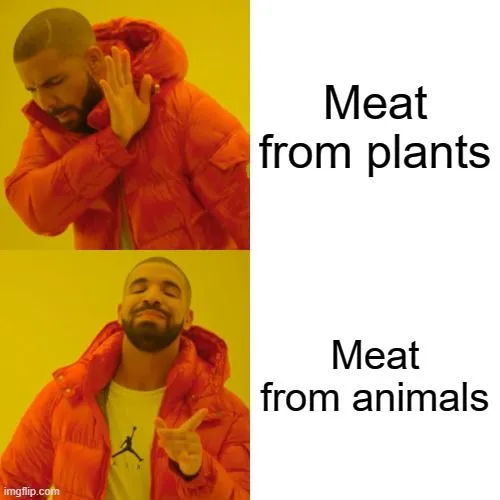
It’s easy to lump these two together, but they are completely different things. Plant-based meat, the subject of this whole article, contains no animal cells at all. It’s built entirely from plants (soy, pea, wheat, and the like) that are engineered to look and taste like meat.
Lab-grown meat, also called cultivated or cell-cultured meat, is the opposite approach: it’s real animal meat, but no animal is slaughtered for it. Scientists take a small sample of animal cells and grow them in large steel tanks called bioreactors, feeding them nutrients until they multiply into actual muscle and fat tissue. In June 2023, U.S. regulators (the FDA and USDA) cleared the first cultivated chicken from companies Upside Foods and Good Meat for sale, a world-first for the country. So if you ever hear "lab-grown meat," remember it’s grown from animal cells, while plant-based meat is grown from plants.
Conclusion
Science has come a long way, and now makes it possible for us to produce nutritious and surprisingly tasty plant-based meat. However, there is always room for improvement. Much can still be done to match the taste and texture of the real thing, and to dial back the sodium and the long ingredient lists. It’s a genuinely hard problem, too, since researchers have identified over 1,000 volatile aroma compounds in cooked meat that combine to create its flavor!
Food scientists are chipping away at it, using better proteins, fermentation, and even gene-edited crops to improve the taste, texture, and color of the next generation of products. The category has cooled off from its hype-fueled peak, but if we want a more sustainable food system, smarter plant-based meat will likely be part of the menu.
References (click to expand)
- Kyriakopoulou, K., Dekkers, B., & van der Goot, A. J. (2019). Plant-Based Meat Analogues. Sustainable Meat Production and Processing. Elsevier.
- Rubio, N. R., Xiang, N., & Kaplan, D. L. (2020, December 8). Plant-based and cell-based approaches to meat production. Nature Communications. Springer Science and Business Media LLC.
- The Science of Plant-Based Meat. The Good Food Institute (GFI).
- The Nutritional Profile of Plant-Based Meat. The Good Food Institute (GFI).
- Analyzing Plant-Based Meat & Seafood Sales. The Good Food Institute (GFI).
- Heller, M. C., & Keoleian, G. A. (2018). Beyond Meat's Beyond Burger Life Cycle Assessment. University of Michigan Center for Sustainable Systems.
- The Science of Cultivated Meat. The Good Food Institute (GFI).