The Maldives will not have fully sunk by 2050, but the nation is already on the brink. With an average elevation of just 1.5 m, IPCC AR6 projections of 0.18–0.23 m of global sea level rise by mid-century, and a record 2024 marine heatwave that wiped out roughly 40% of live coral in central atolls, NASA warns that many low-lying islands could be uninhabitable by 2050. Adaptation, from the raised island of Hulhumalé to the new Malé sea wall, is buying time.
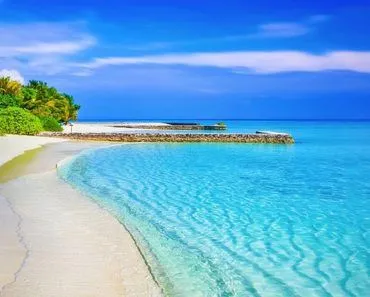
Imagine a tropical paradise in the heart of the Indian Ocean with fine white sand, clear skies, and pristine water to spend your next holiday. For some of you, the Maldives might have already come to mind; it is, after all, a popular tourist destination that draws visitors from all over the world.
But what if we told you that the future of this lovely island nation is uncertain?
The Maldives, a country that is incredibly vulnerable to the effects of climate change, may look very different in 2050 than it does now.
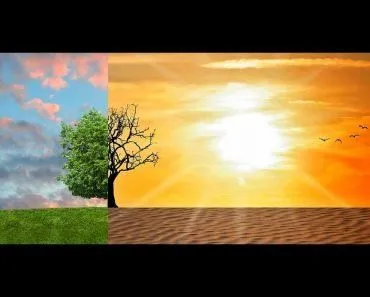
The Maldives has become the poster child for the devastation of climate change. Rising sea levels, ocean acidification, and an increase in the frequency and severity of natural disasters are just a few of the issues confronting this island nation.
It’s an essential story because the Maldives is a microcosm of the global issue of climate change.
The Threat Of Rising Sea Levels On A Low-lying Island Nation
Did you know that the Maldives is also the lowest-lying country in the world?
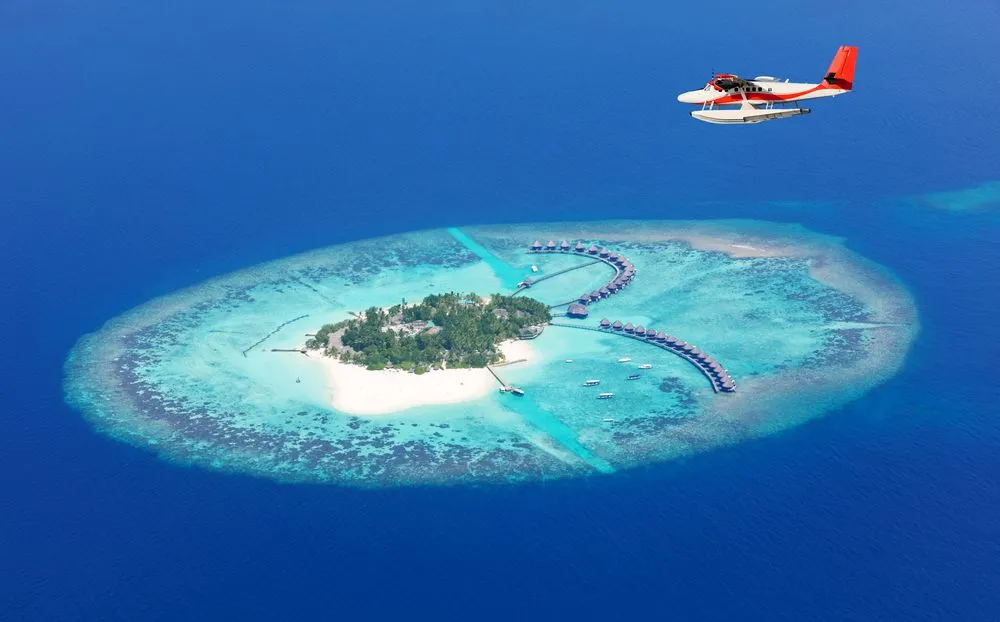
With an average elevation of just 1.5 meters above sea level, the Maldives is particularly vulnerable to the impact of rising sea levels.
The world’s oceans are rising as a result of climate change, which poses a major threat to the Maldives. The low-lying island nation is at risk of being completely submerged, and even a slight rise in sea level could have disastrous consequences. Due to the country’s geography, the vast majority of its landmass is made up of coral reefs and sandbanks, making it particularly vulnerable to the effects of climate change.
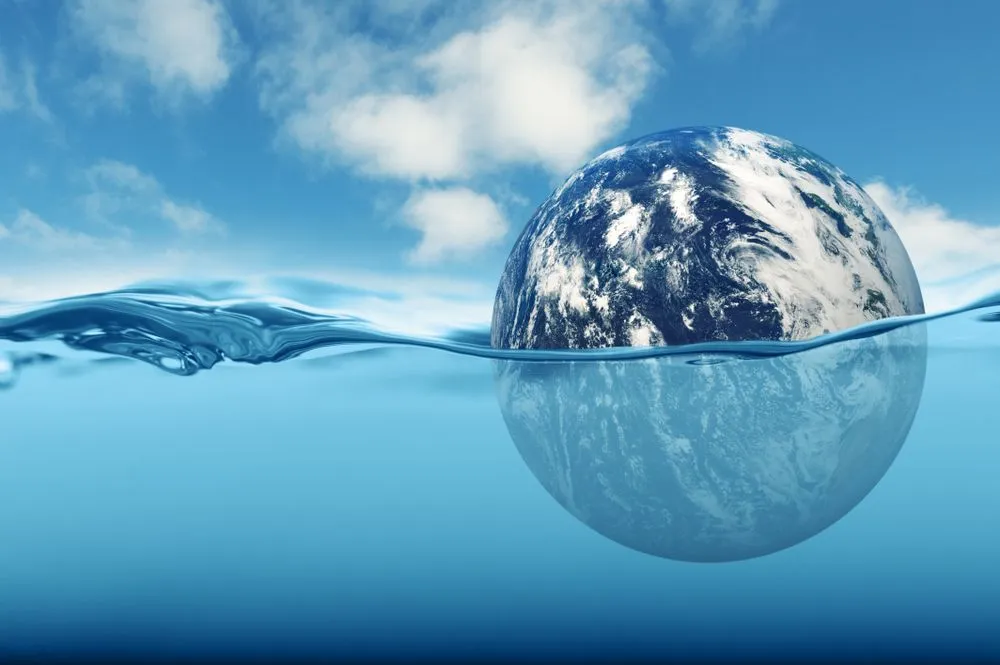
According to the IPCC's Sixth Assessment Report (AR6, 2021), global sea levels are likely to rise by roughly 0.18 to 0.23 m by 2050, with up to 0.5 m possible by 2100 under low-emissions scenarios and considerably more under high-emissions pathways. Even those mid-century numbers are enough to threaten the Maldives, because wave-driven flooding, salt intrusion into freshwater lenses, and storm surges become disabling long before an island is permanently submerged. NASA and U.S. Geological Survey research suggests that, on current trajectories, many low-lying Maldivian islands could be effectively uninhabitable by 2050, well before the sea actually closes over them, leaving the country's resilient people facing relocation.
Extreme Weather Events And Coral Reef Destruction
Climate change is also leading to more frequent and extreme weather events, such as floods, droughts and cyclones. The Maldives is no stranger to these natural disasters and has already experienced devastating floods and storms in recent years.
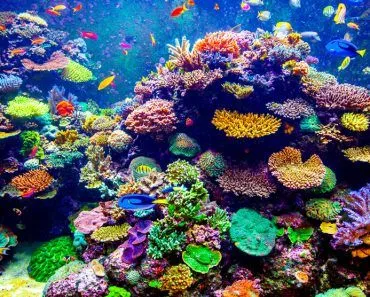
The Maldives has some of the most beautiful coral reefs on the planet. Another threat that these lovely island nations face is the destruction of those coral reefs, which act as natural barriers against coastal erosion. However, these reefs are threatened by rising ocean temperatures and acidification.
That future is already arriving. The 2023–2024 global bleaching event, the fourth on record and the most extensive ever measured, hit the Maldives hard: sea surface temperatures climbed to around 31.5 °C (88.7 °F) and accumulated heat stress exceeded 9 degree-heating-weeks, well above the threshold at which most corals die. Surveys published in Coral Reefs recorded live hard coral cover dropping by more than 40% on average across central atolls, with up to 57% mortality on a single lagoon reef in Ari Atoll, and a sharp loss of the branching Acropora corals that build the most complex, fish-rich reef structures. If the current trend continues, by 2050 the Maldives' coral reefs could be severely or even irreparably damaged, taking marine biodiversity and a key natural breakwater down with them.
Mitigation Efforts By The Maldives Government
The Maldives situation is comparable to that of a ship in rough seas. Despite the challenges, the crew must keep a positive attitude and make efforts to guide the ship to more secure waters. Similar to this, the Maldivian government and the country’s citizens are making significant strides to lessen the effects of climate change and protect their country.
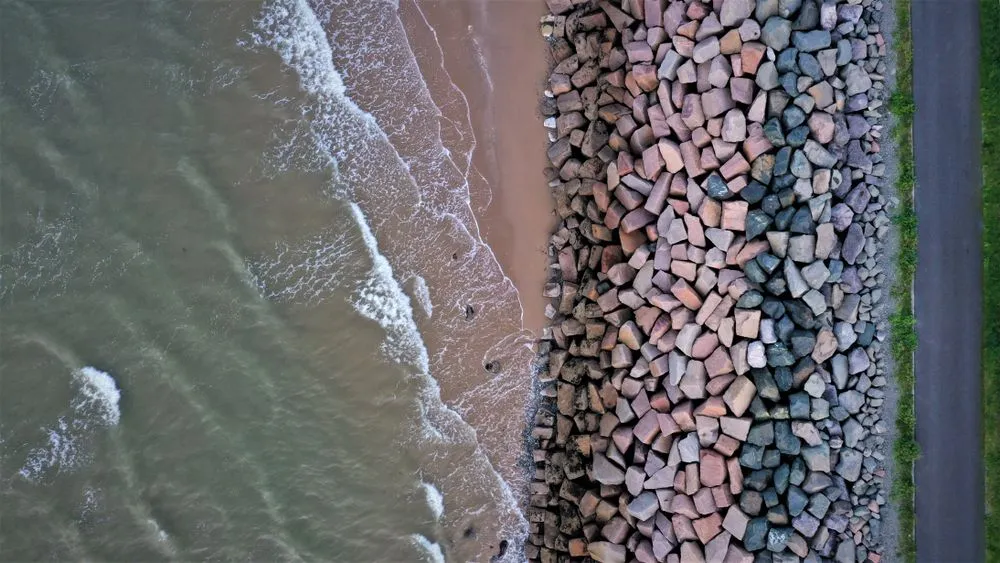
The flagship project is Hulhumalé, an artificial island built up by pumping sand from the seafloor onto a submerged reef next to the capital. Reclamation began in 1997, and the island now stands roughly 2 m above sea level (about twice as high as Malé itself), with sea walls along its perimeter rising about 3 m above the waterline. Hulhumalé already houses more than 50,000 people, and the government plans to grow that to over 200,000 as part of a "City of Hope" designed to outlast the worst-case sea level scenarios. Around Malé, a Japan-funded concrete sea wall encircles the capital, and erosion barriers and reinforced ports have been installed across the outer atolls to blunt storm surges.
On the emissions side, the Maldives submitted its Third Nationally Determined Contribution (NDC 3.0) to the UNFCCC in February 2025, committing to cut 1.52 million tonnes of CO2-equivalent by 2035, conditional on international finance and technology support. The plan leans on scaling up solar and other renewables, electrifying transport, and tightening waste management, building on the earlier conditional target of reducing emissions 26% below business-as-usual by 2030. These efforts are critical to the survival of the Maldives and the creation of a sustainable future for its people.
A Final Word
The Maldives, this stunning tiny island nation in the Indian Ocean, is like the canary in a coal mine—an early warning system for the impacts of climate change. Just as the death of a canary alerts miners to the presence of toxic gases, the Maldives’ plight should alert us to the real-life and immediate dangers of global warming.
Let’s ask ourselves, is it fair to punish the country that contributes the least to global warming first? The Maldives’ future is uncertain, and it is up to all of us to take action. Are you willing to accept Maldivians as refugees as the effects of climate change force them to flee their homes?
We risk ignoring the Maldives at our peril. Think of this as a minor leak in a dam; if we don’t fix it right away, it could lead to a catastrophic failure. The Maldives is a wake-up call that we must act now to protect our planet and ensure a sustainable future for the generations that follow.
References (click to expand)
- Hirsch, E. (2015, November). “It won't be any good to have democracy if we don’t have a country”: Climate change and the politics of synecdoche in the Maldives. Global Environmental Change. Elsevier BV.
- Khan, T. M. A., Quadir, D. A., Murty, T. S., Kabir, A., Aktar, F., & Sarker, M. A. (2002, February). Relative Sea Level Changes in Maldives and Vulnerability of Land Due to Abnormal Coastal Inundation. Marine Geodesy. Informa UK Limited.
- Sovacool, B. K. (2011, November 24). Perceptions of climate change risks and resilient island planning in the Maldives. Mitigation and Adaptation Strategies for Global Change. Springer Science and Business Media LLC.
- Ocean acidification. Tration
- A Shakeela. (2015) Understanding tourism leaders' perceptions of risks from .... Group
- RK Pachauri. (2015) AR5 Synthesis Report - Climate Change 2014. Intergovernmental Panel on Climate Change
- IPCC AR6 Working Group I, Chapter 9: Ocean, Cryosphere and Sea Level Change. Intergovernmental Panel on Climate Change.
- Preparing for Rising Seas in the Maldives. NASA Earth Observatory.
- Outcomes of the fourth global coral bleaching (2023–2024) in the Maldives. Coral Reefs (Springer Nature).
- Maldives' Third Nationally Determined Contribution (NDC 3.0), February 2025. UNFCCC.