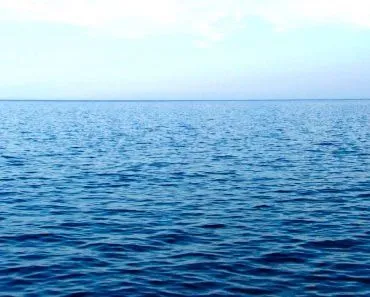
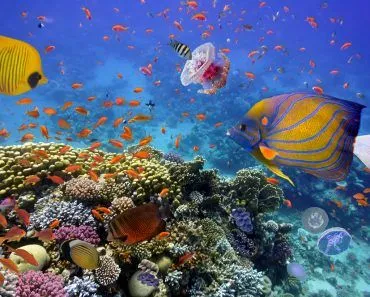
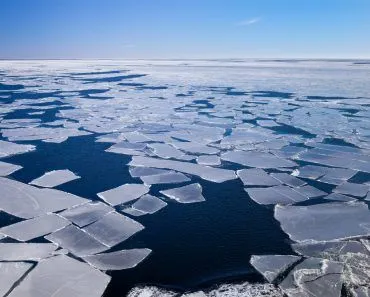
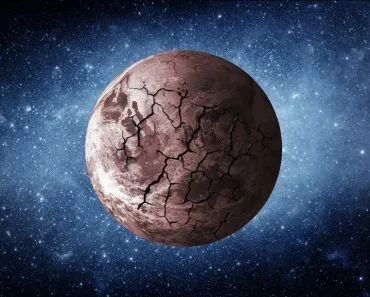
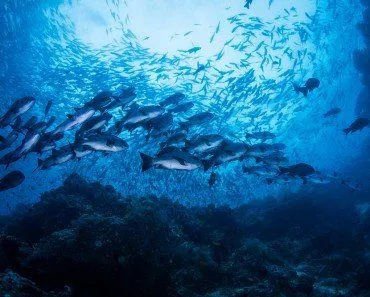
If the oceans suddenly turned freshwater, drinking water would no longer be a problem, but the rest of Earth would unravel fast. Most marine life, which has evolved for high salinity, would die. The thermohaline circulation that drives weather and moves heat between the equator and poles would shut down. Marine phytoplankton, which produce roughly half of Earth's atmospheric oxygen, would collapse along with the climate. In short: a boon for thirst, a catastrophe for life.
What if we didn’t have to worry about global water consumption? What if you could simply shower as much as you wanted? What if being marooned in the middle of the ocean didn’t kill you of thirst? What if a trip to the beach and a trip to the well were one and the same?

A world without salt water would indeed be a boon to humanity, but what would it cost?
The Big Question
To begin with, why are seas and oceans salty?
Well, the chemistry has shifted a lot over time. Zircon evidence from the Jack Hills in Australia suggests that liquid water existed on Earth’s surface by about 4.4 billion years ago, and more recent analyses (2024, Nature Geoscience) argue that fresh, surface water was already present by around 4 billion years ago. Even then it wasn’t pristine, though: volcanic outgassing was already pumping HCl and sulfur compounds into the early atmosphere and oceans.
Yes, a really, really long time ago, much of the water on Earth was relatively fresh!
However, that didn’t last long… the universe imposes its will sooner or later. The climatic cycles began soon after the planet cooled. Whenever it rained, carbon dioxide from the atmosphere dissolved into the falling water, making the rain slightly acidic. As it rained, it caused rocks to erode. From there, rainwater slid towards nearby rivers and streams, carrying along both dissolved and undissolved loose salt and minerals. These runoffs ended up in larger water bodies, namely seas and oceans.
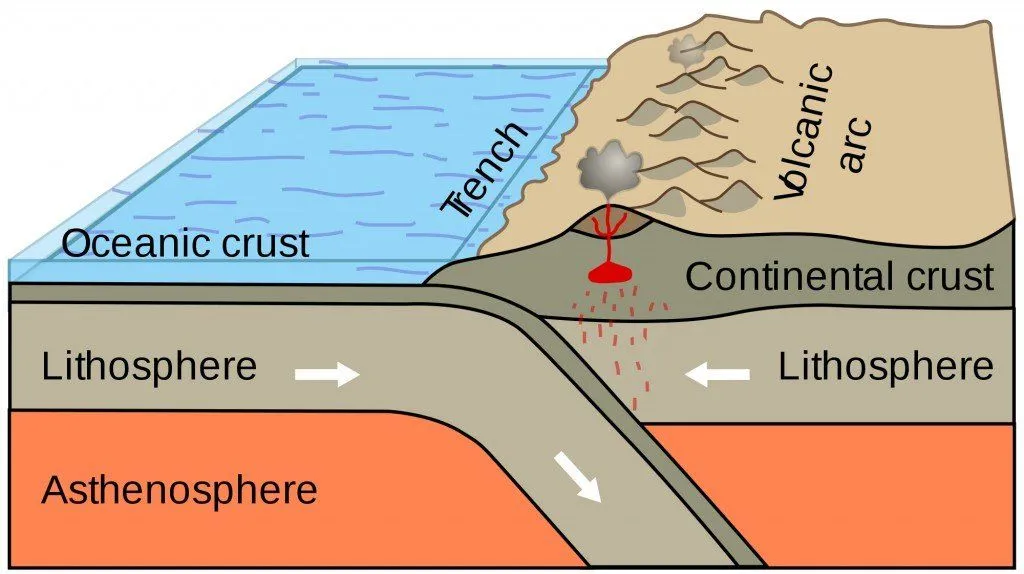
Adding to that, more salt and minerals were expelled from hydrothermal vents and submarine volcanoes. Now, consider that this whole process has been consistently occurring for more than 3.8 billion years! That’s quite a lot of salt, as you can imagine.
In fact, the salt in the oceans is so abundant that when spread across all the landmass on Earth, it would create a single towering layer of salt, 40 stories tall!
No wonder 97% of the world waters are saline…
Freshwater Oceans: Boon Or Curse?
The freshwater squeeze is real, although the numbers are subtler than “double every 20 years”. UN-Water and UNESCO’s World Water Development Report 2024 estimate that about 2.2 billion people still lack safely managed drinking water and roughly 4 billion face severe water scarcity for at least one month a year. With statistics like those, the idea of freshwater oceans doesn’t sound like a privilege so much as a desperate necessity.
However, an ocean without salt would decimate marine life and affect our global temperature and weather dramatically, making human life on Earth incredibly complicated.
Marine life
The World Register of Marine Species currently lists roughly 250,000 accepted marine species, and a landmark 2011 PLOS Biology study (Mora et al.) estimated that there are likely around 2 million ocean species in total, meaning about 90% of marine biodiversity hasn’t been described yet. If the sea were to become desalinated, we’d likely never get the chance to find those new forms of life.
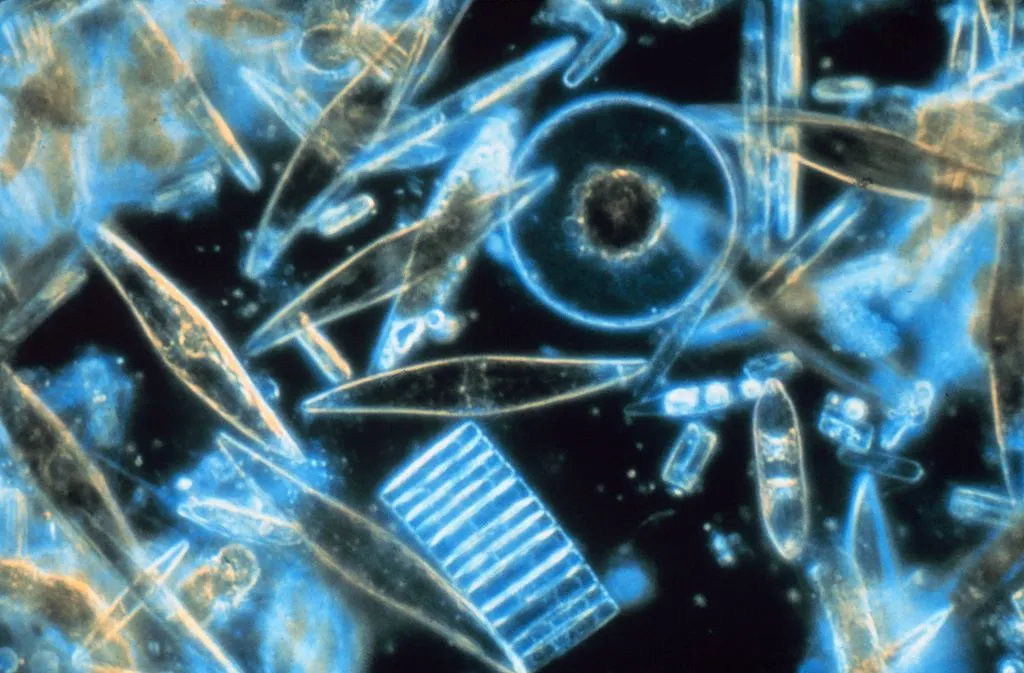
The marine organisms that would be affected most are plankton and phytoplankton, which form the base of all marine life. Saltwater fish have evolved to drink seawater to stay hydrated and pump out the excess salt via their gills. A small minority of fish (salmon, eels, sturgeon, and other diadromous species) can survive in both fresh and saltwater, but they are a tiny fraction of marine biodiversity. At scale, the vast majority of saltwater species would simply perish.
Plant Life
Along with marine animals, marine plant life would also be affected. Underwater algae account for almost half the photosynthesis occurring on this planet!
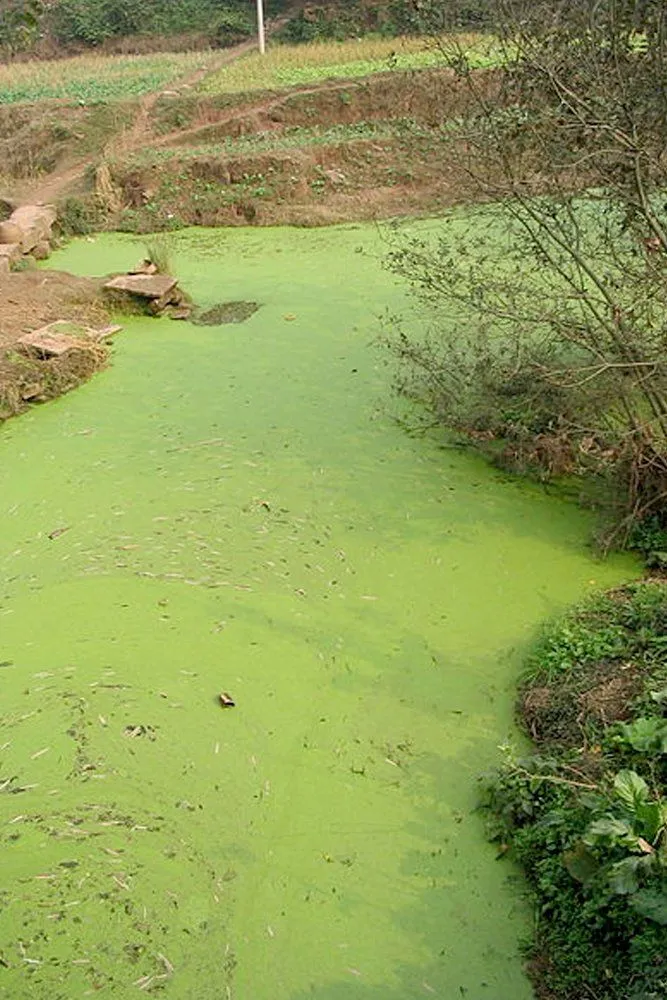
Photosynthesis plays a crucial role in supplying our planet with food and oxygen, namely by converting carbon dioxide from the atmosphere into the essential oxygen required for breathing. Hence, without algae, not only would we get less oxygen, but we would also have a lot more carbon dioxide in our atmosphere!
With significantly less photosynthesis and extremely volatile climatic conditions, our world would no longer support the diverse plant life it has now. The food chain itself would collapse. Most species, including humans, would not survive for long.
World Weather
This escalation of the greenhouse effect would make some parts of the world unbearably hot.
This would be most noticeable at the Equator since our ocean currents would no longer circulate warm water and air currents the way they used to.
The thermohaline (“heat-salt”) circulation works like a slow global conveyor belt. Warm surface water flows from the equator toward the poles, releasing heat into the atmosphere along the way. Near the North Atlantic and around Antarctica, that water cools, and sea-ice formation rejects salt back into the surrounding water (a process called brine rejection). The combination of low temperature and high salinity makes the polar water dense enough to sink kilometers down, where it spreads back across the ocean basins as deep water. It’s salt that gives the cold water its density. Without it, the conveyor belt grinds to a halt.
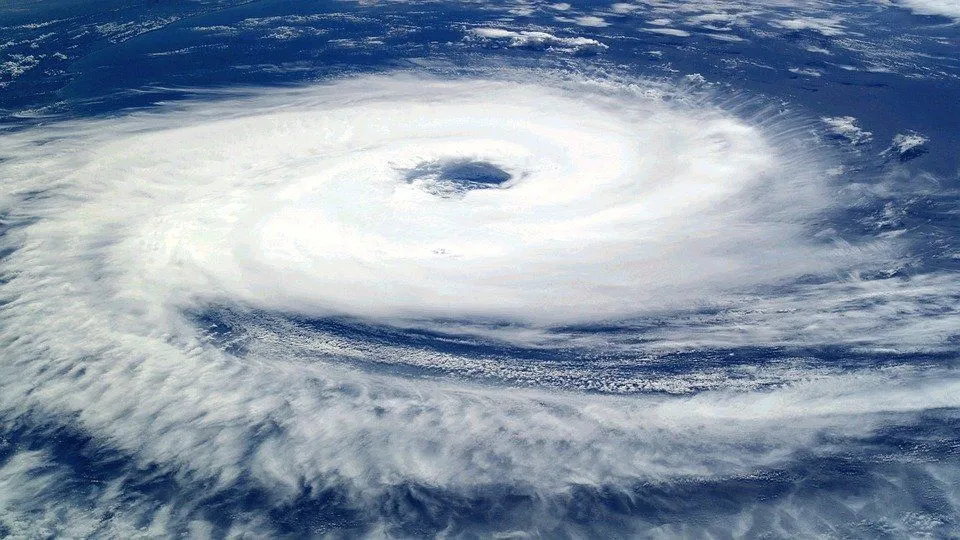
Without salt, this whole balanced and intricate process breaks down. For starters, hurricanes would become much more frequent, and more deadly! Basically, our weather and climate would be astoundingly different from what we experience now! Luckily, you wouldn’t survive long enough to experience the full wrath of global weather. You’d either freeze at the poles or overheat at the Equator, die in a natural disaster, or starve to death since you’d be living in a world with no plant or marine biology.
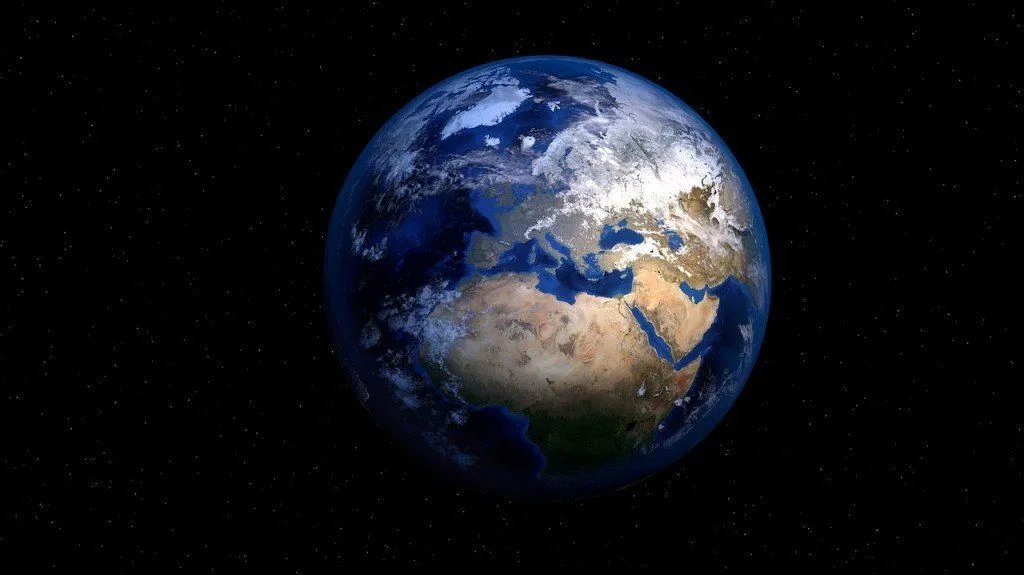
Could We Actually Turn The Oceans Into Freshwater?
Here’s a fun thought experiment before we panic: could we even do it? If freshwater oceans sound so tempting, why not just scoop out all that salt?
The trouble is the sheer scale. About 97% of all the water on Earth sits in the ocean, and each litre of it carries roughly 35 grams of dissolved salt (around 3.5% by weight), according to NOAA. Add it all up and, by the U.S. Geological Survey’s estimate, if you removed every grain of ocean salt and spread it evenly over the land, it would form a layer more than 500 feet (166 meters) thick, about the height of a 40-story office building. That is the mountain of salt you would have to extract and store somewhere.

We do already remove salt from seawater, on a tiny scale, using desalination plants. Most modern plants push seawater through fine membranes at high pressure (a technique called reverse osmosis) to separate the fresh water from the brine. It works beautifully for a single coastal city, but it is energy-hungry and it spits out concentrated, salty brine as a by-product. Scaling that up to drain the entire ocean isn’t just impractical, it’s essentially impossible. And as we’ll see, even if we could, we really shouldn’t. If you’re curious why we can’t simply boil the salt away instead, we’ve covered that in why we can’t just boil seawater to get fresh water.
What If The Oceans Disappeared Entirely?
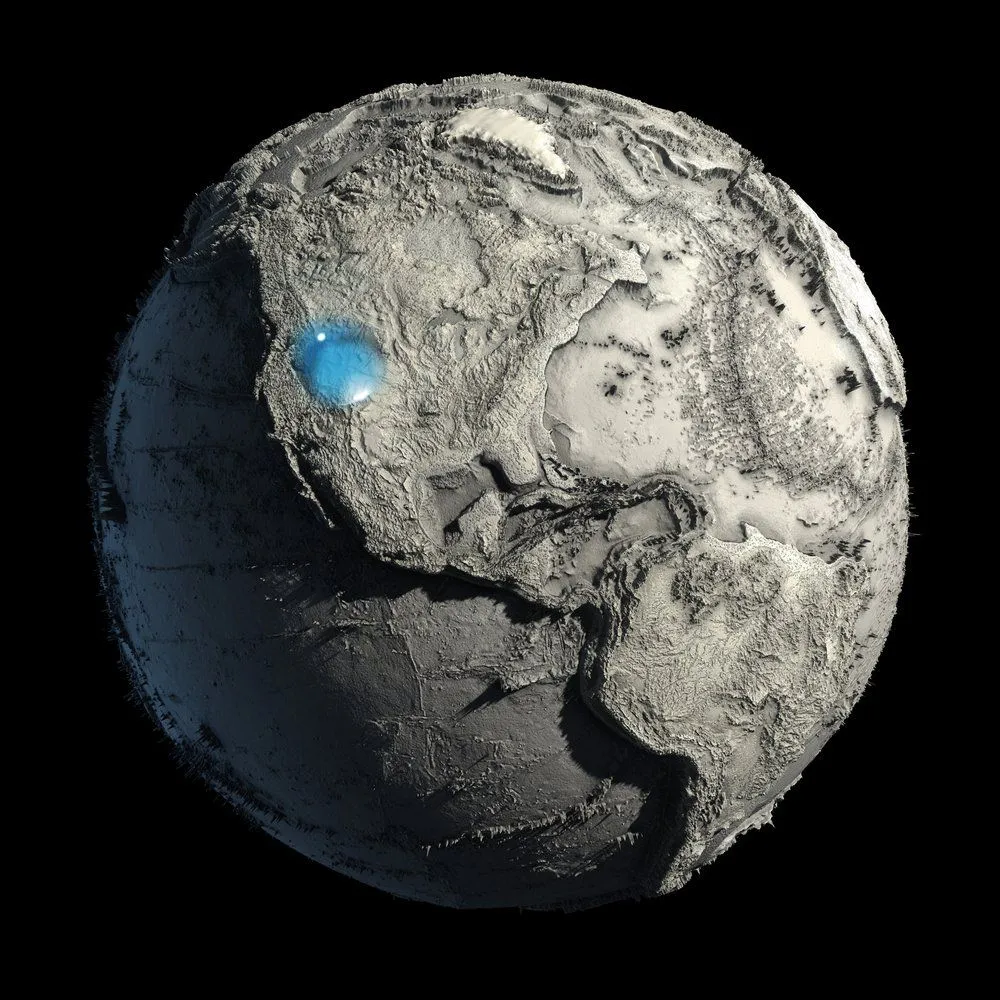
People often ask a closely related “what if”: forget desalting the sea, what would happen if the oceans simply vanished altogether? It turns out that losing the water would be even more catastrophic than losing the salt.

First, the rain would stop. The oceans are the engine of the global water cycle: the U.S. Geological Survey notes that the vast majority of the water evaporating into the atmosphere comes from the sea, and most of that moisture rains straight back down onto the ocean. Roughly only a tenth of it drifts over land to fall as rain and snow. Take the oceans away and you switch off the planet’s biggest source of atmospheric moisture, so continents would quickly dry into deserts.
Second, the climate would lurch to extremes. The ocean is a colossal heat sponge. NASA and NOAA estimate it has soaked up about 90% of the excess heat trapped by human-driven global warming, and it also absorbs a large share of our carbon dioxide emissions. Without that buffer, days would scorch and nights would plunge, much like the wild temperature swings on an airless world. The greenhouse warming we currently feel would have hit far harder and far faster. So whether the oceans turn fresh or disappear completely, the lesson is the same: the salty sea is quietly holding the whole system together.
Conclusion
It’s quite funny if you think about it… all we desire is a world without a water crisis, where freshwater is as abundant as grains of sand. However, now that you know what the consequences of such a saline shift might be, you might not be so quick to beg for the end of saltwater.
Nature creates every living and non-living entity in a convoluted balance. A mismatch here, an accident there, and you’re doomed to drown in the perils of unbalance. It would be better for all of humankind to focus their resources and intellect on conserving and preserving what little fresh and consumable water we have left.
References (click to expand)
- Why is the sea salty?. The University of Texas at Dallas
- Saltwater vs Freshwater - Royal Society of New Zealand. The Royal Society Te Apārangi
- Comparing the properties of fresh and salt water. msnucleus.org
- Negative Effects of Desalination - EcoMENA. ecomena.org
- Why is the ocean salty?. U.S. Geological Survey
- How much water is in the ocean?. NOAA National Ocean Service
- Oceans and Seas and the Water Cycle. U.S. Geological Survey
- Climate Change: Ocean Heat Content. NOAA Climate.gov
- The Ocean and Climate Change. NASA Science