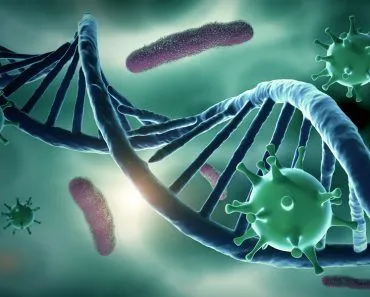
Biofertilizers are better for the soil than chemical fertilizers because they use living microbes (such as nitrogen-fixing and phosphate-solubilizing bacteria) to supply nutrients without polluting water or degrading soil. Unlike synthetic fertilizers, they add no excess salts, improve soil microbial life, and can boost drought tolerance, though they act more slowly and supplement rather than fully replace chemical inputs.
Who would you choose to live next to? A friend who shares delicious food or a bad guy who snatches your food? The answer should be clear. Just like you and me, plants love the company of good friends. Biofertilizers are these “good guys” that provide plants with a healthy soil environment. These conditions enable them to get proper nutrition and grow well.
So, let’s dive in to understand what makes biofertilizers a better choice for plants.

Though the plant world can look monotonous, it is home to billions of organisms. Even a handful of soil accommodates billions of microbes, and plants need to compete with these microbes for nutrients. Some help from biofertilizers is great for a plant’s health.
What Are Biofertilizers?
As the name suggests, biofertilizers are living organisms that enhance soil fertility. These include bacteria, such as Rhizobia (for nitrogen), and fungi, like arbuscular mycorrhiza (for phosphorus).
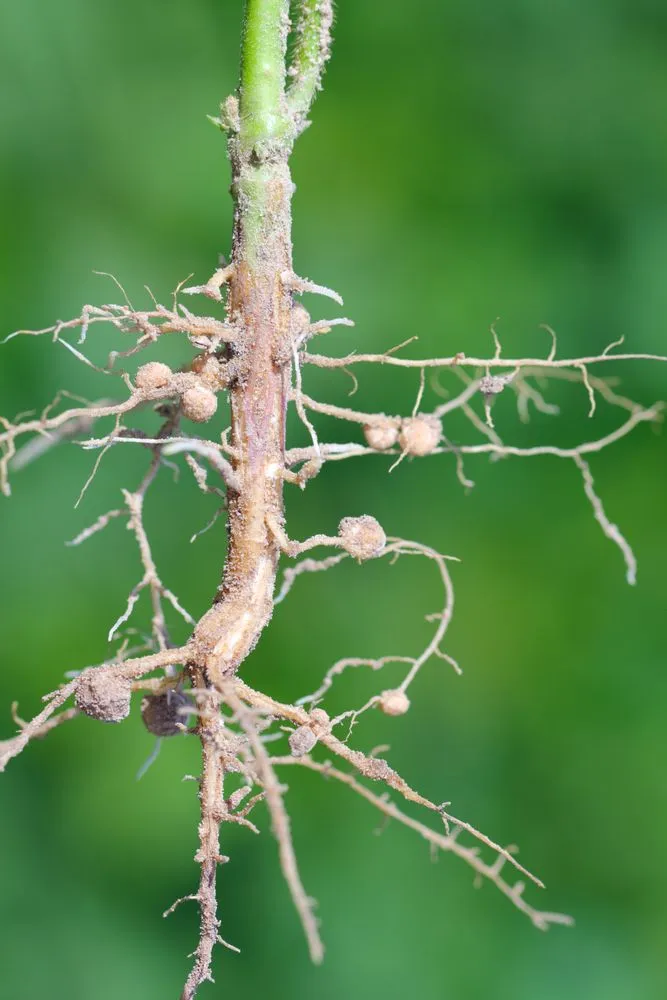
All these microbes have specialized mechanisms that allow them to interact with their hosts. Strains of Rhizobia form mutualistic relations with different legume species. This interaction provides legumes with the required dosage of nitrogen from rhizobia. At the same time, legumes give shelter and food to these strains of Rhizobia.
In the case of mycorrhiza, a specific membrane gene can improve phosphorus exchange. Hence, when in symbiosis with plant roots, they provide enough phosphorus. Don’t you think that plants and biofertilizers are the perfect partners?
Types Of Biofertilizers
About 95% of biofertilizers in use by farmers fall into two groups:
- Nitrogen Fixers
- Phosphorus solubilizers
Nitrogen Fixers
Most nitrogen fixers work with bacteria, although a few fungi can also fix nitrogen. Below are some biofertilizers that improve nitrogen availability.
Rhizobia: There are many strains of rhizobium species. Interestingly, each strain interacts with only its group-specific legumes. They are loyal to their hosts and reject symbiosis with other hosts.
Azotobacter and Azospirillum: In contrast to the above symbiosis, these microbes don’t need a host, meaning that they can fix nitrogen as free-living organisms in the soil. Azospirillum is especially common around the roots of cereals like wheat, maize, and rice, where it also nudges the plant to grow more roots.
Anabaena: Next time you sit down to a bowl of rice, you can thank this cyanobacterium! It lives in symbiosis inside the leaf cavities of the floating fern Azolla. Rice growers across Asia float this fern in their paddies, where it can supply a large share of the crop’s nitrogen needs for free.
Phosphorus Solubilizers
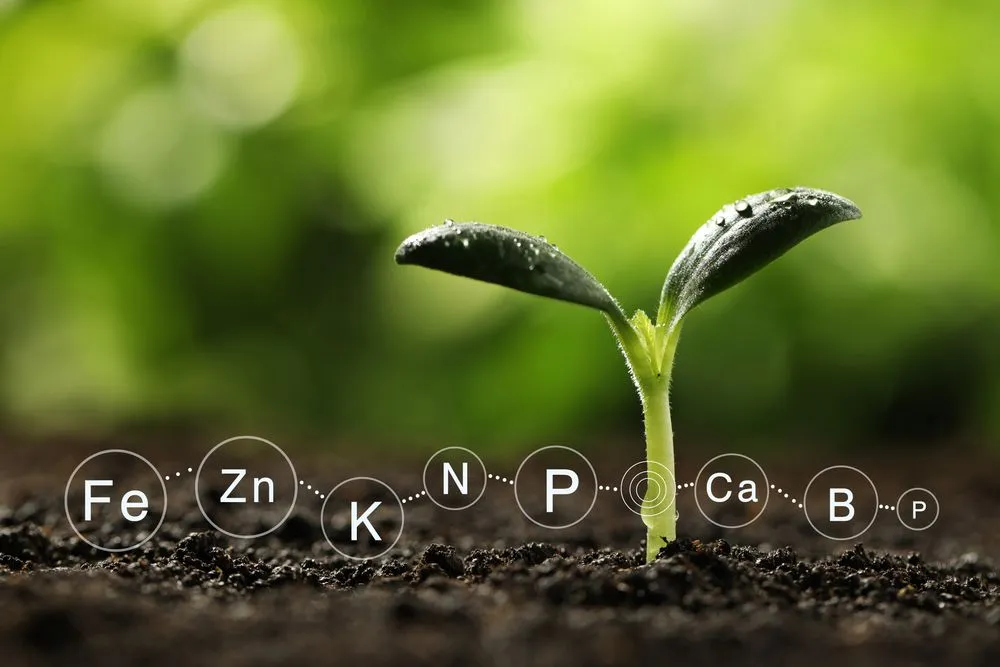
Plants have a minute concentration of phosphorus, roughly 0.2% by weight. Though it is found in small amounts, it is vital for biological functions.
You might think that plants can just get this small amount of phosphorus from the soil. The soil does contain lots of phosphorus (especially soil that is fertilized by chemical fertilizers), but this is often in insoluble forms of phosphorus, which plants cannot use without modification. Certain bacteria (such as Bacillus and Pseudomonas) and fungi (such as Penicillium and Aspergillus) release organic acids that convert these insoluble forms to plant-available forms, and are therefore called phosphorus solubilizers.
Other Biofertilizers
Besides the above-mentioned biofertilizers, some bacteria solubilize other micro and macro elements. For example, Bacillus circulans and Bacillus mucilaginous help to solubilize potassium.
How Do Biofertilizers Interact With Plants?
Biofertilizers have different ways of communicating with plants. In the case of symbiotic relationships, you can think of plants as the house owners who provide shelter and food, whereas the microbes pay rent in the form of nutrients!
In contrast, free-living organisms maintain no associations with plants. They fix nitrogen into the soil without host specifications. Hence, they find great use in improving conditions for non-symbiotic plants.
How Do Chemical Fertilizers Compare?
Chemical fertilizers cause extensive damage throughout their production and usage. The production process itself starts with the release of greenhouse gases. And when those chemical fertilizers are applied in the crop fields, the plants fail to hold all the excess fertilizer. These extra elements make their way into our water sources and pollute them.
When water has extra nutrients, it invites harmful guests, such as algae and weeds. These algae and weeds are heavy feeders of oxygen, resulting in their deficiency in the water source. Reduced oxygen concentration in water bodies causes the death of native fish, which disrupts the ecological balance. The damage from chemical fertilizers is not limited to air and water. It also takes a toll on soil health. Over years of heavy, unbalanced use, chemical fertilizers can acidify the soil, deplete its organic matter, and reduce the diversity of helpful soil microbes, which gradually erodes fertility.

All natural resources have intrinsic links. Therefore, the fertilizers end up in food and water sources, causing health damage in the long term. One can only imagine the damage that chemical fertilizers are causing to our planet at this very moment.
Benefits Of Biofertilizers
Manufacturing synthetic nitrogen fertilizer is energy-hungry and releases large amounts of carbon dioxide. Biofertilizers sidestep that factory step entirely, so swapping them in for some chemical fertilizer can shrink a farm’s carbon footprint. These microbes carry the enzymes and genes that make them efficient nutrient sources, without adding harmful elements. For example, Rhizobium uses the enzyme nitrogenase to fix nitrogen. Because the work is done by living microbes already in the soil, it adds no synthetic pollutants.
The microorganisms maintain a close relationship with plant roots and release nutrients gradually, near where the plant can take them up. This greatly reduces the runoff and leaching that plague over-applied chemical fertilizers. They also improve soil health and help maintain ecological balance.
Unlike chemical fertilizers, biofertilizers give plants the added benefit of drought tolerance in a safe manner. Exudates of biofertilizers can hamper the growth of certain weeds and pathogens. This resistance cuts down the need to use other chemicals, like herbicides. Thus, the replacement of chemicals with biological fertilizers heals the environment.
Conclusion
Chemical fertilizers gained popularity during the years of the Green Revolution. While it had the initial appearance of a boon in the agricultural world, its gradual harm is far worse than anyone could ever have imagined.
You might wonder why farmers still rely so heavily on conventional fertilizers. The honest answer is that they work fast and they work reliably: synthetic fertilizers deliver concentrated, predictable nutrients, and roughly half of the world’s food supply depends on them. The trouble is overuse. Pushed too hard for too long, they acidify the soil and pollute water sources, and the excess nutrients can end up in our food.
With recent organic trends, the search for sustainable options has picked up speed. Biofertilizers solve the serious issues of fertilizer over-application, soil depletion, and water pollution. They also improve a plant’s tolerance to drought and keep synthetic chemicals out of the food chain. They aren’t a magic bullet, though: biofertilizers act more slowly, their results depend on soil and climate conditions, and they usually work best alongside (rather than fully replacing) chemical fertilizers. Used as part of a balanced, integrated approach, they are a powerful tool for healthier soil and more sustainable farming.
References (click to expand)
- Role of Soil Bacteria. The Ohio State University (CFAES).
- Fasusi, O. A., Cruz, C., & Babalola, O. O. (2021, February 17). Agricultural Sustainability: Microbial Biofertilizers in Rhizosphere Management. Agriculture. MDPI AG.
- (1979, April 11). The Rhizobium -legume symbiosis. Proceedings of the Royal Society of London. Series B. Biological Sciences. The Royal Society.
- Anabaena azollae - an overview | ScienceDirect Topics. ScienceDirect
- Kumar, S., Diksha, Sindhu, S. S., & Kumar, R. (2022). Biofertilizers: An ecofriendly technology for nutrient recycling and environmental sustainability. Current Research in Microbial Sciences. Elsevier BV.
- Arbuscular mycorrhizal fungi: tiny friends with big impact. turf.umn.edu
- How a biofriendly fertilizer could offer a greener way to grow .... Harvard University
- Phosphorus Basics: Understanding Phosphorus Forms and Their Cycling in the Soil. Alabama Cooperative Extension System.
- How many people does synthetic fertilizer feed? Our World in Data.