Table of Contents (click to expand)
Both, actually. Plant roots anchor the plant in the soil, and the same roots (along with fungal threads in the soil) bind soil particles together so the topsoil resists rain and wind. In return, the soil supplies water and mineral nutrients. It is a two-way relationship: roots hold the soil, and the soil holds the plant.
Do you remember those ‘save the environment’ posters? In the majority of cases, that mission can be helped along by planting more trees, because they hold the soil in place. So whenever strong windstorms or heavy rains arrive, the damage is kept in check.
However, have you ever thought about how plants are able to hold the soil? What if it is actually the soil that holds the plants?
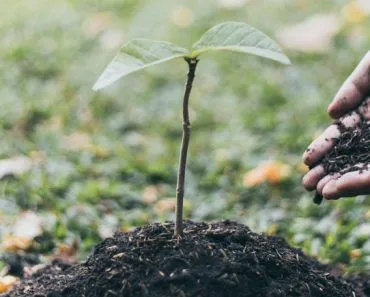
The trick is hiding in how the question is phrased. Plants hold the soil together with their roots. The soil therefore stays put, and in doing so, it keeps feeding the plant, since the roots can take up water and mineral nutrients (nitrogen, phosphorus, potassium, calcium, and the rest of the 17 essential elements plants need) from that same soil. By that logic, the soil also provides the plant with a base and holds it in position. So it is a two-way relationship where both sides hold onto each other.
Let’s begin with the basics.
Shoot And Root Systems Of A Plant
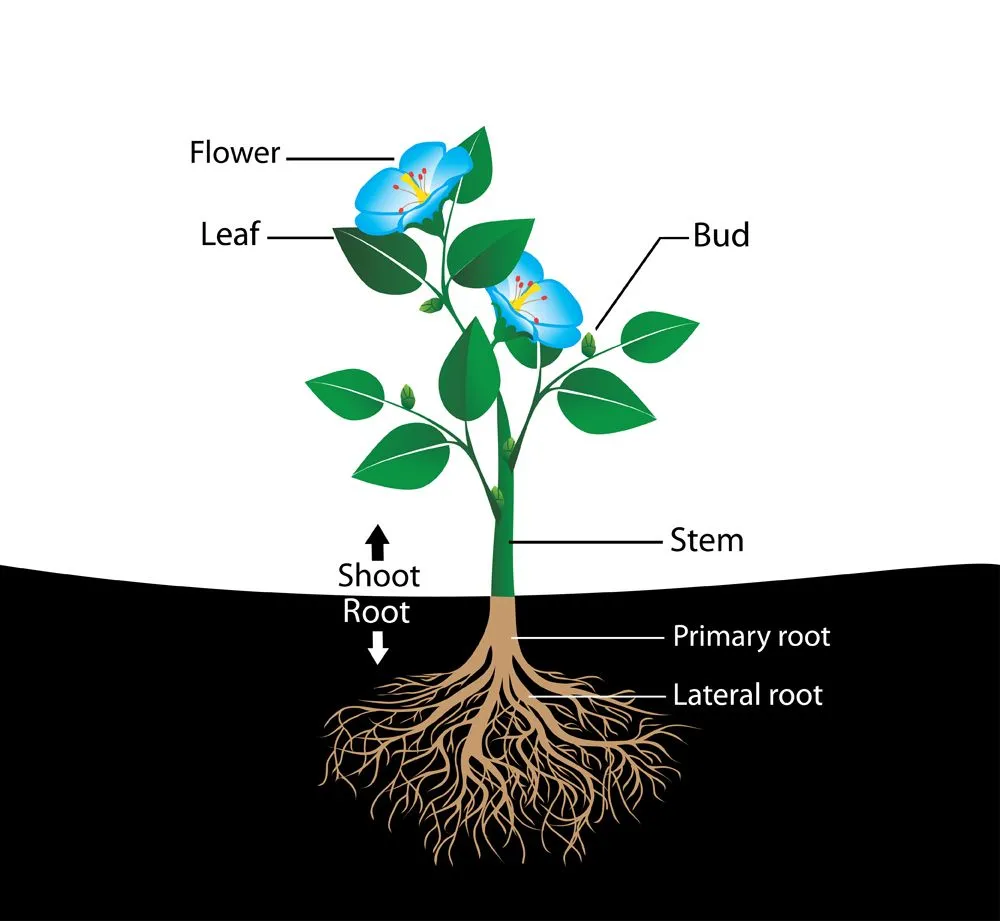
A plant consists of two parts: the shoot system and the root system.
The shoot gets its name because it shoots out of the ground. On the other hand, the root system descends into the ground. All the “pretty” parts of the plant are visible on top, above the ground. These include the stem, which can sometimes be prickly, leaves of all different types, and flowers emitting beautiful fragrances.
On the other hand, roots act as the silent cousin of the plant family and, being positively geotropic, usually hide beneath the soil!
How Does A Plant Hold Soil?
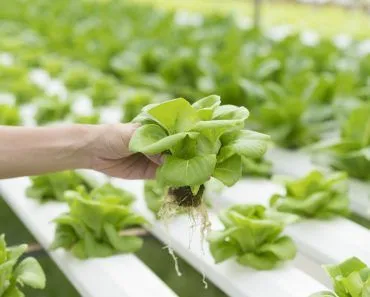
Before delving into this question, imagine a quick scenario. What happens when you pluck a plant out of the soil? You will undoubtedly see clumps of soil clinging to the roots. This is precisely why the best way to slow erosion is by planting more trees and groundcover. The roots hold the soil in place, and by doing so they protect the topsoil from being washed off during heavy rains or stripped away by wind.
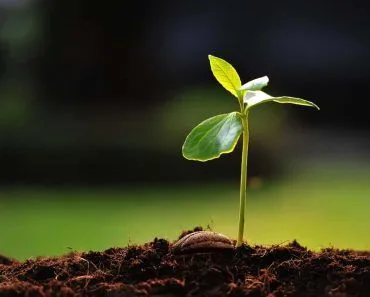
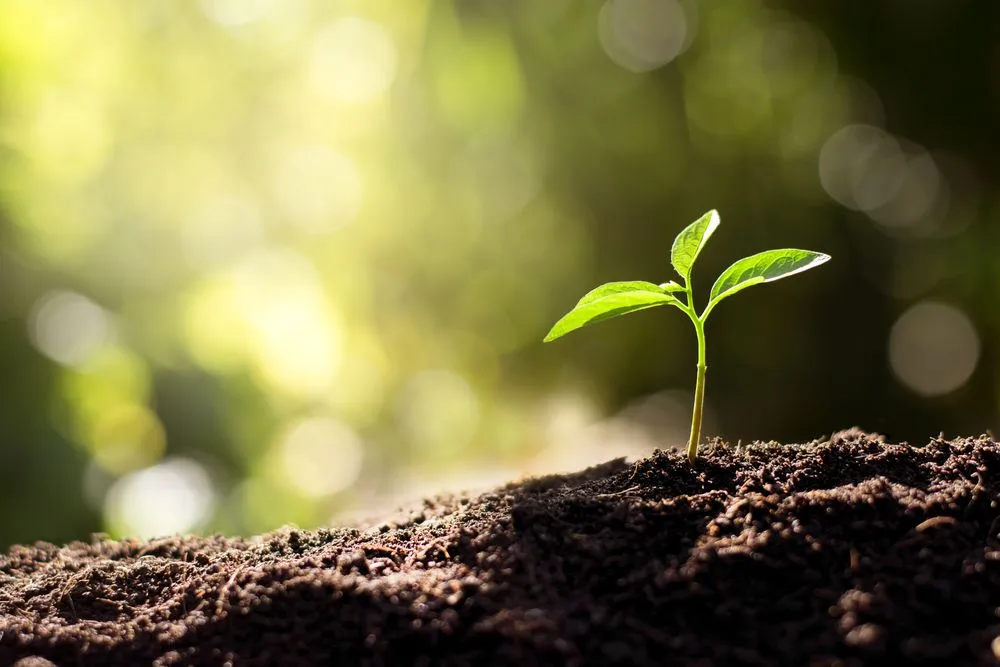
The life of a plant begins with a seed sitting in the soil. When conditions are favorable, with enough moisture and nutrients available, the plant begins to grow. The shoot starts to develop from the plumule, which is the embryonic shoot. The radicle, the embryonic root, does the same job below ground. Once the plant enters its growth phase, it keeps drawing nutrition from its immediate vicinity, which is the soil.
Through various biogeochemical cycles playing out in the biosphere, key elements end up in the soil as ions that roots can absorb. The nitrogen cycle, for example, leaves nitrogen in the soil mainly as nitrate (NO3−) and ammonium (NH4+) ions, which is the form plants actually take up. Through the carbon cycle, dead plant and animal matter decomposes into soil organic matter and humus, which slowly releases nitrogen, phosphorus, sulfur, and other nutrients in plant-available form (the carbon itself, by the way, is mostly pulled in by leaves from atmospheric CO2 during photosynthesis, not absorbed from the soil). Roots then take up these ions for the growth and maintenance of the plant.
Because the plant needs that nutrition, it makes sure the root system is well developed. Over evolutionary time, a strong root system is itself an adaptive result. So when a plant reaches a certain size, you can usually count on a sound root system below it.
Mechanically, the roots do two things at once. The thicker structural roots act like rebar, penetrating and anchoring into the ground. The finer, intertwined roots wrap around soil particles and act like a three-dimensional mesh, adding cohesion. Together they boost the soil’s shear strength, which is the property soil engineers track when they ask whether a slope will hold or slide. There is also a hidden helper. Most land plants live with arbuscular mycorrhizal fungi on their roots, and those fungi produce a sticky glycoprotein called glomalin (first described by USDA scientist Sara F. Wright in 1996) that glues soil particles into stable aggregates. So in order to secure future nutritional requirements, the roots (and their fungal partners) hold the soil in place. This is why you don’t see plants growing out of thin air.
How Does The Soil Hold The Plants?
Soil provides a place for the plant to grow. Without a base and a place to draw nutrients from, no land plant would be able to survive. The soil, as the source of water and minerals, acts as a basic necessity for the plant, and it also provides a stable platform on which to flourish.
Worth noting here that soil itself is not just inert dirt. It is a slowly built product of five interacting factors that the soil scientist Hans Jenny first laid out in 1941: parent rock (the original mineral material), climate (rain and temperature that drive weathering), organisms (plants, microbes, earthworms), topography (slope and drainage), and time. A mature soil with the structure and fertility to hold a tree upright can take centuries to millennia to develop, which is part of why losing topsoil to erosion is such a serious matter.
A Mutually Beneficial Relationship
The soil supports the plant in a slightly different way than, say, a predator-prey relationship does. The soil never consumes the plant. It quietly supplies water, mineral nutrients, and a mechanical foothold for the roots, and it keeps doing so for as long as the plant lives. Without the soil, a typical land plant would never grow. In the other direction, the plant helps hold the soil together with its roots and feeds soil organisms with leaf litter, dead roots, and the sugary exudates roots leak into the surrounding zone.
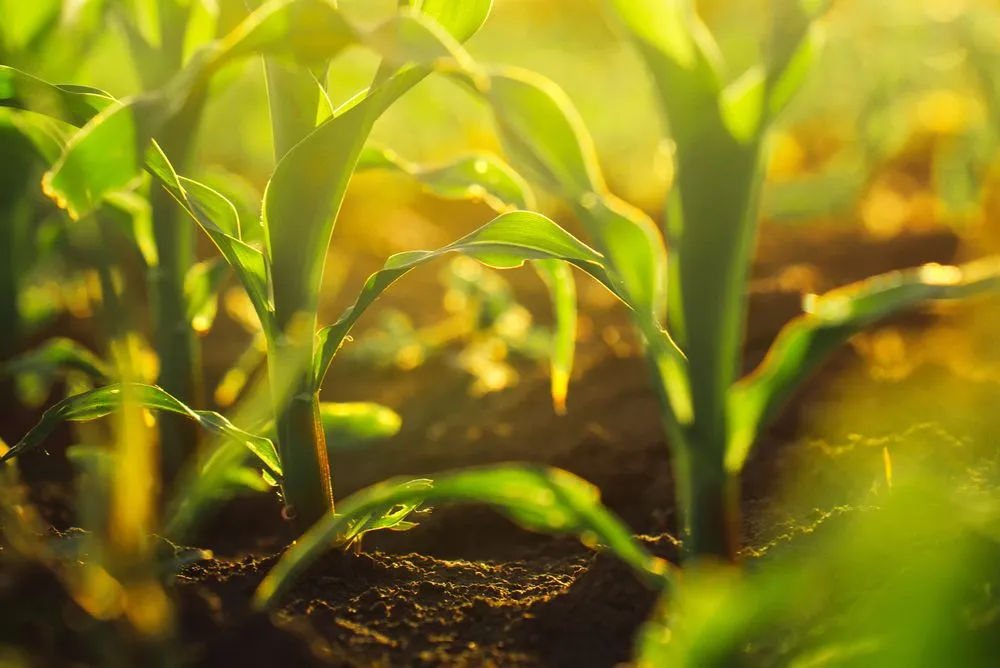
This back-and-forth, where both sides benefit, is what makes the plant–soil pairing so productive. The plant gets an address, and the soil earns the distinction of being “fertile”.
Conclusion
The answer to the question of who holds what is settled here. Both the soil and the roots hold each other up. Without plants, the soil wouldn’t flourish. It would be washed away by rainwater or blown away by strong winds. Without the soil, plants wouldn’t have anything to draw water and minerals from, and nothing solid to grip onto, so they would have no choice but to hold the soil or lose everything.
It’s funny how the relationship between soil and plants can teach us so much about coexistence, not just in pure sciences, but in every other aspect of our life. “Live and let live” is a mantra of mutual support and coexistence that should be appealing to all.
References (click to expand)
- Can Plants Help Slow Soil Erosion? Scientific American.
- Reducing Erosion with Native Plants. U.S. National Park Service.
- Rangeland Soil Quality: Water Erosion (Factsheet). USDA Natural Resources Conservation Service.
- Gravitropism. Encyclopaedia Britannica.
- The mechanism of the plant roots’ soil-reinforcement based on generalized equivalent confining pressure. PMC, U.S. National Library of Medicine.