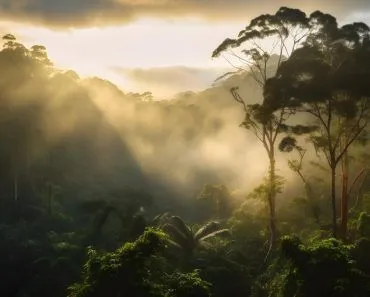
Mountains have more biodiversity because they act as physical barriers that split populations. Isolated on opposite sides of a ridge or valley, those groups evolve separately until they become new species, a process called allopatric speciation. Mountains also create many different climates and niches, and they feed rivers that build species-rich basins downstream.
When going on a trek through nature, you tend to notice the wildlife around you. Birds in the trees, frogs in little ponds, insects hiding under rocks… but have you ever thought about where you should go to see the most wildlife? Will I see more wildlife if I’m on flat ground, or is there more variety on hills and mountains?
If you look at various ecosystems and compare them, you will find that hilly terrain has more diversity. Looking at biodiversity hotspots, you see that most of them are hilly and mountainous. The tropical Andes in South America, the Madrean Pine-Oak Woodlands of Mexico and the southwestern United States, and the Western Ghats in India are some of these life-rich hotspots.
What Is Biodiversity?
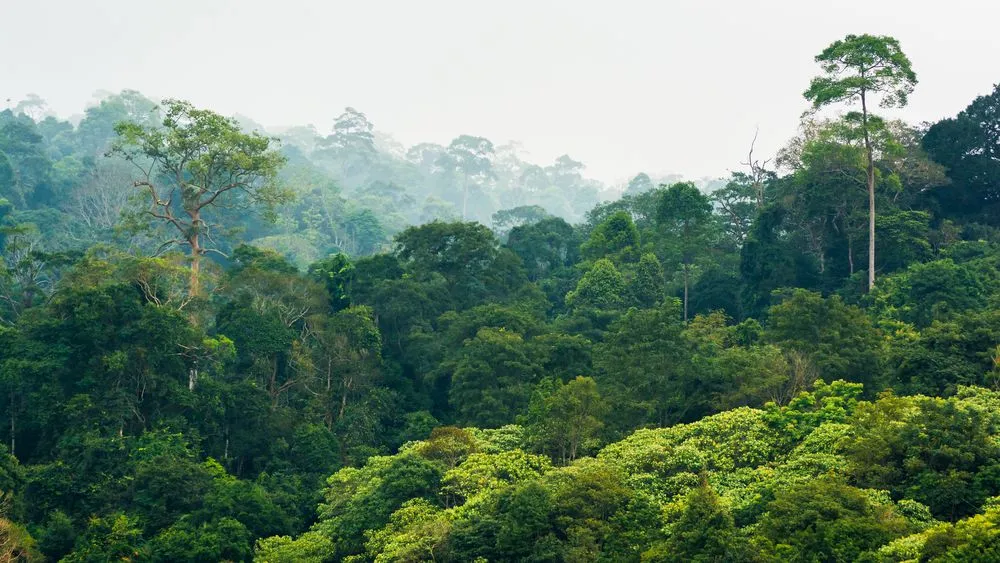
There are many living creatures on our planet, and they are distributed unequally around the globe. Some regions have a lot of species, while others have very few. Biodiversity refers to the different types of life in a region, including animals, plants, fungi etc.
But how does a region get more biodiversity? The simple answer is ‘speciation’, which is defined as the formation of new species. The biodiversity of an area goes up as the number of new species rises. Biodiversity is important to our planet and its health, so it is important to understand what affects it.
What Creates Biodiversity?
Scientists once believed that, given enough time, life simply became more diverse, so the oldest groups should hold the most species. A study by researchers from UCLA, UC Berkeley and the University of Michigan showed that this is not the case: across more than a million species, the age of a group did not predict how many species it contained. In fact, there are many other factors, such as the wetness of an ecosystem, the natural resources available, and the amount of sunlight, that shape biodiversity.
Scientists also believe that “dynamic landscapes”, like mountains, help with diversity… but how?
Allopatric speciation!
What Is Allopatric Speciation?
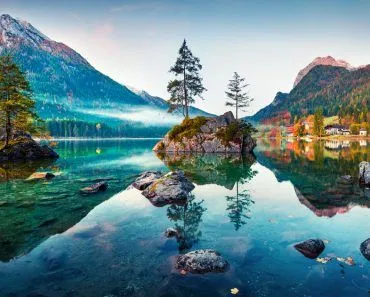
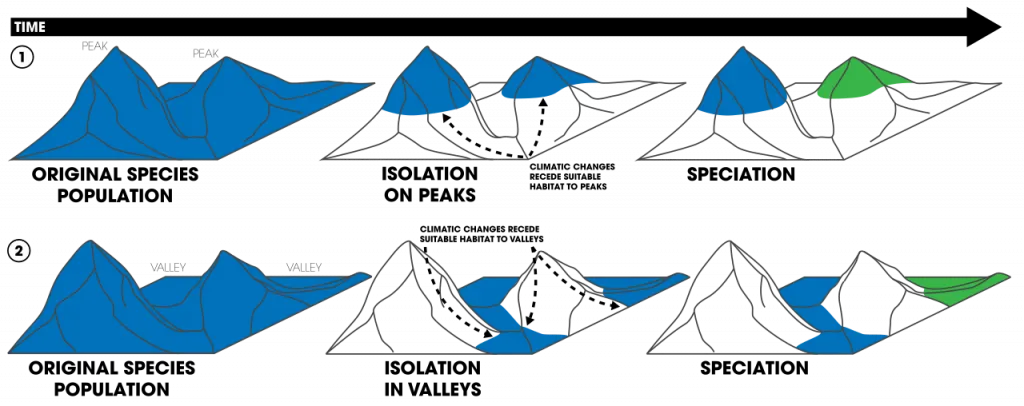
When the face of the Earth changes, living creatures become separated. Let’s imagine the formation of a mountain range. Before turning into a mountain range, it is a plane. There can be many members of a single species on this plane. Over time, a mountain range begins to form in the middle of this plane, which leaves two separate populations of the same species on either side of the mountain.
Over time, these two populations become different from each other. They develop different physical or biochemical traits. Eventually, they become two completely different species, a phenomenon commonly seen in birds.
But Why Do They Form Separate Species?
Once these natural rifts are formed, different conditions will exist on either side of the mountain, which creates new “niches”. A niche is the role of a creature in an ecosystem. In simple terms, it is the “specialty” of an organism. To simplify this concept, let’s use an example.
During the rainy season, a mountain will receive more rain on one side than the other. The side that receives more rain will have creatures adapted to wetter climates. The creatures on the other side of the mountain will be adapted to slightly drier conditions.
Although this is most often the case, it is not always true, as can be seen among the laughing thrushes (genus Montecincla) of the Western Ghats. Here, four populations were cut off from one another by deep valleys, and that isolation alone was enough to split them into four separate species, despite living under broadly similar conditions.
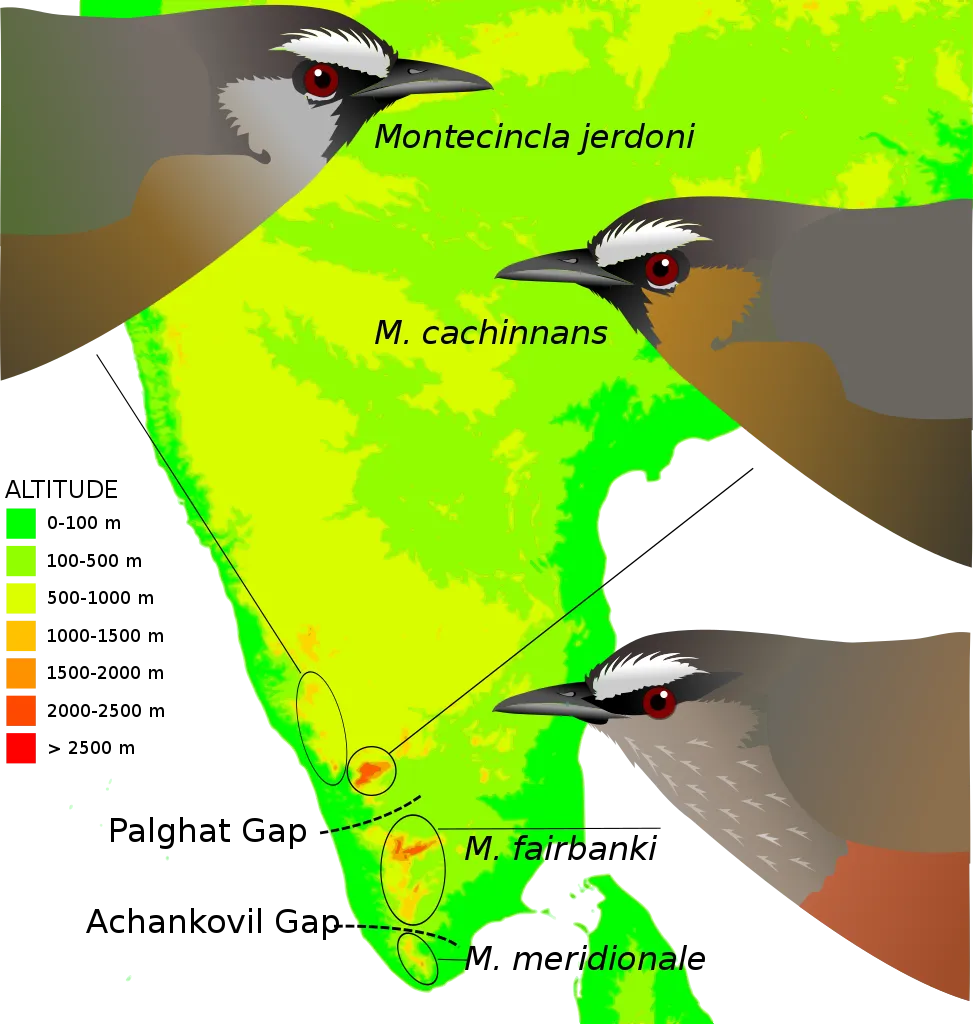
The Western Ghats are not the only example of mountains causing allopatric speciation. It can be seen from the Andes in South America to mountains under the sea!
Yes, that’s right! Seamounts are areas of high elevation, relative to the surrounding ocean floor, and recent research has shown evidence of allopatric speciation in such areas.
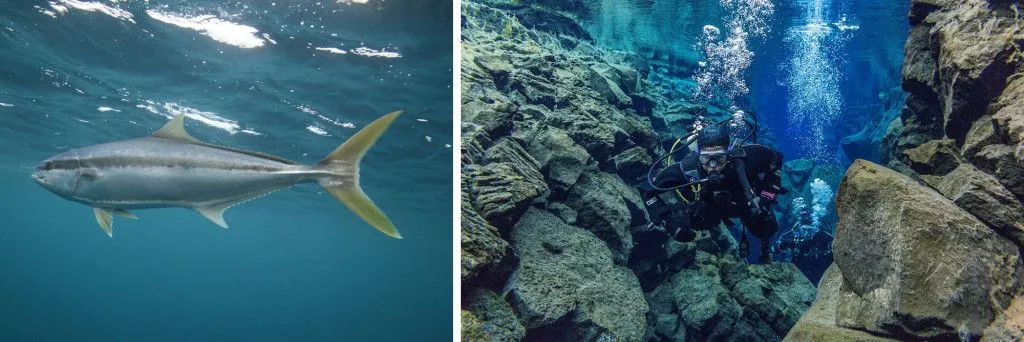
These seamounts influence the direction of the currents, which carry nutrients and attract many animals. Seamounts can also act as a physical barrier between two populations. This can be seen in yellowtail kingfish; they are divided into two genetically separate populations in the southern hemisphere, caused by the presence of seamounts.
How Else Do Mountains Promote Biodiversity?
Mountains are more than just physical barriers. They do not simply separate populations and cause speciation. Mountains also lead to the formation of rivers and basins. Two perfect examples of this are the Amazon rainforest and the Sundarbans.
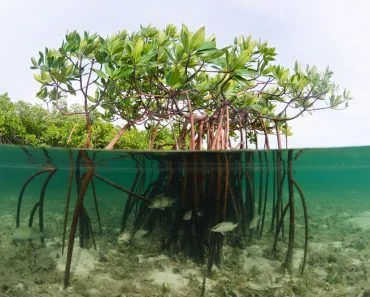
The Amazon rainforest is influenced by the Andes mountain range. The same is true for the Himalayas and the Sundarbans, the vast mangrove delta built from sediment the Ganges and Brahmaputra carry down from those peaks. But how exactly do they influence biodiversity? The best way to understand this is to look at how a mountain range causes the formation of rivers and tributaries.
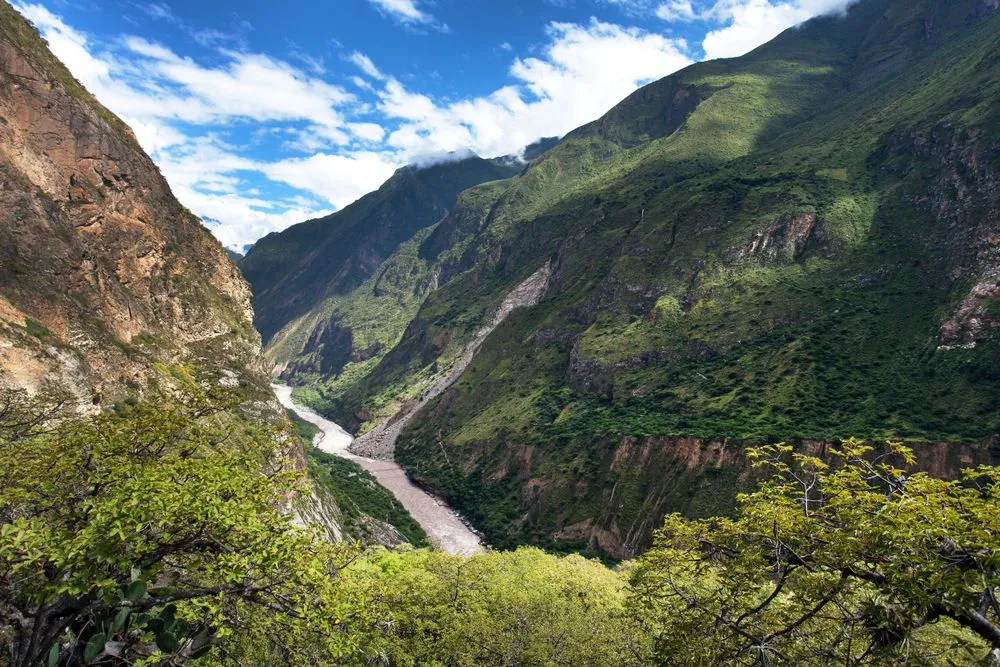
Mountains are also areas of high rainfall. The rainfall in these areas collects and forms many rivers and tributaries. Rivers carry water to various parts of the land and help create areas of high biodiversity. This is because water is the most important element of survival. The more water in a given place, the more likely a species is to thrive there. This gives rise to more niches.
Conclusion
Understanding the causes of biodiversity is very important for conservation efforts. Looking into the causes further helps us understand evolution. Mountains have been shown to have large amounts of biodiversity, and this article barely scratches the surface.
The changes in altitude, coupled with many other factors, are the primary reasons for biodiversity booms. Studying this phenomenon could help us learn about the future of life on our planet, and how to keep it safe!
References (click to expand)
- Allen, M. (2008, April). Minority report. Nature Geoscience. Springer Science and Business Media LLC.
- Rabosky, D. L., Slater, G. J., & Alfaro, M. E. (2012, August 28). Clade Age and Species Richness Are Decoupled Across the Eukaryotic Tree of Life. (G. M. Mace, Ed.), PLoS Biology. Public Library of Science (PLoS).
- India | IUCN - www.iucn.org
- Marchese, C. (2015, January). Biodiversity hotspots: A shortcut for a more complicated concept. Global Ecology and Conservation. Elsevier BV.
- Raup, D. M., Gould, S. J., Schopf, T. J. M., & Simberloff, D. S. (1973, September). Stochastic Models of Phylogeny and the Evolution of Diversity. The Journal of Geology. University of Chicago Press.
- Robin, V. V., Vishnudas, C. K., Gupta, P., Rheindt, F. E., Hooper, D. M., Ramakrishnan, U., & Reddy, S. (2017, January 23). Two new genera of songbirds represent endemic radiations from the Shola Sky Islands of the Western Ghats, India. BMC Evolutionary Biology. Springer Science and Business Media LLC.
- Castelltort, S., Goren, L., Willett, S. D., Champagnac, J.-D., Herman, F., & Braun, J. (2012, September 16). River drainage patterns in the New Zealand Alps primarily controlled by plate tectonic strain. Nature Geoscience. Springer Science and Business Media LLC.
- Kerwath, S., Roodt-Wilding, R., Samaai, T., Winker, H., West, W., Surajnarayan, S., … Wilke, C. (2021, February 11). Shallow seamounts represent speciation islands for circumglobal yellowtail Seriola lalandi. Scientific Reports. Springer Science and Business Media LLC.