Table of Contents (click to expand)
A bee sting hurts because its venom (apitoxin) is loaded with melittin, a peptide that directly fires your pain receptors and triggers swelling. The stuck stinger keeps pumping venom for up to a minute, so scrape it off fast (don’t pinch it) and apply ice. Watch for allergic reactions, which can be life-threatening and need emergency care.
Many people fear being stung by a bee whenever they leave the house in the summertime. Our response to seeing such an insect approaching us, or even hearing the buzzing sound that we associate with bees, is either to run in the opposite direction or stay very still and hope they leave us alone. Once the bee is out of sight (and earshot), we can breathe a sigh of relief and return to whatever we were doing before that flying terror sent us into a panic.
That’s a rather common response to encounters with bees, but why do we have such a strong reaction? Is the sting really that bad? For a bit more insight, let’s look at things from the perspective of the most popular bee in the world: the honey bee.
Why Do Honey Bees Sting?
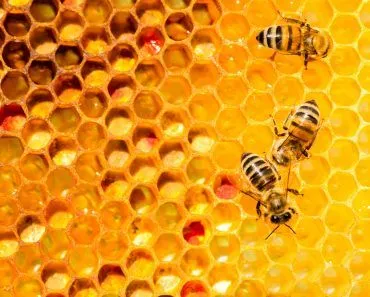
Honey bees are social insects that live in large colonies. They mainly sting as a defense mechanism, as a way to protect the colony.
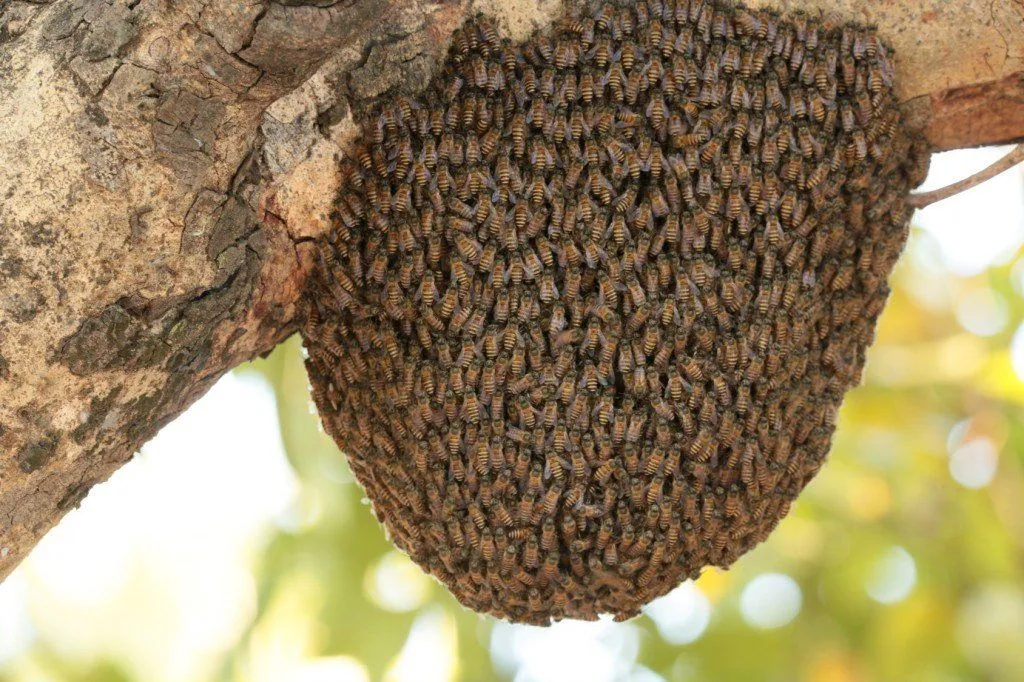
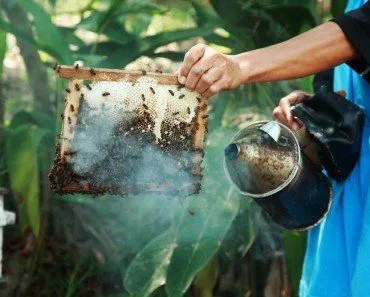
Therefore, when a honey bee nest is disturbed, an entire hive of worker bees will swarm the intruder and mercilessly sting them to keep their colony safe. These intruders can be fellow honey bees looking to displace their competitors, animals, birds and sometimes unlucky humans.
A single sting by a honey bee is only the start of a stinging chain reaction, which is why bees can be so terrifying. A honey bee sting releases alarm pheromones that alert other bees of the danger, which in turn sends them into a stinging frenzy. The main component, isoamyl acetate (which curiously smells like banana), even acts as a target marker, guiding nearby bees to sting the same spot.
A Honey Bee’s Sting
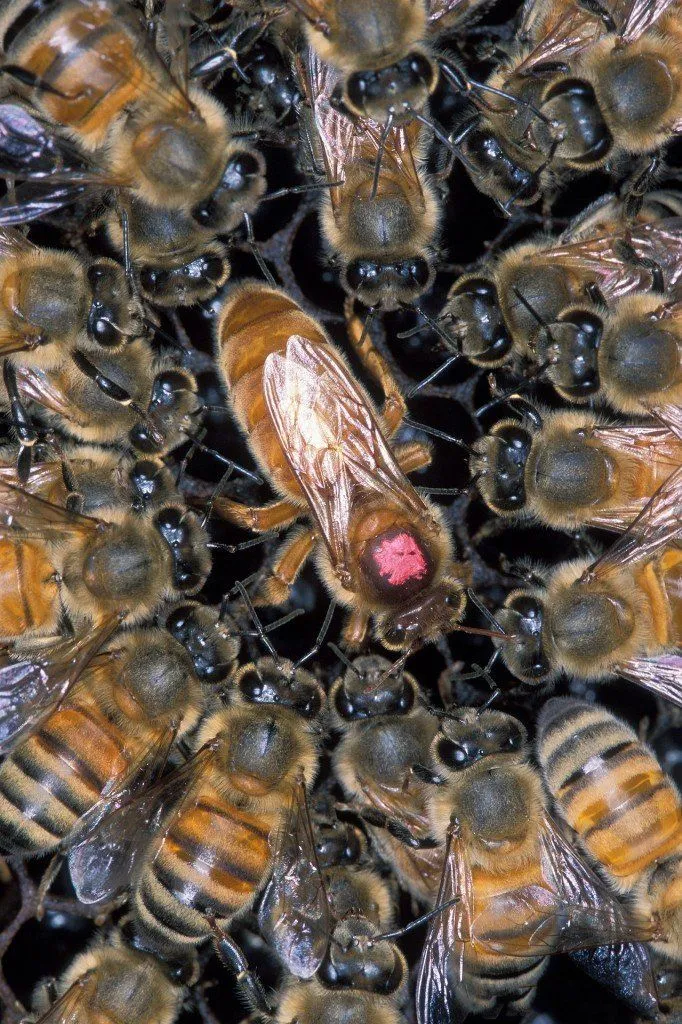
Female worker bees are the honey bees that protect the hive by stinging. They have a venom sac that fills up with venom (an apitoxin) by the time the bee is 14 days old. Another interesting characteristic of these worker bees is that their stinger is barbed, in contrast to the stinger of the Queen bee, which is smooth.
The barbed stingers of the worker bees are actually the quality that endangers the life of that bee if they ever decide to sting an animal. Depending on the thickness of the animal’s skin, the bee’s barbed stinger is likely to get caught in the skin. For that reason, when a worker bee stings an animal with thick skin, such as a human, it is unable to retract its stinger and is subsequently forced to leave the stinger stuck in its victim’s skin. In addition to the stinger, part of the bee’s abdomen and digestive tract, along with some of its muscles and nerves, are also left behind.
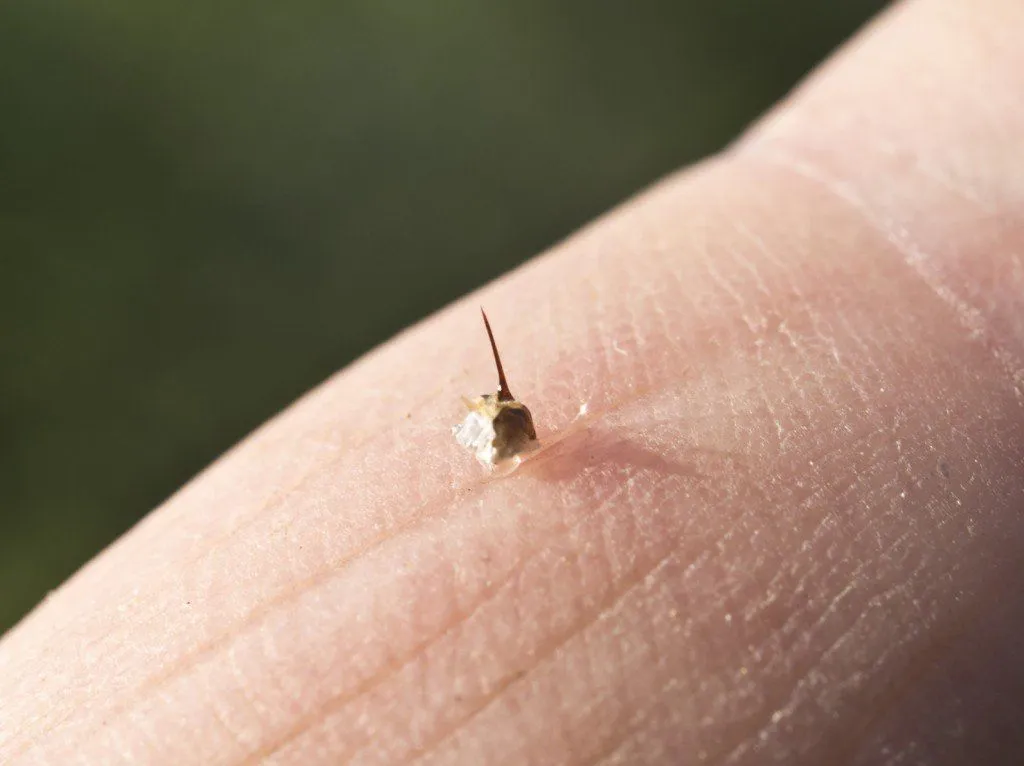
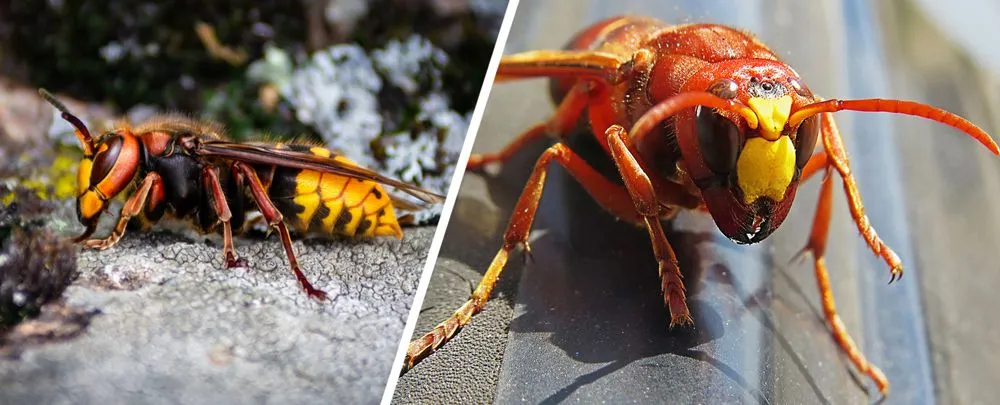
This injury is what kills the honey bee. It is the only common bee whose workers die after stinging a thick-skinned victim like a human. The queen has a smoother stinger and can sting more than once, and bumblebees, carpenter bees, and wasps all keep their straight stingers and can sting again and again.
How Does The Sting Affect The Body
Even though a honey bee has stung you, left its stinger in your skin, and can’t attack you again, the ordeal of being stung is far from over. The bad news is that, apart from being painful, the detached venom sac keeps pumping. Left in the skin, the stinger goes on injecting venom for up to a minute after the initial sting, so the longer it stays put, the more apitoxin gets in.
So why does it hurt so much? The main culprit is melittin, a peptide that makes up roughly half of bee venom. Melittin tears holes in cell membranes and triggers your pain receptors directly. The venom also carries the enzyme phospholipase A2, which breaks down cell membranes too, along with histamine. Together they drive the swelling, redness, and itching that follow the initial burning jolt.
For those people with an allergy to bee venom, things can therefore get much worse, as they can experience anaphylaxis, a severe, whole-body reaction that can be fatal if it isn’t treated quickly.
How To Treat A Bee Sting?
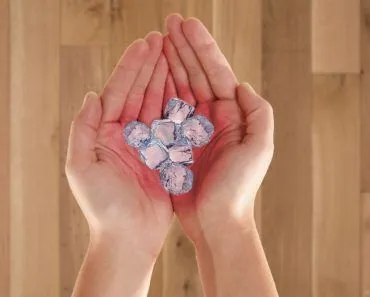
First and most importantly, get the stinger out fast (ouch!) to stop the continuous injection of venom. Speed matters more than technique: scrape it sideways with a fingernail, the edge of a credit card, or a piece of gauze rather than grabbing it with your fingers or tweezers, since pinching can squeeze the leftover venom sac and push more venom in. Then wash the spot with soap and water and apply ice (wrapped in a cloth) to control the pain and swelling. If the area keeps getting worse over the next few days, or if it has been more than 10 years since your last tetanus shot, see a doctor.
Also, as mentioned earlier, people with hypersensitivity to apitoxins could experience anaphylaxis, and would therefore need emergency treatment. Warning signs include trouble breathing, swelling of the tongue or throat, hives spreading well beyond the sting, dizziness, a racing pulse, nausea, or vomiting, and they can come on within minutes. The response is simple: use an epinephrine auto-injector (such as an EpiPen) right away if one is available, then call 911 (or your local emergency number) even if the symptoms seem to ease. Anyone who has had a whole-body reaction to a sting should see an allergist, who may recommend venom immunotherapy. These are regular shots of tiny, increasing amounts of venom that build up tolerance and offer up to roughly 98% protection against future stings.
In other words, be careful. Bees are docile insects that buzz about their daily lives and mind their own business. However, if you disturb them in any way, you’re in for a world of pain!
References (click to expand)
- Preventing On-Site Bees : USDA ARS. The Agricultural Research Service
- Balit, C. R., Isbister, G. K., & Buckley, N. A. (2003, January). Randomized Controlled Trial of Topical Aspirin in the Treatment of Bee and Wasp Stings. Journal of Toxicology: Clinical Toxicology. Informa UK Limited.
- Wehbe, R., Frangieh, J., Rima, M., El Obeid, D., Sabatier, J.-M., & Fajloun, Z. (2019, August 19). Bee Venom: Overview of Main Compounds and Bioactivities for Therapeutic Interests. Molecules. MDPI AG.
- Bee Sting: Symptoms, Treatment & Prevention. Cleveland Clinic.
- Insect Sting Allergies: Symptoms & Treatment. American College of Allergy, Asthma & Immunology (ACAAI).