Table of Contents (click to expand)
Bacterial jellies are exopolysaccharides (EPS), sugar polymers that many bacteria make and release. Sticky and viscous with a thick, jelly-like texture, they are used in the food industry as thickeners, stabilizers and gelling agents in products like yogurt, cheese, bread and dessert gels. Xanthan gum and gellan gum are common examples.
Picture this…
You are sitting at a dinner table with a few dishes laid out before you. There is a thick and creamy chocolate pudding, a range of baked goods like sourdough bread, tea cakes and a variety of jams and jellies to spread on your fresh bread. If jam doesn’t sound appealing, then perhaps some cheese. To help wash this down, there’s a nice milkshake with a big scoop of ice cream.
Now, if you’re like me and have a sweet tooth, your mouth must be watering. In fact, I’m a huge sucker for sour and gummy candy. If sweets aren’t up your alley, a nice savory pie with hot tea or coffee is a universal favorite.
Ever wondered why these delicious treats feel so good in our mouths? Why the soft and light, yet crumbly texture of a perfectly baked cake feels so satisfying? Why do gummy bears feel so chewy or why is the thick texture of pudding and yogurt so appealing?
The food industry has a large list of additives that are used to improve the mouthfeel, taste, texture and shelf life of multiple items. Some of these food additives come from bacteria. One class of such additives is exopolysaccharides. They are thick jelly-like substances, which I like to call bacterial sugar jellies. And that, my friends, is the answer to all these questions!
What Are Exopolysaccharides?
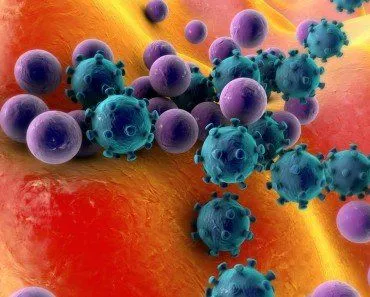
Exopolysaccharides (EPS) are polymers (complex molecular structures) comprised of sugar molecules manufactured and released by bacteria. They are sticky and viscous, with a thick jelly-like texture, which is why I call them bacterial jellies.
These sugar polymers are made by enzymes found inside the bacterial cells. Depending on the strain of bacteria and the nutrients present in their environment, EPS can have different compositions. For example, an EPS molecule known as dextran is nothing but a multitude of glucose molecules linked together to form a long chain.
Many strains of bacteria produce EPS for a variety of purposes. They may be used as reserve sources of food and energy.
The slimy nature of EPS allows the bacteria to adhere to surfaces, fixing them in their chosen environment. Nowadays, probiotics (good bacteria) are popular healthy additions to our diet, and many of them are EPS producers. The picture here is more tangled than you might expect: depending on the strain, the EPS they make can either help or hinder how well probiotics and harmful microbes stick to the lining of our gut.
EPS can also form a protective covering by shielding the bacterium from other microorganisms. They could be structurally defensive, preventing water from escaping the bacterial cells in hot climates. They also play a role in biofilm formation, facilitating communities of the bacteria.
These sugary molecules first came into the spotlight back in the 19th century, when sugar refiners noticed a slimy, gummy mess thickening their cane and beet syrups. That nuisance turned out to be dextran, churned out by bacteria contaminating the sugar.
Since then, food scientists have been experimenting with such binding agents to find new applications for these tiny microbial jellies.
Uses Of Exopolysaccharides In The Food Industry
Using bacteria or its EPS in the food industry might sound scary to some, or even unhygienic; after all, we do spend an inordinate amount of time and energy sterilizing our food. But not to worry, most bacteria used in the food industry carry a GRAS (Generally Recognized As Safe) status. This certification means that they, and their secretions, are safe for human consumption and do not pose any health risks.
The properties of EPS that make them popular for widespread use in the food industry are many. They’re soluble, they emulsify other ingredients, they can hold water, and they make a nice gel.
The most famous bacterial EPS in your kitchen is probably xanthan gum, produced by a bacterial species called Xanthomonas campestris. It’s a brilliant thickener and stabilizer, so it shows up in salad dressings, sauces, ice cream and gluten-free baked goods, where it keeps oil and water from separating and gives that smooth, clingy texture.
Now, a quick myth-buster about gummy bears and worms (my greatest weakness!): their classic chew actually comes from gelatin, not a bacterial jelly. The bacterial EPS that does set a wobbly gel is gellan gum, which is increasingly used to make vegan gummies and dessert gels that don’t rely on animal gelatin.
One study reported that the addition of EPS from lactic acid bacteria (LAB) in sourdough bread improved its texture and yield by increasing the dough’s gas retention. Retaining more air during the baking procedure causes the dough to rise higher, leading to a greater volume of bread.
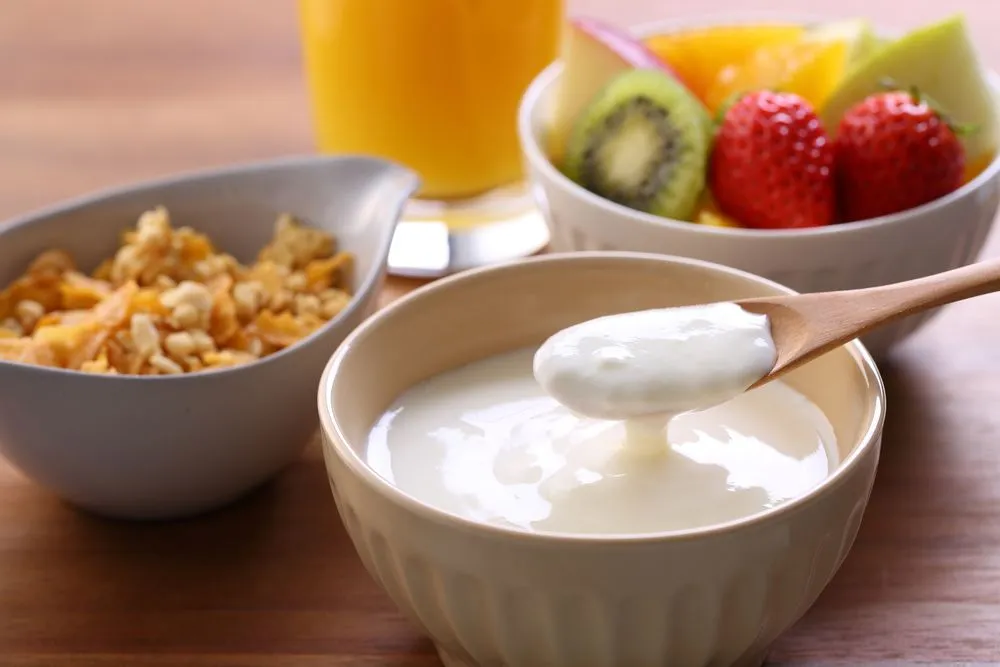
Another type of EPS from the lactic acid bacteria is used as a binding agent in milk to prevent the water from separating from milk constituents, like proteins and lipids, thus increasing the shelf life.
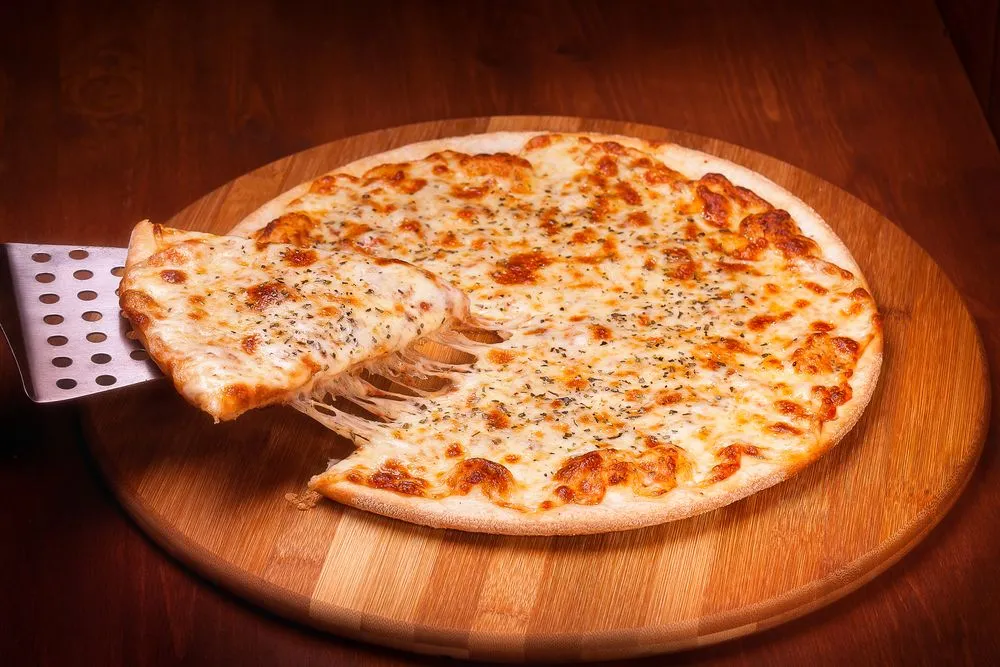
Stringy chewy mozzarella cheese that drips off your delicious thin-crust pizzas gets its elastic texture from EPS molecules too!
Of course, all these different applications come from different types of EPS sourced from a variety of bacterial strains.
Agar (which comes from seaweed, not bacteria) is the classic gelling agent in labs and kitchens, but a bacterial rival has muscled in: gellan gum, sold under brand names like Gelrite. It’s made by the bacterium Sphingomonas elodea (first described as Pseudomonas elodea), and it forms clear, firm gels that hold up at higher temperatures than agar, using only about half as much powder for the same set. It started out mainly as a lab gelling agent for growing microbes and plant cells, but it has since gone fully mainstream: regulators classify it as food additive E418, and it now turns up in everything from jellies and desserts to plant-based milks.

Exopolysaccharides As Functional Foods
Besides its many varied uses in the food industry, EPS also has a couple of health benefits. These benefits have only recently come to light. Their medical and healing properties include anti-tumor, anti-ulcer, anti-viral, and cholesterol-lowering activities.
A trendy word being used these days to describe EPS molecules is “prebiotics”. I’m sure you have come across that term by now if you’re reading this deep into a health article about bacterial jellies. Or perhaps from a nutritionist throwing this term around, doing their best to stay on the cutting edge.
Prebiotics are nothing but food for the strains of good bacteria in your gut. Ideally, you would want healthy numbers of these inside your gut. Feeding them with the prebiotics they have a preference for helps them thrive and grow. These good bacteria are largely responsible for keeping the more harmful bacteria from flourishing in our bodies.
Companies are actively marketing certain exopolysaccharides as dietary supplements and prebiotic ingredients, betting on those gut-health benefits.
Scientists all over the world are now studying bacteria and the EPS they produce to identify new uses. Should they find new useful EPS-producing bacteria, scientists then dive into the exciting phase of testing and documenting the novel molecules. You never know, the next big thing in the food industry or health supplement sector could come from these little bacteria!
Conclusion
The next time you see a delicious confectionary item or chew endlessly on some gummy worms, do remember to thank your fellow bacteria for their contribution to your tasty world.
Bacteria, and microbes in general, are more than disease-causing germs. Life, and our diet, would be extremely boring without them. There would be no cheese and yogurt, no sourdough, no life-saving antibiotics, no pickles, kimchi or other fermented foods…I could go on and on, but you get the point.
Nothing worth having comes easy, and so it is with exopolysaccharides too. The primary downside of using EPS, at the moment is the high cost of production. The race to make the production of EPS more pocket-friendly has a humungous payoff waiting for the winner!
References (click to expand)
- Zeidan, A. A., Poulsen, V. K., Janzen, T., Buldo, P., Derkx, P. M. F., Øregaard, G., & Neves, A. R. (2017, June 19). Polysaccharide production by lactic acid bacteria: from genes to industrial applications. FEMS Microbiology Reviews. Oxford University Press (OUP).
- Dave, S. R. (2016, September 26). Microbial Exopolysaccharide - An Inevitable Product for Living Beings and Environment. Journal of Bacteriology & Mycology: Open Access. MedCrave Group, LLC.
- Nwodo, U., Green, E., & Okoh, A. (2012, October 30). Bacterial Exopolysaccharides: Functionality and Prospects. International Journal of Molecular Sciences. MDPI AG.
- Di Monaco, R., Torrieri, E., Pepe, O., Masi, P., & Cavella, S. (2014, November 25). Effect of Sourdough with Exopolysaccharide (EPS)-Producing Lactic Acid Bacteria (LAB) on Sensory Quality of Bread during Shelf Life. Food and Bioprocess Technology. Springer Science and Business Media LLC.
- İ ALTUN. Exopolysaccharides in Milk And Dairy Products as ... - DergiPark. dergipark.org.tr
- Ruas-Madiedo, P., Gueimonde, M., Margolles, A., De Los Reyes-Gavilán, C. G., & Salminen, S. (2006, August). Exopolysaccharides Produced by Probiotic Strains Modify the Adhesion of Probiotics and Enteropathogens to Human Intestinal Mucus. Journal of Food Protection. Elsevier BV.
- Food and Health Applications of Exopolysaccharides .... longdom.org