Table of Contents (click to expand)
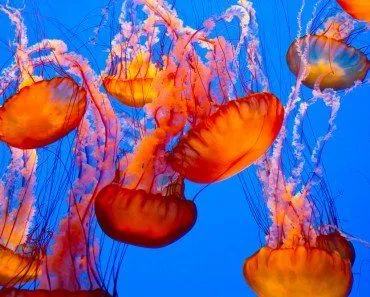
Cephalization is the evolutionary trend in which nervous tissue and sensory organs become concentrated at the anterior (front) end of an animal, forming a head with a brain or ganglia. It is closely linked to bilateral symmetry and is seen in most animals, from flatworms to humans, but is absent in radially symmetric groups like jellyfish and adult starfish.
If you tend to make the “right” choices in life, you’re probably considered a rather responsible person. In fact, people may even tell you that you have a good head on your shoulders. You probably haven’t given much thought to that phrase, nor to the fact that your head is where it’s at on your body, and serves the purposes it does.

Yes, humans take a lot of their anatomical advancements for granted, but when it comes to heads, brains, nervous tissue and the ability to experience the world, humans are far from unique. Have you ever noticed that so many animals have similar cranial arrangements? With nervous tissue gathered in one place, usually in close conjunction to the sensory organs? There are millions of different species of incredible diversity on the planet, yet the organization of the head seems to be something that evolution clings to. The reason for this apparent uniformity is called cephalization.
What Is Cephalization?
To put it simply, cephalization means having a head, which the vast majority of living animal species do, with some notable exceptions, such as jellyfish and adult starfish. Both groups are radially symmetric and lack a centralized brain. The organization of the “head” across so many millions of species is something to note in the long story of evolution on our planet. That said, the term “head” is a bit limiting, and the idea of cephalization is more concerned with nervous tissue and sense organs than with the bony skull most of us picture.
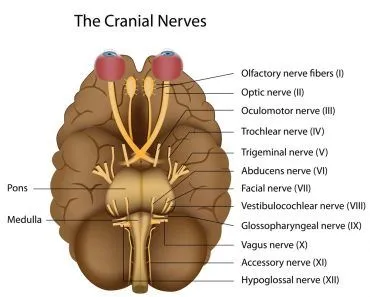
 Essentially, cephalization is the organization and concentration of nervous tissue and sensory organs at the anterior (front) end of the body. The close proximity of sense organs to nervous tissue, which may take the form of simple ganglia or a fully developed brain, is essential for intelligent decision-making and survival based on an animal’s interactions with its environment. This pattern of development was a huge evolutionary advantage for animal species across different orders and classes. Over the course of evolutionary history, as bilaterally symmetric animals began moving in a single direction, the sense organs tended to migrate towards the nervous tissue at the leading end, since that’s where new information about the world arrives first. The trend is thought to have taken hold during the Cambrian explosion, roughly 540 million years ago. Evolutionary history might seem complex, but it is also pragmatic and logical in most situations.
How Significant Was Cephalization?
As evolutionary trends go, there are few that are as widespread and impactful as cephalization. There is also an interesting connection between cephalization and bilateral symmetry, another evolutionary facet in which organisms tend to develop in a symmetrical way (i.e., arms on both sides, two ears, two eyes etc.). On the other hand, when an organism doesn’t demonstrate cephalization, it tends to display radial symmetry. Radial symmetry and non-cephalization are not found in any creatures that we would consider “intelligent” or particularly advanced, hinting that cephalization played a major role in the evolutionary path of life as we now know it.
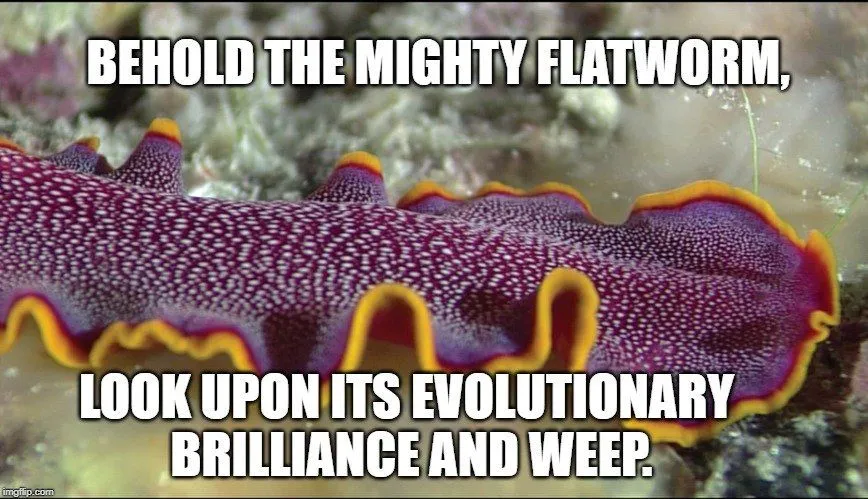
The arrangement of a head, complete with sensory organs in close proximity, allowed creatures to be more effective hunters and survivors. Think about it this way; when an animal is trying to find food, does it help if the animal makes a lot of noise or is highly visible? Of course not! A good hunter knows how to sneak up on its prey, detecting it through advanced sensory organs, such as finely tuned ears or a great sense of smell. Throughout evolutionary history, possessing a concentrated region of nervous tissue and sensory organs made creatures better able to survive in their surroundings, going all the way back to the very first cephalized animals—flatworms (phylum Platyhelminthes), which had a primitive brain made of a pair of cerebral ganglia near the head end.
 This applies to humans as well; when we are sneaking around, we usually peek our head around a corner, so we can see, smell or hear our surroundings better, before exposing ourselves to potential danger. We may not think about our head in those basic survival terms anymore, but it doesn’t make it any less true!
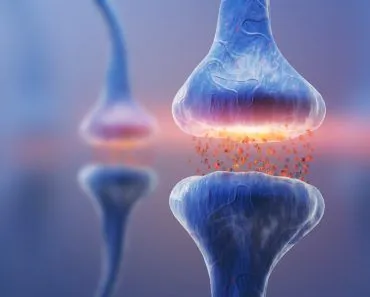
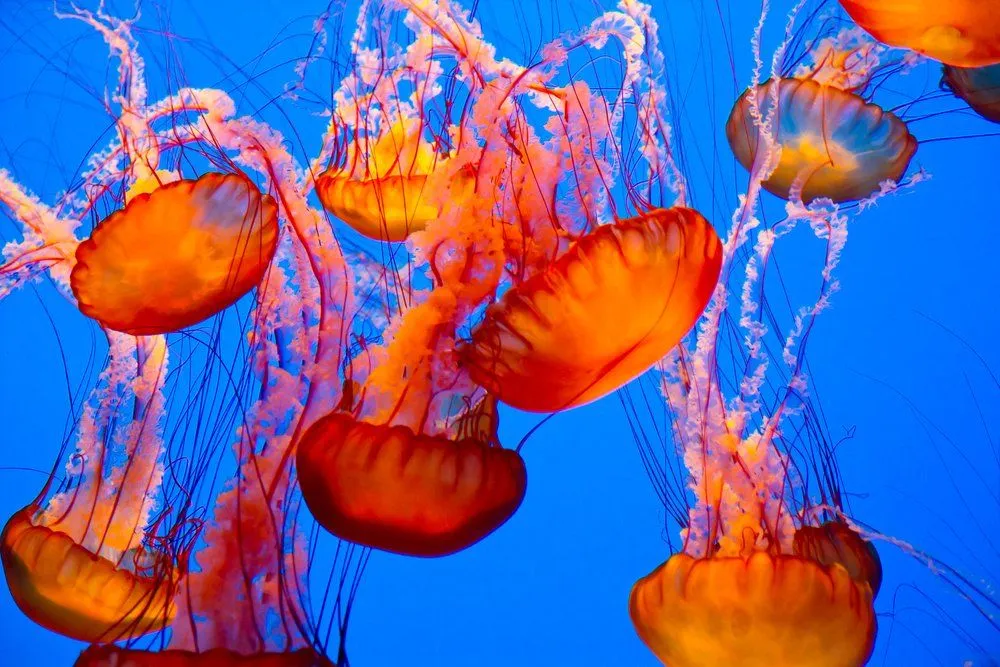
Aside from the physical advantages of having a head full of sensory organs that will allow animals to catch prey or elude predators, the cephalization process also resulted in a major concentration of neuronal connections, whereas uncephalized organisms lacked this interconnectedness. When more synapses and connections are made, an organism is able to become more advanced, simply because it is increasing its cognitive abilities. Granted, some creatures without cephalization are excellent survivors, such as jellyfish, which rely on a diffuse nerve net spread across the body instead of a central brain. They do just fine, but their capacity for complex neuronal activity is limited.
Cephalization On The Small Scale
Not only is cephalization a large-scale evolutionary trend seen across the planet, but it is also a much more microcosmic process that happens to all developing embryos. In those first nascent days and weeks of an embryo’s development, the earliest stages of nervous tissue formation can be monitored, and the movement of that nervous tissue towards the anterior part of the embryo can clearly be seen. In other words, our cephalization is deeply programmed into our genetic history, and is one of the earliest trends to manifest when we are still developing embryos.

A Final Word
You may not think too often about your brain or the pattern of its development, but the arrangement of a head and nervous tissue remains one of the most critical advantages we have as living beings. From the smallest bugs to the largest warriors, every creature has cephalization to thank for just how far it has come!
References (click to expand)
- Trends in Evolution.
- Sacher, G. A. (1978, April 1). Longevity, Aging, and Death: An Evolutionary Perspective. The Gerontologist. Oxford University Press (OUP).
- Sternberg R. J. (2000). Handbook of Intelligence. Cambridge University Press
- Jerison, H. J. (1961, March 31). Quantitative Analysis of Evolution of the Brain in Mammals. Science. American Association for the Advancement of Science (AAAS).