Table of Contents (click to expand)
Simply put, a nucleus is a membrane-bound organelle found in all eukaryotic cells that contains the genetic and chromosomal information of an organism. The nucleus holds the DNA that is required for a cell to replicate and for an organism to grow
Anyone who has ever studied the human body understands that every individual part plays a key role, serving a critical purpose that keeps us running and maintains our overall health. This applies to the large scale as well as the microcosmic level. From our pair of inflatable lungs to the microscopic organelles in every single one of our cells, the anatomy and physiology of human beings is remarkably interconnected and complex.
However, some elements of life are more critical than others, or at least sit closer to the center of the action. This is certainly true of the nucleus, which sits inside most eukaryotic cells, directing and regulating cellular activities. While some specialized cells, like mature red blood cells, function without a nucleus, the vast majority of cells depend on this organelle. Clearly understanding what the nucleus does, and why it is so important, can provide a bottom-up understanding of life itself!
What Is A Nucleus?
Simply put, a nucleus is a membrane-bound organelle found in all eukaryotic cells that contains the genetic and chromosomal information of an organism. The nucleus holds the DNA that is required for a cell to replicate and for an organism to grow.
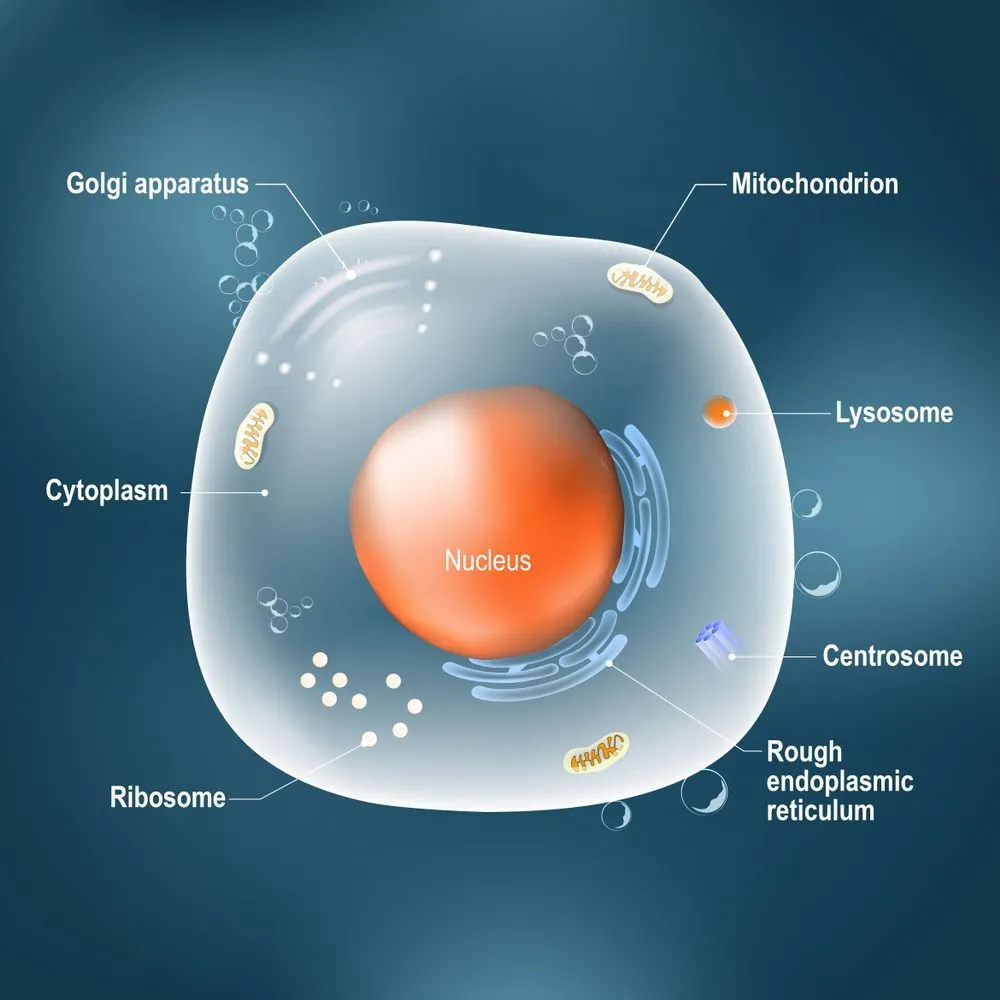
In combination with various proteins called histones, this DNA is organized into chromosomes. The nucleus is bound in a double membrane, the nuclear envelope, which separates it from the rest of the contents of the cell, including the other organelles.
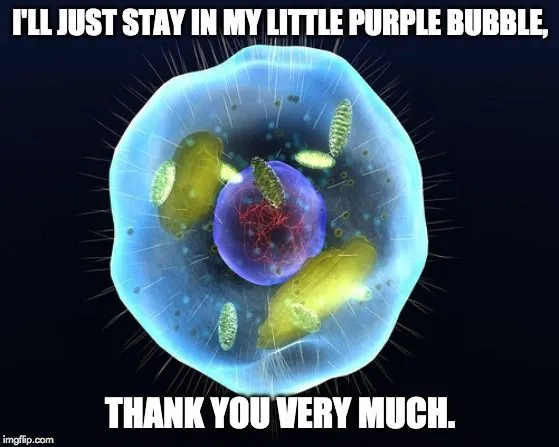
The nuclear envelope acts as a barrier, allowing only certain molecules through the nuclear pores, and maintaining the shape of the nucleus. This regulation of movement is done with the help of carrier/transport proteins on the surface of the nuclear envelope. The nucleus is filled with nucleoplasm, a similar gelatinous substance to the cytoplasm that fills the rest of the cell.
This fluid facilitates the movement of molecules and all genetic activity within the nucleus. Considering that the nucleus contains the majority of genetic material (chromosomal DNA and other proteins), the nucleus also regulates genetic expression, earning it the reputation as the “brain” of every cell.
A nucleus also contains a nucleolus, which is essential for protein synthesis (and will be explained fully below), as well as connections to the endoplasmic reticulum and the general cellular infrastructure, allowing it to maintain control and regulation of all cell activities. In short, a nucleus is the enclosed “control center” of a eukaryotic cell.
What Does The Nucleus Look Like? (Size, Shape And Color)
If you picture the nucleus as a bright purple ball, you can thank the microscope slides for that. A living nucleus doesn’t really have a color of its own. Under an ordinary brightfield microscope, unstained living cells appear semi-transparent, with only highly refractive regions, such as the cell membrane and the nucleus, faintly visible. The famous purple comes from dyes. In the classic hematoxylin and eosin (H&E) stain used in labs and hospitals, hematoxylin has a deep blue-purple color and stains nucleic acids, so the DNA-packed nucleus turns blue to purple, while eosin tints the cytoplasm and the material between cells pink.

As for size, you would need a microscope to see one. According to Cell Biology by the Numbers, nuclei have typical diameters between 2 and 10 microns (micrometers), and a human fibroblast, a common connective tissue cell, carries a nucleus roughly 10 microns across. You could line up about 100 of those nuclei across a single millimeter.
How much of the cell the nucleus fills varies quite a bit. In resting lymphocytes (a type of white blood cell), the nucleus occupies almost the whole cell, whereas in macrophages or fat cells it takes up a much smaller share of the total volume. Shape varies too. Most nuclei are round or oval, but the nucleus of a mature neutrophil, another white blood cell, is split into several lobes strung together like pearls on a string. This isn’t just a quirky design choice. A 2023 study in the Journal of Cell Science found that neutrophils with more nuclear lobes squeezed through narrow channels faster, which suggests the lobed shape helps these immune cells slip through tight spaces.
Function Of The Nucleus
“Cellular activity” is a rather vague term, however, and considering that a nucleus is the “brain” of a cell, that activity deserves some explication. Similar to human beings and their brains, without a nucleus, most cells would be unable to regulate gene expression or divide, and would eventually die. That being said, the basic purpose of a nucleus is to provide a space for DNA replication and to control gene expression within the cell. How it does this is complicated, but important to understand.
The nucleolus, mentioned above, is an oft-overlooked part of the nucleus, but this is where the majority of the cellular “magic” occurs.
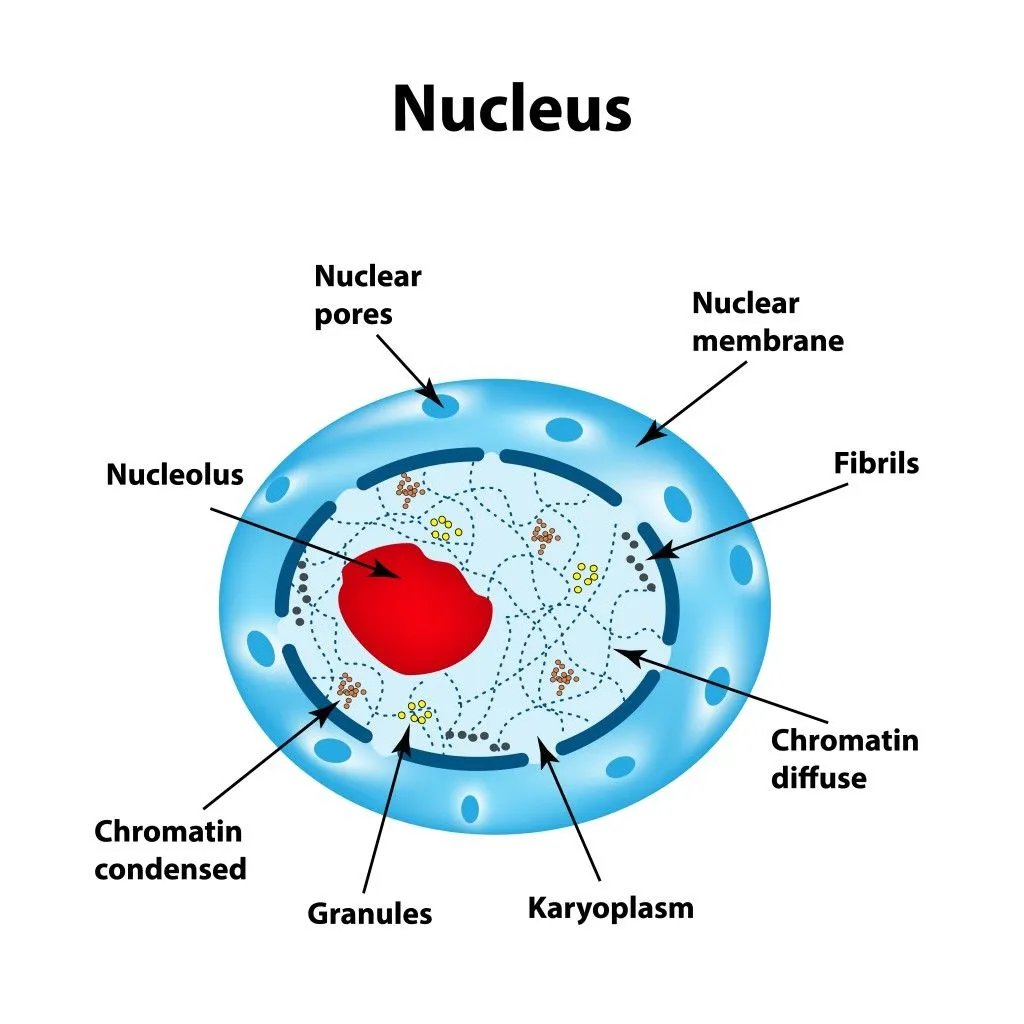
The nucleolus is a dense structure in the nucleus composed of proteins and RNA. Nucleoli assemble around clusters of ribosomal DNA genes, making this the site where ribosomal RNA (rRNA) is synthesized and ribosomes are created. Ribosomes will then be moved out of the nucleus into the cytosol of the cell, where they play a key role in protein synthesis by translating mRNA either on the endoplasmic reticulum or as freely moving ribosomes. The ribosome subunits are assembled in the nucleolus before being exported to the cytoplasm. Meanwhile, messenger RNA (mRNA) is transcribed from genes throughout the nucleus. This mRNA is then moved out into the cytoplasm through nuclear pores, where it is translated by ribosomes with the help of tRNA to synthesize proteins, all according to directions encoded in the DNA!
Holding and protecting the cell’s genetic material is the most important function of the nucleus, as this chromosomal DNA controls which genes are expressed, and which proteins are synthesized, essentially directing all activities that go on in the cell. This is why most cells cannot survive without a nucleus; in its absence, there would be nothing “pulling the strings”, per se. When a cell is not dividing, the chromosomes are organized into long strings of chromatin, whereas they will solidify and tighten into chromosomes during cell replication. Between cellular divisions, the genetic material will be replicated within the nucleus, an essential step before a cell can divide.
Other Functions Of The Nucleus
Controlling genetic expression and protein synthesis, along with protecting a cell’s genetic material, are the main purposes of the nucleus, but there are some other overlooked elements of this organelle. The structural framework of the nucleus is composed of lamin proteins, specialized proteins that serve multiple purposes throughout their life. When a cell is healthy, they provide structure and stability for the nucleus. When a damaged cell undergoes apoptosis (programmed cell death), the lamins are on the receiving end rather than pulling the trigger: enzymes called caspases cut them apart, and cleavage of lamin A is required for the chromatin to condense as the nucleus is dismantled.
There are other nuclear bodies aside from those discussed at length above, including those with exotic names like PML bodies, Cajal bodies, Splicing Speckles and clastosomes. The specific functions of these largely unstudied nuclear bodies are typically related to pre-mRNA processing and transcription, DNA replication, and nucleoplasm regulation. The details of these nuclear bodies goes beyond the scope of this article, as many of them are still being researched.
How Does The Nucleus Work With Other Organelles?
The “brain of the cell” nickname makes the nucleus sound like a lone genius locked in a tower, but it behaves more like a head office that never stops sending memos. Its closest partner is the endoplasmic reticulum (ER). The outer membrane of the nuclear envelope is continuous with the ER, so the two are physically part of one connected membrane system, rather than neighbors passing notes across the street.

The second partnership involves ribosomes. As described above, the nucleolus assembles ribosome subunits and exports them, while messenger RNA copies of genes leave through the nuclear pores, large protein channels that perforate the nuclear envelope and control the traffic of big molecules in and out. Out in the cytoplasm, ribosomes, either free-floating or attached to the rough ER, read those messages and build the proteins they describe.
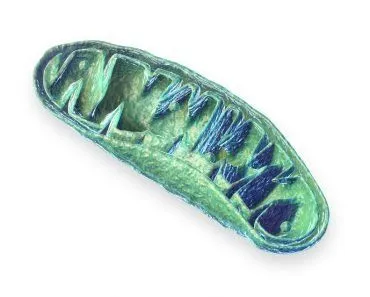
The most surprising relationship, however, is with the mitochondria, the cell’s power plants. Mitochondria carry a small genome of their own, but mitochondrial DNA contains just 37 genes, and only 13 of them code for proteins (enzymes used to make ATP, the cell’s energy currency). Almost all of its other proteins come from the nucleus. The MitoCarta3.0 inventory lists 1,136 human genes encoding mitochondrial proteins, and 99% of those proteins are encoded by the nuclear genome. The power plants may keep a short instruction manual of their own, but nearly every spare part they run on is ordered from the nucleus.
Do All Cells Have A Nucleus?
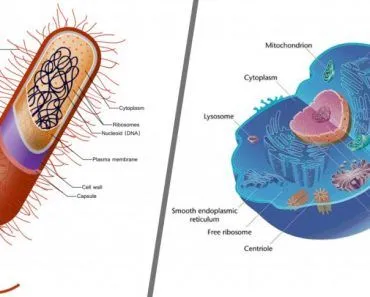
No, and the exceptions are some of the most interesting cells around. For starters, two entire domains of life go without one. Prokaryotes (bacteria and archaea) are simple, mostly single-celled organisms that lack a nucleus or any other membrane-bound organelle. Their DNA sits in a central region called the nucleoid, with no envelope wrapped around it.
Even inside your own body, not every cell keeps its nucleus. Mammalian red blood cells expel their nucleus as they mature, a process called enucleation. The result is a nucleus-free, biconcave disc that can pack in more hemoglobin, offers a large surface area for rapid gas exchange, and is flexible enough to survive repeated trips through narrow blood vessels and the tight slits of the spleen. The trade-off is a limited shelf life. A circulating red blood cell lasts about 120 days, so an adult has to produce roughly 200 billion (2 × 10¹¹) new red blood cells every day just to keep up.

At the other extreme, some cells have far more than one nucleus. A skeletal muscle fiber forms when many precursor cells called myoblasts fuse together, and a single fiber can contain hundreds of nuclei distributed across the cell. So the next time you lift a grocery bag, remember that each of the long muscle cells doing the work may be running on hundreds of nuclei at once.
Does The Nucleus Do Something Different In Plant And Animal Cells?
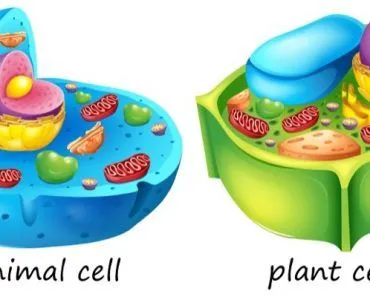
A common homework question asks for the main function of the nucleus in a plant cell, and then again in an animal cell, as if the answers should differ. In the big picture, they don’t. Plants and animals are both eukaryotes, and in both, the nucleus stores the cell’s DNA, controls which genes are expressed and provides the space where DNA is copied before the cell divides. The differences lie in the details.

The first difference is location. Plant cells contain a large vacuole, absent in animal cells, that can swell until it occupies more than 90% of the total cell volume. As it expands, the cytoplasm, which then makes up less than 10% of the cell’s volume, gets pushed to the periphery. That is why the nucleus of a mature plant cell is often found off to one side rather than at the center. In fact, when some vacuole-filled plant cells prepare to divide, the nucleus migrates to the cell’s center, suspended by thick strands of cytoplasm that stretch across the vacuole.
The second difference is structural. Animal nuclei are reinforced by the lamin proteins described above, but lamins are only found in animals. Plants build their nuclear lamina from a different family of proteins. In the model plant Arabidopsis, these are called CROWDED NUCLEI (CRWN) proteins, and mutant plants lacking some of them end up with smaller, rounder nuclei.
A Final Word
While most people are familiar with the term “nucleus”, and realize that it is an important part of any cell, the specific functions and responsibilities of the nucleus are often misunderstood. It is more than a storage space for DNA, and it does more than call the shots for the cell; the nucleus is the treasure at the center of the labyrinth, the complex and tireless engine driving all cellular function. Without the nucleus, enclosed in its protective envelope, the level of genetic complexity enjoyed by eukaryotes would be impossible, meaning that humans would never have reached the point where we could study this fascinating and critical organelle!
References (click to expand)
- Görlich, D., & Kutay, U. (1999, November). Transport Between the Cell Nucleus and the Cytoplasm. Annual Review of Cell and Developmental Biology. Annual Reviews.
- Shaw, P. J., & Jordan, E. G. (1995, November). The Nucleolus. Annual Review of Cell and Developmental Biology. Annual Reviews.
- Akhtar, A., & Gasser, S. M. (2007, June 5). The nuclear envelope and transcriptional control. Nature Reviews Genetics. Springer Science and Business Media LLC.
- Boisvert, F.-M., van Koningsbruggen, S., Navascués, J., & Lamond, A. I. (2007, July). The multifunctional nucleolus. Nature Reviews Molecular Cell Biology. Springer Science and Business Media LLC.
- Milo, R., & Phillips, R. How big are nuclei? Cell Biology by the Numbers. BioNumbers.
- Fischer, A. H., Jacobson, K. A., Rose, J., & Zeller, R. (2008). Hematoxylin and eosin staining of tissue and cell sections. CSH Protocols. Cold Spring Harbor Laboratory Press.
- Introduction to Phase Contrast Microscopy. Nikon MicroscopyU.
- Shen, C., Mulder, E., Buitenwerf, W., et al. (2023). Nuclear segmentation facilitates neutrophil migration. Journal of Cell Science, 136(11), jcs260768.
- Sculpting nuclear envelope identity from the endoplasmic reticulum during the cell cycle. Nucleus. PubMed Central.
- Mitochondrial DNA. MedlinePlus Genetics. U.S. National Library of Medicine.
- Rath, S., Sharma, R., Gupta, R., et al. (2021). MitoCarta3.0: an updated mitochondrial proteome now with sub-organelle localization and pathway annotations. Nucleic Acids Research.
- Prokaryotic Cells. Biology 2e. OpenStax, Rice University.
- Erythroblast enucleation at a glance. Journal of Cell Science. PubMed Central.
- Nuclear scaling is coordinated among individual nuclei in multinucleated muscle fibers. Developmental Cell. PubMed Central.
- Cytoskeleton as a generator of characteristic physical properties of plant cells: cell wall, large vacuole, and cytoplasmic streaming. Biophysics and Physicobiology. PubMed Central.
- Cutler, S. R., & Ehrhardt, D. W. (2002). Polarized cytokinesis in vacuolate cells of Arabidopsis. Proceedings of the National Academy of Sciences.
- Plant lamin-like proteins mediate chromatin tethering at the nuclear periphery. Genome Biology. PubMed Central.
- Ruchaud, S., Korfali, N., Villa, P., et al. (2002). Caspase-6 gene disruption reveals a requirement for lamin A cleavage in apoptotic chromatin condensation. The EMBO Journal.