Mymaridae, a family of chalcid wasps referred to as fairy flies, are the smallest known organisms with multi-chambered hearts.
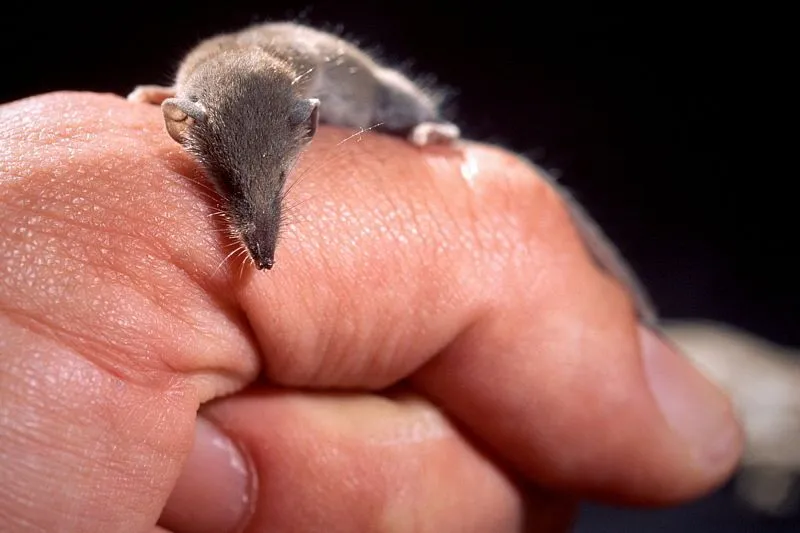
Last night, I was browsing through my YouTube feed when I came across a rather interesting video. It was about the Etruscan shrew, the smallest mammal on earth by weight, and its heart is mind-blowing, racing at up to 1,500 beats per minute under stress (with a still-staggering resting rate around 800–900 BPM)! This got me wondering about the smallest known organism with a multi-chambered heart.
After all, while the Etruscan shrew is the smallest known mammal, it’s hardly the smallest organism. As I soon discovered, the answer to this question is much more complicated than one might originally assume. To answer it, we need to understand the different circulatory systems that exist in the animal kingdom.
Understanding Circulatory Systems
Organisms with hearts don’t always have a circulatory system that works like a mammal, or even like an amphibian or a fish. The circulatory system in most multi-cellular organisms functions as a method of delivery for blood, hormones, nutrients, etc.
It’s important to note that not all circulatory systems are dually responsible for the transfer of oxygen. For example, in insects, the hemolymph (blood in arthropods, not to be confused with hemoglobin) does not transfer oxygen, which is instead done by the tracheal system (respiratory system).
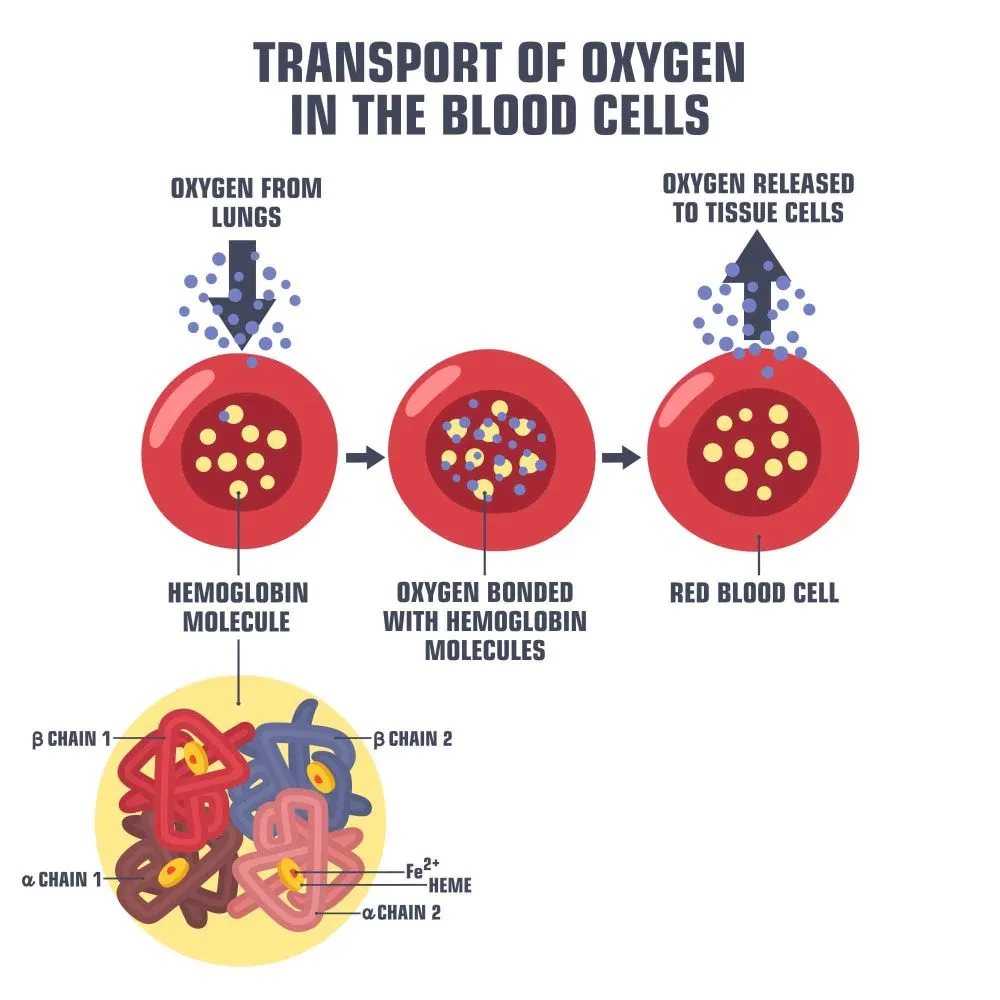
Circulatory systems come in two kinds: open and closed. Mammals, amphibians, reptiles, and birds all have closed circulatory systems, while arthropods have an open circulatory system. The two systems are different based on how blood flows within the body of the organism and what functions the blood carries out.
Closed Circulatory Systems
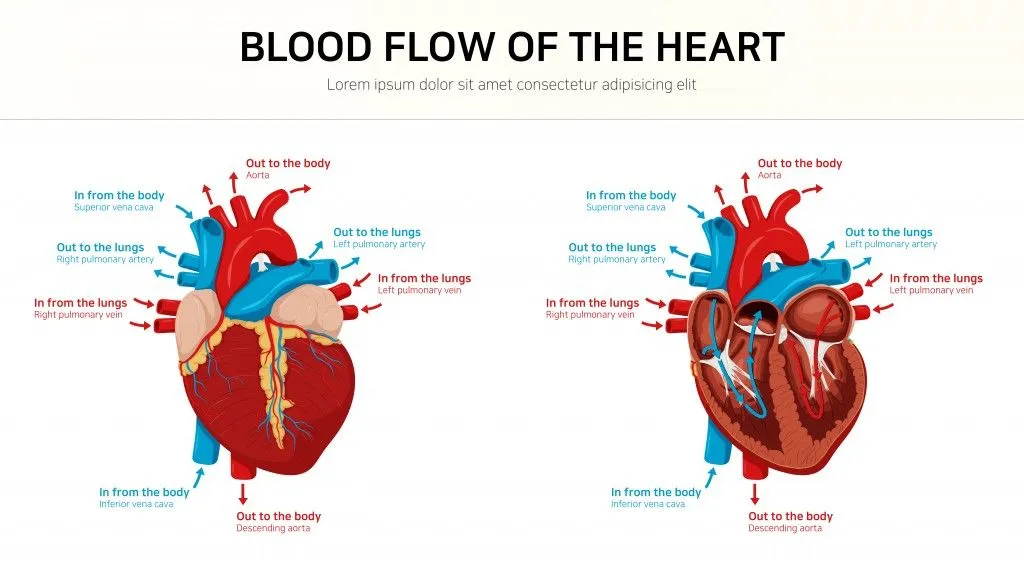
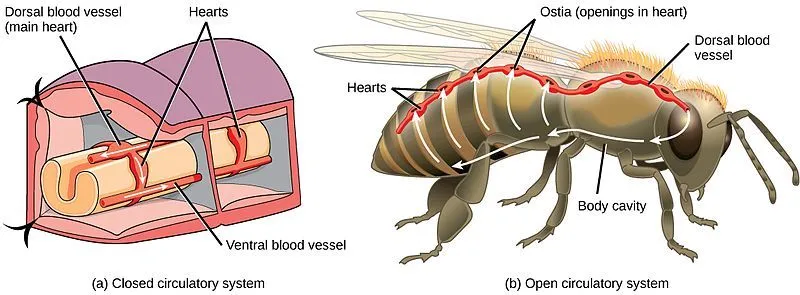
In a closed circulatory system, like the one you and I have, the blood is contained within our veins and arteries, and our hearts are muscular organs. Mammals, birds, and crocodiles have four chambers (2 atria and 2 ventricles) in their hearts. Fish have two chambers (an atrium and a ventricle), while amphibians and reptiles, apart from crocodiles, have 3 chambers (2 atria and a ventricle) (Source).
Here, the atrium is the upper chamber where the blood is pumped in and the ventricle is the lower chamber from which the blood is pumped out. Once the deoxygenated blood is pumped into the heart, it goes into the pulmonary circuit (lungs or gills). At that point, the blood is oxygenated and then pumped back into the heart and distributed to the rest of the body.
Open Circulatory Systems
On the other hand, in an open circulatory system, the blood is not held within blood vessels; the blood (usually referred to as hemolymph in this context) flows freely within the body cavities and comes in direct contact with the organs and tissues of the organism. This means that arthropod hearts aren’t very similar to the hearts in closed circulatory systems.
In an arthropod, the dorsal vessel is the organ that performs the function of keeping the hemolymph flowing and moving within the body of the arthropod and is therefore referred to as the heart. It runs from the abdomen to the head and is divided into multiple chambers by valves called ostia. These valves ensure that blood only flows in one direction. The actual beating of the vessel is caused by the alary muscles, which are laterally attached to each chamber.
Ultimately, which organism has the smallest multi-chambered heart?
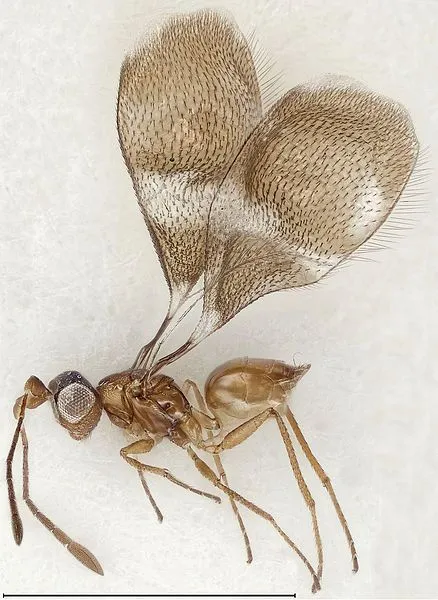
The answer lies in a microscopic family of chalcid wasps called Mymaridae, which are often referred to as ‘fairyflies’ due to their wing shape being reminiscent of fairies, along with their tiny size. The size of these wasps ranges from 0.2mm-1.8mm (Source), making them almost completely invisible to the naked eye.
One would need a microscope to look at them properly! These insects are so tiny that moving through the air is like moving through soup for them, which is why they have hair-fringed wings that help them parse through the atmosphere. This family of chalcid wasps has 103 genera and over 1400 species! (Source) They are found all over the world in both temperate and tropical climates.
The Mymaridae are also parasitic. They lay their eggs in the same place as the eggs of other insects. When the larvae hatch, they use the eggs of the other insects as sources of food. As a result of this, they have been used in biological pest control programs and have shown significant positive results. Most notable results have been discovered in pests found in Eucalyptus trees in New Zealand, South Africa, South America, and Southern Europe.
Owing to the rather small size a good portion of the Mymaridae don’t develop hearts or tracheal systems in their larval stage, after all, everything they need to grow is found right where they hatch. Even as adults, their heart is diminished because of their microscopic size. These unique qualities make life as a microscopic organism possible.
It is safe to say that this family of chalcid wasps is truly fascinating and an ode to how life always finds a way to make it work.
Do Flies, Moths And Other Insects Actually Have Hearts?
Yes, they do, but an insect heart looks nothing like the fist-sized, muscular pump beating in your chest. In a fly, a moth, a wasp or a beetle, the heart is a slender tube (the dorsal vessel) that runs along the inside of the back, from the abdomen up toward the head. Along the abdomen it is divided into chambers separated by one-way valves called ostia, and wave-like peristaltic contractions squeeze the hemolymph forward from chamber to chamber. When the tube relaxes, the ostia open again and fresh hemolymph is drawn in from the surrounding body cavity.

So if you have ever wondered what a fly’s heart looks like, picture a faint, throbbing thread rather than a fist-sized organ. And this heart has an easier job than ours: because oxygen in insects is delivered straight to the tissues by the tracheal system rather than by the blood, the hemolymph does not need to carry it. That is a very different arrangement from the way our own heart pumps oxygen-rich blood around a closed loop of vessels.
One detail is stranger still. In many flying insects, including blowflies, the heart does not simply beat in one direction. It periodically reverses, driving hemolymph forward toward the head for a spell and then backward toward the tail. In the blowfly Calliphora vicina, one full forward-and-backward cycle lasts roughly 34 seconds, a rhythm that also helps shuttle air pressure between the thorax and abdomen.
Meet The Fairyfly: The World’s Smallest Insects
Despite the name, a fairyfly is not a fly at all. Fairyflies make up the family Mymaridae, a group of chalcidoid wasps with roughly 100 genera and around 1,400 described species. Most are between 0.5 and 1 millimeter long, though the family spans from about 0.13 to 5.4 millimeters. Every known fairyfly is an egg parasitoid, laying its own eggs inside the eggs of other insects, which is exactly why several species have been recruited as biological pest-control agents.

What makes this family so remarkable is that it contains the smallest insects on Earth. The record holder is Dicopomorpha echmepterygis, whose males can be as short as 139 micrometers, or 0.139 millimeters. That is smaller than some single-celled organisms, such as a large Paramecium, and these males pay a steep price for their size: they are blind and completely wingless, living out their brief lives inside the very host egg where they hatched. The females, at roughly half a millimeter, are far larger and keep both their wings and their eyes.
The smallest insect that can actually fly is another fairyfly, Kikiki huna from Hawaii, at about 0.15 millimeters. Bodies this tiny are what earn the fairyfly its quieter distinction: because it is an insect, it carries a multi-chambered dorsal-vessel heart, which makes it the smallest known organism to possess one.
References (click to expand)
- 10 Amazing Animal Heart Facts - NC State Veterinary Medicine - cvm.ncsu.edu
- Circulatory System – ENT 425 – General Entomology. North Carolina State University
- Heart - Other Animals. Wikipedia
- Knight, K. (2016, December 1). Bristly wings give fairyflies the edge. Journal of Experimental Biology. The Company of Biologists.
- Mymaridae (fairyflies). Wikipedia
- Dicopomorpha echmepterygis (smallest known insect). Wikipedia
- Wasserthal, L. T. (2012). Periodic heartbeat reversal in resting blowflies. Journal of Experimental Biology.