Table of Contents (click to expand)
Meat tastes savory and meaty because of umami molecules (glutamate, inosinate and guanylate) that build up as muscle proteins break down. When meat is cooked, the Maillard reaction between amino acids and sugars at around 140 to 165 °C (284 to 329 °F) generates hundreds of new aroma compounds and the browned, roasted crust that we recognize as "meaty".
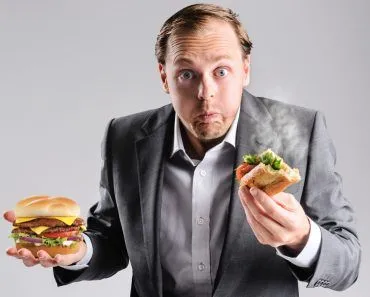
Freshly baked bread holding a juicy grilled burger dripping with toppings and sauce lies on your plate. You take a bite and your mouth is coated with the undeniable flavor of the meat, which can only be described as… meaty. There is simply nothing else like it.
To understand why meat tastes like meat, we need to look at the chemistry of how it’s cooked.
Unraveling The Taste Of Meat: Umami
Meat is the powerhouse of umami flavor. The savory flavor lies in the unique blend of protein, sugar and fat that is transformed into highly palatable flavors by cooking meat at high temperatures.
Beef is typically aged for several days to several weeks (around 7 to 14 days for wet-aging in vacuum packs, and 14 to 60 days or more for dry-aging in a chilled, humidity-controlled room). During this time, the meat's own enzymes (calpains and cathepsins) break down muscle proteins and release free amino acids, the building blocks that make up the proteins. Of the molecules that build up during aging, glutamate, inosinate and guanylate give meat its umami savoriness, and together they amplify one another, making the taste many times stronger than glutamate alone.
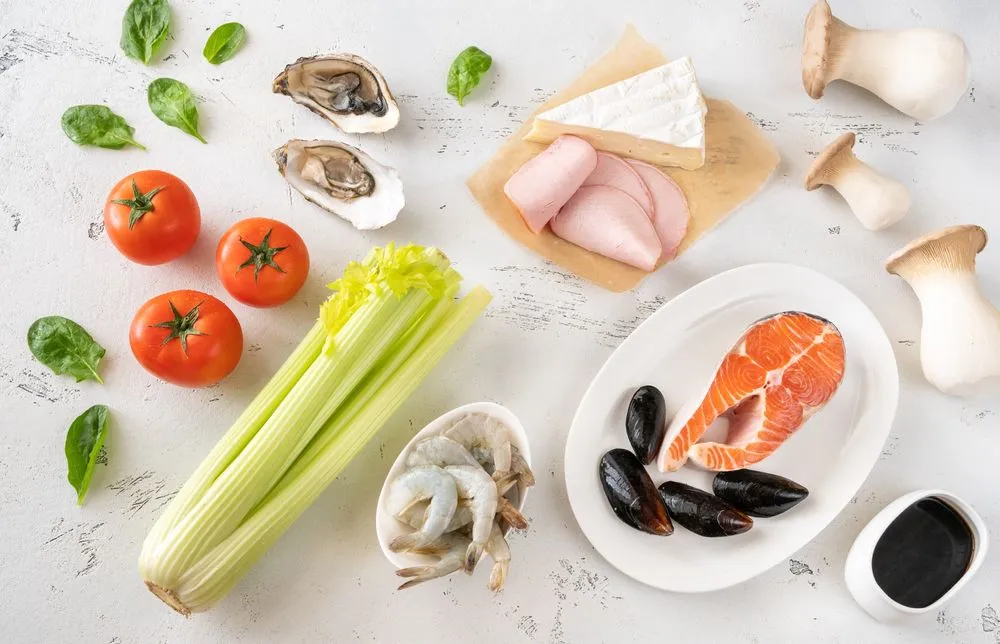
These molecules aren’t only found in meat. Glutamate is found in soy sauce, sun-dried tomatoes, monosodium glutamate (MSG; often added to food to give a savory kick), and Parmesan cheese. With its mix of umami taste and sugar, tomato ketchup is the perfect dipping sauce.
Combinations of different foods with ingredients of umami lead to so-called umami bombs (a blast of that meaty taste). Tasting umami activates the secretion of saliva and digestive juices, facilitating the easier digestion of food.
How Cooking Meat Releases Its Meaty Flavors
Amino acids aren’t the whole answer; if that was the case, raw meat would taste just as meaty as a grilled steak. Cooking the meat further causes the molecules in meat to break down and the heat chemically alters many of these molecules.
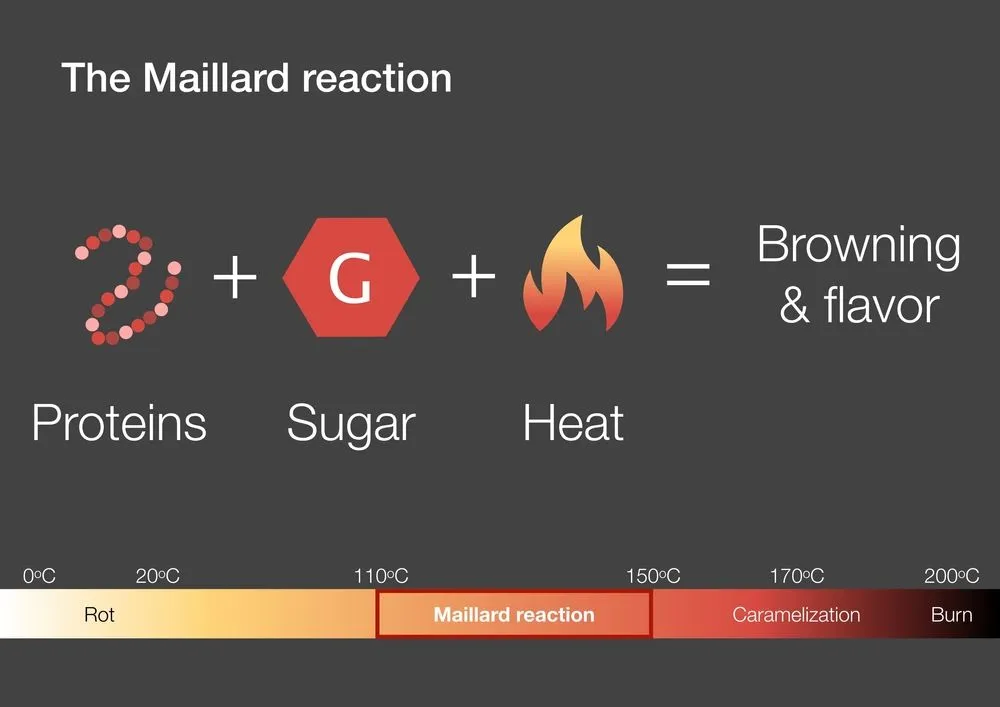
Steak, toast, caramel, and bread gain a distinct aroma and flavor when they are cooked by a process of non-enzymatic browning at temperatures between 140ᵒC and 170ᵒC. Enzymatic browning is when enzymes chemically alter the food, which is what happens when fruits ripen.
Non-enzymatic browning comes in 2 types: Caramelization and the Maillard reaction.
Caramelization is a reaction that involves the dehydration (removing water), decomposition (break down) and modification of sugars or carbohydrates when heated to high temperatures to form new compounds with a distinct brown color, flavor and aroma. It is purely a sugar reaction (no amino acids needed) and kicks in around 160 °C (320 °F) for table sugar. You taste it in caramel, the golden top of crème brûlée, and the deeper notes of a heavily roasted onion.
A Maillard reaction is a chemical reaction between amino acids (from proteins) and reducing sugars that are transformed by heat to create distinct flavors, aromas, and a brown color that makes food enticing. The deep brown crust on a seared steak, the surface of a roast chicken, and the rich color of grilled burgers all come from Maillard, not caramelization.
The basis of a Maillard reaction is heat, sugar and amino acids to produce a complex plethora of taste, color, flavor and aroma.
The reaction happens between reducing sugars and amino acids at temperatures of 110ᵒC to 165ᵒC. The cascade reaction gives several complex intermediate compounds that culminate in a distinct flavor, aroma and taste. A Maillard reaction is also affected by pH and temperature.
Which Products Of Cooking Meat Give It That Distinct Taste?
There are literally hundreds of volatile compounds formed during such browning reactions. The products that form depend on the sugar, amino acids, temperature and pH.
Sugars interact with sulfur-containing amino acids, such as cysteine and methionine, to form volatile compounds with meaty flavor notes. These will then react with sulfur-free amino acids to form nitrogen compounds, such as pyrazines. Lysine gives that dark browning effect to the Maillard reaction.
What Do Maillard Reactions Mean To A Consumer?
The Maillard reaction combines these two signals into nutritious and palatable food with roasted or browned flavors. This gives a complex manifestation of flavor and aroma molecules with a darker color, due to edible pigments called melanoidins.
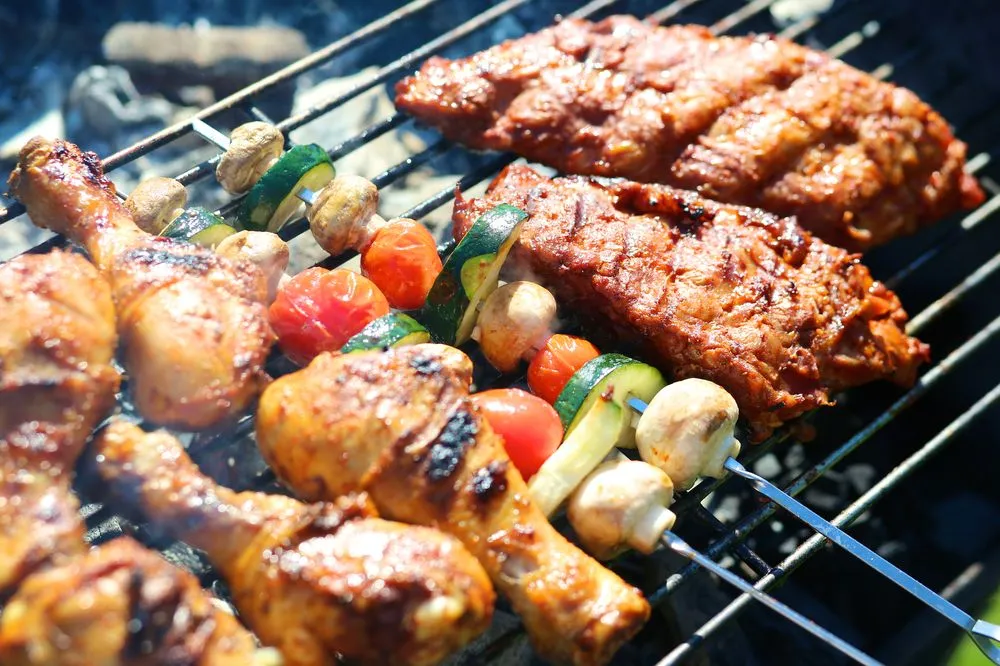
The listed compounds interact among themselves to produce the aromatically flavored brown residue called melanoidins.
Understanding Melanoidins
The end product of a Maillard reaction is the high molecular weight, nitrogenous, brown-colored melanoidins. The different types of melanoidins formed depend on the sugars, 20 different amino acids, temperature, time and pH of the Maillard reaction.
They not only make meat taste like meat, but also contribute to the strong whiff of coffee. The taste of coffee comes from a dry weight of 25% melanoidin! In beer, melanoidins are formed during malting, and the brewing of malt controls the flavor, color, and viscosity of beer.
They possess a broad range of biological qualities, such as antioxidant, antimicrobial, anti-inflammatory, antihypertensive, and prebiotic properties.
However, not all products of Maillard reactions are beneficial. When starchy foods like potatoes, bread or coffee are heated above about 120 °C (248 °F), the amino acid asparagine reacts with reducing sugars to form acrylamide, a compound classified by the International Agency for Research on Cancer (IARC) as "probably carcinogenic to humans" (Group 2A) and known to be neurotoxic at high doses. Meat itself contains very little asparagine, so most dietary acrylamide actually comes from plant-based foods, not the steak on your plate.
What Does Raw Meat Taste Like?
If cooking builds most of meat's flavor, then raw meat should taste like a faint sketch of the real thing, and it does. Uncooked beef is soft and slippery, with a mild savory note and a distinctly metallic, serum-like taste rather than the deep, roasted flavor of a seared steak. That metallic edge comes from myoglobin, the iron-rich protein that stores oxygen in muscle and gives red meat its color. When you chew, the heme iron in myoglobin reacts with your saliva and taste receptors to produce that faint tang of iron.

The red liquid pooling under a raw steak is often mistaken for blood, but it is almost entirely myoglobin mixed with water, a fluid butchers call purge; nearly all of an animal's blood is drained during processing, long before the cut reaches the shop. Raw meat tastes muted because its umami compounds are still building and, crucially, the Maillard reaction has not yet run, so the hundreds of roasted aroma molecules that define "meatiness" simply are not there yet. It is savory enough, though, that several cuisines serve beef raw, from French steak tartare and Italian carpaccio to Korean yukhoe.
Why Do Different Meats Taste Different?
Beef, pork, chicken and fish all run through the same umami-plus-Maillard chemistry, yet none of them tastes alike. A major reason is fat. Each species lays down fat with its own fatty-acid profile, and when that fat is heated it breaks down into a species-specific mix of aldehydes, ketones and other volatile compounds. Beef and lamb, for instance, carry more polyunsaturated fatty acids in their fat, which is a large part of why a lamb chop smells nothing like a chicken thigh.

Myoglobin is the other big divider. Beef holds the most, pork and lamb sit in the middle, and poultry holds the least, which is exactly why we split meat into "red" and "white". More myoglobin means more iron and a stronger mineral, savory note. The lean muscle differs too: studies comparing chicken with pork, beef and duck find that pork is richer in creatinine, which adds a slightly bitter aftertaste, while chicken carries more free glutamate and aspartate that lift its brothy, umami character. Add in each animal's diet, age and how much its muscles were exercised, and every meat ends up with its own flavor fingerprint.
Why Does Meat Taste So Good?
Umami and the Maillard reaction explain why meat tastes meaty, but not quite why so many of us find it so hard to resist. A big part of that answer is, again, fat. Fat does more than add richness: many of the aroma molecules in cooked meat are fat-soluble, so the fat marbled through a steak acts as a reservoir that dissolves those compounds and releases them slowly as you chew, giving flavor a long, satisfying finish alongside a creamy, juicy texture.

Our brains are also wired to reward it. Fat is one of the most energy-dense things we can eat, and research shows that dietary fat activates the brain's reward-processing regions, such as the orbitofrontal cortex, even when people cannot consciously tell a high-fat food from a low-fat one. Combine that hidden reward signal with the savory hit of umami and the roasted aromas of the Maillard reaction (the same cues your taste and smell receptors are tuned to notice), and a browned, juicy piece of meat becomes an almost irresistible package of energy and flavor, most likely a hangover from an evolutionary past in which such calorie-rich food was rare and valuable.
Can We Make Vegan Meat Taste Like The Real Thing?
The climate crisis has made it clear that eating less meat is good for the environment. The vegan movement makes ethical and moral arguments against eating meat. This has led food researchers to develop alternatives that taste like meat, but don’t contain any animal products.
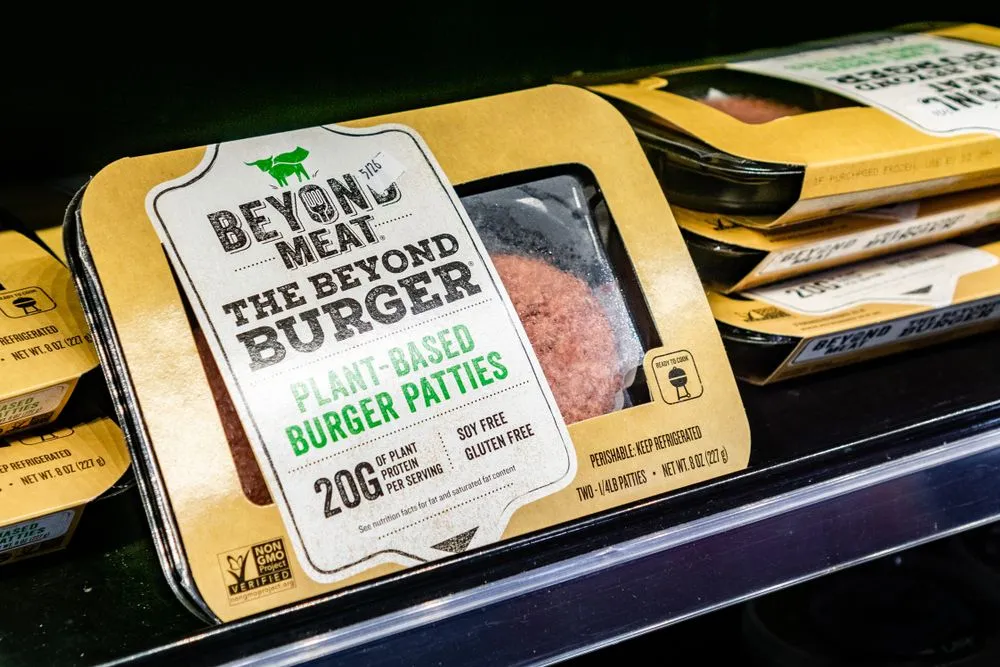
Plant-based meat alternatives on the market use the chemical compounds of Maillard reactions to generate the taste of meat in plant-based options.
Proteins from soy, wheat, pea and fava beans, starch, thickeners, stabilizers and emulsifiers can all make plant-based meat taste very much like authentic meat.
Billions of dollars have been invested to research finer and tastier meat-flavored plant products. The major players today include Beyond Meat, Impossible Foods, Kellanova's MorningStar Farms, Maple Leaf Foods (through its Greenleaf subsidiary with brands like Lightlife and Field Roast), Tyson Foods and Conagra. The category boomed in the late 2010s, then cooled sharply after 2022 as repeat purchases slowed, and is now being reformulated for simpler ingredient labels and better flavor.
Conclusions
So why does meat taste like meat? The umami building blocks (glutamate, inosinate and guanylate) set the savory baseline, and the Maillard reaction stacks hundreds of roasted, nutty and meaty aroma molecules on top of it when you apply heat. Different animals taste different because their muscles carry slightly different mixes of fats, amino acids and nucleotides, which means the same browning chemistry produces a different fingerprint of flavor compounds.
For our brains, that whole symphony works as a built-in food signal: the nutrition signal tells us the food is rich in protein and energy, while the cooked-aroma signal tells us it has been heated enough to be reasonably safe to eat. That is most likely why a sizzling, well-browned steak triggers such an immediate "yes" response, while raw meat does not.
References (click to expand)
- Bellisle, F. (1999, January). Glutamate and the UMAMI taste: sensory, metabolic, nutritional and behavioural considerations. A review of the literature published in the last 10 years. Neuroscience & Biobehavioral Reviews. Elsevier BV.
- Fruits Gone Bad? Discover Enzymatic Browning. Scientific American
- Lund, M. N., & Ray, C. A. (2017, May 30). Control of Maillard Reactions in Foods: Strategies and Chemical Mechanisms. Journal of Agricultural and Food Chemistry. American Chemical Society (ACS).
- He, J., Evans, N. M., Liu, H., & Shao, S. (2020, August 13). A review of research on plant‐based meat alternatives: Driving forces, history, manufacturing, and consumer attitudes. Comprehensive Reviews in Food Science and Food Safety. Wiley.
- The Color of Meat and Poultry. U.S. Department of Agriculture, Food Safety and Inspection Service (FSIS).
- Improving the Aromatic Profile of Plant-Based Meat Alternatives: Effect of Myoglobin Addition on Volatiles. Foods (2022). MDPI / PMC.
- Arshad, M. S., et al. (2018). Ruminant meat flavor influenced by different factors with special reference to fatty acids. Lipids in Health and Disease. BioMed Central.
- Metabolomics-Based Analysis of the Major Taste Contributors of Meat by Comparing Differences in Muscle Tissue between Chickens and Common Livestock Species. Foods (2022). MDPI / PMC.
- What Gives Meat Flavor and Why Do We Love It? Flavor and Extract Manufacturers Association (FEMA).
- Grabenhorst, F., et al. (2013). Dietary fat induces sustained reward response in the human brain without primary taste cortex discrimination. Frontiers in Human Neuroscience. PMC.