Table of Contents (click to expand)
Probably not, despite the popular "narcissism epidemic" idea. Research consistently links social media use to trait narcissism, but the two likely reinforce each other rather than one simply causing the other. And large cross-generational studies find narcissism has stayed flat or even declined since the 1980s, not surged. Clinical narcissistic personality disorder remains rare, affecting roughly 0 to 6 percent of people.
In a world that is increasingly dominated by social networking sites, it’s rather uncommon to find someone without any social media presence. Facebook, Instagram, Snapchat, Twitter, and now even Tik Tok have completely taken over our lives. From a two-year-old child to a senior citizen wanting to learn the basics of technology, the demographics of social media networks have expanded to all stages of the human lifespan.
Keeping up with fresh profile pictures, maintaining Snapchat streaks, rather than real relationships, uploading what you’re eating on Instagram instead of relishing the moment itself… our social lives have been completely transformed in a mere decade.
Along with all its pros and cons, the social networking boon and doom is also changing our personalities.
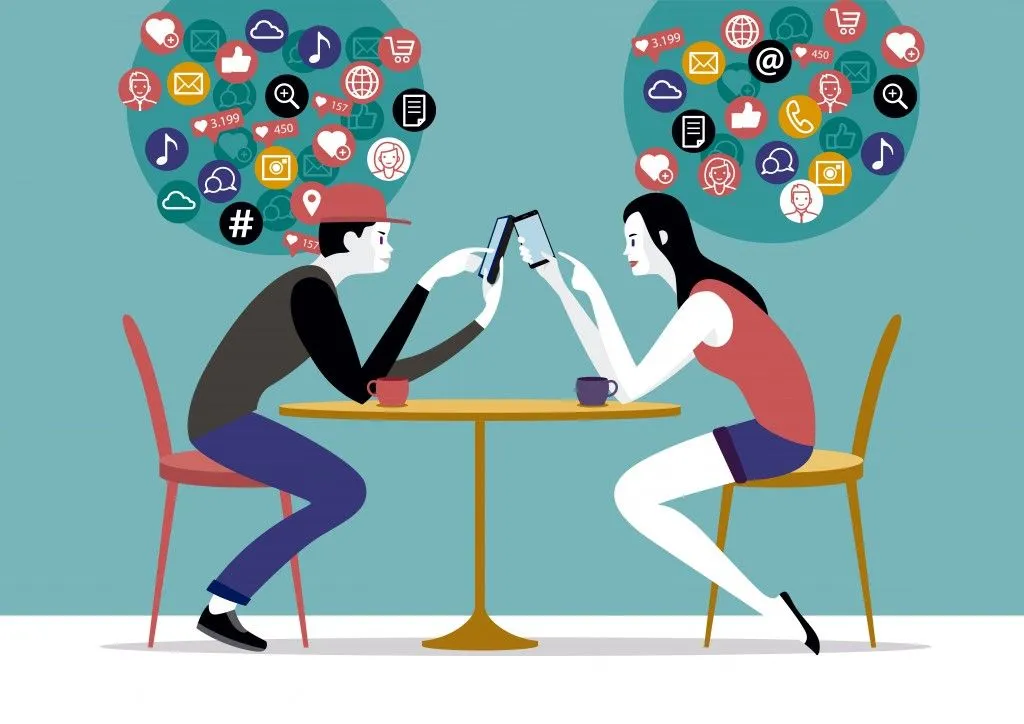
Be honest with yourself… have you uploaded pictures without any filters or taken a vacation without publicly announcing it on Facebook?
It’s tempting to say social media is turning all of us into raging narcissists. You’ve probably heard about the so-called "narcissism epidemic," the idea that each new generation is more self-absorbed than the last. The science here is genuinely messier than the headlines suggest, and we’ll come back to it. What researchers can say with more confidence is that the design of these platforms feeds narcissistic tendencies in people who already lean that way.
When talking about narcissism, it’s important to remember that we’re mostly discussing narcissism as a personality trait, on which we all fall somewhere, and not NPD (Narcissistic Personality Disorder), a clinical diagnosis that affects only an estimated 0 to 6 percent of people and requires professional assessment.
What Is Narcissism?
This word has been borrowed from a Greek myth, in which a young man named Narcissus was obsessed with his outward appearance and would spend most of his time looking at his own reflection in a pool.
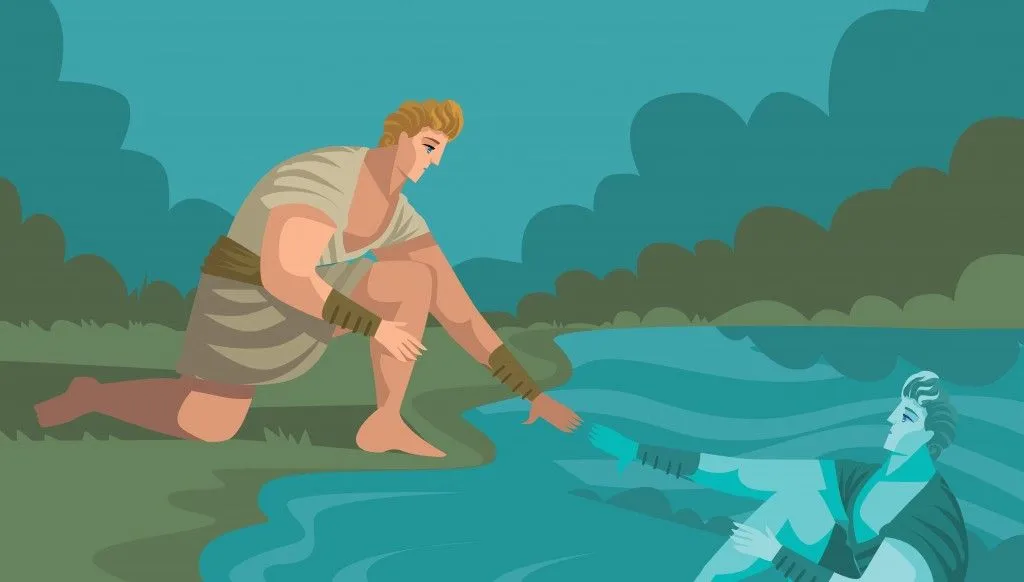
People scoring on the high end of the narcissism personality trait have characteristics of self-importance, perceived uniqueness, intra-personal grandiosity, exploitative behavior, interpersonal entitlement and a high need for attention.
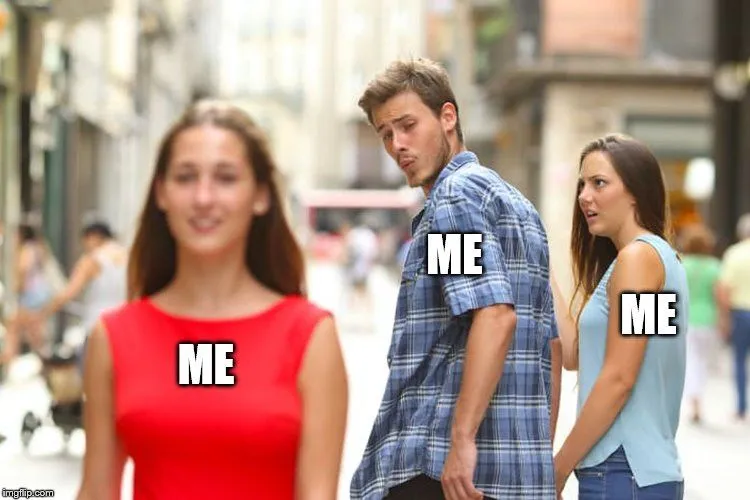
Narcissists have a high need for validation, so they are often considered show-offs.
When we look at social media, all the tools used on a social networking site feed a narcissist’s need for validation and approval. Here, social media can create a feedback loop, where people who already lean narcissistic get a steady dose of validation by uploading pictures, while the platforms themselves may help reinforce attention-seeking habits. Researchers are careful to note this is a correlation, so it’s hard to prove the apps create narcissism rather than simply attracting people who already have the trait.
What Aspects Of Social Media Feed Narcissism?
As narcissism requires constant validation, social media serves as a drug for many people. From constantly uploading pictures and ‘selfie obsession’ to nervously counting the number of likes on their pictures and followers are all tools of social media sites that make narcissists feel better about themselves. This is where the famous "narcissism epidemic" claim comes from. Psychologist Jean Twenge and colleagues pooled 85 samples of US college students (about 16,500 people tested between 1979 and 2006) and reported that scores on the Narcissistic Personality Inventory had crept upward over the decades, with roughly two-thirds of recent students scoring above the older average.
That sounds alarming, but the finding is far from settled. When later researchers reanalyzed comparable data and corrected for the fact that the test itself does not mean exactly the same thing to every generation, the supposed surge shrank or reversed. A 2017 study pointedly titled "The Narcissism Epidemic Is Dead; Long Live the Narcissism Epidemic" found a small decline in narcissism from the 1990s to the 2010s. A 2024 meta-analysis pooling more than half a million people across 55 countries reached the same verdict: narcissism scores have trended slightly down, not up, since the 1980s. So the honest answer to "are we all becoming narcissists?" is: probably not, at least not as a whole generation.
Pictures And Selfies
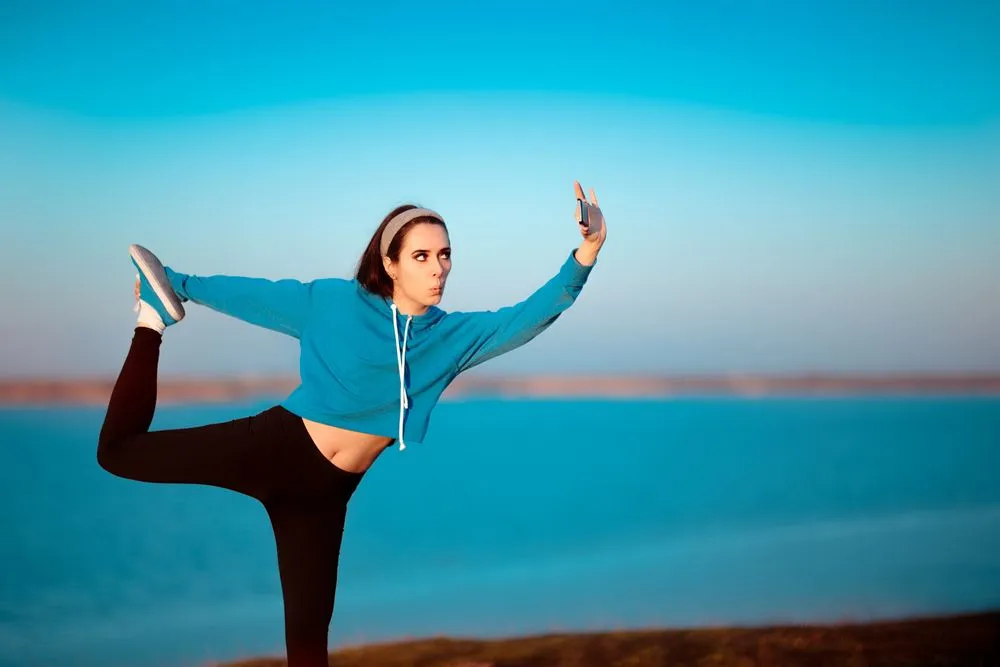
Consider Instagram, which was started solely for the purpose of uploading pictures. Then Snapchat came into the picture and selfies became a popular trend.
Selfies help narcissists self-affirm their own outward appearance. In fact, selfies have become so important that most phones now come with high-resolution front-facing cameras. The popularity of selfies grew so much, in fact, that the word was named ‘Word of the Year’ in 2013 by the Oxford Dictionary.
Filters
Instagram has various filters with different lighting and color effects that enhance the original picture considerably, which helps in creating an inflated self-image. Before social media, we would fearlessly take pictures with our natural face, because that was the only option, but many people have lost the confidence to post without enhancing their original picture with a filter. These filters actually make you like your original picture a little less, right? Snapchat and Instagram have also come up with various crowns, halos and animated filters that can conceal any irregularity of facial structure or complexion.
Number Of Likes, Followers And Friends
Since narcissism feeds on outside validation, it not only connects to physical appearance, but also to the amount of influence a person has in their circle. This influence can be quantified by the number of likes, followers and friends on Facebook. Several studies on narcissism and Facebook report that people who score higher in narcissism tend to have more friends on the platform, post more self-promoting status updates, and tag themselves in photos more often (Source). A 2017 meta-analysis of 57 studies confirmed this link, though it described the effect as small to moderate rather than overwhelming, meaning plenty of heavy social media users are not especially narcissistic at all.
Narcissists take advantage of these social media tools to show the world that they have more social reach by making as many friends as possible. The higher the number, the greater the ‘kick’ or validation received by narcissistic individuals.
How Does Social Media Manipulate Emotions?
When we visit any social media site, we not only witness the activities and thoughts of many people, but also experience a wide range of emotions.
When we see happy posts of other people, such as pictures from weddings and vacations, it is hard not to feel envious. These moment-to-moment emotional swings are real enough that researchers can track them in the lab using tools like facial electromyography, which picks up tiny movements in the muscles we use to smile or frown. Here, though, the picture is more nuanced than "narcissists simply ride a bigger emotional rollercoaster." One 2018 study found that whether scrolling feels good or bad depends on the kind of narcissism: people high in the more confident, "adaptive" flavor tended to enjoy social media, while those high in the more insecure, "maladaptive" flavor were more likely to come away feeling worse.
And it isn’t only narcissists who react. The same research notes that people who score higher on agreeableness, extraversion and conscientiousness, and lower on neuroticism, tend to experience more positive feelings and fewer negative ones when visiting social media sites. Higher narcissism has also been linked, in survey research, to a more materialistic outlook, greater interest in cosmetic procedures, and attention-seeking online behavior such as trolling.
Relatable right! Who knew uploading pictures and changing filters are influencing our mind in ways we can never fathom. It all comes down to balance. Try limiting your time investment on social media websites and see if you feel a difference in your state of mind.
References (click to expand)
- Shi, Y., Luo, Y. L. L., Yang, Z., Liu, Y., & Bao, H. (2018). Do Narcissists Enjoy Visiting Social Networking Sites? It Depends on How Adaptive They Are. Frontiers in Psychology.
- Gnambs, T., & Appel, M. (2018). Narcissism and Social Networking Behavior: A Meta-Analysis. Journal of Personality. PubMed.
- Twenge, J. M., et al. (2008). Egos Inflating Over Time: A Cross-Temporal Meta-Analysis of the Narcissistic Personality Inventory. Journal of Personality. PubMed.
- Wetzel, E., et al. (2017). The Narcissism Epidemic Is Dead; Long Live the Narcissism Epidemic. Psychological Science.
- Oberleiter, S., Stickel, P., & Pietschnig, J. (2024). A Farewell to the Narcissism Epidemic? A Cross-Temporal Meta-Analysis of Global NPI Scores (1982–2023). Journal of Personality.
- Narcissistic Personality Disorder. StatPearls. NCBI Bookshelf.