Table of Contents (click to expand)
The Aztecs sacrificed humans largely for religious reasons. They believed their sun and war god, Huitzilopochtli, needed a steady supply of human blood and hearts to stay strong, keep the sun moving across the sky, and hold off the end of the world. Sacrifice was also a way to repay the gods and bond the community.
The act of sacrificing humans is obviously gory, not to mention uncomfortable for modern audiences to digest as non-fiction. This is perhaps why most of us prefer it to be a plot device in adventure thrillers, rather than an actual historical fact). As far as the popular perception of indulgence in human sacrifice goes, the Aztecs, more than any other Mesoamerican civilization, seem to face the brunt, even though they weren’t the first or the last ones to practice or even propagate such ritual slaughter.
Who Were The Aztecs?
The Aztecs were a Mesoamerican civilization that existed in Central Mexico from the 14th century until the people were conquered and colonized by the Spanish. Their capital was called Tenochtitlan and it is at Tenochtitlan where modern-day Mexico City was built.
The Aztec empire was a conglomeration of primarily three city states in the region: Tenochtitlan, Texcoco and Tlacopan. The Aztecs shared some common traits of most Mesoamerican cultures, including maize cultivation, a rigid division of the nobility and commoners, and religious practices and persons, which evidently included human sacrifice.
Whom Did The Aztecs Sacrifice?
A broad range of individuals across social, economic and political classes, and having various characteristics, including age, were sacrificed for different reasons. There were people who would dress as gods in their honor before being killed, children whose tears were necessary to bring rain, slaves who would bring prosperity to their owners or serve in death, and even those who were needed to prevent the end of the world (in a ritualistic New Fire ceremony every 52 years or so, the Aztecs would blow out all their fires and sacrifice a human by burning them alive).
Captured warriors were especially vulnerable to death in this manner. In fact, the Aztecs and their neighbors fought ritualized battles known as the “flowery wars” (xochiyaoyotl) against city states such as Tlaxcala, partly to take prisoners for sacrifice and partly to train and promote their own soldiers. A wide range of gods and causes demanded various kinds of sacrifice with varying frequency.
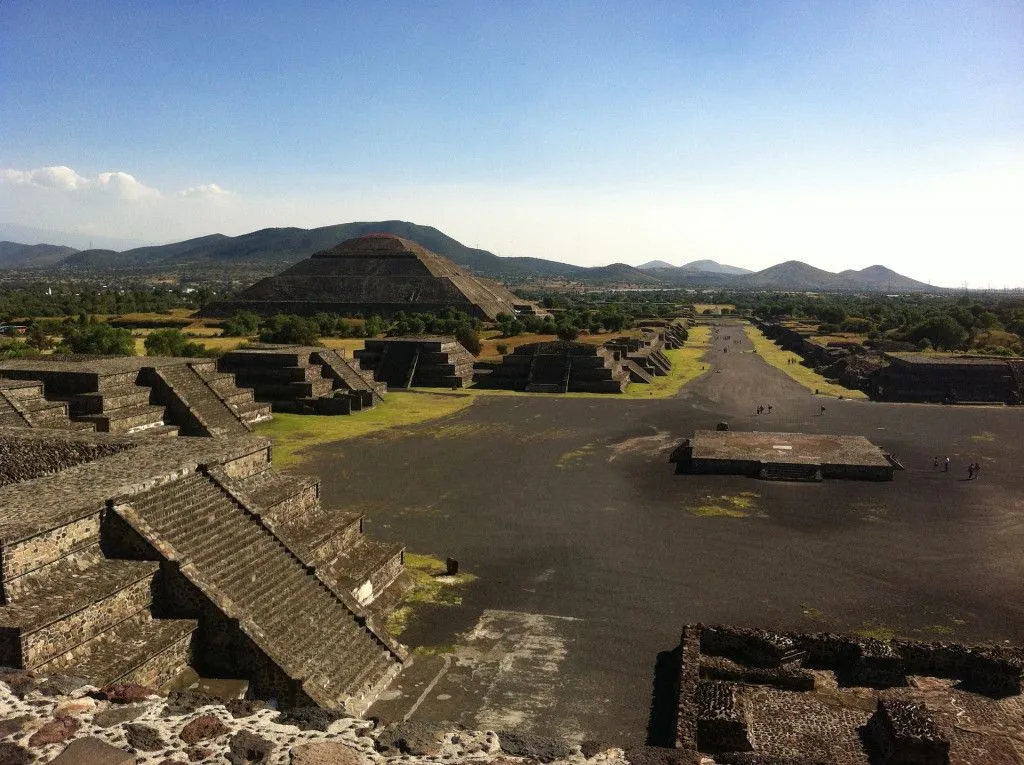
How were these victims actually killed? The most common method was heart extraction. Priests would stretch the victim over a stone at the top of a temple, and a priest would open the chest with a flint or obsidian blade and pull out the still-beating heart, offering it to the sun. The heads of the dead were often displayed on a wooden skull rack called a tzompantli. In 2015, archaeologists working near the Templo Mayor in Mexico City (the main temple of the old Aztec capital, Tenochtitlan) began uncovering the Huey Tzompantli, a tower built from the skulls of more than 600 sacrificial victims, including men, women and children.
How To Find Out ‘Why’?
The frustrating part is that we have practically no primary documentation to learn more about Aztec rituals. There are representations in archaeological evidence, namely statues that seem to depict human sacrifice, or just sacrifices, in general, to serve as warnings. Some documentary evidence exists in the form of codices, most of which were written by Spanish conquistadors. These conquistadors, however, were European invaders who had vested interests. One codex (and thus, the scholars who subscribed to its content) went so far as to say that the reason for these sacrifices was that the Aztecs were cannibals.
The portrayal of the Aztecs as primitive and uncivilized would have ‘justified’ (to the people and powers of 16th century Europe, not us) the brutal conquest of Aztec lands. This is why, even though we have descriptions of first-hand accounts of human sacrifice, their reliability is dubious. If we’re able to see through the bias and prejudice, we may be able to extract, to some extent, a level of understanding about the ritual and literal meaning of such sacrificial practices. That being said, there are a few speculated reasons for this tradition, which can be inferred from the limited sources we have.
Religious Connotations
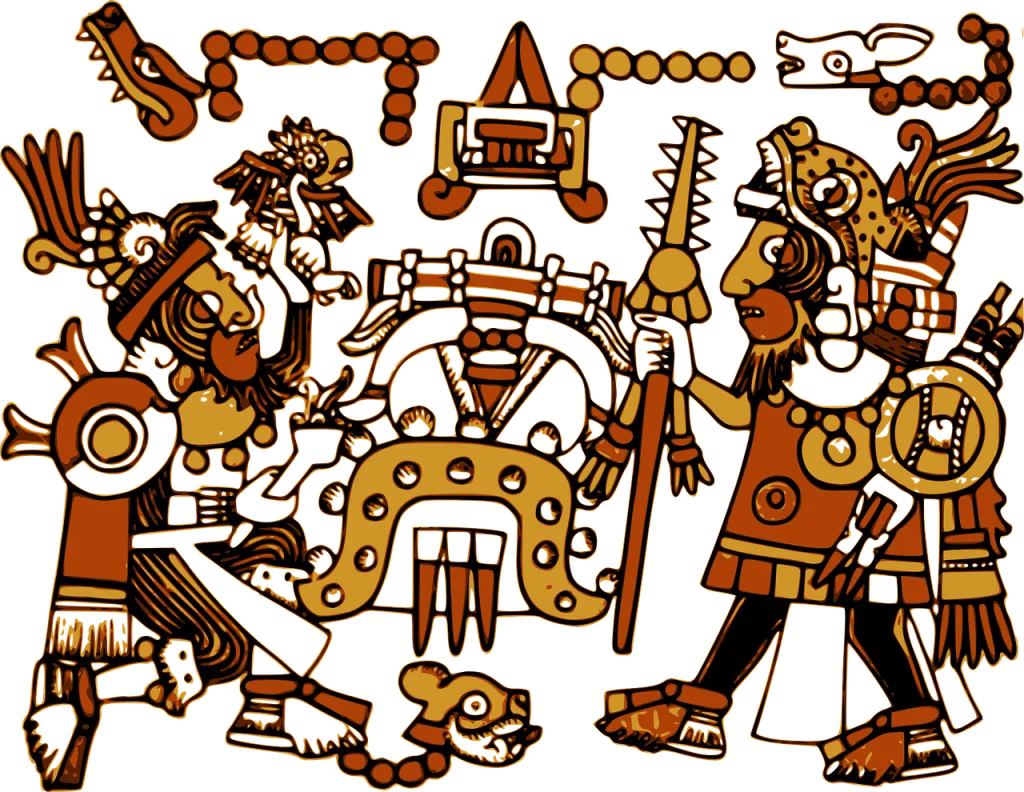
The motif of sacrifice appears again and again in Aztec mythology as a precursor and herald to creation. It also sustained life, as there was a widely held belief that human sacrifice was necessary to keep the gods nourished and healthy, so that they could perform their jobs (the sun needed fuel to rise every morning, after all). At the center of this belief sat Huitzilopochtli, the Aztec god of the sun and war, who was fused over time with an older sun deity called Tonatiuh. The Aztecs thought they were living under the “Fifth Sun,” the last of five worlds, and that the previous four had already been destroyed. To keep this final sun moving across the sky and stave off the end of everything, Huitzilopochtli was believed to need a constant supply of human blood and hearts. Human sacrifices, in the image of divine sacrifices, were also seen as repayment (this theme is common in many elements of Mesoamerican mythology).
There was a lot of symbolic significance attached to the idea of becoming one with the gods through sacrifice, which is why it was often those considered the worthiest who were sacrificed at the altar. On their way, much like modern-day politicians, they would be expected to speak to the citizens and bless the children held out to them. One story follows the myth of the earth crocodile Tlaltecuhtli being sacrificed by Quetzalcoatl and Tezcatlipoca to make the earth and the sky. As a sign of gratitude and to appease her, she is promised the sacrifice of human hearts.
This would explain why heart extraction was a common method adopted to sacrifice the victims. Of course, there were always other offenders to the religion, those who had shirked their duties and responsibilities towards the gods, and therefore, mankind. These people were often dishonorably sacrificed to repair the loss or shame to the society that they had caused.
Conclusion
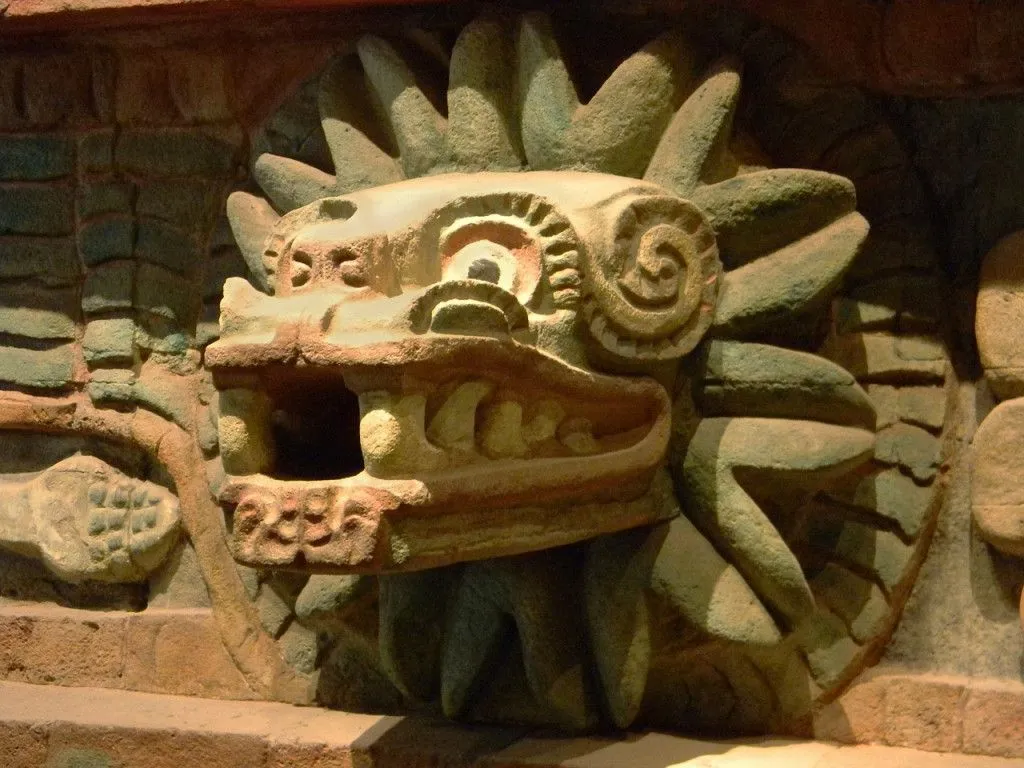
Arguably, if we were to examine the remains of Aztec temples, we would find them littered with the skulls of those who had been sacrificed (as early as the Toltecs, skulls of the sacrificed were used to adorn temple premises). Just how many people died this way is hard to pin down. One oft-repeated Spanish account claims that 80,400 prisoners were sacrificed over four days at the rededication of the Great Temple in 1487, but modern historians treat that figure as wildly inflated; sober estimates for the same event range from around 4,000 to perhaps 20,000, and the higher numbers may have been talked up to justify the Spanish conquest. The exaggerated stories of sacrifice that pervade the accounts left for us by the Spaniards rob us of the social function behind these rituals, leaving us with only repulsion for the practice. Not only were sacrifices a monumental experience to show gratitude, express trepidation, and beg for help from the gods, but they were also a way to bond with the community through a shared experience.
Though this author is no fan of blood and gore, it is perhaps good to remember that human sacrifices cannot and should not be seen through a black-and white-binary of right and wrong. As the colorful costumes and festive atmosphere of the sacrificial ceremonies suggest, very little about this unusual practice was black and white!