Table of Contents (click to expand)
Piracy is hard to stop because the oceans are vast and hard to patrol, many piracy-prone states have weak governance and few resources, hefty ransoms keep it profitable, and tangled international laws make pirates difficult to prosecute. As Somali attacks resurged in 2024, global piracy hit a five-year high in 2025.
Piracy, once a romanticized relic of the past, has resurged as a global menace in the modern era. Despite concerted efforts to eradicate piracy, it persists in various regions, posing serious threats to maritime trade, human lives, and global security. For those of you who thought that pirates only exist in period dramas, be prepared to be disappointed.
Historical Roots Of Piracy
Piracy’s origins can be traced back thousands of years, but its iconic image, epitomized by figures like Blackbeard and Captain Kidd, emerged during the classic era of piracy from the 17th to the 19th centuries.
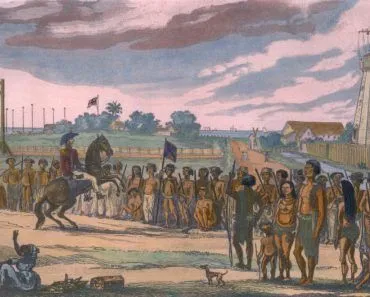
This period saw pirates wreaking havoc in regions like the Caribbean and the Persian Gulf. Stamping it out took coordinated state power. In the Persian Gulf, for example, Britain crushed the raiding of the Qawasim confederation and then imposed the General Maritime Treaty of 1820, an agreement with the Arab coastal rulers that banned plunder and piracy at sea.
Pirates did not disappear completely, and their legacy continued to shape piracy’s new forms. Mediterranean piracy, driven by economic motives and historical conflicts, remained a significant concern.
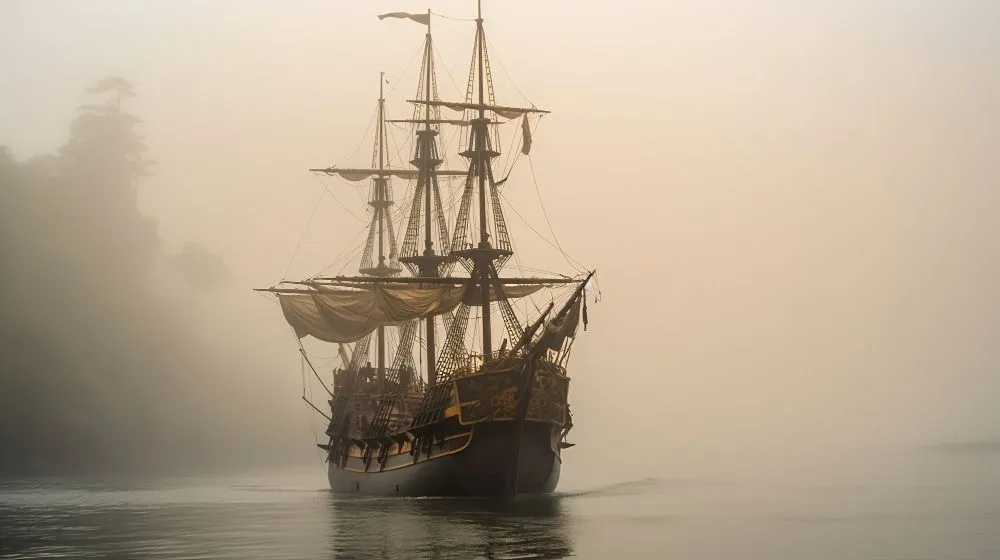
Corsairs operating from North African ports like Algiers, Tunis, Tripoli, and Morocco targeted Christian powers, engaging in both sea raids and slave raids. The Barbary pirates, often operating as privateers with tacit state support, preyed on Western Christian ships, leaving a legacy of mistrust and conflict.
Pirates In The Contemporary World
Modern piracy is characterized by pirates using small boats to target vulnerable cargo vessels. They exploit regions with limited naval presence and high maritime traffic. Pirates often take hostages for ransom and resort to violence, posing a danger to both seafarers and the global shipping industry.
Navigating the high seas isn’t always smooth sailing, and in some corners of the world, modern-day pirates still lurk and thrive. Somalia, notorious for its piracy surge, continues to keep maritime authorities on their toes, reminding us of pirates’ remarkable adaptability. After years of relative calm, Somali piracy roared back: in March 2024, armed pirates hijacked the Bangladesh-flagged bulk carrier MV Abdullah some 600 nautical miles (1,100 km) off Mogadishu and held its 23 crew for 33 days, releasing them only after a reported $5 million ransom. Pirates have exploited the chaos of the Red Sea crisis, where Houthi attacks on shipping pulled naval forces away, and they now use hijacked dhows as “mother ships” to strike vessels hundreds of miles offshore.
Meanwhile, in the Indonesian archipelago, where countless islands crisscross the Strait of Malacca, a vital trade route, piracy has been a persistent thorn in the side of shipping operators. In fact, Southeast Asia is now the world’s busiest hotspot: the Straits of Malacca and Singapore alone logged 108 incidents in 2025, a 19-year high, before a string of Indonesian arrests brought the numbers back down. Most are low-level robberies, with thieves slipping aboard slow-moving ships to grab whatever isn’t bolted down, but the sheer volume keeps operators on edge.
Poverty and resource limitations have also made Bangladesh susceptible to piracy, which has had a notable impact on its fishing industry. However, international cooperation, including naval exercises, has begun to stem the tide. In Nigeria and the wider Gulf of Guinea, long the epicenter of West African maritime piracy, the focus isn’t just on treasure chests, but valuable cargo like oil and, more lucratively, the kidnapping of crew for ransom. Here, at least, the picture has brightened: a Nigerian naval crackdown helped cut Gulf of Guinea incidents from 81 in 2020 to just 18 in 2024, one of the lowest tallies in decades.
These contemporary piracy hotspots are a stark reminder that the age-old battle against seafaring marauders endures in our modern world.
Economic And Human Cost
Piracy, like a shadowy specter, casts a dark cloud over society and the global economy, exacting a heavy toll that extends far beyond the high seas. And it is not fading quietly: the International Maritime Bureau logged 137 piracy and armed-robbery incidents worldwide in 2025, the highest count in five years. First and foremost, there’s the human toll, with pirates frequently taking hostages, leading to violent confrontations that result in the tragic loss of life and grievous injuries, impacting both courageous seafarers and innocent civilians.
The ripple effect of piracy spreads to shipping practices, as vessels resort to risk-avoidance measures, such as increasing speed or taking meandering routes, which inevitably increase transportation expenses.
The specter of theft on the high seas also haunts the financial realm, with insurance rates for shipping companies skyrocketing due to the constant threat of stolen cargo. As a defense, shipping vessels now employ armed guards and invest in anti-piracy equipment, further bloating operational costs. The menacing presence of piracy even reaches shorelines, where local economies, particularly those heavily reliant on industries like fishing, bear the brunt of pirate-induced disruption.

Perhaps most hauntingly, piracy’s shadow stretches thin the already limited military resources of impoverished nations, diverting much-needed funds away from broader security concerns. In this chilling tale, piracy emerges as a formidable adversary, leaving no facet of society or the global economy untouched by its nefarious grip.
Legal Frameworks And Challenges
Addressing piracy requires a complex legal framework. Piracy within a nation’s territorial waters can be prosecuted by that nation, but on international waters, the United Nations Convention on the Law of the Sea (UNCLOS) applies, emphasizing cooperation among states to repress piracy. Determining jurisdiction and prosecuting pirates can be challenging, particularly when different laws and jurisdictions are involved.
Efforts to combat piracy involve international naval patrols, improved ship security measures, and legal action against pirates. For instance, the United States has engaged in strong anti-piracy efforts, imposing harsh penalties on captured pirates. After the 2009 hijacking of the U.S.-flagged Maersk Alabama (the episode dramatized in the film Captain Phillips), the lone surviving attacker, Abduwali Muse, was brought to New York and sentenced to nearly 34 years in prison.
The battle against piracy is akin to facing a formidable hydra, a creature with multiple heads, each representing a unique challenge. Vast maritime territories demand not only substantial resources, but also global cooperation to patrol them effectively. Weak governance in piracy-prone regions acts as a protective shield for these maritime marauders. The temptation of hefty ransoms fuels the profitability of piracy, making it a lucrative venture.
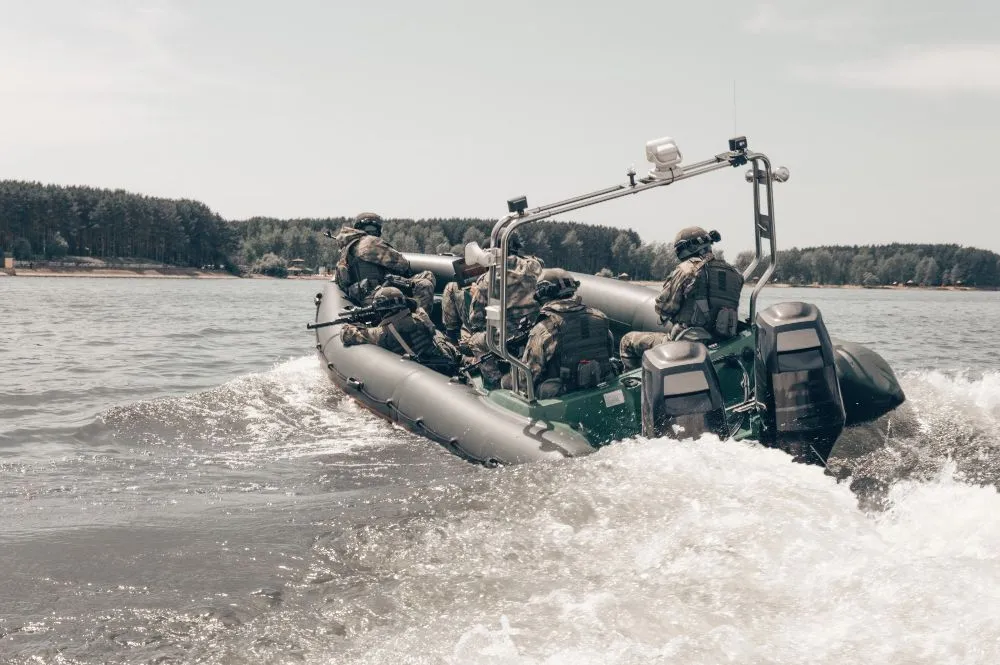
Pirates are not strangers to modern technology, which adds another layer of complexity to anti-piracy efforts. The unsettling truth is that some corrupt officials may secretly support these criminals, further complicating an already complex matter. Navigating nuanced legal frameworks can be a headache when it comes to prosecuting pirates, while ensuring the safety of hostages becomes a humanitarian tightrope act.
Moreover, piracy isn’t just a threat on the high seas; it disrupts global trade and supply chains, affecting all of us. Unraveling this age-old problem requires addressing deep-rooted historical factors, while recognizing the stark reality that many nations simply lack the resources needed for effective patrolling.
Conclusion
Piracy, both a historical and contemporary challenge, continues to threaten maritime security, global trade, and human lives. While progress has been made in reducing piracy in certain regions, the resurgence off Somalia and the recent spike in Southeast Asian waters are a reminder that the threat ebbs and flows rather than vanishes, underscoring the need for ongoing efforts.
Combating piracy requires a multifaceted approach, including international cooperation, legal reforms, and addressing the root causes. Only through concerted and sustained action can the international community hope to bring an end to piracy and secure the world’s oceans for future generations.
References (click to expand)
- Sandkamp, A., Stamer, V., & Yang, S. (2021, October 8). Where has the rum gone? The impact of maritime piracy on trade and transport. Review of World Economics. Springer Science and Business Media LLC.
- What to do about piracy?.
- Nikolić, N., & Missoni, E. (2013, September 1). Piracy on the High Seas: Threats to Travelers' Health. Journal of Travel Medicine. Oxford University Press (OUP).
- Percy, S., & Shortland, A. (2013, February). Contemporary Maritime Piracy: Five Obstacles to Ending Somali Piracy. Global Policy. Wiley.
- Global maritime piracy and armed robbery increased in 2025. ICC International Maritime Bureau (IMB) Annual Piracy Report.
- Maritime piracy dropped in 2024, but crew safety remains at risk. ICC Commercial Crime Services / International Maritime Bureau.
- Piracy and Armed Robbery Against Ships in Asia: Annual Report 2025. ReCAAP Information Sharing Centre.
- Hijacked Bangladesh-flagged ship MV Abdullah released after $5 million ransom paid, say Somali pirates. CNN.
- Abduwali Abdukhadir Muse Sentenced to 405 Months for Hijacking the Maersk Alabama and Two Other Ships. U.S. Department of Justice, Southern District of New York.
- General Maritime Treaty of 1820. Wikipedia.