Table of Contents (click to expand)
In the short term, performance-enhancing drugs (PEDs) can boost muscle mass, strength and endurance and hold off fatigue. The side effects, though, are serious. Anabolic steroids cause baldness, infertility, shrunken testicles, breast growth in men, aggression and high blood pressure, and can damage the heart and liver, while blood boosters like EPO thicken the blood and raise the risk of clots, stroke and heart attack.
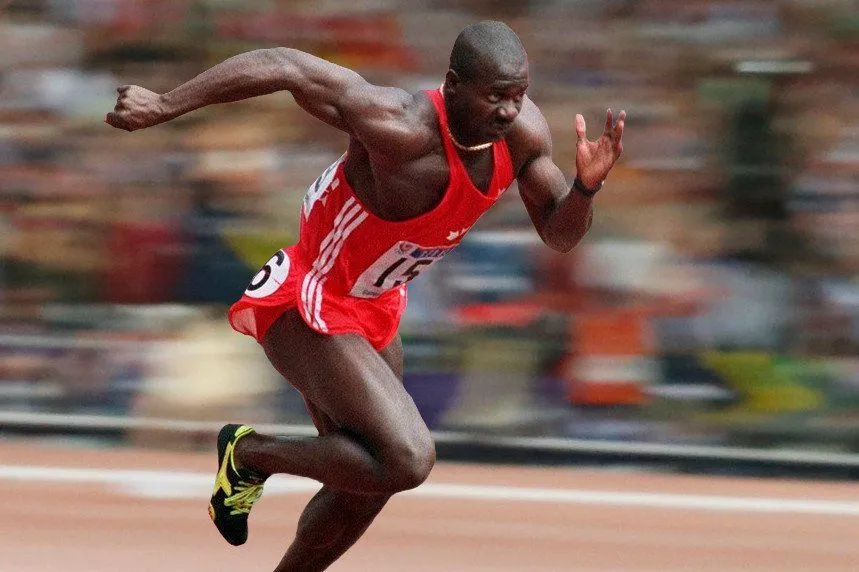
Tyson Gay, an American sprinter who regularly competes in the 100- and 200-meter dash, holds the record as the second-fastest athlete in history, right behind Usain Bolt – a title that he acquired when he darted through 100 meters in just 9.69 seconds! He has won numerous medals in a number of international competitions, including a silver medal in the 2012 Summer Olympics held in London.
However, one incident dealt a nasty blow to his public image: in May of 2013, he tested positive for an anabolic steroid – a banned substance in sporting events. Following that, he was suspended for a set amount of time and stripped of his silver medal by the United States Anti-Doping Agency (USADA).

There have been numerous instances throughout sporting history when athletes have tested positive for a prohibited substance and have subsequently been suspended from participating in that sport in the future. The question is – what do these pills/drugs do to athletes’ bodies that makes them perform so exceptionally for that short time? What’s so special about these drugs that makes athletes risk their entire career, legacy and public image in return for outstanding performance?
What Are Performance-Enhancing Drugs?
As the name clearly indicates, Performance-Enhancing Drugs or PEDs are substances that are widely known to increase certain bodily features (e.g., strength, power, endurance etc.) of the user, resulting in a significant improvement in his/her athletic performance. Any substance that augments a subject’s physical activity or affects their arousal level and perception of pain and related sensations is considered a performance-enhancing drug (PED).
The practice of using PEDs (more specifically known as ergogenic aids in an athletic context) in sporting events is commonly known as doping, and is strictly prohibited throughout the world for obvious reasons. Anabolic agents, peptide hormones (including EPO and growth hormone), stimulants, diuretics and masking agents are just some of the categories on the World Anti-Doping Agency (WADA) Prohibited List, which the U.S. Anti-Doping Agency (USADA) enforces for American athletes.
Although these drugs are most commonly associated with athletes and bodybuilders, military personnel and students (to improve their cognitive performance) also use them to enhance their performance in various fields.
How Do Performance-enhancing Drugs Affect Athlete Performance?
There are various types of drugs that affect a wide range of bodily features and functions for a short period of time. Therefore, the choice of a PED by an athlete totally depends on the type of sport they play. Here are a few commonly used types of PEDs:
Anabolic Agents And Steroids
This is the most commonly used and therefore most notorious category of PEDs. Anabolic drugs give a boost to the levels of testosterone produced by the body, which greatly helps in building muscle, gaining strength and helping heal the damage to muscles that occurs during workout sessions. Anabolic agents also help the subject be more aggressive in general, which is seen as a good thing in certain sporting events.
On the flip side, using too many anabolic agents can lead to a number of nasty side effects. In men, the body reads the flood of artificial testosterone as a signal to shut down its own supply, which causes the testicles to shrink, sperm production to drop and, in many cases, infertility. Some of that excess testosterone is converted into estrogen, which can trigger male-pattern baldness and the growth of breast tissue (gynecomastia). According to the National Institute on Drug Abuse (NIDA), steroid misuse also strains the heart and can cause high blood pressure, enlargement of the heart's left ventricle, heart attacks and strokes, sometimes in athletes younger than 30. The liver takes a hit too, with steroid use linked to liver tumors and peliosis hepatis, a condition in which blood-filled cysts form in the liver. Some well-known anabolic drugs are stanozolol, clenbuterol and androstenedione.
Human Growth Hormone (HGH)
Growth hormone is produced naturally by the pituitary gland, a pea-sized organ attached to the base of the brain, but the production of growth hormone does decline with age. Athletes inject synthetic human growth hormone (HGH) to build lean muscle and recover faster, which makes it another notorious PED in the sporting world. Interestingly, the science is shakier than the reputation. Controlled studies show that HGH increases lean body mass, partly through fluid retention, but does not reliably improve muscle strength or aerobic capacity. What it does do is cause harm. Chronic overuse mimics acromegaly (the condition seen when the body makes too much growth hormone on its own), bringing swollen hands and feet, joint pain, an enlarged heart, and a higher risk of diabetes and heart disease.

Blood Boosters (EPO And Blood Doping)
Endurance athletes are after a different prize: oxygen. Erythropoietin (EPO) is a hormone the kidneys release to tell the bone marrow to make more red blood cells. Inject a synthetic version, or transfuse extra blood back into your own body (a trick known as blood doping), and the blood carries more oxygen to working muscles, pushing up endurance and staving off fatigue. Studies in cyclists have measured jumps of 10% or more in oxygen uptake, which is exactly why it became the signature drug of the Lance Armstrong era of cycling. The catch is that more red blood cells make the blood thicker and stickier. The heart has to push that sludgy blood through the vessels, and the risk of clots, stroke and heart attack climbs sharply, a danger that spikes during a long race when an athlete is also losing fluid through sweat. A cluster of young cyclists died in their sleep during the early EPO years, and thickened blood is widely blamed.
Stimulants
These drugs enhance the focus and situational alertness of the subject. Amphetamines, ephedrine and methylphenidate – all of which are popular stimulants among athletes – are known to stimulate the central nervous system, increase reaction time, and enhance hand-eye coordination, focus and alertness on the field. These advantages come in pretty handy in certain sports (like football).
Ergogenic Aids
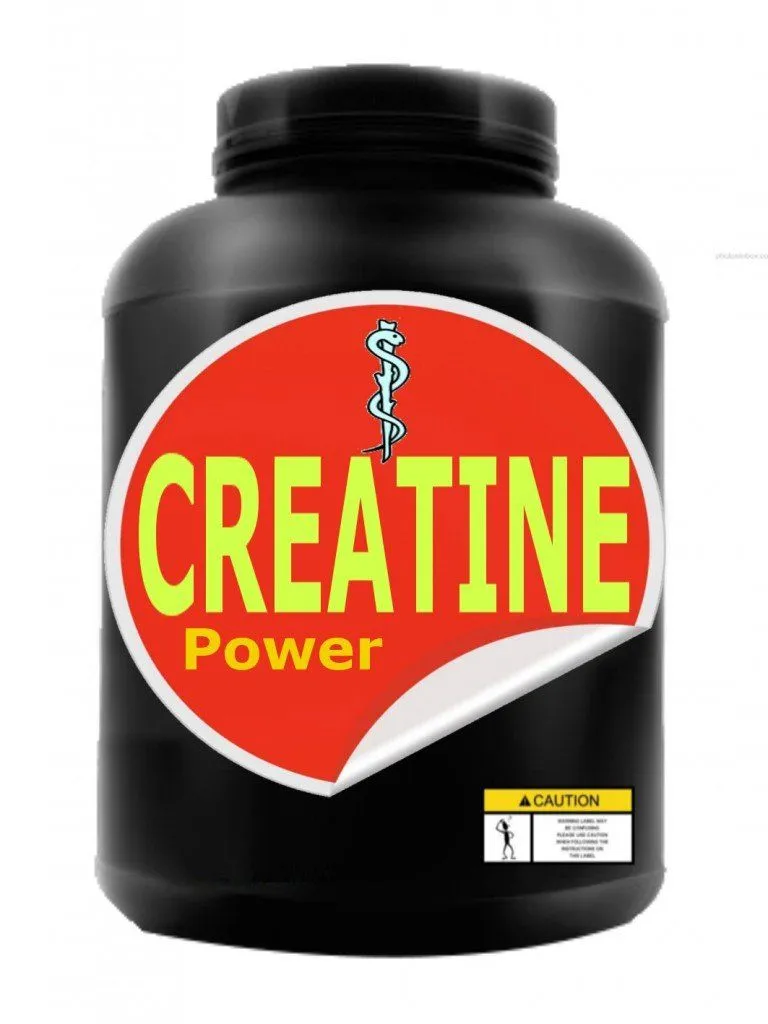
Also known as athletic performance-enhancing substances, this category covers substances that have varied short-term effects on the body, including decreased fatigue and perceived exertion, an increase in high-intensity exercise capacity, and other effects that significantly boost one’s athletic performance. Caffeine and creatine are two everyday examples. It is worth clearing up a common misconception here: creatine, the popular muscle-building supplement, is not a banned substance. It occurs naturally in the body and in foods like red meat and fish, and the World Anti-Doping Agency has never placed it on its Prohibited List.
Nootropics
People generally tend to associate PEDs with athletes and bodybuilders, but there is a class of PEDs that stands out in this regard. Nootropics, also known as ‘cognition enhancers’, temporarily affect certain cognitive features of subjects, such as memory, attention control, attention span and concentration, so they are commonly used by students and academicians.
There are a few other categories of PEDs, such as sedatives and anxiolytics, adaptogens, blood boosters and so on, and there is also a long list of drugs that fall under one of these categories, making their use prohibited before a sporting event.
The Negative Effects Of PEDs
Although PEDs have a decidedly advantageous impact on a subject’s body and performance in the short term, the side effects are devastating in the long run, both physically and psychologically. Baldness, impotence, breast tissue development, reduction in sperm production, high blood pressure, heart and liver damage, blood clots, severe headaches, increased aggressiveness, and anxiety attacks are just some of the countless negative effects of using PEDs. And because many of these drugs are bought on the black market and injected, athletes also risk infections and bloodborne diseases from shared or contaminated needles.
Apart from being incredibly harmful to users both physically and mentally, the use of PEDs is also highly unethical. By artificially enhancing one’s performance through illegitimate means, one not only registers an unlawful win, but also robs honest, hardworking athletes of their chance to win.
References (click to expand)
- Doping in sport - Wikipedia. Wikipedia
- Exploring Topics in Sports: Why Do Athletes Risk Using Performance Enhancing Drugs? - sps.northwestern.edu:80
- Anabolic Steroids. National Institute on Drug Abuse (NIDA)
- Effects of Performance-Enhancing Drugs | USADA. The United States Anti-Doping Agency
- Blood Doping and EPO: An Anti-Doping FAQ | USADA. The United States Anti-Doping Agency
- Anabolic Steroids. StatPearls. NCBI Bookshelf
- Performance-enhancing drugs: Know the risks - Mayo Clinic. The Mayo Clinic
- Kaur, J., Masaun, M., & Bhatia, M. S. (2014). Performance Enhancing Drug Abuse in Athletes and Role of Physiotherapy. Delhi Psychiatry Journal, 17(2), 413-418.