Table of Contents (click to expand)
No, a smart pill like NZT-48 from Limitless does not exist. Real “smart drugs,” called nootropics (and stimulants like modafinil or Adderall), can give healthy people a small, temporary boost in alertness or focus, but the effects are modest and inconsistent. No drug has been shown to raise IQ or turn anyone into a genius.
All of us push ourselves to achieve success. We regularly test both our mental and physical capabilities to see how far we can go. That being said, we all have a limit, and we have to come to terms with that. However, what if there was a way to be limitless? What if there was a pill we could pop to make ourselves smarter?
This is just like in the movie Limitless, where Bradley Cooper plays a struggling writer, Edward Morra. To overcome his writer’s block, Edward takes a pill from his ex-wife’s brother, Vernon. The pill, NZT-48, will supposedly solve whatever creative issues Edward might have.
Warning – Movie spoilers ahead!
What Is NZT-48?
In the movie, NZT-48 is a top-secret synthetic drug that supercharges the human brain. According to the movie, people access only 20% of their brain, whereas this drug lets you access the remaining 80%.
Now, I’m not interested in discussing how much of our brain is utilized in reality. I’m here to tackle the reality of ‘smart pills’ like NZT-48.
In the movie, Eddie takes the pill and finds himself much more alert, inhumanly so. He is profoundly focused, supremely energetic, sharp as a tack – missing nothing and seeing complex patterns and connections in information as plain as words on a page. He becomes smarter, more confident and so motivated that he finishes writing his whole book in 4 days!
 Eddie functioning at a superhuman pace.
Sadly, every time the drug’s effect wears off, he is back to his normal, slow and disgruntled self. To counter that, Eddie then starts taking one pill a day.
The improvements that follow are immense. He can access every single memory of everything he has ever seen or heard. He learns how to fight like Bruce Lee just by watching his films, he becomes a polyglot by listening to different language programs on his morning run, and he even masters playing the piano in a matter of days! His mathematical abilities improve so drastically that he can effortlessly count cards in a casino. He becomes an expert in medicine and history, presumably by speed reading books a single time. We are to believe that all of this is possible solely due to the “4-digit IQ” (what test did he measure this on?) that NZT-48 temporarily bestows upon him.
The only realistic part in the movie was the side effects of consuming NZT-48 on a regular basis. A drug that powerful, that vital, that brain-altering, will almost certainly take a massive toll on the body. Undoubtedly, any human body functioning at that level of intensity would run ragged and burn out very quickly.
If NZT-48 was real, if a smart pill like that really existed, what category of drug would it be? The answer: a nootropic.
What Are Nootropics?
Nootropics are real-life “smart drugs”. They are chemical compounds that enhance mental acuity and performance by influencing brain metabolism and brain chemistry.
A concatenation of two Greek words, the term is derived from “noos” meaning mind, and “tropein” meaning towards. Nootropics, therefore, are chemicals that lead you towards a better mind. The word was coined in 1972 by Romanian chemist Corneliu Giurgea, who had just synthesized piracetam, the first drug of this class.
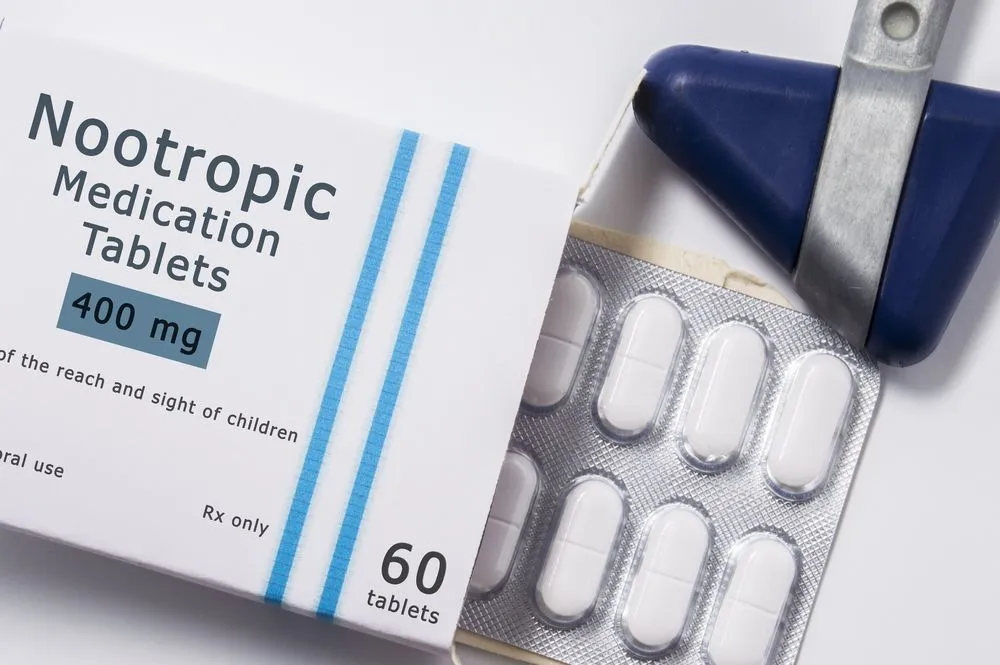
Just as proteins and vitamins are nutrients that improve physical performance, nootropics are brain-boosting substances that improve mental performance, alertness, learning and memory.
They were initially developed to overcome neurological issues, such as Alzheimer’s, dementia or Parkinson’s. The bigger question is whether they do anything for healthy people, and here the evidence is far weaker. Studies in people without a deficit tend to show small, inconsistent gains at best, and a brain that is already working normally seems to have little room to improve.
How Do Nootropics Work?
The brain is like a biological computer. While we can’t precisely compute its hard drive space or RAM capacity, I’d say its better than an actual computer.
The human brain processes exponentially more information in a lifetime than a normal laptop could. Additionally, it also manages functions that a computer cannot handle, such as our emotions, thoughts, and the variety of stimuli constantly being picked up by our sense organs. The brain is also simultaneously responsible for keeping us alive by regulating vital functions, such as our heartbeat, blood pressure and respiration.
Just as a computer needs electricity to run, our brain needs blood to function. Blood contains the glucose, nutrients and oxygen that are required to power this non-stop biological machine. The brain makes up about 2% of our total body weight, but consumes 20% of the body’s energy supply.
Nootropics, to enhance brain function, affect both the blood supply to the brain and how much certain neurotransmitters are released.
To illustrate with an example, let’s talk about Piracetam. The very first nootropic drug, it is used as a memory enhancer. Its exact mechanism is still not fully understood, but it appears to work on several fronts at once: it makes neuronal membranes more fluid, nudges ion channels and receptors (including the AMPA glutamate receptors tied to learning), and improves the flexibility of red blood cells, which can ease blood flow and oxygen delivery in the brain.
It is believed that this combination of metabolic and signaling effects is what makes Piracetam useful in disorders of brain function. Importantly, though, those benefits show up mainly when something is already wrong; in young, healthy brains the effect is slight at best.
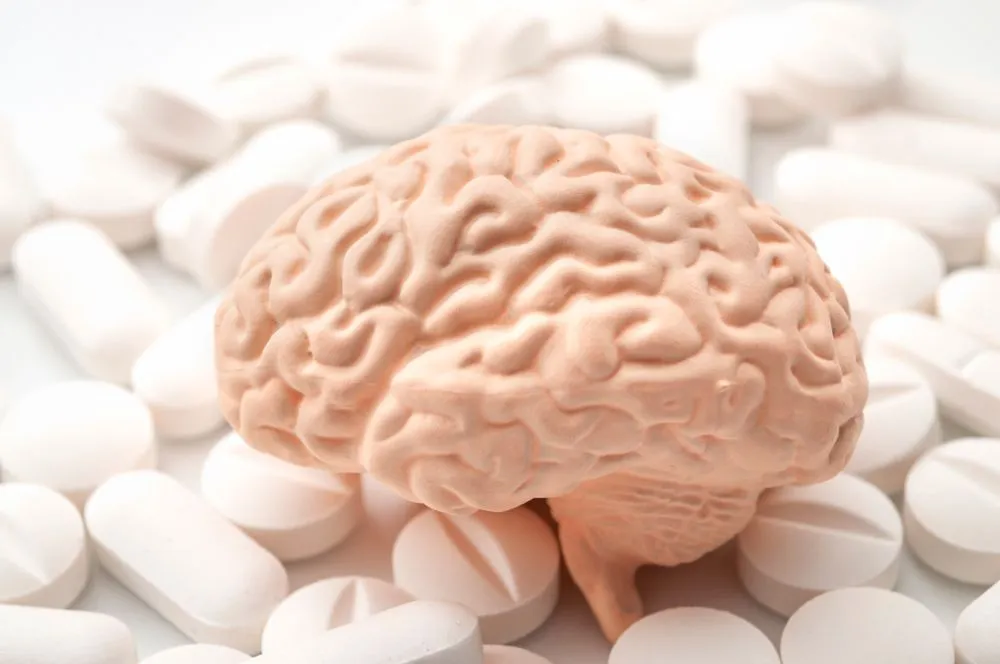
The effects of nootropics have been extensively studied. They enhance mental sharpness, learning and memory, and help improve alertness, focus and concentration. Some protect the brain from physical stress, such as hypoxia (lack of oxygen), while others act like free radical scavengers (antioxidants), protecting brain tissue from the damaging effects of free oxygen radicals.
Others increase blood flow to the brain, which results in an increased supply of nutrients, oxygen and glucose. This in turn upregulates mental energy and acuity. In short, nootropics are designed to boost different aspects of brain activity and help maintain a healthy brain.
They also work by stimulating various receptor types in the brain, one of which are cholinergic receptors. The stimulation of these receptors leads to an increase in the production and concentration of the neurotransmitter acetylcholine. Brain cells use acetylcholine to communicate with each other.
Side Effects
You might think that nootropics, like most other drugs, would have a laundry list of side effects, but the classic ones are actually generally well tolerated, with a low rate of mostly mild effects such as dizziness, fatigue and gastric irritation. That said, this comes with a big caveat: rigorous long-term safety studies are scarce, there isn’t much data on how these compounds interact with other drugs, and serious psychiatric reactions have been reported in individual cases. “Few documented side effects” is not the same as “proven safe.”
Stopping a classic nootropic generally doesn’t cause a withdrawal-style crash in cognition; the brain simply slips back to its original operating state. The prescription stimulants people use off-label, however, are a different story, as we’ll see below.
Are There Drugs Like NZT-48 On The Market?
Believe me, if there was a drug like NZT-48 available for sale, you’d have heard of it by now! Its creator would be swimming in pools of money too. While NZT-48 continues to be a fictional drug, existing nootropics have found a niche among college students and employees in highly competitive industries.
College students and corporate employees alike have increasingly relied on the unregulated use of nootropics to boost their academic performance and increase workplace productivity, respectively. One popular drug of choice is Adderall, an amphetamine-based stimulant meant to treat ADHD. Here is the catch, though: in people who don’t have ADHD, the evidence is underwhelming. Adderall can make users feel more alert and focused, but controlled studies have found it does little to improve actual cognitive performance in healthy people, and it can even impair working memory. Wakefulness drugs like modafinil show a similarly modest, hit-or-miss picture: small gains on complex tasks, but nothing close to a real-life NZT-48.
Other healthy people take nootropics for miscellaneous reasons, such as for managing anxiety, getting a better quality of sleep, or pushing themselves while exercising. It goes without saying, the off-prescription use of such drugs always carries a high risk. Adderall and modafinil are prescription-only controlled substances in the US, UK, Australia and Canada, and taking them without a prescription is both illegal and risky. Stimulant misuse is linked to raised blood pressure and heart rate, cardiovascular events, anxiety, insomnia and dependence. This article is not medical advice; talk to a doctor before taking anything in this category.
 Adderall affects both the healthy and the cognitively impaired. (Photo Credit : Johnnyamoeba8/Shutterstock)
It is important to note that the effects of existing nootropic drugs don’t, in any way, resemble the fictional effects of NZT-48… not even close! They only temporarily boost your mental performance and may perhaps leave you in a heightened state of alertness, but they cannot increase your IQ or turn you into a temporary genius.
In fact, if you want something to boost concentration, go with a good old cup of coffee over any dubiously acquired drug. Caffeine reliably sharpens attention and alertness, and pairing it with L-theanine (the amino acid in tea that takes the edge off the jitters) has been shown to improve focus further. It is cheap, legal and far safer than gambling on a prescription stimulant you weren’t prescribed.
Conclusion
Nootropics are a hot topic in today’s competitive world. The idea of popping a pill to become the next big business tycoon has “limitless” appeal. Unfortunately, it remains a fantasy… for now.
There aren’t any smart pills like NZT-48 that can provide super-enhanced cognitive functioning. At best, what we have are drugs that can temporarily boost brain function for short periods of time.
However, I can safely say that such drugs are not an impossibility in the future. Enhanced humans are on the agenda of most experimental researchers. While they currently seem more focused on physical enhancements, their attention will inevitably turn toward creating “super thinkers” as well!
References (click to expand)
- Behind the Power to be Limitless - Yale Scientific Magazine. The Yale Scientific Magazine
- Mondadori, C. (1993, December). The pharmacology of the nootropics; new insights and new questions. Behavioural Brain Research. Elsevier BV.
- Nootropics as Cognitive Enhancers: Types, Dosage and Side Effects of Smart Drugs. PMC. NCBI.
- Malik, R., Sangwan, A., Saihgal, R., Paul Jindal, D., & Piplani, P. (2007, January 1). Towards Better Brain Management: Nootropics. Current Medicinal Chemistry. Bentham Science Publishers Ltd.
- Froestl, W., Muhs, A., & Pfeifer, A. (2012, November 14). Cognitive Enhancers (Nootropics). Part 1: Drugs Interacting with Receptors. Journal of Alzheimer's Disease. IOS Press.
- Saiz Garcia, H., Montes Reula, L., Portilla Fernandez, A., Pereira Sanchez, V., Olmo Lopez, N., Mancha Heredero, E., … Martinez Parreño, M. E. (2017, April). Nootropics: Emergents drugs associated with new clinical challenges. European Psychiatry. Cambridge University Press (CUP).
- d'Angelo, L.-S. C., Savulich, G., & Sahakian, B. J. (2017, May 12). Lifestyle use of drugs by healthy people for enhancing cognition, creativity, motivation and pleasure. British Journal of Pharmacology. Wiley.
- F Talih. Probable Nootropicinduced Psychiatric Adverse Effects - NCBI. The National Center for Biotechnology Information
- Neurocognitive, Autonomic, and Mood Effects of Adderall: A Pilot Study of Healthy College Students. PMC. NCBI.
- The Cognitive-Enhancing Outcomes of Caffeine and L-theanine: A Systematic Review. PMC. NCBI.
- Prescription Stimulants DrugFacts. National Institute on Drug Abuse (NIDA).