Some devices draw power even when they’re not in use, which can add up over time. Being informed and conscientious about what you plug in and how long you’re leaving it there can help you save money and protect the environment.
In today’s challenging economic climate, saving money has become more essential than ever. People are searching for small ways to reduce their expenses, such as driving less, buying groceries instead of dining out, and cutting back on luxury purchases.
However, some people claim that unplugging appliances can save hundreds of dollars in energy costs when not in use. This idea of appliances using electricity, even when “off” or not in use, has sparked much debate.
So, is it true?
Do electrical appliances consume electricity when they are not being used?
The short answer?
Yes and no.
Differences In The Devices
Many people assume that a plugged-in device, when not in use, will not consume electricity. If it does not “work,” then it should not consume electricity either, right?
Many devices, such as a table lamp or radio, are turned off, but not all devices.
Chargers are one of the main concerns and are perhaps the most prominent “energy vampires” in your home.
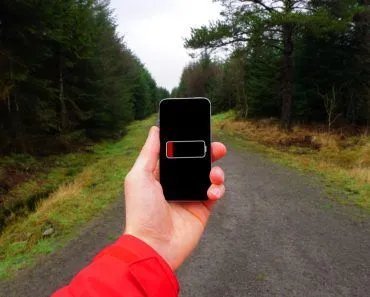
In our modern age, many people have multiple devices such as laptops, tablets, and smartphones, all of which need to be constantly charged to keep us connected. This has led to multiple chargers being left at home, and the office is often plugged into the wall with the cord conveniently waiting for the next time your phone needs some juice.
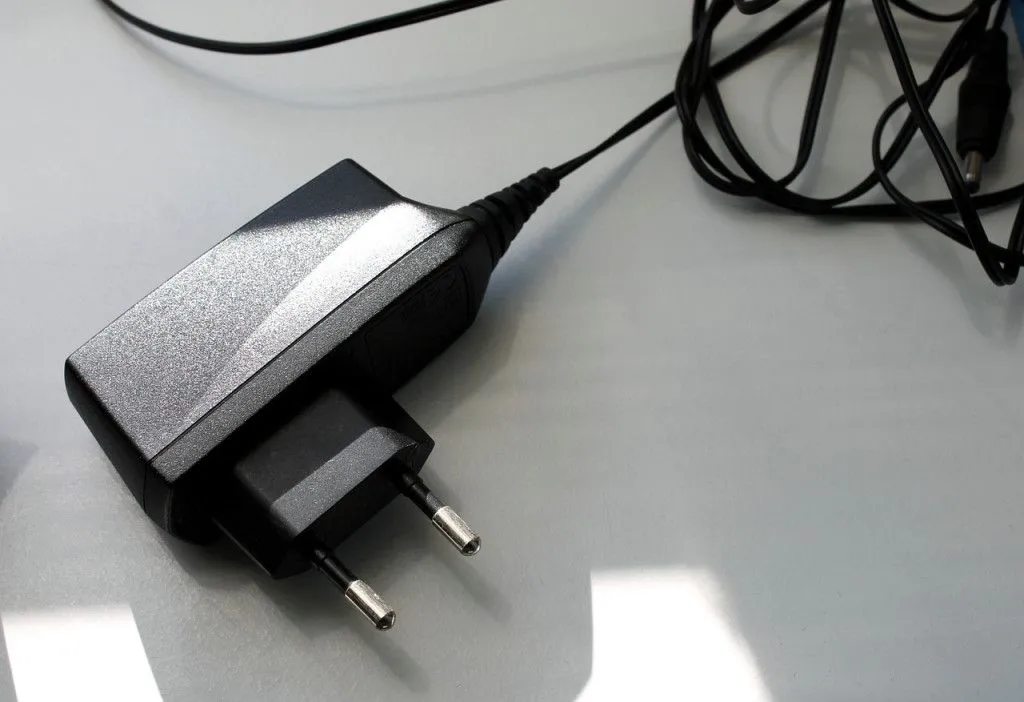
Chargers continuously draw a tiny amount of power from the outlet even when nothing is plugged into them (typically a fraction of a watt for a phone charger, and 1 to 5 watts for a laptop power brick). Multiply that by the four or five chargers most homes leave plugged in around the clock, and you’re paying for electricity that does nothing for you. According to Lawrence Berkeley National Laboratory, this kind of "standby power" accounts for roughly 5–10% of total residential electricity use in developed countries.
Another common way to lose energy is to connect a device to a charger after it is already fully charged. This careless practice can consume up to ten times more passive energy without any added benefit!
Cable boxes, set-top boxes, smart TVs, gaming consoles like the Xbox and PlayStation, and most other home electronics also keep drawing power 24/7 in "standby mode" so they can snap awake at the touch of a button. The biggest offenders are cable boxes and DVRs, which can pull 10–30 watts continuously, and gaming consoles and routers, which sit at 5–15 watts. A single TV in standby may draw only 1–3 watts, but its set-top companions add up quickly.
Routers and modems are a special case worth thinking about: even when you’re not browsing, they’re probably needed for smart bulbs, doorbells, and security cameras, so unplugging them blindly may break other devices. Consider scheduling them off only at night.
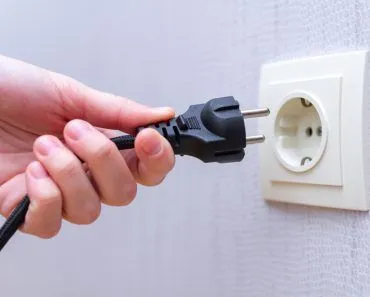
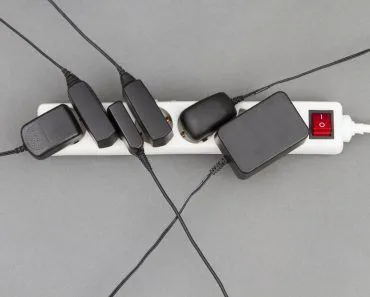
Power strips are great devices for controlling the flow of power to large groups of objects, but if the power strip stays on all the time, it can also unnecessarily tap electricity and add to your bill.
How Many Clocks Do You Really Need?
One of the easiest to overlook energy phantoms comes in the form of your digital clocks and displays. Many of our devices maintain digital displays that light up with time, from coffee machines and bedside alarm clocks to the DVD player in your family room.
Lighting these LED displays is also a small, constant burden on your power supply, but it’s very easy to ignore these energy vampires.
While it would be time-consuming and frustrating to turn off all of these devices each time you use them, the less frequently used devices should be disconnected.
Does An Empty Wall Socket Use Electricity When It's Switched On?
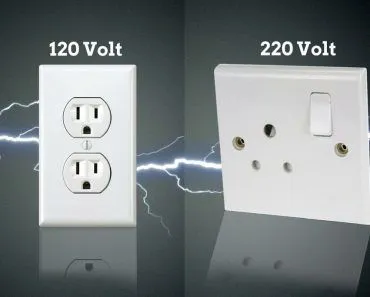
This is one of the most common follow-up questions, especially in the UK and Australia, where most wall sockets have their own little on/off switch. If you flip a socket to "on" but plug nothing into it, are you quietly running up the meter?

The reassuring answer is no. Electricity only does work when it can flow around a complete circuit, a closed loop that runs out of the live contact, through whatever you have plugged in, and back again. With nothing in the holes, that loop is broken. The voltage is still sitting on the metal contacts, but no current flows, so the socket itself draws essentially nothing. Whether the switch is up or down makes no measurable difference to an empty socket.
There are only two small exceptions. A socket or wall switch fitted with a tiny neon indicator light burns a fraction of a watt to keep that lamp glowing, and a modern socket with built-in USB ports or a "smart" relay sips a little standby power to run its own electronics, exactly like the chargers above. For an ordinary socket, though, leaving it switched on with nothing connected costs you nothing. What costs money is whatever you leave plugged into it sitting in standby.
Which Appliances Draw Nothing When They're Off?
Not everything you leave plugged in is an energy vampire. The dividing line is whether the gadget contains electronics that never fully sleep.

Old-fashioned, "dumb" appliances draw a flat zero once their own switch is off, even if the plug stays in the wall. A basic table lamp, an electric kettle, a toaster, or a corded drill has no clock, no remote receiver, and no standby chip. When you switch it off (or the toast pops up and the kettle clicks off), the internal circuit physically breaks, and with no closed loop there is nothing for the current to do. So "do lamps or kettles use electricity when they're off?" For a plain switch-operated one, the honest answer is no.
The culprits are the devices with brains. Anything that wakes to a remote, keeps a clock or display lit, listens on your Wi-Fi, or runs off an external power brick keeps drawing power around the clock: televisions, set-top boxes, games consoles, microwaves with a clock, routers, and phone and laptop chargers. The US Department of Energy estimates these standby loads add up to 5–10% of a home's electricity, costing a typical household as much as $100 (roughly £80) a year.
Is It Safe To Leave A Socket Switched On?
Plenty of readers worry less about pennies and more about safety: is a switched-on socket a fire waiting to happen? For a sound, modern socket with nothing plugged in, the answer is no. With no current flowing, there is nothing to heat up.

The real risk lives in the appliance, not the socket. According to the US Fire Administration (FEMA), there were roughly 24,200 residential building electrical fires in the United States in 2021, causing about 295 deaths, 900 injuries, and more than $1.2 billion in property damage. That is why fire services recommend unplugging small appliances when you are not using them, and why high-heat items such as irons and hair straighteners, along with cheap or damaged chargers, are the things most worth switching off at the wall.
A few sensible cautions apply. Don't blindly pull the plug on essentials like a fridge or a router that feeds your smart bulbs and security cameras, and never run a major appliance through an extension cord or power strip, which can overheat. The takeaway is simple: the switch being on is not the danger; a faulty or high-heat device left energized is.
How Can You Save Energy?
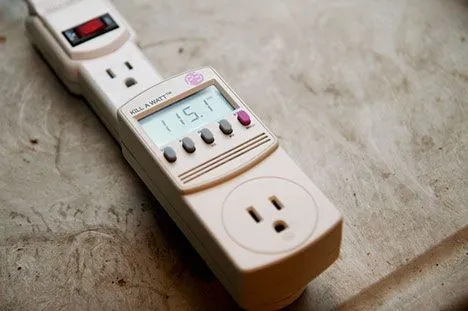
There is no clear solution to the problem of energy vampires, but there are many ways to find out what devices use phantom power and try to reduce consumption. There are even products that you can buy, so-called electricity meters, where you can test which devices in your home are sucking this unused power out of your walls and increasing your energy bills.
Look For Energy Star Ratings
Another good thing to do is to look for the Energy Star label on many products, which certifies that they are energy-efficient and do not draw phantom power; this certification is available for chargers and transformers, two of the main culprits of energy waste. Certain power strips are also being developed to detect when an energy need is present, and if the device is not connected, no power will be drawn.
These tiny increments of energy may not seem significant. Still, we’re in the midst of a green revolution, so saving a few hundred watts a year per person across an entire continent will definitely start adding up. Depending on the products and your current usage habits, you might be able to save anywhere from a few dollars to hundreds of dollars on your energy bills each year.
So, to answer the original question, some devices draw phantom energy that can add up over time. Being informed and conscientious about what you plug in and how long you’re leaving it there can help you save money and protect the environment at the same time.
Last Updated By: Ashish Tiwari
References (click to expand)
- Wainwright, C. L. (2007). Toward learning and understanding electricity: Challenging persistent misconceptions. In The Annual Meeting of the Association for Science Teacher Education (ASTE), Clearwater, Florida. Retrieved from http://fg. ed. pacificu. edu/wainwright/Publications/MisconceptionsArticle (Vol. 6).
- Energy Vampires: Keep Your Devices from Wasting ....
- Standby Power - Lawrence Berkeley National Laboratory.
- 11.4.2: Current. Physics LibreTexts.
- 3 Easy Tips to Reduce Your Standby Power Loads. U.S. Department of Energy.
- Appliance and Electrical Fire Safety. U.S. Fire Administration (FEMA).