In a sense, yes. Melanin-rich fungi like Cladosporium sphaerospermum appear to capture energy from radiation to grow, a process called radiosynthesis. Certain bacteria (such as Geobacter and Burkholderia fungorum) instead feed on radioactive metals like uranium in their metabolism, locking them into safer, insoluble forms.
Fukushima Daichii (Japan, 2011), Chernobyl (Ukraine, 1986), Three Mile Island (U.S.A, 1979), Windscale (U.K, 1957)….
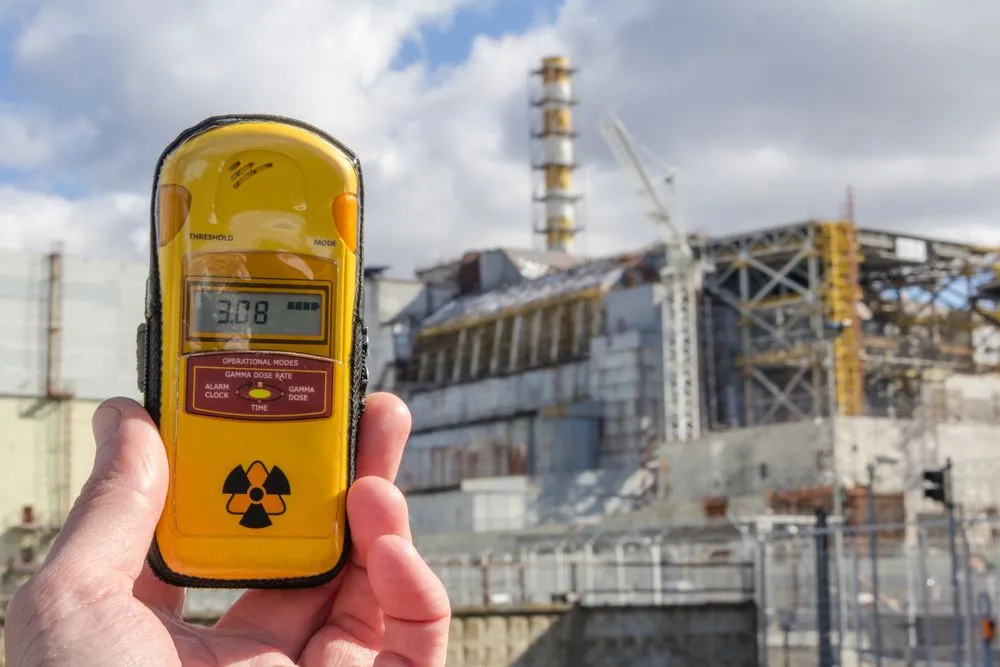
These are just a few of the most serious nuclear accidents that have happened all over the world.
Chernobyl is the worst one to date, with the zone around the Chernobyl nuclear power plant estimated to remain uninhabitable for around 20,000 years due to the hazardous radiation spread by the blast.
However, blasts are not the only cause of worry when it comes to nuclear power plants.
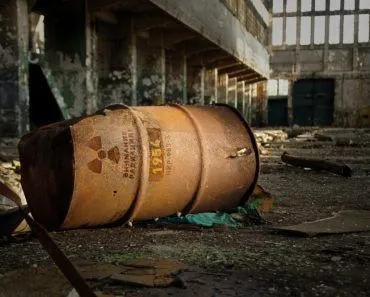
The disposal of nuclear waste generated from these reactors is also a serious problem. They are powered by highly radioactive elements, such as uranium, which split up into other radioactive components, making them essentially indestructible. The ionizing radiation released by uranium and its byproducts is capable of altering our DNA and long-term exposure increases the risk of cancer.
How Is Nuclear Waste Disposed?
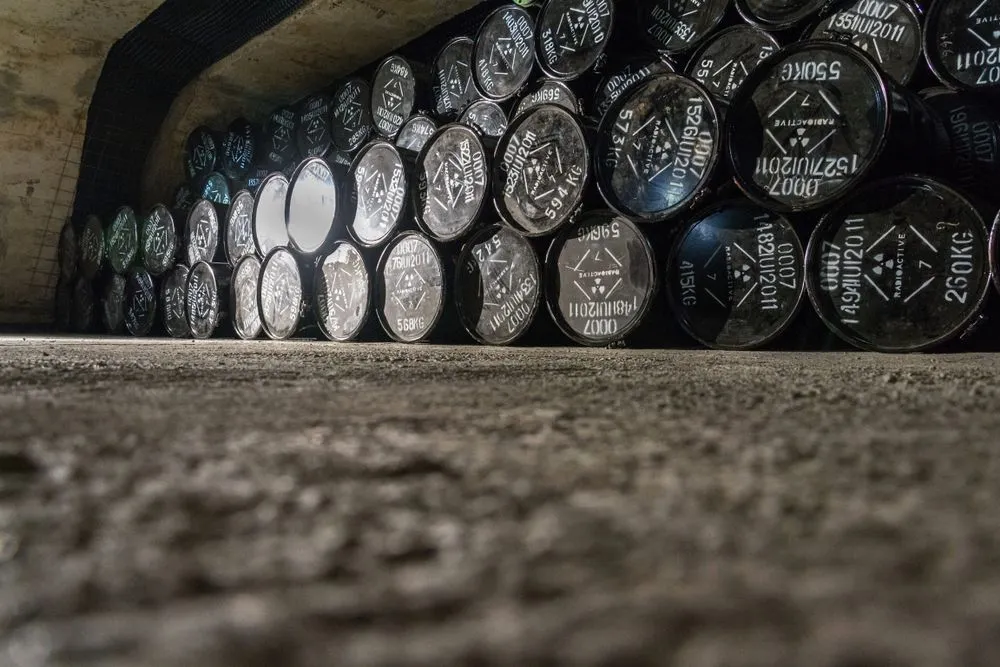
Currently, radioactive waste that is generated is cooled and stored in large stainless steel containers surrounded by concrete. Very large volumes of nuclear waste are encased in concrete and buried deep underground. Although these methods are feasible today, they are not sustainable due to the growing world population. The burial of radioactive waste also runs the risk of its contents leaching out into its surroundings and clawing its way into the food chain. There must be a better way to dispose of this radioactive waste once and for all, right?
Microbes That Can Eat Radiation Can Help With Nuclear Waste Disposal
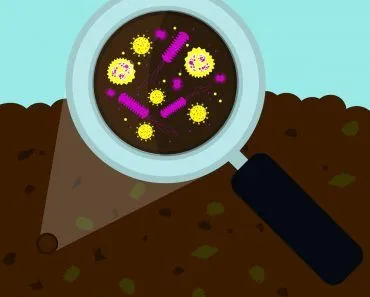
With a little help from our versatile, microscopic friends, we can actually rid ourselves of this nuclear waste! Scientists from the University of Manchester have found evidence of a certain species of bacteria called Geobacter that can not only survive radiation exposure, but also utilize it.
Geobacter species possess the unique ability to oxidize organic compounds and metals, including iron and radioactive metals. They can even grow in regions lacking oxygen (e.g., deep underground) that have high alkalinity, like deep underground areas where nuclear waste is deposited.
If groundwater comes in contact with the concrete vaults in which nuclear waste is stored, their interaction raises the alkalinity.
Some nuclear waste contains cellulose (from used filters, work clothing, etc.), which break down into isosaccharinic acid (ISA) due to the high alkalinity. ISA can then react with uranium to form a more soluble compound that can leak out and may even pollute the groundwater.
Such a potentially fatal disaster is prevented by Geobacter, as it can break down ISA and use it as a source of food and energy. In this way, uranium returns to its original insoluble, solid form. In this form, uranium cannot pollute the drinking water or the food chain, saving countless lives.
In another instance, a research project of the U.S. Department of Energy identified a bacterial strain called Burkholderia fungorum that utilizes uranium. It was isolated from the Integrated Field-Scale Subsurface Research Challenge Site (IFRC) in Rifle, Colorado (USA).
This finding was noteworthy because, at the time (April, 2015), members of the Burkholderiaceae family had not been associated with uranium reduction.
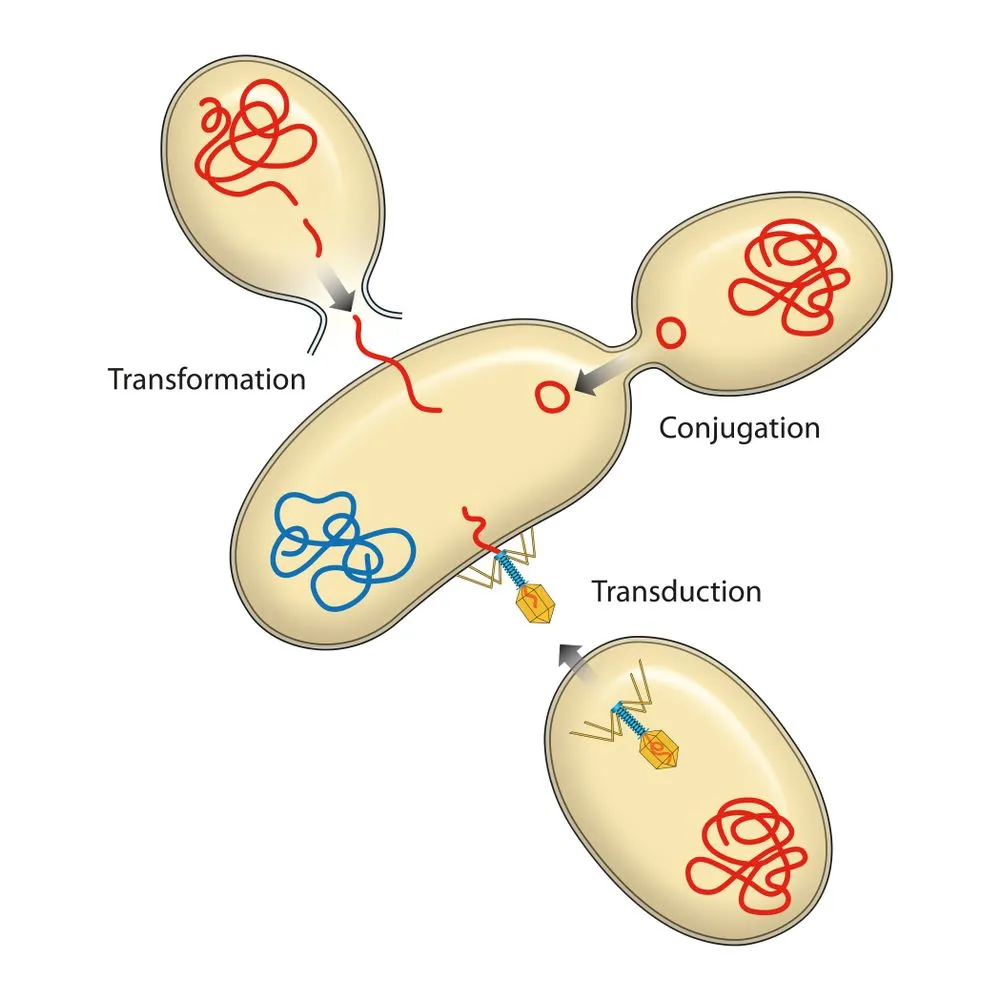
This is a unique characteristic of bacterial species, wherein they can exchange genetic material (DNA) if they lie in close proximity. The exchanged DNA can give rise to resistance to antibiotics or heavy metal toxicity. B. fungorum, in particular, could have picked up some DNA that has enabled it to reduce uranium.
Scientists believe that this novel skill of uranium reduction was picked up by the bacteria from other uranium-breathing bacteria growing in the area.
Fungi That Can Eat Radiation
Fungi aren’t far behind bacteria when it comes to mitigating radiation.
This evidence comes straight from the heart of the abandoned Chernobyl Nuclear Power Plant.
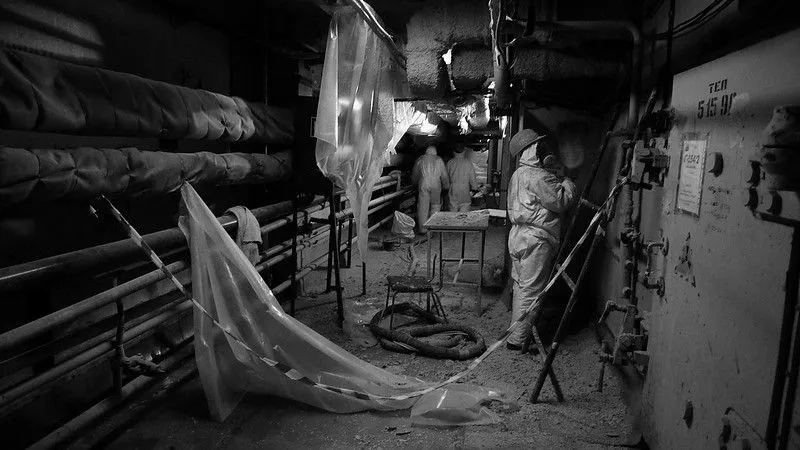
A decade after the tragedy, researchers sent robots to search the hazardous area and found pitch-black fungi on the walls of the ruined reactor. The investigation also suggested that the fungi could break down the radioactive graphite from the hot core of the nuclear reactor itself.
Another interesting finding was that the fungi seemed to be growing towards the source of the radiation, where radiation would be the highest, as if they were drawn to it.
Three fungal species namely, Cladosporium sphaerospermum, Cryptococcus neoformans and Wangiella dermatitidis, were identified from the collected samples. Large amounts of the pigment melanin were found in all three species.
Melanin is also present in human skin, where it is known to absorb and harmlessly dissipate ultraviolet radiation, protecting the cells beneath.
However, in these fungi, the same pigment also absorbs radiation and allows it to be utilized for growth, similar to how plants use the pigment chlorophyll to convert sunlight into energy via photosynthesis.
The melanin-containing fungi also grew faster in the presence of radiation, as compared to the other fungal species that lack melanin. This was because radiation exposure altered the electronic structure of the fungal melanin molecule. The change made melanin four times better at driving a key metabolic reaction (the reduction of NADH, a molecule cells use to shuttle energy).
Since then, 37 species of fungi have been recovered from Chernobyl. Out of these, Penicillium hirsutum, Cladosporium sphaerospermum, Aureobasidium pullulans and Aspergillus versicolor are likely active bio-destructors of even extremely radioactive substrates.
How Such Microbes Can Help Us
In addition to bio-remediation, Chernobyl’s radiation-loving fungi could be the answer to NASA’s radiation problem. NASA has explicitly expressed their determination to send people to Mars, but one of their toughest obstacles is safeguarding astronauts against radiation.
Humans cannot survive in space, on the Moon, or on Mars without Earth’s protective atmosphere and magnetic field. Scientists are therefore searching for feasible ways of shielding astronauts.

In 2020, a team led by student researcher Graham Shunk (working with scientists at the University of North Carolina at Charlotte and Stanford) sent Cladosporium sphaerospermum, one of Chernobyl’s melanized fungi, to the International Space Station (ISS) in hopes of testing this idea. Over 30 days aboard the ISS, a thin fungal lawn (about 1.7 mm thick) lowered the radiation measured beneath it by roughly 2% compared to a fungus-free control. (An earlier NASA Jet Propulsion Laboratory experiment had separately sent eight Chernobyl fungi to the ISS to study how they survive space radiation.) A 2% drop alone is nowhere near enough to shield a crew, but it serves as an indicator of what the future might hold. The researchers estimated that a layer roughly 21 cm thick would provide far more meaningful protection. Astronauts could carry a small amount of the fungal colonies aboard the rocket, cultivate it on a shield structure upon reaching Mars, and let it thicken into a cheap, self-replicating extra layer of protection.
It is clear that microorganisms offer a permanent solution to the growing pile of radioactive waste and multiple research projects are identifying novel microorganisms with the ability to metabolize radioactive substances. With these new findings, it won’t be long before a microorganism is assigned the job of cleaning up the radioactive waste from every nuclear power plant in existence!
References (click to expand)
- Bacteria Could Help Clean Groundwater Contaminated by .... Rutgers University
- Wall, J. D., & Krumholz, L. R. (2006, October 1). Uranium Reduction. Annual Review of Microbiology. Annual Reviews.
- Koribanics, N. M., Tuorto, S. J., Lopez-Chiaffarelli, N., McGuinness, L. R., Häggblom, M. M., Williams, K. H., … Kerkhof, L. J. (2015, April 13). Spatial Distribution of an Uranium-Respiring Betaproteobacterium at the Rifle, CO Field Research Site. (P. V. Morais, Ed.), Plos One. Public Library of Science (PLoS).
- Bassil, N. M., Bryan, N., & Lloyd, J. R. (2014, July 25). Microbial degradation of isosaccharinic acid at high pH. The ISME Journal. Springer Science and Business Media LLC.
- Dadachova, E., & Casadevall, A. (2008, December). Ionizing radiation: how fungi cope, adapt, and exploit with the help of melanin. Current Opinion in Microbiology. Elsevier BV.
- Zhdanova, N. N., Zakharchenko, V. A., Vember, V. V., & Nakonechnaya, L. T. (2000, December). Fungi from Chernobyl: mycobiota of the inner regions of the containment structures of the damaged nuclear reactor. Mycological Research. Elsevier BV.
- Shunk, G. K., Gomez, X. R., & Averesch, N. J. H. (2020). A Self-Replicating Radiation-Shield for Human Deep-Space Exploration: Radiotrophic Fungi can Attenuate Ionizing Radiation aboard the International Space Station. bioRxiv.
- Dadachova, E., et al. (2007). Ionizing Radiation Changes the Electronic Properties of Melanin and Enhances the Growth of Melanized Fungi. PLoS ONE 2(5): e457.