Nuclear waste is the radioactive material left over from splitting atoms to generate electricity. Most of it is low-level waste like used tools and clothing; the dangerous spent fuel is cooled in water-filled pools for at least 5 years, then sealed inside steel and concrete dry casks. The long-lived high-level waste is destined for deep geological repositories, the first of which is now opening in Finland.
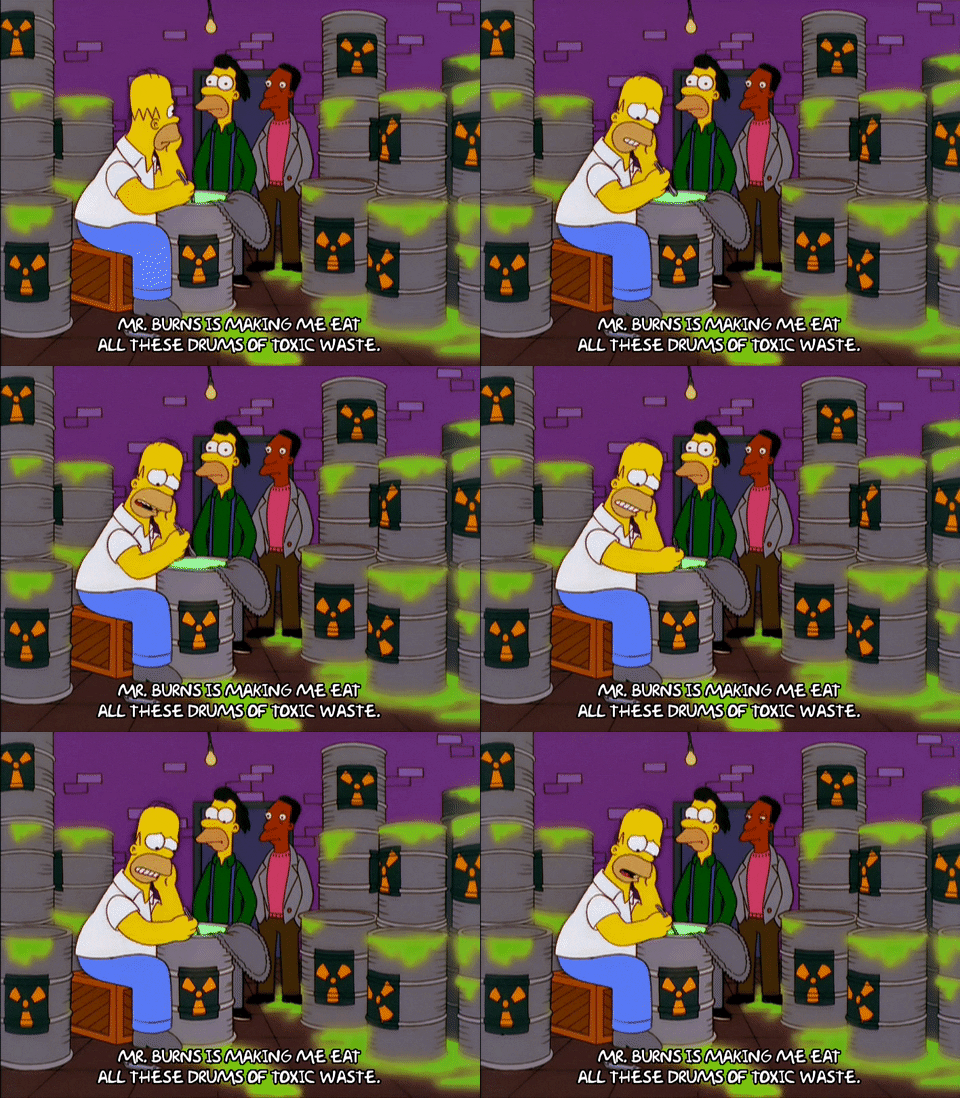
Some prophecies predict the doom of the world as a result of nuclear war. Apart from its ability to destroy humanity, we also use nuclear power to generate electricity. Like any other industry, nuclear power plants also produce waste (specifically, radioactive waste). The disposal of radioactive waste must be done responsibly to avoid radiation leakage into the environment, even though it is much harder to see and detect than the green goo from The Simpsons!
What Is A Nuclear Power Plant?
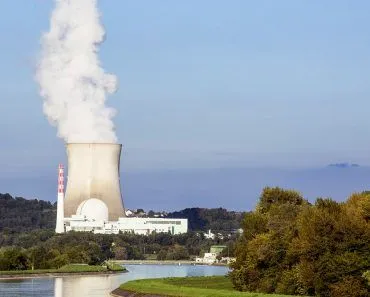
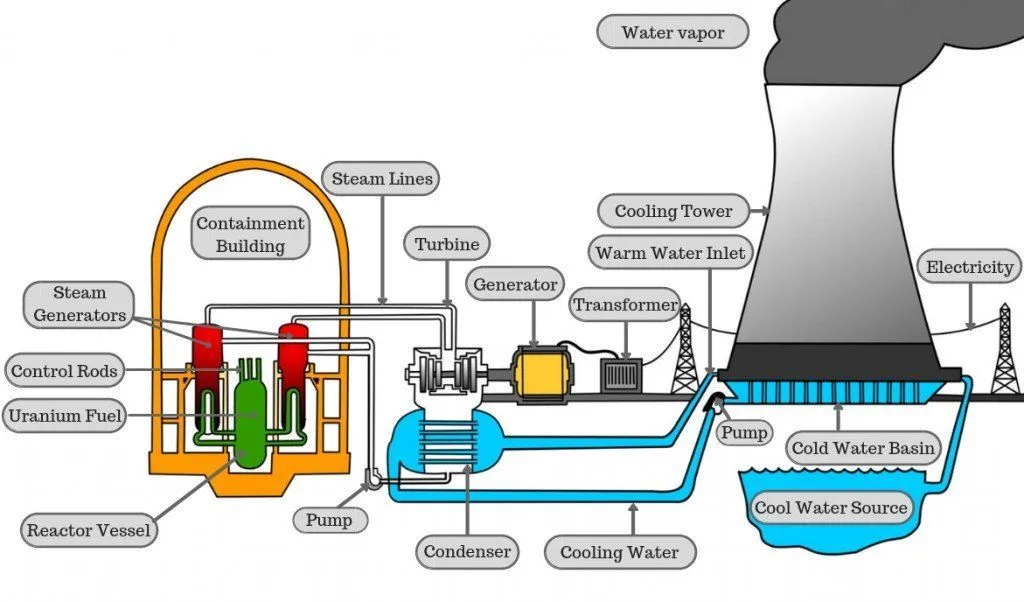
About 9% of the electricity generated worldwide comes from nuclear power plants (around 2,670 terawatt-hours in 2024, per the IAEA). At the heart of these plants are nuclear reactors that produce and control a series of nuclear fission events. Fission is the process of splitting the nucleus of an atom into smaller parts, releasing energy in the process. The continuous splitting of nuclei into smaller pieces yields huge amounts of heat. This fission chain reaction boils water into steam, which turns the turbine blades to generate electricity. Besides fission, another source of nuclear energy is fusion, in which atoms fuse together to release energy.
What Is Nuclear Waste?
Any activity that uses radioactive material will generate some radioactive waste, so the waste from a nuclear plant comes as no surprise. However, the volume of waste generated is much smaller than the waste from coal-fueled power plants. Based on the level of radioactivity, there are three categories of waste (low, intermediate and high-level). When people say "nuclear waste," they usually mean the spent fuel that has been used up inside the reactor.
Reactors are typically refueled every 18 to 24 months, and only about a third of the fuel assemblies are swapped out each time to keep performance steady. The discharged fuel is high-level radioactive waste, since it comes out of the core both intensely hot and intensely radioactive. By volume, this high-level spent fuel makes up only about 3% of all radioactive waste, yet it carries roughly 95% of the total radioactivity. Conversely, low-level waste makes up about 90% of the radioactive waste on Earth but contains only around 1% of total radioactivity. Working clothes and tools used in nuclear plants are even considered low-level radioactive waste!
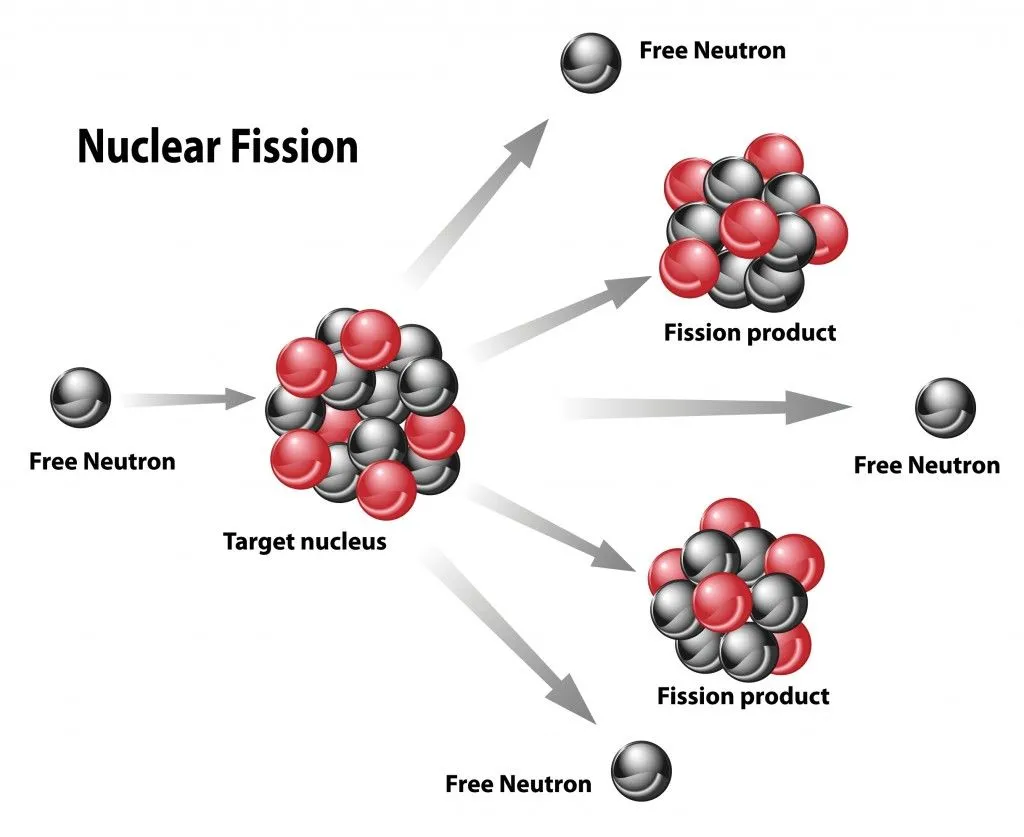
Smaller leftover nuclei, known as fission products, make up the majority of radioactive nuclear waste. Typical fission products include isotopes of cesium, strontium, iodine, krypton, xenon, zirconium and technetium (notably cesium-137 and strontium-90, which dominate the radioactivity for the first few centuries). The spent reactor fuel itself is still in solid form and looks almost identical to the fresh fuel, which comes as solid pellets enclosed in metal tubes. Despite the appearance, the contents of spent fuel are very different from when it went in.
Where Does Nuclear Waste Go?
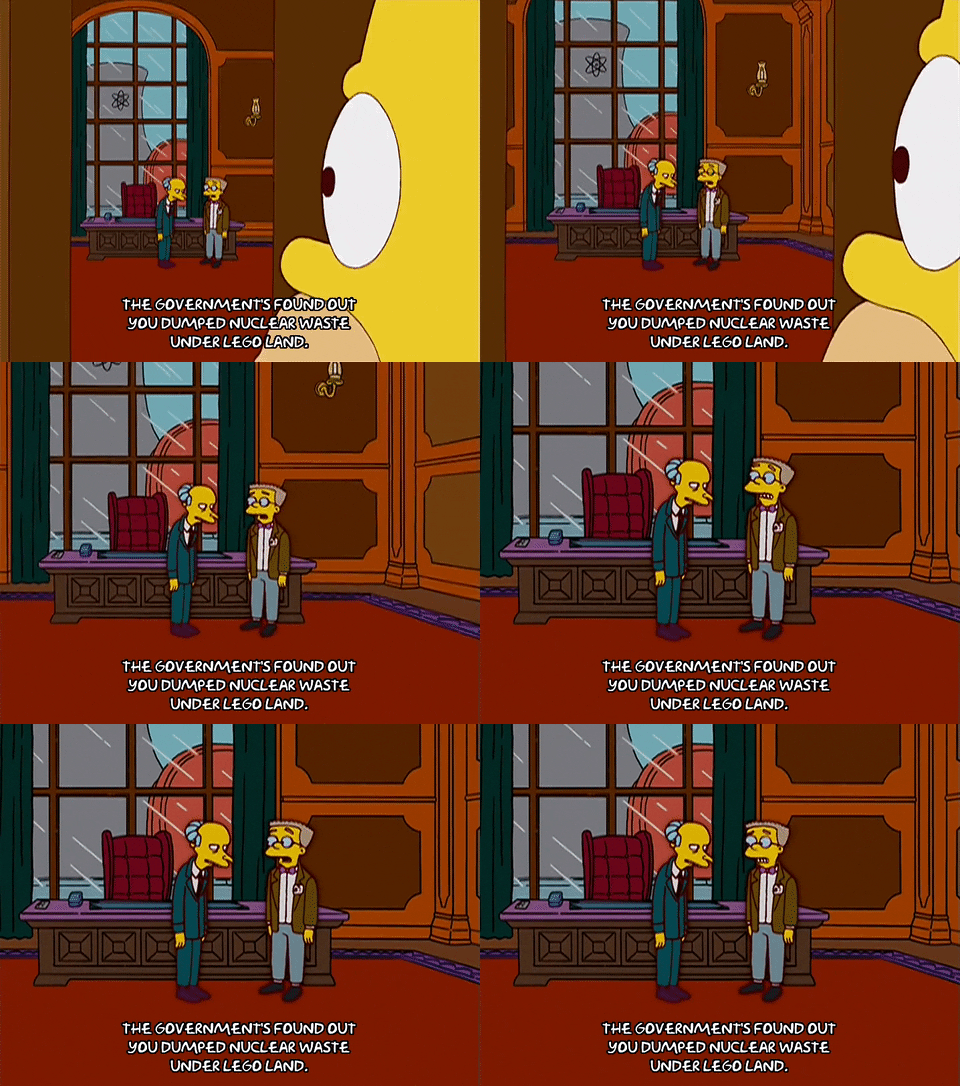
Radioactive waste cannot be dumped on landfills like other waste products. Storing it is a precarious job that requires meticulous planning. The waste is highly radioactive and raises concern about the threat it poses to the ecosystem. Unlike other industries that produce indefinitely hazardous waste like heavy metals (cadmium and mercury), the fact that nuclear waste becomes less toxic over time is unique.
Only about 3% of nuclear waste is long-lived and highly radioactive, thus requiring thousands of years of isolation.
Most low-level waste is packed and sent to a land-based disposal system. The rest is discharged into the sea from the reprocessing plant in a regulated manner.
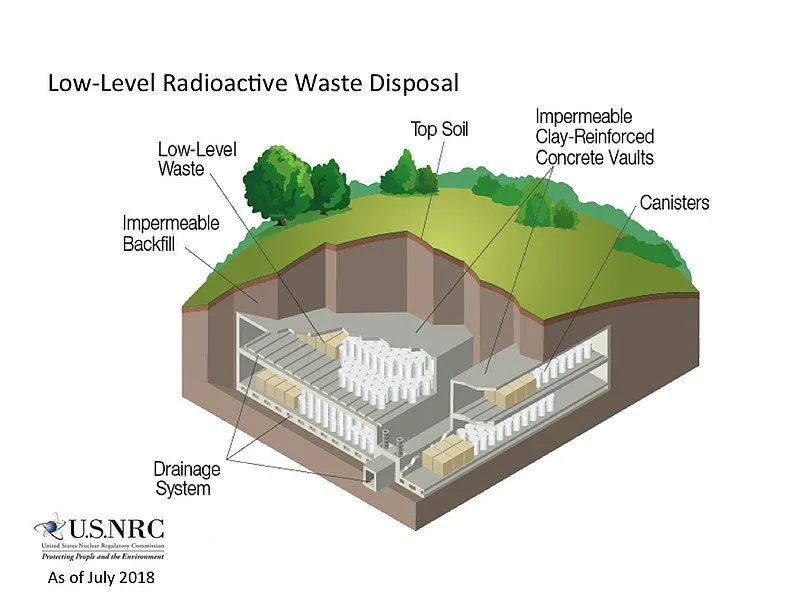
The radiation caused by such disposal affects only a fraction of the existing natural background radiation. Nuclear and reprocessing plants also release small amounts of the chemically inert noble gases krypton-85 and xenon-133 (plus tiny traces of iodine-131, which, unlike the noble gases, can chemically bind in the body) into the atmosphere. Their effect is too tiny to register in any meaningful life-cycle analysis.
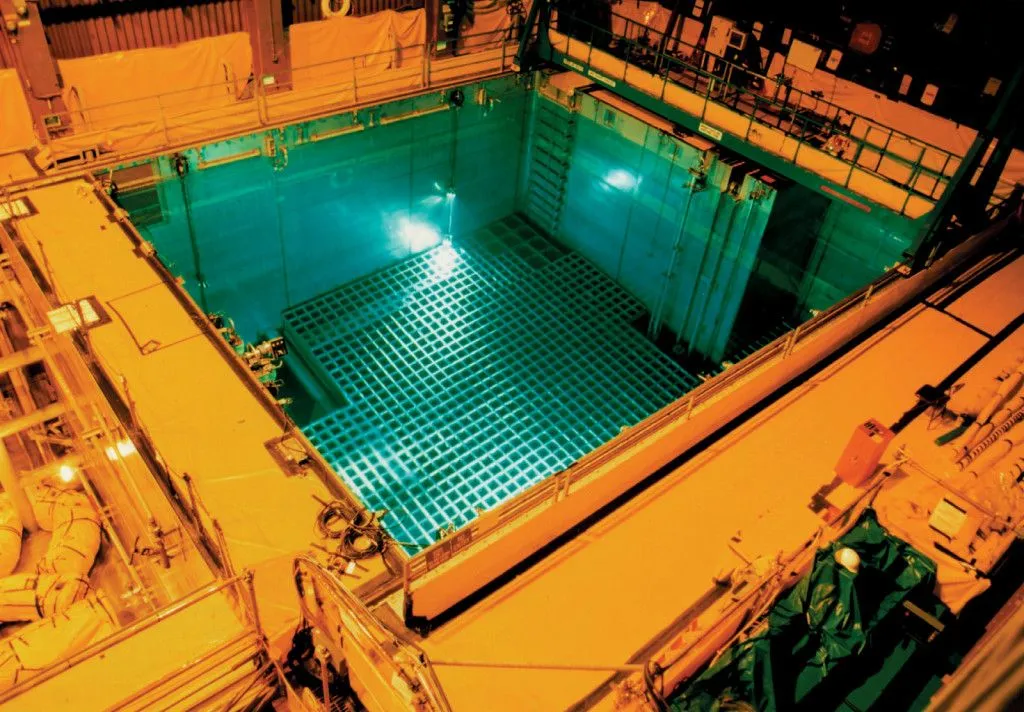
Dealing with spent fuel (high-level radioactive waste) can be a tricky task. When the fuel is taken out of the reactor, it is hot and radioactive. So it is kept underwater in a spent fuel pool for at least five years (and typically around ten in practice) until the radiation and heat drop enough that it can be cooled in open air. This breathing space makes the recycling and disposal of waste easier.
After cooling, the waste is either recycled or transferred into a dry cask surrounded by concrete or multi-purpose canisters with inert gas. These casks are designed for long-term use and are safe enough for you to walk up to and touch. Countries like France recycle their spent fuel, while others opt for the direct disposal of nuclear waste.
Fission products like Cesium-137, Strontium-90, etc., are found in high-level waste, but can also be used for industrial and medical applications, including blood irradiation, food preservation and sewage treatment.
Recycling the used fuel to recover these valuable isotopes makes the radioactive waste more of a resource than a burden. In direct disposal, the spent nuclear fuel is cast away without any recycling in an underground repository.
For the final step, safe geological disposal is planned with multiple layers of barriers. The waste is sealed inside a robust canister (often copper-clad steel) and placed in tunnels dug deep into stable bedrock. Once a canister is in place, layers of rock and bentonite clay lock it in. This protocol immobilizes the radioactive elements and isolates them from the atmosphere. Finland's Onkalo facility, dug 430 metres into 1.8-billion-year-old bedrock, is set to become the world's first operational deep geological repository for spent fuel, with disposal beginning around 2026.
Is There Any Way To Prevent The Generation Of Waste From Nuclear Power Plants?
As mentioned before, there are two possible sources of nuclear energy: nuclear fission and fusion. Even so, every commercial nuclear plant around the world today uses fission to generate power. Fission generates unstable nuclei (the fission products and minor actinides) that remain radioactive for thousands of years. Fusion, by contrast, produces no long-lived high-level waste. Its main product is helium, an inert gas that is harmless to life, though the neutrons it throws off do activate parts of the reactor's steel structure (producing waste that is far shorter-lived than fission waste).
Shifting from fission plants to fusion plants would therefore drastically cut the formation of long-lived radioactive waste. The current reliance on fission is not because fusion is dirtier; it is because controlled fusion has not yet been engineered into a reliable, grid-scale power source.
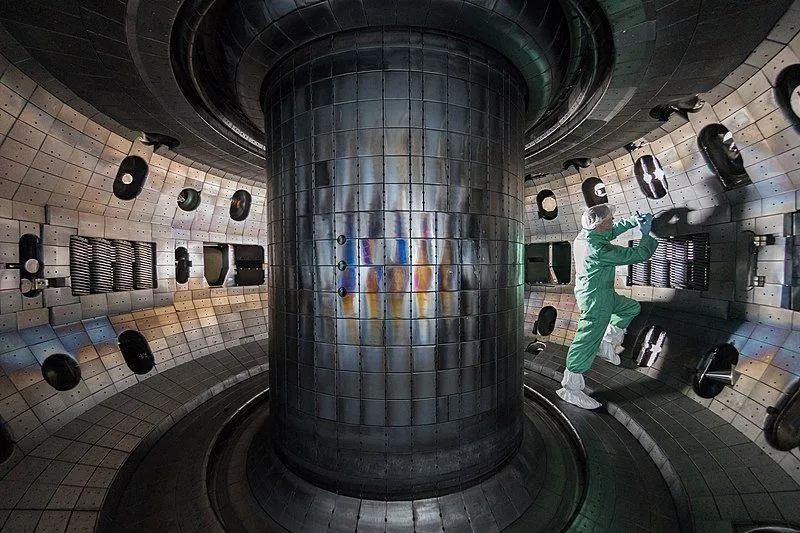
The technology to produce electricity with the help of nuclear fusion is still only in its experimental phase. ITER, the giant international tokamak being built in southern France, is now scheduled to start operations with deuterium in 2034 and run its first deuterium-tritium fusion fuel in 2039 (under the revised 2024 baseline), while a follow-on demonstration plant feeding power to the grid is not expected until the 2050s. So the second half of this century may yet be the stage for commercial electricity from a nuclear fusion power plant!
References (click to expand)
- What is nuclear waste and what do we do with it? World Nuclear Association
- Radioactive Wastes - Myths and Realities. World Nuclear Association
- Backgrounder on Dry Cask Storage of Spent Nuclear Fuel. U.S. Nuclear Regulatory Commission
- Fusion - Frequently asked questions. International Atomic Energy Agency
- Finland's Spent Fuel Repository a Game Changer for the Nuclear Industry. International Atomic Energy Agency
- Nuclear Share of Electricity Generation in 2024. IAEA Power Reactor Information System
- Nuclear explained: Nuclear power and the environment. U.S. Energy Information Administration
- ITER fusion reactor hit by massive decade-long delay. Physics World
- Nuclear fission product. Wikipedia (supplementary)