Yes, cars can run on alcohol, specifically ethanol, the same alcohol found in booze. Standard US gasoline is already 10% ethanol (E10), and most cars tolerate E15 (15% ethanol). Flex-fuel vehicles can burn E85, which is 51 to 83% ethanol. Brazil even sells E100 (about 96% ethanol) for purpose-built engines.
The internal combustion engine is designed to work with liquids that go bang! when subjected to appropriate heat or pressure. It is interesting to note that gasoline and diesel are no longer the only liquids to do this. The pursuit of sustainability has led to the development of many alternative fuels and additives that reduce the harmful impact of fossil fuels.
One such approach seeing wide acceptance is ethanol-blended gasoline.
Here’s a primer for you on the what, why and how of this new technique!
What Is Ethanol-blended Gasoline?
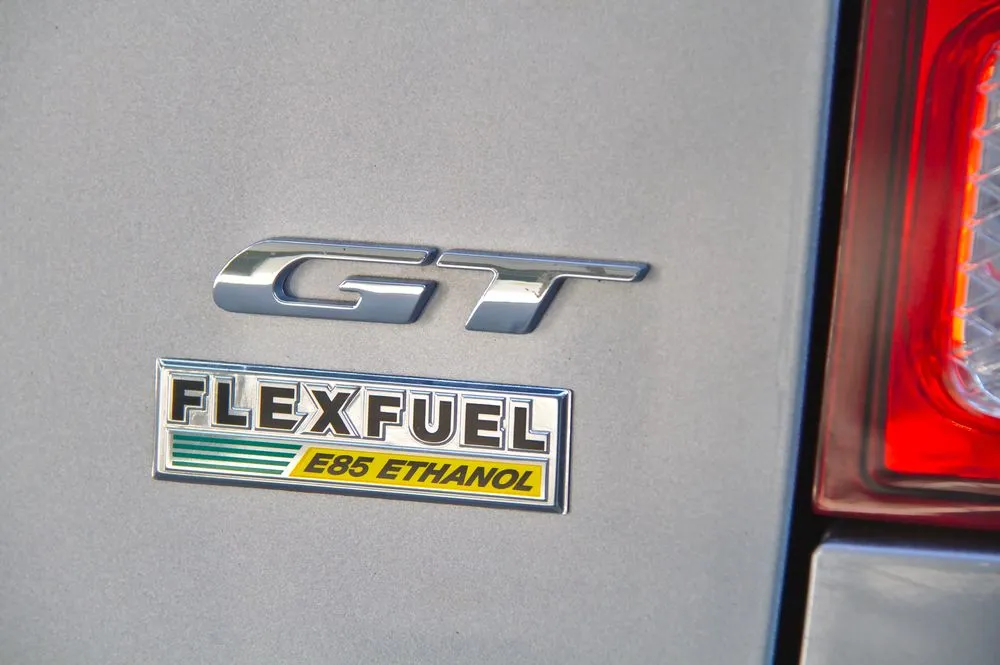
On your visit to a gas station, have you ever been accosted with gibberish on the pumps like E20, E85 or flex fuel?
If so, you’ve already seen a product using ethanol in gasoline. Ethyl alcohol, commonly known as ethanol (which also happens to be the alcohol found in booze), is mixed with gasoline in various proportions to enhance its combustion characteristics.
Right off the bat, the concentration of ethanol in most booze is much lower than what could be useful in vehicles. However, liquor also contains other ingredients that are not compatible with the ignition system. Thus, vehicles cannot run on booze alone; it must be processed further to suit the ignition systems.
Why Is Ethanol Mixed With Gasoline?
Ethanol presents certain benefits that make it conducive as an additive with gasoline.
Firstly, ethanol has a very high octane rating, which refers to its ability to resist combustion before the right timing in the engine. This prevents pre-ignition or knocking and ensures longevity of the engine components. The inclusion of ethanol reduces the amount of gasoline being consumed. At the same time, it has been shown to cut several harmful tailpipe emissions, because the main products of its complete combustion are just CO2 and H2O (real engines also emit small amounts of carbon monoxide and aldehydes like acetaldehyde, which is why flex-fuel cars use a tailored catalytic converter).

Ethanol doesn’t need intensive extraction and refinement like gasoline. It can be manufactured on very large scales from both dedicated crops and waste byproducts of other agro-industries. Common feedstock (raw material) for ethanol production include sugarcane, corn, miscanthus, switchgrass and even wood waste. Ethanol establishes a positive energy balance in the ecosystem, i.e., it provides more energy than is consumed in manufacturing it.
However, it is not as energy dense as gasoline. Gasoline carries roughly 43 megajoules of energy per kilogram, while ethanol holds only about 27. This means the same energy output requires a greater quantity of ethanol to be burned, which reduces the power output (and fuel economy) of an ethanol-heavy blend. Some other debilitating effects of ethanol on vehicle performance include its corrosive nature, which increases stress on lubricants and rubber seals in regions where it circulates.
How Is Ethanol Blending Done?
Ethanol is blended into gasoline and other additives at fuel terminals, before it gets distributed to pumping stations. The supply of ethanol to fuel terminals must be specially handled, due to its high affinity to water.
The performance of blended fuel is dependent on the season, as ethanol vaporizes slowly in the winter and can result in starting problems.
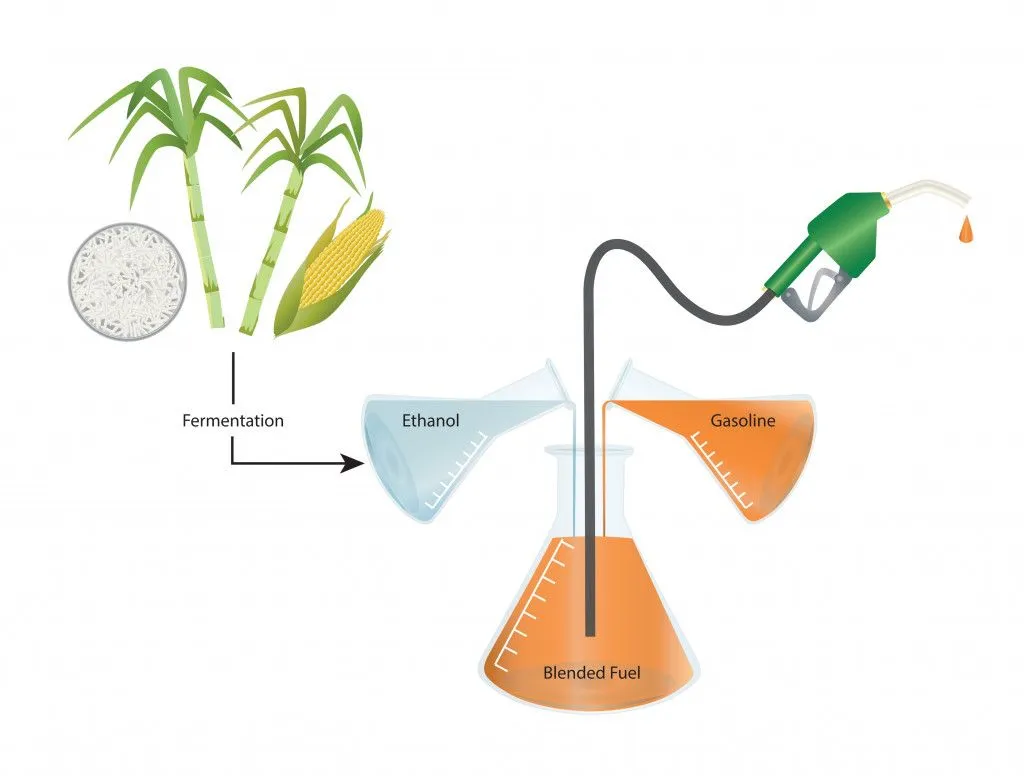
Thus, ethanol is diluted by adding more gasoline during the winter months. However, this diluted fuel can be carried over to the summer months without resulting in any performance related issues. The blending activity is carried out at the fuel terminals before the fuel is sent further on for distribution.
What Do The Notations E20, E85, And Flex Fuel Mean?
The letter E indicates the presence of ethanol in gasoline. The number after the E tells you its percentage in the total volume of fuel. Thus, an E20 blend is 20% ethanol and 80% gasoline; standard US pump gas is E10, and E15 is now sold year-round at over 3,000 stations across the country. An E85 fuel, by contrast, is mostly ethanol with only a little gasoline.
The label E85 (sometimes marketed as "flex fuel") actually covers any blend the EPA and ASTM allow between 51% and 83% ethanol. The exact ratio shifts with the season and the region, with more gasoline added in winter to help cold starts. Cars built to handle this range are called flex-fuel vehicles (FFVs). Some countries, most famously Brazil, go even further and sell E100 (technically hydrous ethanol, about 96% ethanol and 4% water), which lets a properly designed engine run with essentially no gasoline at all.
A Note On Ethanol For Compression Ignition Engines
Most ethanol blends are designed around gasoline engines, where combustion takes place by means of a spark. However, there is also a special blend of ethanol, referred to as ED95, that can function for specially designed diesel vehicles.
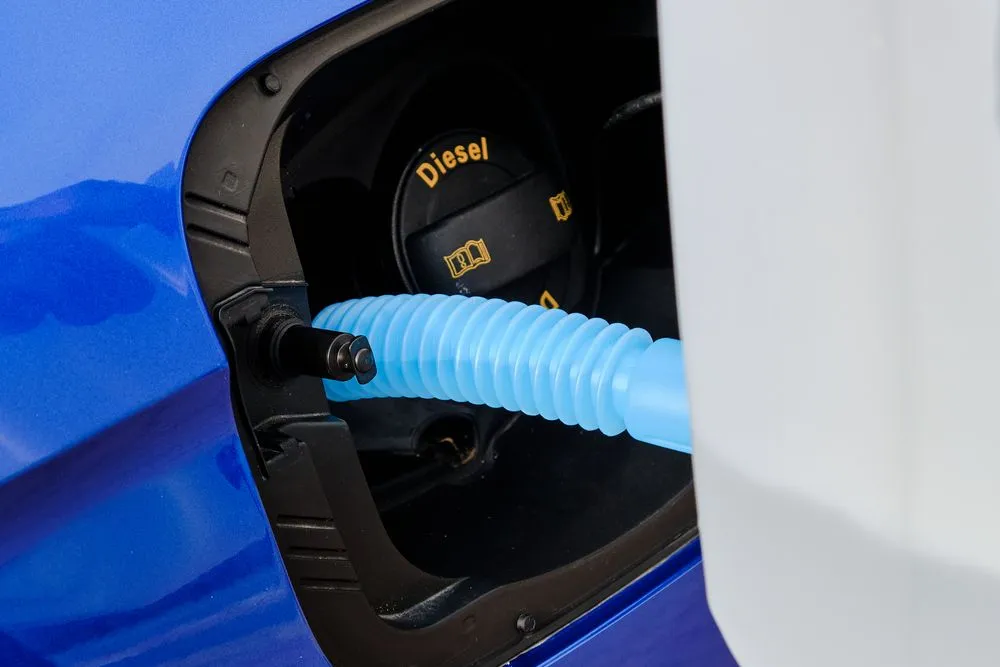
This blend contains 95% ethanol mixed with combustion enhancers and has been observed to deliver results that are similar to diesel fuel when used in heavy vehicles. However, conventional compression ignition engines that run on diesel cannot run on this blend of ethanol. Diesel engines must be modified to be able to run on ED95, and the possibility of this fuel entirely replacing diesel is still being investigated.
The Way Forward For Ethanol-blended Fuels
It’s easy to think that electric vehicles can bring sweeping changes to the transportation industry, but infrastructure can never be based on a single platform, and this extends to transportation as well.
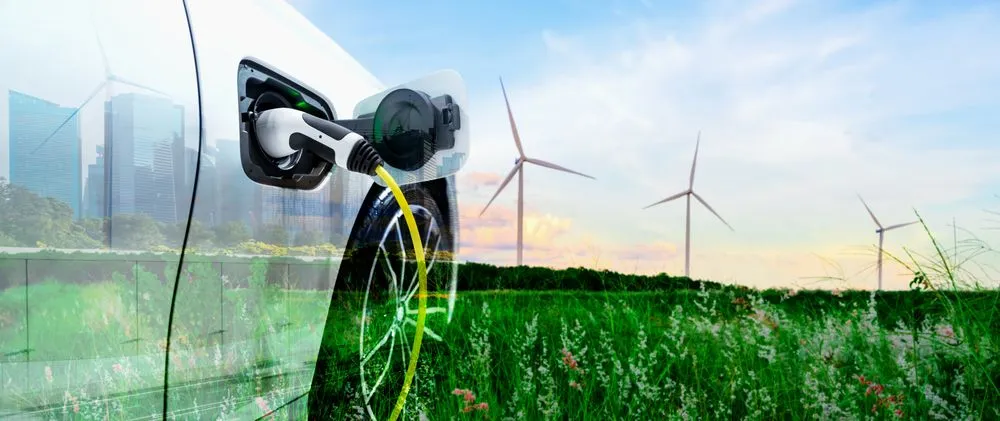
Thus, the emergence of electric vehicles cannot vanquish internal combustion engines entirely. Having similarly eco-friendly alternatives, such as ethanol-blended fuels, CNG and LPG, is instrumental in providing peripheral support for a green future!
The numbers back this up. In 2025, US sales of E15 hit a record 1.52 billion gallons (up 23% from 2024), and the EPA cleared E15 for year-round nationwide sale. At the same time, the lineup of brand-new flex-fuel cars in the US has shrunk dramatically (only a handful of GM models for the 2026 model year), even as the network of E85 pumps keeps growing past 5,000 stations. Ethanol's role in the fuel mix is broadening at the pump, even if a future where cars run on pure booze remains, for now, mostly a Brazilian story.
References (click to expand)
- Ethanol Fuel Basics. Alternative Fuels Data Center, US Department of Energy.
- E85 (Flex Fuel). Alternative Fuels Data Center, US Department of Energy.
- Flexible Fuel Vehicles. Alternative Fuels Data Center, US Department of Energy.
- E85 Fuel. US Environmental Protection Agency.
- E85 Flex Fuel Specification (ASTM D5798). Alternative Fuels Data Center, US Department of Energy.
- Diethyl Ether (DEE) as a Renewable Diesel Fuel. US Department of Energy.