Denatured alcohol is ethanol that has been deliberately mixed with toxic, foul-tasting or foul-smelling additives (commonly methanol, denatonium benzoate or isopropyl alcohol) to make it unfit for drinking, while leaving its chemical usefulness intact. It is widely used as a solvent, cleaner, fuel and ingredient in cosmetics, and is taxed at a much lower rate than potable alcohol.
Alcohol is a very versatile substance that can be used in different concentrations and amounts—from consumption to cleaning. However, when a substance is abused, there are bound to be disastrous results.
According to the reports of the WHO, alcohol is directly or indirectly linked to almost 200 diseases!
How Is Denatured Alcohol Different From Normal Alcohol?
Chemistry says that alcohols are organic compounds that have an –OH functional group attached to the carbon chain. The normal form of alcohol we most commonly consume is “ethanol”, a type of alcohol.
Denatured alcohol, on the other hand, is ethanol that has been made unfit for human consumption, but is still usable at domestic and industrial scales. Denaturing means removing a specific ability of a substance; in this case, denaturing alcohol allows us to eliminate its property of being drinkable.
Ethanol is often mixed with dyes, bitterants, or other poisonous substances to make it into denatured alcohol. Common denaturants include methanol (which makes it toxic), denatonium benzoate (the bitterest substance known, sold as “Bitrex”), isopropyl alcohol, methyl isobutyl ketone, and pyridine. Because alcohol finds applications in so many different industries, from medical care and household cleaning to perfume design and event planning, additives are selected so they don’t alter the underlying chemistry of the ethanol, just its drinkability.
What Is Denatured Alcohol Used For?
Denatured alcohol shows up almost everywhere we use ethanol but don’t need to drink it. Common uses include:
- Household and industrial cleaning — degreasing surfaces, removing inks and adhesives, glass cleaning.
- Solvent — in paints, varnishes, shellacs, dyes and resins.
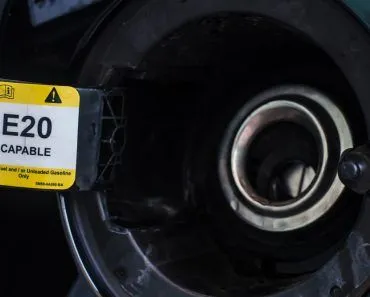
- Fuel — for camping stoves, marine stoves, fondue burners and as an octane booster in some gasoline blends.
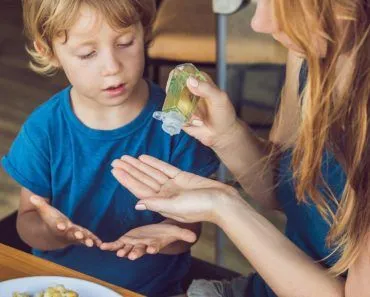
- Cosmetics and personal care — perfumes, hair sprays, hand sanitizers and aftershaves often list “alcohol denat.” on the label.
- Antifreeze and windshield washer fluid — to lower the freezing point.
- Lab and pharmaceutical use — disinfection, tissue fixation, biological reagent.
- Pre-electronics work — cleaning circuit boards and contacts.
The reason this huge market exists at all is regulatory: alcoholism has been a major problem since the time when alcohols were freely available. Alcohol has so many applications across a range of industries, so it was practically impossible to ban its use; therefore, denatured alcohol was introduced as a workaround.
The idea of manufacturing denatured alcohol targeted two problems:
- In order to control alcohol consumption, alcohol was taxed heavily by the government. In order to evade these beverage taxes, industries started to denature alcohol so that it could no longer be consumable.
- The government had to manage less alcoholism and related problems; although alcohol was readily available, it could not be consumed.
Can You Process Denatured Alcohol To Make It Consumable?
Well… it depends.
If the alcohol is denatured with substances like a bitterant or foul-smelling additive, it can be distilled and pure ethanol can be obtained once again. If the ethanol obtained after distillation is to be consumed, it should be passed over activated charcoal to make it purer. The more you distill the ethanol, the more pure and concentrated it becomes. Industries use a far more sophisticated process called fractional distillation to purify and increase the concentration of alcohol.
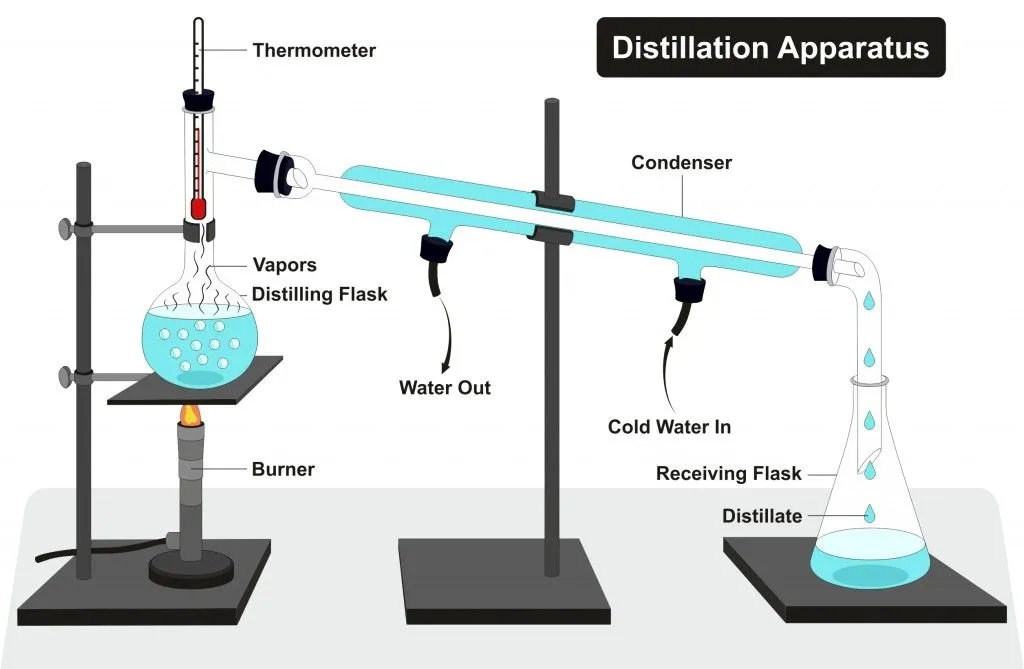
However, when the denatured alcohol contains toxic additives like methanol, the process of distillation becomes tiring and time-consuming; also, the elaborate and sophisticated equipment is not likely to be readily available. Furthermore, there is no way to know that the distilled product is pure ethanol.
Methanol has a boiling point of 64.7˚ Celsius and ethanol boils at 78.37˚ Celsius, which are pretty close to one another. The mixture must be maintained at 64.7˚ until all the methanol has evaporated, a task that is easier said than done!
Distilling these two substances is very risky because you can never be sure that all the methanol is vaporized. If there remains even a small amount of methanol, it can cause blindness or even death; as little as 10 mL can permanently damage the optic nerve and ~30 mL can be lethal. The most infamous example is the US government’s decision during Prohibition in the 1920s to deliberately add methanol to industrial alcohol to deter bootleggers, which is estimated to have killed at least 10,000 Americans who drank the diverted supply. Distilling alcohol makes it suitable for laboratory applications, but cannot make it suitable for consumption.
It is also worth noting that in the United States, United Kingdom, Canada and Australia, home distilling is generally illegal without a permit (home brewing of beer and wine is fine, but distilling is regulated). So even if you could un-denature the alcohol, doing it without a licence would be against the law in much of the English-speaking world.
Alcoholism is a human-generated disease and until we as a global community treat it as a severe issue, there is simply no way we will cure it.
There have been numerous instances where people have consumed denatured alcohol out of desperation and died! Governments around the world can only try to restrict access to alcohol by taxing it or denaturing it, but the power ultimately rests with the people!
Alcohol is not bad in itself… it’s all about how we decide to use it!