Table of Contents (click to expand)
Most small cars skip diesel because diesel engines are noisier and rougher (high NVH), heavier and pricier to build and maintain, and harder to clean up. Their lean, oxygen-rich exhaust needs extra hardware to control nitrogen oxides, so for a budget commuter car, petrol or electric usually makes more sense.
Lamenting about rising fuel costs has existed since fuel was “invented”, but one look at the difference between the costs of petrol and diesel will tell you that something doesn’t quite add up. The longest queues are at the petrol pumps, whereas the diesel dispensers are usually filled by a truck or two, and the occasional car, but never a motorcycle…
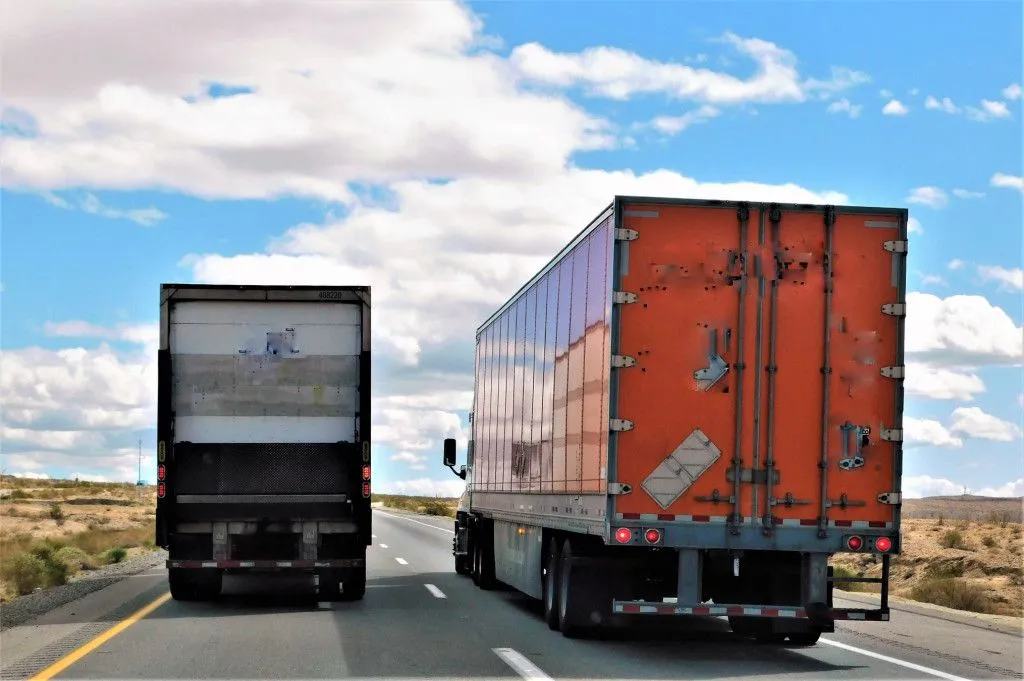
Despite having numerous benefits, diesel is usually associated with trucks and trailers, rather than cars and motorcycles. As the world makes a paradigm shift with the introduction of electric and autonomous vehicles, let’s look into the disregard for diesel as a domestic, common man’s fuel.
Diesel As A Fuel
Diesel and petrol are both byproducts of refining crude oil, but they have quite dissimilar combustion characteristics.
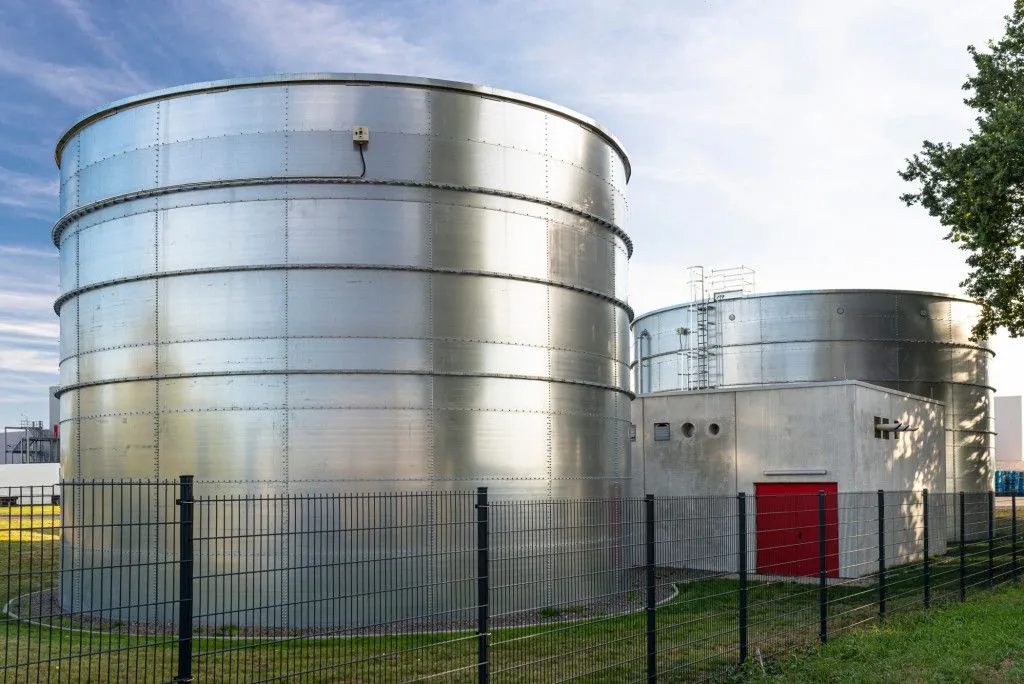
This makes one unfavorable for the duties of the other. To learn even more about the differences between petrol and diesel, you can click here.
Manufacturers have only sporadically warmed up to diesel as a choice for smaller vehicles. Diesel is more conducive for heavier vehicles, and understanding the physics of combustion will help explain why.
1. Higher Compression Ratio
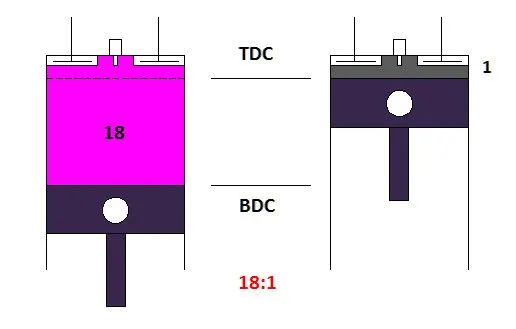
Diesel is ignited by compression, as opposed to the “spark” in a petrol engine. A higher compression ratio ensures greater thermal efficiency and the complete combustion of fuel. Diesel vehicles are known for their high mileage, making fuel stops more infrequent. This is particularly desirable for heavy vehicles, as they often traverse regions where fuel might not be easily available.
2. Energy Dense Fuel
Per kilogram, diesel and petrol carry almost the same energy (roughly 45.5 vs 45.8 MJ/kg). The difference is volume: diesel is denser, packing about 15% more energy per liter (around 36.9 MJ/L versus 33.7 MJ/L for petrol). More energy in every liter, combined with a diesel engine's higher efficiency, translates to more torque and better mileage.
3. Slow-burning Fuel
Moving a lot of weight consumes a lot of energy. The slow burning of diesel ensures that this energy is available as torque to the vehicle, even at low speeds. This makes diesel fuel conducive for large vehicles that constantly battle weight and occasionally unruly terrain.
4. Engine Design
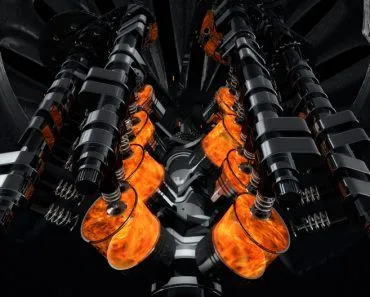
Diesel engines are designed to capitalize on the above three characteristics. They have a longer bore and stroke and are often assisted by turbocharging to maximize the torque being made available to the vehicle.
So, why can smaller vehicles not benefit from these characteristics?
The Case Against Diesel
As per the above argument, it is already clear that diesel is a very potent fuel. However, diesel engines also have some disadvantages that make them unfavorable for use in smaller cars.
1. Higher NVH (Noise, Vibrations And Harshness) Levels
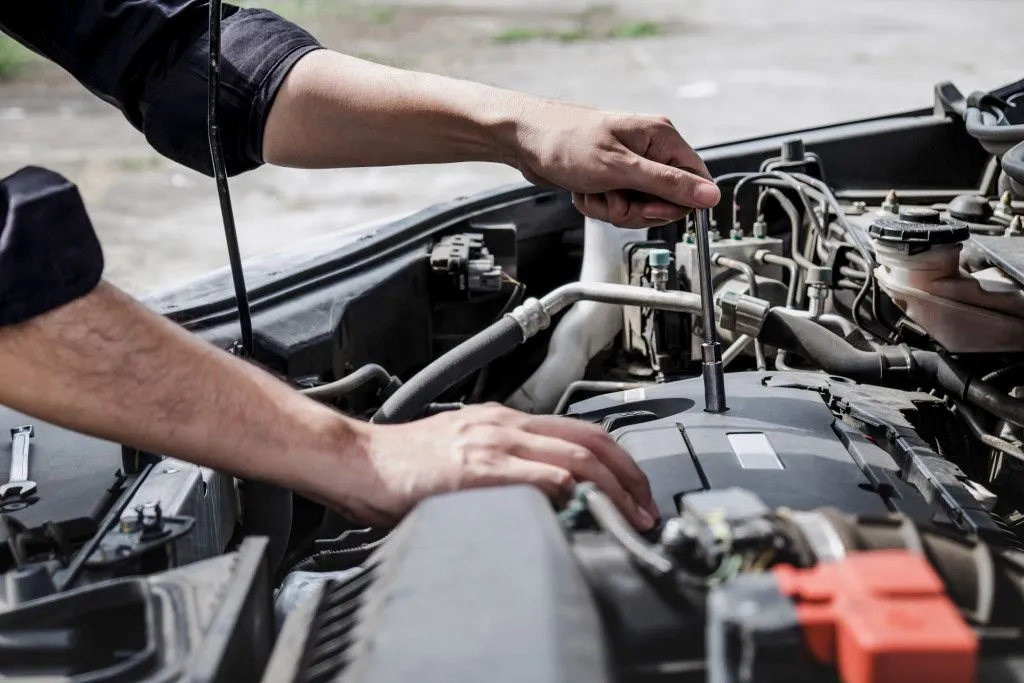
Due to the higher compression ratios, diesel engines generate harsh rattling sounds and vibrations. While this does not have a significant impact on heavy vehicles, due to their sheer size, it can become an occupational hazard for smaller cars. That said, many manufacturers have refined their diesel engines to be put to use in smaller cars. Commuter vehicles, such as jeeps, SUVs and even saloon cars have a diesel counterpart to their petrol range.
2. Higher Maintenance
Machines that are subject to high vibrations wear out faster and can fail prematurely. This failure is also known as ‘fatigue’. For diesel engines, their components must be engineered to withstand the higher NVH levels. This increases maintenance costs significantly. It is worthwhile to note that while diesel engines need maintenance less often, any benefit gained by this is offset by the cost of every maintenance need.
This makes diesel engines less popular amongst small car owners, whose objective is economical transportation.
3. Emission-related Issues

Despite their greater efficiency, diesel engines emit harmful nitrogen oxides (NOx), which irritate the lungs and worsen asthma and other respiratory conditions. Here is the catch: a petrol engine burns close to a stoichiometric (chemically balanced) air-fuel mixture, so a cheap three-way catalytic converter can scrub NOx, carbon monoxide and unburned fuel in one go. A diesel runs “lean,” with lots of excess air, and all that leftover oxygen stops a three-way converter from reducing NOx. Cleaning up diesel exhaust therefore needs extra, costlier hardware (a diesel oxidation catalyst, a particulate filter, and a selective catalytic reduction system that injects urea, sold as AdBlue).
Older diesel engines, built before these systems were mandated, pump out far more NOx and soot. In response, many cities have introduced low-emission zones that bar older diesels from their centers (Paris, Rome and Athens among them), and the European Union has set 2035 as the cutoff for sales of new petrol and diesel cars. Bolting all this emission-control gear onto a budget car is expensive, which is one more reason diesel is unpopular in small cars.
Diesel Vs Sports Cars
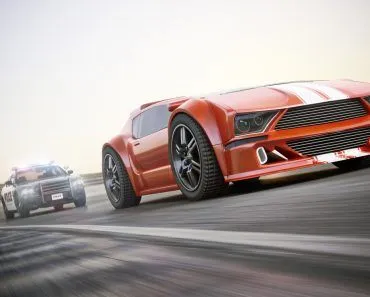
If you think about it, sports cars can benefit a lot from the advantages of diesel. Additionally, regulations pertaining to emissions and prohibitive maintenance costs are also not an issue for race cars.

Yet you almost never see diesel in a road-going sports car. This can largely be linked to the weight of diesel engines. Because of their higher compression and energy density, diesel engines have thicker, heavier walls than their petrol counterparts. In a performance car, a lighter engine is always an advantage, as it lets the car accelerate and change direction more quickly. The heavier diesel block is a real drawback (often a dealbreaker).
Diesel engines also deliver most of their torque at low engine speeds, with little extra to give at high RPM, while petrol engines happily rev far higher. That power band suits a heavy truck, not a road sports car chasing top-end punch. Endurance racing is the famous exception: Audi's diesel-powered R10, R15 and R18 TDI prototypes won the 24 Hours of Le Mans repeatedly between 2006 and 2014 (Peugeot's diesel 908 took the 2009 win), using diesel's efficiency to make fewer fuel stops. Tightened rules later ended that diesel era, and today's top-tier racing has moved on to petrol-hybrid and electric powertrains.
The Future Of Diesel
For passenger cars, diesel is fading fast. In Europe, once diesel's stronghold, it has tumbled from roughly half of all new-car sales around 2015 to under 10% by 2025, and brands like Volvo have already stopped building diesels altogether, with Audi and Mercedes-Benz winding theirs down. That said, the dependence of heavy trucks, ships and other industrial machinery on diesel has barely budged, since nothing else yet matches its torque and energy density for hauling serious weight. So while diesel may stop burning under the hood of the average commuter car, it will keep working hard in the background, even helping to generate some of the electricity that powers the next generation of cars.
References (click to expand)
- Differences between diesel and petrol explained. ACEA (European Automobile Manufacturers' Association)
- Learn About Impacts of Diesel Exhaust and the Diesel Emissions Reduction Act. U.S. Environmental Protection Agency
- EU ban on the sale of new petrol and diesel cars from 2035 explained. European Parliament
- Audi R10 TDI. Wikipedia