Damp clothes smell because microbes - chiefly the bacterium Moraxella osloensis and mildew-causing fungi like Aspergillus and Penicillium - colonise the wet fabric and feed on residual sweat, sebum and detergent. The "wet-rag" sour note is largely 4-methyl-3-hexenoic acid, a volatile produced by Moraxella as it breaks down skin oils.
The thick, sour smell exuding from wet clothes that haven’t been adequately dried is definitely a pet peeve for many people, but have you ever wondered why clothes freshly purged of dirt and perfumed by detergents end up stinky? Isn’t that counter-intuitive? Let’s check out the reasons one at a time.
Reasons Why Clothes Smell
Sebum
According to Mary Johnson, principal scientist at Procter & Gamble, over two-thirds of laundry dirt comes from the secretions of the outer body, namely in the forms of sweat and sebum. Sebum is the oily waxy substance that you feel on your skin. It is secreted naturally and acts as a waterproofing shield—preventing the leakage of water from the body. However, it can also be to blame as the culprit for stinky clothes that aren’t washed or dried properly.
If not removed during the wash, these natural oils hunker down in the fiber of the cloth. Also, sebum by nature is very sticky and attracts other odor-causing dirt elements that accentuate the stench.
Washing Machine
This seems to be a paradox, but washing machines are also one of the chief suspects behind malodorous clothing! The dark and damp interior of washing machines makes it a breeding ground for mildew and other odor-causing bacteria that can end up clinging to the fabric. Additionally, with higher levels of sebum, the migration of mildew and bacteria to clothes happens even faster.
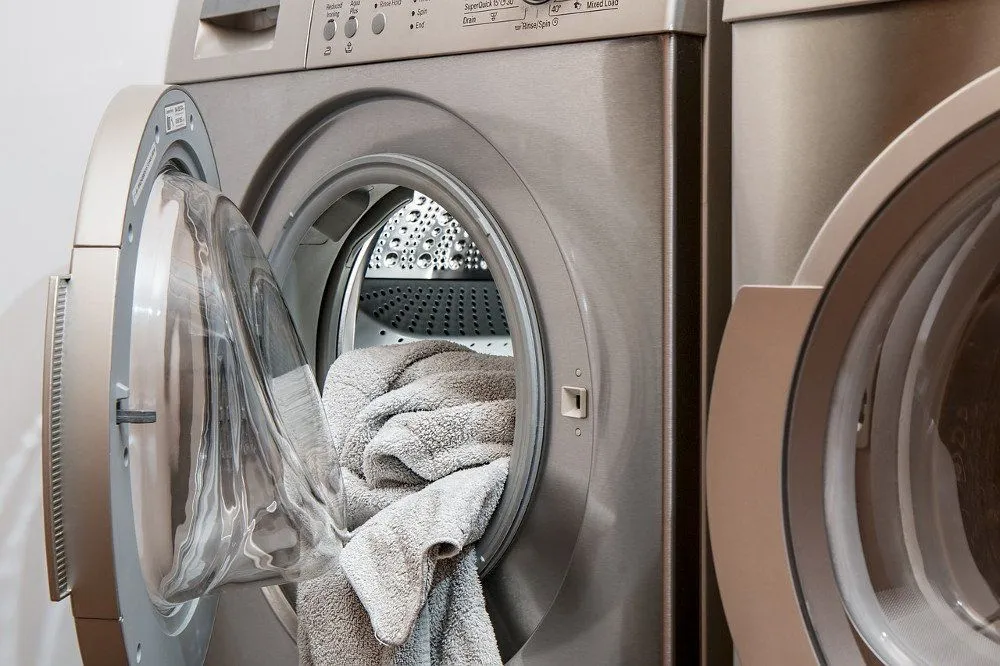
Mildew and bacteria from the species of Corynebacterium and Staphylococcus react with sweat, skin cells and various other gland secretions to produce volatile organic compounds. It is these compounds that produce the nauseating odor some clothes can develop. These compounds cling to our clothes and make them stink. Usually, this problem occurs whenever there is a build-up of dust, dirt, detergent remnants, and limescale inside the machine.
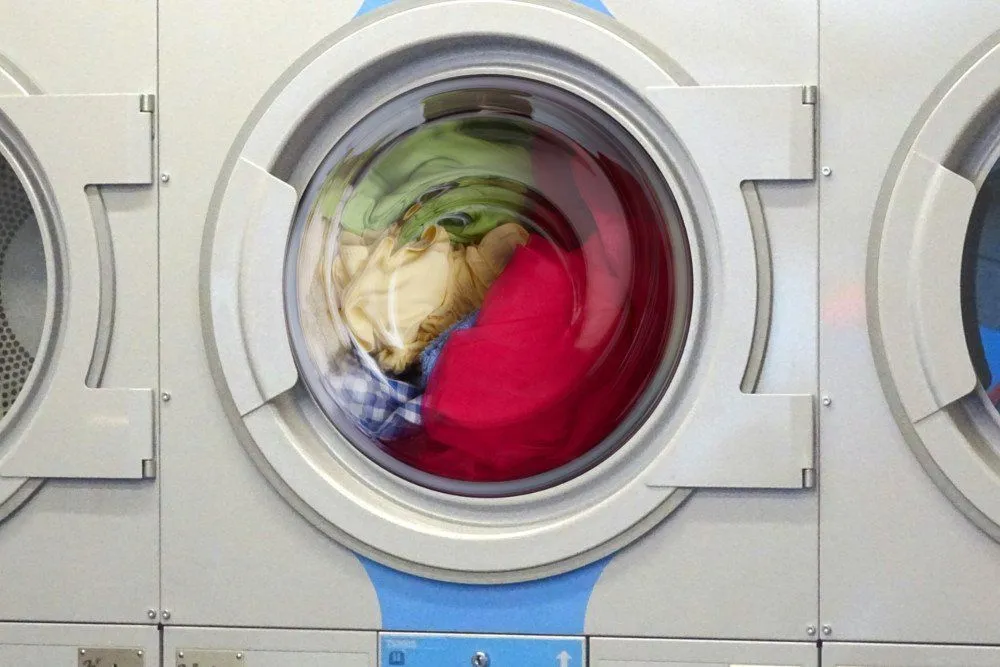
Clearly, it’s very important to maintain high levels of hygiene while using the washing machine, such as regularly wiping the door clean and cleaning out the detergent drawer from time to time. Also, you should do regular maintenance and interior cleaning of the washing machine.
Temperature
Washing laundry at higher temperatures melts sebum and kills most of the odor-causing bacteria. Unfortunately, most of the clothes we wear today are made of artificial or synthetic fibers, which are not designed to withstand higher wash temperatures. They require cold washing for the removal of stains. Thus, sebum and mildew survive because we generally use cold water for washing. The way out of this problem is to use clothes made of natural fibers like pure cotton so that they can be washed thoroughly, even at a higher temperature, and don’t exude any stinky odors after the wash.
Detergent
Detergent can also be blamed for the pungent smell coming from damp or not completely dried clothes. The problem is actually that the majority of our laundry today is made of synthetic or blended fabric, but detergent was and largely still is designed for natural fabric. The main focus of detergent is stain removal, rather than odor removal. It was tacitly assumed that the higher water temperature would take care of it. But a higher wash temperature is detrimental to the fabric, which is mostly made of artificial or synthetic fiber! So, it’s a Catch-22!

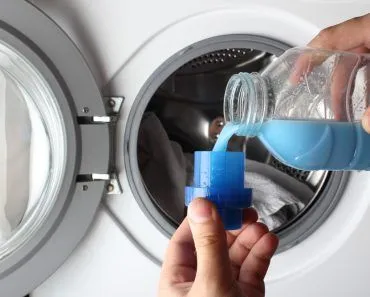
Besides the nature of detergent, the quantity of detergent you use can also impact the aroma. Generally, many of us feel that a higher quantity of chemical detergent would knock off the bacteria and other such microbes that cause bad odors. However, in reality, that’s counterproductive, and you may have noticed that detergents seldom market themselves as being antibacterial.

Overloading laundry with detergent causes a buildup of suds, which then hang on to the laundry. Instead of lifting away the bacteria, they simply trap them into the fabric. If these bacteria get damp under favorable conditions, they multiply and soon become the source of the pungent odor.
Also, according to Johnson, principal scientist at P&G, many detergents don’t do any better than water when it comes to removing malodorous particles. In fact, those detergents claiming to deliver a perfume-like scent to your laundry are simply masking the bad odor. So long as this ‘perfume’ works, you might not smell the bad odor, but as perfume begins to fade out, bad odors become noticeable once again.
Leaving Damp Clothes Sitting For Too Long
Finally, the answer to why damp clothes smell bad is in the question itself…. because they’re “damp”!

Many of the fibers used in the textile industry essentially serve as food for microorganisms. It might sound a little exaggerated, but what you’re wearing could be similar to a fruit salad for mold. The reason they’re generally unable to wreak havoc is because there is constant physical agitation on the fabric during the wash.
However, if you leave laundry in the damp environment of the washing machine unchecked for too long, it serves as a breeding ground for these microbes to survive and reproduce.
As we said earlier, these microbes will later react with bodily secretions like sweat to generate volatile organic compounds—a major generator of the nauseating odor.
Why Do Clothes Still Smell After Drying, Especially Indoors?
Here’s a frustration many people share: you finally get the laundry dry, yet it still carries that flat, sour, wet-rag note, and it’s worse when you’ve dried it on a rack indoors. The reason comes down to the chief culprit behind the smell and how stubborn it is. A 2012 study in Applied and Environmental Microbiology isolated the bacterium Moraxella osloensis from 87% of malodorous laundry samples and pinned it as the main producer of 4-methyl-3-hexenoic acid (4M3H), the compound responsible for that "wet-and-dirty-dustcloth" odor. Crucially, the researchers found this microbe is highly tolerant of both drying out and ultraviolet light, so simply getting the fabric dry does not necessarily kill it.

So the smell really comes down to drying speed. The same study showed that 4M3H is only generated on soiled fabric (used towels produced it, brand-new ones did not), and that the bacteria thrive while the fibers stay wet. The longer your washing sits damp, the more time Moraxella has to multiply and pump out the acid. Drying indoors in cool, still, humid air slows evaporation, which stretches out that damp window. Line-drying outdoors in a breeze or in drier air pulls the moisture out far faster, leaving the bacteria much less time to work, which is a big part of why outdoor-dried laundry smells fresher.
The practical fix is to shrink the damp window. Use a fast spin cycle (around 1,000–1,200 rpm) so clothes come out of the machine wetter in feel but holding far less water, space garments out rather than bunching them on the rack, and ventilate the room with an open window or fan so the humidity you’re adding can escape instead of feeding the next load.
Is It Bad To Wear Damp Clothes?
If the smell is annoying, is actually wearing slightly damp clothes harmful? Let’s separate the myth from the real risk. The old warning that going out in wet clothes will "give you a cold" is not how it works. Colds and flu are caused by viruses, not by being damp or chilly, so a soggy t-shirt cannot infect you on its own. Being cold and wet is uncomfortable, but the bug has to reach you first.
The genuine downside is on your skin. Warm, damp, poorly ventilated fabric pressed against the body is close to ideal for the fungi that cause skin infections. The U.S. Centers for Disease Control and Prevention lists excessive sweating and tight, sweat-trapping shoes and socks among the risk factors for ringworm (tinea), and its core prevention advice is simply to keep your skin clean and dry. The same damp-and-occluded conditions encourage related infections such as athlete’s foot (tinea pedis) and jock itch, where moisture, body heat and friction let dermatophyte fungi take hold. Cleveland Clinic echoes the point, advising people not to let areas of skin stay damp and to wear clean, dry cotton underwear.
None of this means a brief spell in damp clothing will harm a healthy person. The sensible takeaway is to change out of wet or sweat-soaked clothing, especially socks and underwear, reasonably promptly rather than sitting in it for hours, and to make sure laundry is fully dry before it goes back in the drawer.
5 Tips To Get Rid Of The Mildew Smell
The thing about mold spores is that they are present in the air and ‘house’ themselves on surfaces if they find sufficient moisture to sustain. For instance, it’s quite common for damp clothes stored in the basement to stink quickly. The presence of more than average moisture in the basement signifies that repairs or additional insulation are needed to prevent the buildup of excessive moisture.
Other than that, let’s look at some of the best practices you can follow to get rid of your clothes’ foul smell or at least keep it to a minimum:
- Read wash instruction: First and foremost, you should check the wash instructions on the label of the cloth. Similarly, you should acquaint yourself with the washing instructions given in the washing machine manual and the one printed on the detergent.
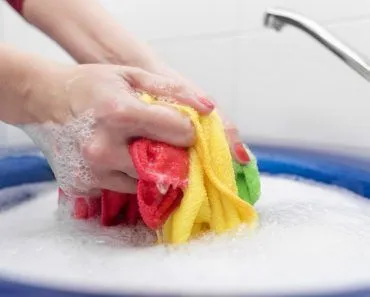
- Segregate your laundry: You must segregate your laundry based on the type of fabric. Those made with purely natural fibers or with a tough composition, like jeans and jackets, can be washed with warm water. On the other hand, those fabrics made of synthetic fibers should be cold washed. Also, it’s advisable to keep brightly-colored laundry in one wash cycle, and put darker ones in another.
- Turn clothes item inside out: It is also advisable to turn your clothes inside out before washing. This provides two benefits. First, it will protect the outer surface to some extent, and it will allow detergent to tackle soils in the fabric more directly.
- Let the clothes dry fully before putting them back in the closet: One must ensure that clothes aren’t folded and stored away in closets when they are even mildly damp. The low temperature inside the enclosed closets will exacerbate the odor, which will be quite easily detected when you wear the clothes later.
- Add vinegar: To deter the onset of mildew and its characteristic smell, it is recommended to add vinegar to the mix, as it is a highly effective disinfectant.
References (click to expand)
- How to Prevent and Remove Mildew — Home Methods. The University of Missouri
- (2006) Vinegar: Medicinal Uses and Antiglycemic Effect - PMC - NCBI. National Center for Biotechnology Information
- SHIRAKAWA, M. (1960). Experimental Studies On The Application Of Some Bactericides And Fungicides From The Viewpoint Of Clothes Sanitation. The Kurume Medical Journal. Kurume Medical Journal.
- Kubota, H. et al. (2012). Moraxella Species Are Primarily Responsible for Generating Malodor in Laundry. Applied and Environmental Microbiology. PMC, NCBI.
- Ringworm Basics. Centers for Disease Control and Prevention (CDC).
- Fungal Infections (Mycosis). Cleveland Clinic.