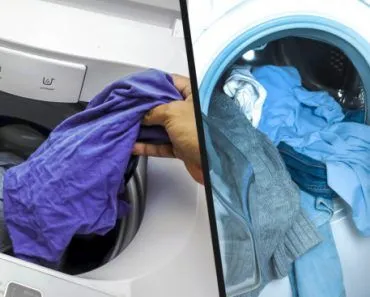
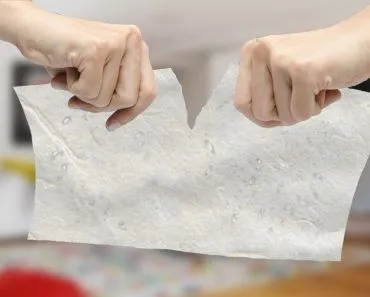
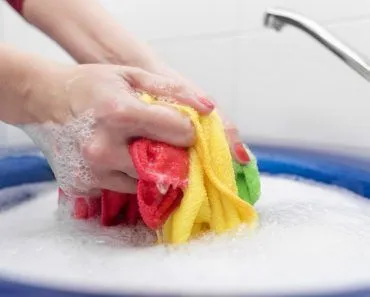
The difference between air-drying and tumble-drying is that air-drying keeps the cellulose fibers from reforming their hydrogen bonds more effectively, which makes the towel feeling a bit fluffy. Tumble drying, on the other hand, causes the cellulose fibers to re-bond more firmly, which makes the towel feel rougher.
There are few things as satisfying as putting on a pair of jeans that just came out of the dryer. However, there remains an age-old debate between air-drying and tumble-drying our clothes. Depending on how you were raised, how big your house is, or what country you live in, you may have very strong opinions about whether to hang your clothes on a line or simply toss them in a dryer.
While both options leave you with dry clothes, there are a few stark differences between the two results, namely that air-dried clothes and towels often feel scratchy or rough after drying, whereas tumble-dried fabrics are soft and smooth. If the concept of drying consists of eliminating the water from a material, why are the two end results so different?
Air Dry Vs. Tumble Dry
When you do a load of laundry, you are drenching all of those fabrics, many of which are cotton or other organic polymers, in water. Now, most clothing fiber is made of plant material, namely cellulose, which is very strong, durable and easy to work with. The other things about cellulose is that it loves water, and will absorb as much as possible, until it is saturated.
All the fibers in your clothes become saturated with water in the washing machine. Some of the hydrogen bonds that keep the cellulose together are disrupted by the swollen, saturated cellulose. Essentially, the cellulose is less well-connected as the polymer chains are more able to slip and slide past one another. When the water begins to evaporate, the hydrogen bonds between the cellulose chains reform, returning them to a strong, sturdy state. However, the manner in which the evaporation takes place is important for the final texture.
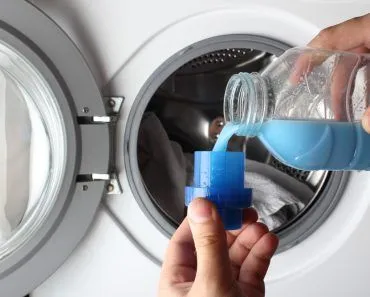
 In a dryer, the clothing is constantly tumbling, which makes it much harder for the cellulose fibers to re-bond firmly or comprehensively. The cycle is also typically aided by a fabric softener (or a dryer sheet), whose cationic surfactants coat every fiber with a thin lubricating layer and electrically discharge the load, so the result feels noticeably softer. Essentially, this keeps the towel feeling a bit fluffy, since the cotton fibers aren’t as firmly bound to one another. If you hang your wet clothes out on a line in the sunshine, the only movement of the fabrics may come from a bit of wind. This static placement allows the cellulose fibers to reform their hydrogen bonds more effectively. More bonds between the fibers means more strength or sturdiness, and in terms of texture, that means a rougher feel. This is further exacerbated by using an excess of laundry detergent, as any residual detergent will make this effect even more noticeable.
Pros And Cons
Now that you understand the different textures that the two drying techniques cause, it’s important to consider some of the other pros and cons of air-drying vs tumble drying.
Air Drying
If you don’t mind being patient, air drying is a much more environmentally-friendly way to dry your clothes, as it will reduce your carbon footprint and electricity usage. This is a good way to save money, not to mention saving the cost of buying a dryer, and inevitably needing to replace it every decade. Additionally, air drying will keep your clothes in better condition for longer, as tumble drying can increase the friction, wear and tear on the fabric, and may even fade the colors, whereas air drying does not.
Tumble Drying
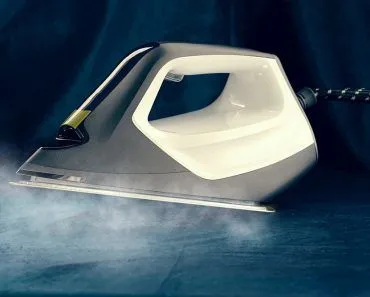
For those who prefer speed and convenience, tumble drying is a fast and reliable way of drying your clothes, and ensuring that they don’t come out feeling scratchy. That being said, the “rough” feeling often disappears after wearing an article of clothing for a few minutes. Unfortunately, air drying also has a tendency to leave wrinkles and seams in clothes that aren’t all that desirable, which means ironing may have to be a part of your life. Tumble drying, due to the constant movement, is less likely to have this effect, so if you hate ironing, a tumble dryer might be your best choice!

Why Are Towels The Worst Offenders?
If there is one item in your laundry basket that dries into a sheet of cardboard on the line, it is almost always a bath towel. There is a good reason towels suffer more than a thin t-shirt does. A towel is made from terry cloth, a fabric woven with thousands of tiny raised loops, called the pile, that stand up from the base of the cloth. Those loops are exactly what make a towel so good at soaking up water, because they pack an enormous amount of cotton surface area into a small space. Unfortunately, that same forest of loops also gives the cellulose fibers far more points at which to mat together and lock into place as the water evaporates, so the stiffening we described above is simply more obvious on a towel than on a flat bedsheet.

There is a second culprit that has nothing to do with how you dry, namely your water. According to the U.S. Geological Survey, "hard" water is simply water carrying a lot of dissolved calcium and magnesium, and a large part of the United States sits on the hard side of the scale. When you wash in hard water, those minerals react with soap to form an insoluble residue often called "soap scum," which clings to the fibers instead of rinsing away. Over many washes, that mineral build-up settles inside the loops, stiffening them further and even shortening the life of the fabric. It also explains why hard-water households need more detergent to get the same result, which, as we have already seen, only makes the crunch worse.
Ways To Avoid Crunchy Clothes
For those who want to consider the environment in their decisions, but also have clothes that are comfortable and look good, there are some clever tricks for reducing the “crunchy” feel of air-dried fabrics.
Less Detergent – As mentioned earlier, having too much detergent in your load can make the problem of scratchy fibers even worse. Cut down the amount of detergent you usually use by 20% and see if you notice a difference in the fluffiness of your towels!
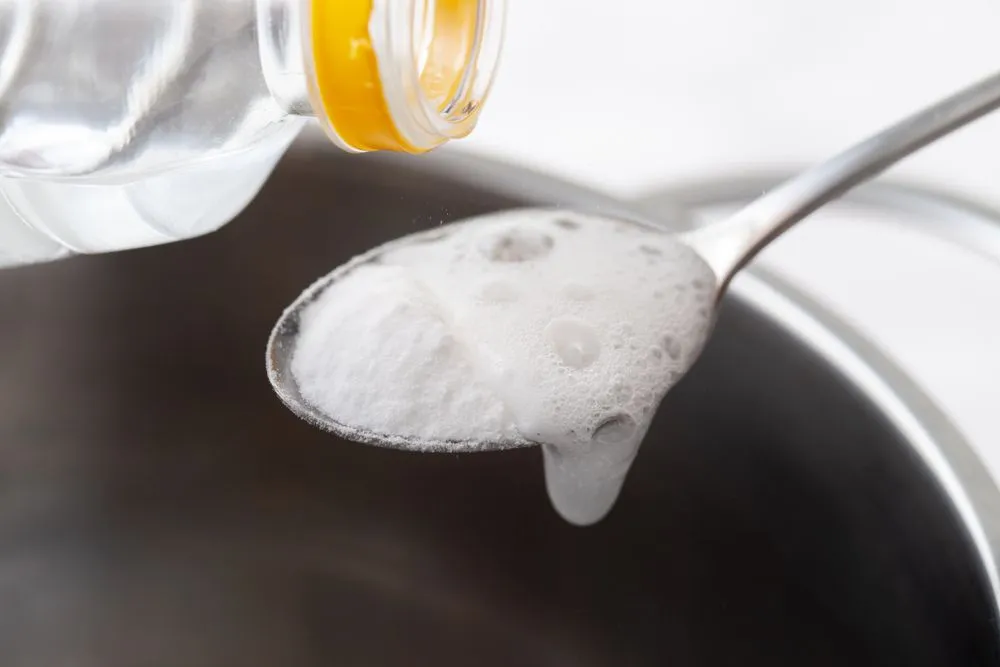
Vinegar – If your clothes are quite soiled, you may not want to reduce the amount of detergent you use, but you can use vinegar instead! Vinegar cuts through detergent, so if you add a bit of vinegar at the final spin cycle, less of the detergent will remain in your clothes to stiffen up.
Wind and Hand Tumbling – As was explained earlier, the constant tumbling motion of a dryer is what keeps the fibers from forming such a solid mat. Therefore, if you can shake out your wet clothes before hanging them up, or not do laundry until you have a good breezy day, you can avoid that scratchy end product. A bit of movement goes a long way!

Short-Term Drying – Running your dryer for a full cycle represents a notable increase in energy expenditure, but if you want to reduce your carbon footprint, try putting your clothes in the dryer for 5-10 minutes either before you hang them on the line or after they have dried to mild dampness on the line. A brief stint in a tumbling dryer will give it some fluff, without churning out power and heat for an hour straight!
Does The "Air Fluff" Setting Actually Dry Your Clothes?
Glance at the dial of almost any tumble dryer and you will spot a setting labeled "Air Fluff," "Fluff," or "Air Only," and it is one of the most misunderstood buttons on the machine. The important thing to know is that, according to GE Appliances, this cycle uses no heat at all and simply circulates room-temperature air through the tumbling drum. Because there is no heat to drive evaporation, the air fluff setting will not actually dry a soaking-wet load. Toss a dripping shirt straight from the washer onto air fluff and you will mostly end up with a damp, tumbled shirt.

So what is it for? The no-heat tumble is built to freshen and fluff items that are already dry or only slightly damp, and to handle things that heat would damage, such as pillows, comforters, down jackets, and heat-sensitive wool. The gentle tumbling shakes out dust and can relax light wrinkles, although it will not press out deep creases the way a heated cycle (or a quick pass with a steam iron) does. There is a handy trick hiding in here, though. Because tumbling is precisely what stops fibers from setting into a stiff mat, running already line-dried towels through a few minutes of air fluff can knock some of the crunch back out of them, using far less energy than a full heated cycle.
References (click to expand)
- Why does line drying make clothes rough? | Questions. The Naked Scientists
- How to Keep Clothes Soft After Air-Drying - The Spruce. thespruce.com
- Tips for Line Drying Your Clothes | HowStuffWorks. HowStuffWorks
- Hardness of Water. U.S. Geological Survey (USGS)
- Dryer - Fluff Cycle. GE Appliances
- Materials Up Close & Personal: Towels. Institute of Making, UCL