Table of Contents (click to expand)
Dry cleaning cleans clothes with a liquid chemical solvent instead of water. Garments are tumbled in the solvent, which dissolves oily, water-resistant stains without soaking the fabric. An extractor then spins out the solvent (which is distilled and reused), stubborn spots are treated by hand, and the clothes are steam-pressed.
When people drop off their clothes at the dry cleaner, they don’t tend to hang around and ask the workers what sort of magic they wield to eliminate tough stains from the most delicate fabrics. Most customers simply come back 2-3 days later, expecting a perfectly pressed and cling film-covered outfit that is crisp and ready to wear. However, dry cleaners are not magicians, and the process of dry cleaning is surprisingly simple. The question is, how does it actually work?
Short Answer: Rather than using water, dry cleaning relies on a liquid chemical solvent to dissolve stains, followed by extraction, hand spot-treatment and pressing to keep delicate clothes looking brand new.
The Science Of Dry Cleaning
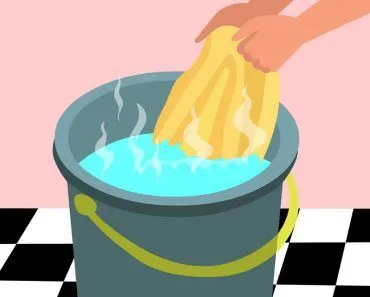
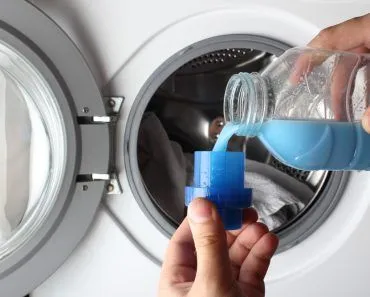
As most of you know, cleaning your clothes in a regular washing machine is perfectly acceptable for most types of clothes, provided you keep the colors separate. After loading them into the washing machine and adding detergent, water slowly filters in and the machine begins to churn, eliminating stains through friction and the effects of water as a universal solvent. However, not all substances are water-soluble, meaning that regular washing won’t be able to eliminate them from your clothes. Furthermore, certain types of material do not react well with water, so they shouldn’t be put into a washing machine. This is where dry cleaning comes in.
The foundation of dry cleaning is the use of a petroleum solvent, rather than relying on water. The first person to recognize the potential of a petroleum solvent lived roughly two centuries ago, and accidentally discovered dry cleaning by spilling kerosene on a greasy item of clothing. Seeing that the pesky stain was eliminated, he established the first dry-cleaning service in Paris after experimenting with different petroleum-based substances.
Today, the same basic principle is intact, because there is no water in these solvents, so those delicate fabrics are protected while they are being cleaned. However, kerosene is extremely flammable, so over the past 200 years, many other options have been developed. Most notably (and most popularly for decades), perchloroethylene was used for many years because it was nonflammable and highly effective. Affectionately shortened to “perc”, even this solution turned out to be hazardous. The International Agency for Research on Cancer classifies it as a probable human carcinogen (Group 2A), with studies of dry cleaning workers linking long-term exposure to bladder cancer and non-Hodgkin lymphoma, so for the past two decades, safer dry-cleaning solvents have been growing in popularity. In December 2024, the US Environmental Protection Agency went further and finalized a rule under the Toxic Substances Control Act to phase perc out of dry cleaning entirely over 10 years, banning its use in newly acquired machines after just six months.

The Process Of Dry Cleaning
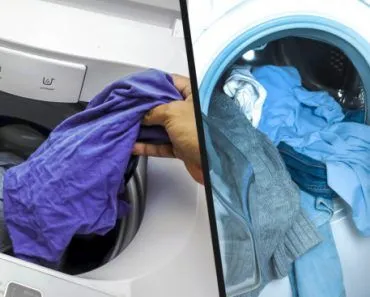
Much like a regular washing machine, your delicate suits, dresses and ties are added to a front-loading washer, but instead of adding water to the machine, the liquid solvent is added. The fabric is tumbled, and the combination of gentle friction and the solvent dissolves the oily, water-resistant stains that plain water leaves behind.
After a certain amount of time, an extractor spins the solvent out of the clothes and machine, carrying away the dissolved dirt and grime and leaving your clothes clean. The dirty solvent is then purified by distillation (vaporized, then condensed back into a clean liquid) so that it can be reused, a major benefit for dry-cleaning companies in terms of cost.
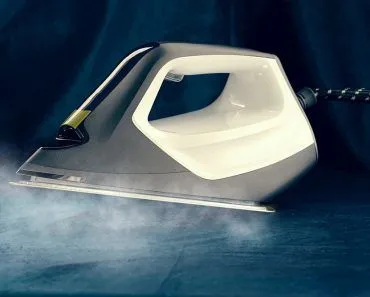
Unfortunately, this “dry” cleaning process doesn’t remove every stain, so small amounts of “wet” or “dry” spot-removing agents are applied by hand for the toughest spots. Following this, your most precious clothes are sent through a high-powered pressing machine, which provides the crisp edges and “brand-new” feeling to your dry-cleaned clothes.
Why Can Some Things Not Be Dry Cleaned?
As mentioned above, certain materials are not recommended for traditional washing, such as cashmere, wool, silk, muslin, suede, soft leathers and clothes with intricate embroidery or beadwork.
For some of these materials, warm water and the mechanical agitation of a washing machine are the real problem. Wool and silk are protein fibers, and wool in particular is covered in tiny overlapping scales. When the fibers swell in water and are tumbled against each other, those scales lift and interlock, so the fabric mats together and shrinks (a process called felting) and cannot return to its original shape.
When it comes to muslin, the fabric is simply too delicate for the rigors of a regular washing machine, and would likely tear in the process, rendering it useless.
For suede and soft leather items, stains can do significant or permanent damage, but adding water could do more damage or result in spotting of the fabric. Dry cleaning is required to lift the stain without making things worse. However, certain types of suede require even more careful processing, so only select dry-cleaning establishments can handle the task.
Finally, if your clothes are intricately woven, embroidered or contain beads, sequins etc., you will need to use a dry cleaner because the vigorous rubbing and friction of a traditional washing machine will likely damage or tear the fabric. In this case, you also want to go to an experienced dry cleaner that you trust, as even dry cleaning can do damage to these fragile items.
Dry Cleaning In The Future
Solvents have done the job for the better part of two centuries now, but there are always advancements, even in this rather static field. With perc on its way out, two greener methods are gaining ground. The first is liquid carbon dioxide, which is pressurized into a liquid that dissolves dirt and then simply evaporates away, leaving no toxic residue and posing far less danger to dry-cleaning employees than perc. The second is professional “wet cleaning,” which uses water with carefully controlled detergents, temperature and motion. Unfortunately, the high-pressure machinery needed to liquefy CO2 is expensive, so it is still mostly limited to select, high-end establishments.
The only thing we know for sure is that people will always have fancy weddings to go to, as well as delicate clothes that need to look pristine for the big day. Where there is a demand, even in the seemingly boring world of dry cleaning, innovation is bound to follow!
References (click to expand)
- Toby, E. M., Jr. (1943, October). Petroleum Solvents. Industrial & Engineering Chemistry. American Chemical Society (ACS).
- Risk Management for Perchloroethylene (PCE). US Environmental Protection Agency.
- Tetrachloroethylene (Perchloroethylene) Hazard Summary. US Environmental Protection Agency.
- Carbon dioxide cleaning - Wikipedia. Wikipedia