Table of Contents (click to expand)
Yes, Coca-Cola and 7 Up really did contain drugs. From 1886 until the early 1900s Coca-Cola was made with cocaine-containing coca leaves; the company now uses decocainized leaves processed under DEA license. 7 Up, originally sold in 1929 as “Bib-Label Lithiated Lemon-Lime Soda”, contained the mood stabilizer lithium citrate until the FDA banned lithium from soft drinks in 1948; the lithium was fully out of the recipe by 1950.
On a hot summer day, there is nothing as refreshing as a cold soft drink, beading with icy cold sweat, that quenches your thirst, cools your hot forehead, and gives you an energetic boost. There are thousands of soft drinks out on the market, from hundreds of different companies, but some have risen above the pack around the globe. Famous soft drinks like Coca-Cola and 7-Up, for example, are two of the most famous brands, but they have quite a secret. What secret, you ask?
In the past, it was a very different time in terms of regulation for medication, food, drinks, and other substances that we now monitor closely. Coca-Cola used to include coca leaves (the direct source material of cocaine) in their recipe, which they claimed to have not changed for 99 years! 7 Up, on the other hand, used to include lithium citrate in its recipe, which has its own range of side effects that weren’t fully understood at the time.
While these stories often reached the level of urban legends or folk tales, the truth is, those companies really did put drugs in our soft drinks. While things have certainly been “corrected” in recent decades, the story is still a fascinating one, and deserves to be told!
The Coca-Cola Conspiracy
Coca-Cola was first developed in 1886, and at that time, adding cocaine to various tonics and beverages wasn’t exactly uncommon. However, the sweet and unique flavor of Coca-Cola, when combined with the energetic kick of cocaine leaves, made it extremely popular. As a copy of the original recipe clearly states, Coca-Cola contained three parts coca leaf to one part cola nut. That is a pretty strong percentage, so it’s no wonder that people felt like having a refreshing bottle of Coke felt like a shot in the arm.
This cocaine-infused popularity caused the brand to grow, but by the beginning of the 20th century, public opinion regarding cocaine had shifted, as it was linked to crime, violence, and racial unrest. Coca-Cola, despite claiming to have not changed its recipe for the better part of a century, did in fact make a small switch. Around 1903, instead of using fresh coca leaves, which contained the powerful drug, Coca-Cola switched to “spent” (decocainized) coca leaves to eliminate the cocaine. Today those leaves are processed by the Stepan Company in Maywood, New Jersey under a special DEA license: Stepan extracts the cocaine for pharmaceutical use and ships the decocainized leaves to Coca-Cola for flavoring. The flavor, however, remained the same, and many people had already become “addicted” to this beverage.
The natural sugars in the drink still made it widely appealing and popular, as the sugar content is quite high, providing you with a short, artificial energy boost. There is still a bit of mystery left, as Coca-Cola’s current recipe also includes secret ingredients, the identity of which is one of the most well-kept secrets in the world. Simply called Merchandise 7x-100, this may be that extra bit of magic that has made Coca-Cola one of the most popular brands on the planet. Is the secret ingredient cocaine?
Interesting question, and conspiracy theorists still like that idea, but I think the general public would have noticed by now if we started failing drug tests without any logical explanation except the Coke cans in our recycling bin.
7 Up Also Ups Your Mood
You might think of soft drinks quenching your thirst after a solid workout, but what about boosting your mood when you’re having a bad day? While that sounds like a pretty great side effect, medicating an entire portion of the population isn’t a very good idea. However, as mentioned earlier, we weren’t always as wise when it came to regulation as we are now.
Back in the 1920’s, lithium was all the rage. It had been considered a curative substance, and lithium springs and rejuvenation baths had been a popular destination for decades. Lithium citrate was a particular type of mood-stabilizing agent that was widely viewed as healthy and beneficial, so adding it to what we now know as 7 Up seemed like a great marketing tool. In fact, 7 Up’s original name was Bib-Label Lithiated Lemon-Lime soda. That’s a bit of a mouthful, which may explain why they cut the name down, but the word “lithiated” is right there in the title!
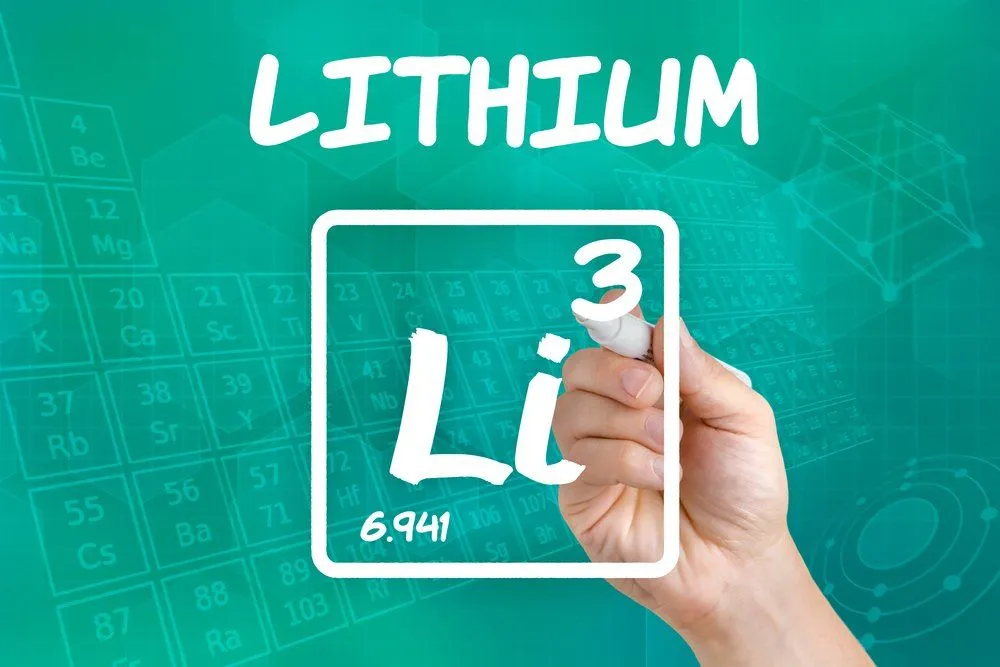
Lithium in various forms was used to improve mood, stabilize the nerves, and prevent depression when applied pharmaceutically, but it can also have a number of interactions within the body in high doses. By adding lithium citrate to the soda (and many other products), companies were essentially medicating their consumers, a trend which stopped near the middle of the century. After the FDA banned lithium from soft drinks in 1948, 7 Up reformulated; by 1950 the lithium citrate was completely gone, and people still seem to like the taste. On another conspiracy theory note, the atomic mass of lithium is 7, which is why some people suspect that the name changed to 7 Up in the first place!
So, while we don’t have such blatant drug injections in our soda anymore, there are still plenty of chemicals, artificial sweeteners, and who knows what else in our soft drinks, so next time you take a long, fresh swig of Coke, remember Merchandise 7x-100…whatever the hell it is!