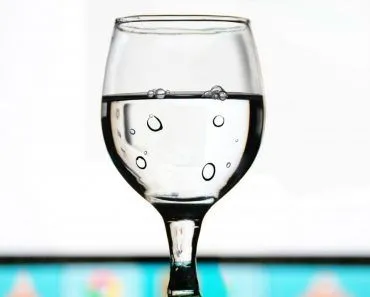
A soda is bottled under high pressure with carbon dioxide dissolved in it. When you crack open the cap, the pressure drops and the CO2 rushes out of solution, producing the fizz. Shaking the bottle first scatters tiny gas bubbles through the liquid — these act as nucleation sites where dissolved CO2 can quickly come out of solution, so when you then open the bottle the gas escapes much faster and the fizz is more violent.
Soft drinks have intrigued me since I was a kid. At first, I was fascinated by their sweet taste, but as I grew up, I became more fascinated by something that precedes the act of gulping down the contents of the bottle: the “fizz”, which comes in the form of a fizzing sound every time a soft drink bottle is opened. Can’t we simply have a soft drink bottle that doesn’t announce its imminent opening?
Carbonation
Soft drinks usually contain a considerable amount of carbonated water, artificial sweeteners, and flavors that make them taste so good. The drink contains dissolved carbon dioxide gas, so this process of adding carbon dioxide to the liquid is called carbonation.
As soon as carbon dioxide gas comes in contact with water, a small fraction of it reacts to form aqueous carbonic acid (H2CO3). Most of the dissolved CO2 stays as plain dissolved gas, but the tiny amount of carbonic acid that does form gives the drink its tart, slightly biting flavor. The CO2 bubbles also stimulate sour-taste receptors and trigeminal nerves on the tongue, which is the prickly sensation you get from a fresh soda. Strip those bubbles out and almost every soft drink tastes too sweet, bland, or ‘flat’, as many call it.
The Fizz Factor
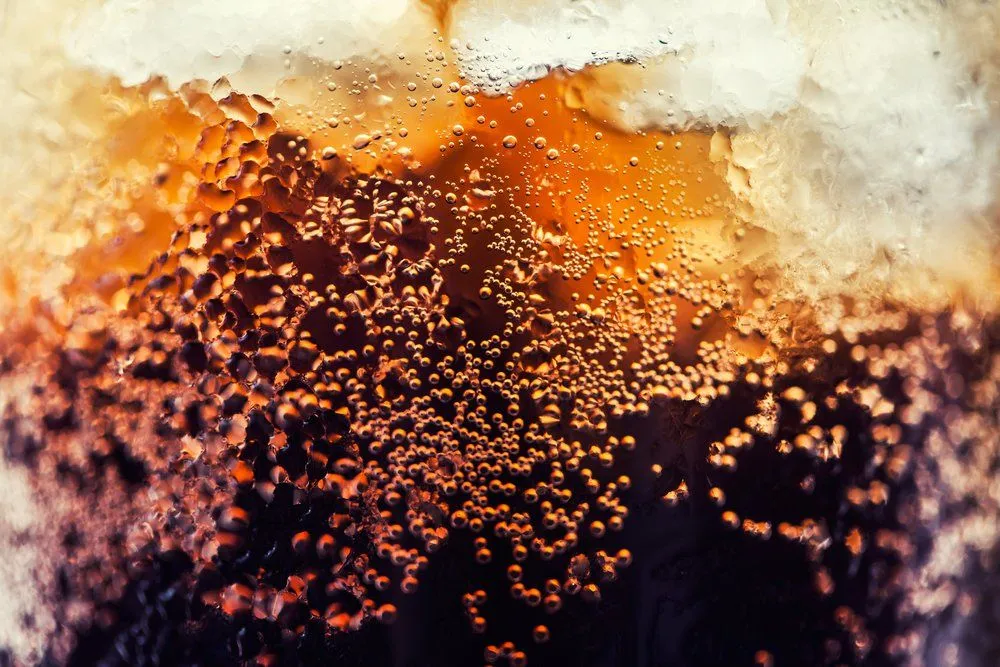
Now that you know that the fizz is caused by the dissolved carbon dioxide, let’s take a look at why there is fizz in the first place!
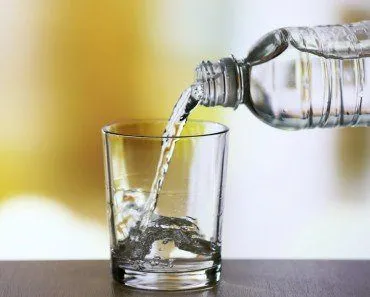
Carbon dioxide is not readily soluble in liquids at normal pressure; so in order to dissolve it into the drink, it is subjected to a high pressure and then pushed inside the can (or whatever container the drink comes in). For our purposes, let’s consider a bottle. As long as the bottle is closed, the insides of the bottle are at a uniform pressure, but as soon as the bottle is popped open, there is a drastic change in the air pressure between the inside and outside of the bottle and the gas molecules suddenly have access to a lot more space to occupy. The result of this pressure difference is the fizzzzz sound you hear when the bottle is uncapped; the trapped carbon dioxide molecules are escaping rapidly, so fast that you can hear it!
Why Does Shaking The Bottle Result In A Stronger Fizz?
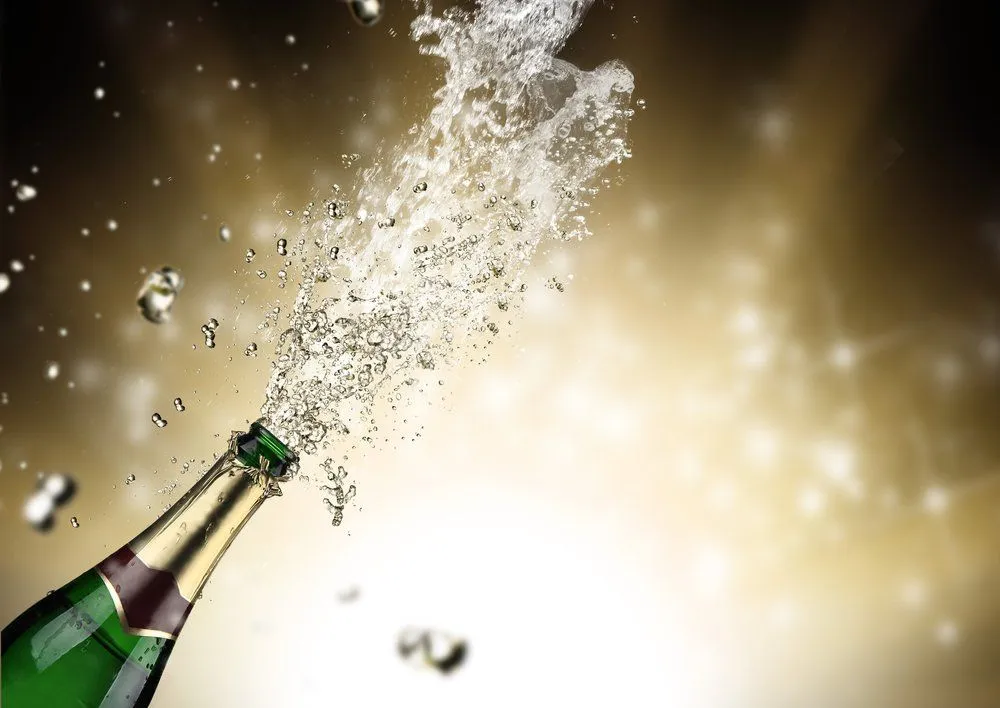
You’ve surely noticed that when you shake a bottle before opening it, the fizz is stronger. Why does that happen?.
As mentioned earlier, a capped bottle is under a uniform pressure; in other words, the conditions inside a capped bottle are constant, as the molecules of carbon dioxide gas and liquid are at an equilibrium (due to a uniform pressure). The carbon dioxide molecules are held tightly in the clutches of the liquid. In order to break free, they need sufficient energy. And what is one way to gain that energy? Yes, you guessed it… by being shaken rapidly.
To start making a bubble, the energy required is pretty high, as the gas has to break through the liquid’s surface tension. However, once a small bubble is formed, it is easier (requires less energy) for the surrounding gas molecules to join it to form a bigger bubble and escape through. Shaking a bottle introduces a lot of small bubbles into the liquid. As you continue shaking the bottle, more and more energy is imparted to the gas molecules and more bubbles become attached to the bubbles that are already present, thus making the process of the gas escape even more rapid. The outcome?
More fizz!
What Is The Fizz In Soda Actually Called?
If you have ever wanted a single word for that lively prickle of bubbles, here it is: effervescence. To effervesce is, in the words of Merriam-Webster, "to bubble, hiss, and foam as gas escapes." The word traces back to the Latin fervere, "to boil," which is a fair description of the way a freshly opened soda seems to simmer without any heat at all.

So what are those bubbles themselves made of? Almost pure carbon dioxide. The drink was bottled under pressure, which forced far more CO2 into the liquid than it could comfortably hold at normal pressure, leaving it supersaturated. Once you crack the cap, the liquid is suddenly holding more gas than it can keep, and the excess CO2 wants out. It does not escape evenly, though. As the food scientist Gérard Liger-Belair and colleagues describe in their review of bubbly drinks, the gas collects at tiny imperfections and trapped air pockets, called nucleation sites, and grows into the visible bubbles you see streaming upward. Strictly speaking, the prickly tingle on your tongue is not just the bubbles bursting: dissolved CO2 also forms a trace of carbonic acid that stimulates sour-taste and trigeminal nerves, so effervescence is something you feel as much as see.
Does A Warm Soda Or A Cold Soda Fizz More?
Pop open a soda that has been sitting in a hot car and it can erupt; the same drink straight from the fridge opens far more politely. That is not your imagination, and it comes down to how temperature governs how much gas a liquid can hold. The amount of CO2 a drink can keep in solution rises as the liquid gets colder, a relationship tied to Henry's law of gas solubility.

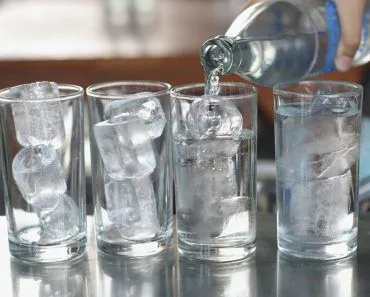
The UCAR Center for Science Education puts it simply: gas dissolves more readily in colder liquids, so "as temperature increases, solubility decreases, and conversely, as temperature decreases solubility increases." In a classroom demonstration of three sodas opened at different temperatures, the warm bottle retains the least fizz and the cold bottle the most. A warm soda is already closer to giving up its gas, so when you open it the CO2 rushes out faster and more violently. A cold soda clings to its carbon dioxide, releasing it slowly and staying fizzy longer. The same physics, incidentally, explains why warmer oceans absorb less of our atmospheric CO2 than cold polar waters do. If you want a soda to behave when you open it, the simplest trick is to keep it cold.
Does Shaking A Soda Make It Go Flat?
This is the question that trips most people up, so let's settle it. Shaking a sealed bottle does not drain its carbonation. The cap keeps the inside pressurized, and under that pressure the CO2 has nowhere to go. Shaking simply whips up a froth of tiny bubbles that sit suspended in the liquid, primed as ready-made nucleation sites. Leave that shaken bottle alone and, as Indiana Public Media's A Moment of Science notes, "without further energy to cause bubble formation, the high pressure pops the bubbles, and carbon dioxide dissolves back into the soda, or rises into the headspace." The drink returns to its original fizziness. So a shaken, still-sealed soda is not flat, just impatient.

The trouble only starts if you open it while those bubbles are still suspended. As chemist Chuck Wight of the University of Utah explained to Scientific American, "small bubbles caused by shaking help to hasten the escape of the soda's carbon dioxide," because the dissolved gas can join existing bubbles instead of doing the hard work of forming new ones. Drop the pressure at that moment and those bubbles expand and surge upward all at once, dragging liquid out in a spray. This also explains the folk remedy of tapping the can or simply waiting a few minutes before opening: you are not changing the chemistry so much as giving the suspended bubbles time to rise to the top and redissolve, so the eruption never gets started. And no, a shaken soda cannot hurt you when you open it; the worst it does is leave a sticky mess.
Some of the most common phenomena that we observe in daily life depend on very basic laws of nature related to the equilibrium of various forces and pressures. The fizz of a soft drink is just one of those events that show how a slight difference in the surrounding conditions can unleash a truly fascinating spectacle!
Next time you’re holding a bottle of soda, eagerly awaiting its fizzy refreshment, why not give it a shake and see science in action?
References (click to expand)
- Fizz | A Moment of Science - Indiana Public Media. WFIU
- Soda: Why does it fizz? | Ask Dr. Universe. Washington State University
- After shaking a soda bottle/can, what makes the soda explode out when you open it? Also, after a soda becomes old or sits out for a long time, why does it lose its carbonation/bubbliness? - UCSB Science Line. The University of California, Santa Barbara
- Effervesce | Definition. Merriam-Webster Dictionary
- What do soda and the oceans have in common? UCAR Center for Science Education
- Why does a shaken soda fizz more than an unshaken one? Scientific American
- Bubble trouble: How to calm a shaken can of soda. A Moment of Science. Indiana Public Media (WFIU)
- Recent advances in the science of champagne bubbles. Liger-Belair, Polidori & Jeandet. Chemical Society Reviews (2008)