Carbon dioxide is the gas of choice for soft drinks, sparkling water, beer and champagne because it dissolves readily under pressure, is the most soluble of the cheap, non-toxic gases, and reacts with water to form carbonic acid, which gives the drink its tangy, prickly “fizz.” It is also food-safe, chemically stable, and slightly acidic, so it inhibits the bacteria and molds that would otherwise spoil the drink.
You may already know that soft drinks and certain cold beverages (e.g., beer) contain a certain amount of gaseous carbon dioxide. That’s why these bottles fizz when you shake them vigorously, and champagne and wine bottles open with a popping sound.
What Is Carbonation?
Most cold drinks and other beverages contain a certain amount of carbon dioxide gas dissolved in them. When this gas comes in contact with water, it reacts chemically to produce aqueous carbonic acid (H2CO3), which is responsible for the tangy, slightly sour flavor and the tingly, almost-burning sensation on your tongue.

Without it, most soft drinks would taste too bland or “flat,” as many say. But what makes carbon dioxide so special that it’s used in these drinks? And why don’t manufacturers opt for other gases instead?
Why Is Carbon Dioxide Used In Cold Drinks?
There are many reasons why carbon dioxide is the top choice as an additive in cold beverages. Let’s take a look at a few of them:
Solubility
Carbon dioxide is highly soluble in water, making it the most soluble of the common, non-toxic gases. To put that in perspective, water can dissolve roughly its own volume of CO2 gas at 1 atmosphere of pressure and room temperature, and that figure climbs sharply when the drink is chilled and bottled under 2–4 atmospheres of pressure, which is why a soft drink can hold so much fizz.
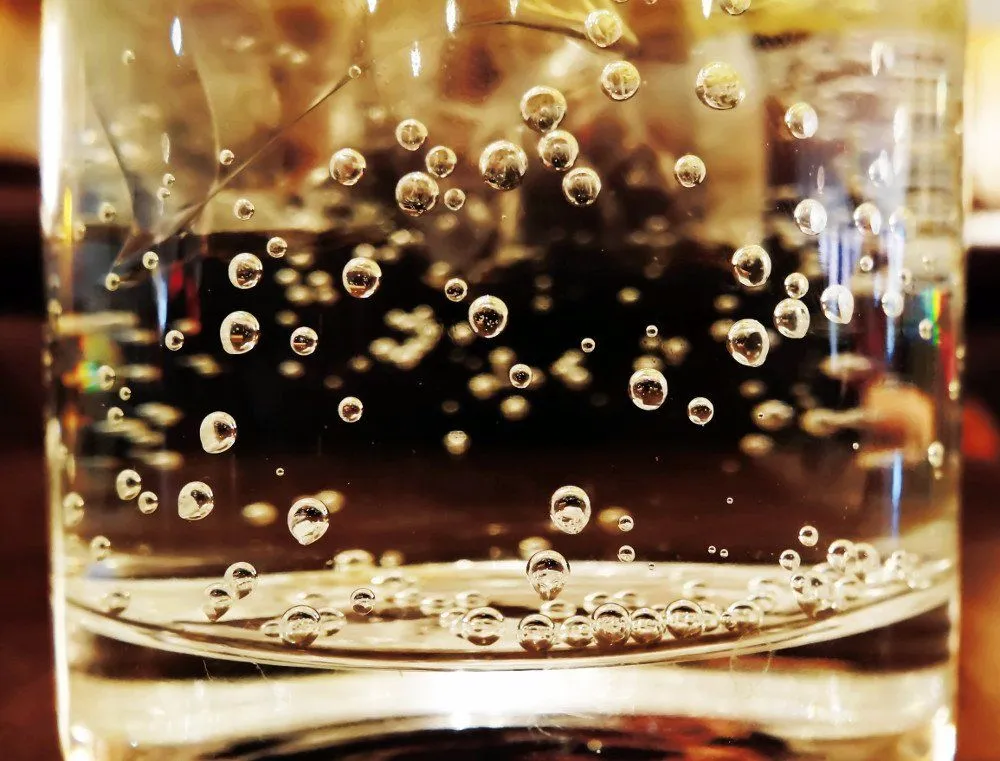
On the other hand, other common gases, such as helium and hydrogen, do not mix well with water. If they do, they are usually toxic, like hydrogen sulfide, ammonia, and sulfur dioxide. However, some drinks do use other gases, but they tend to be more expensive and less commonly consumed by the general public.
Stability
Once the bottle is opened, the pressure drops and the dissolved CO2 escapes as the bubbles we see. That’s the famous ‘fizz’ of a cold drink (the carbonic acid mostly handles the taste; the bubbles themselves are CO2 gas coming out of solution). It doesn’t just look cool; it also has that oddly pleasant prickling feel on your tongue and a satisfying sound.
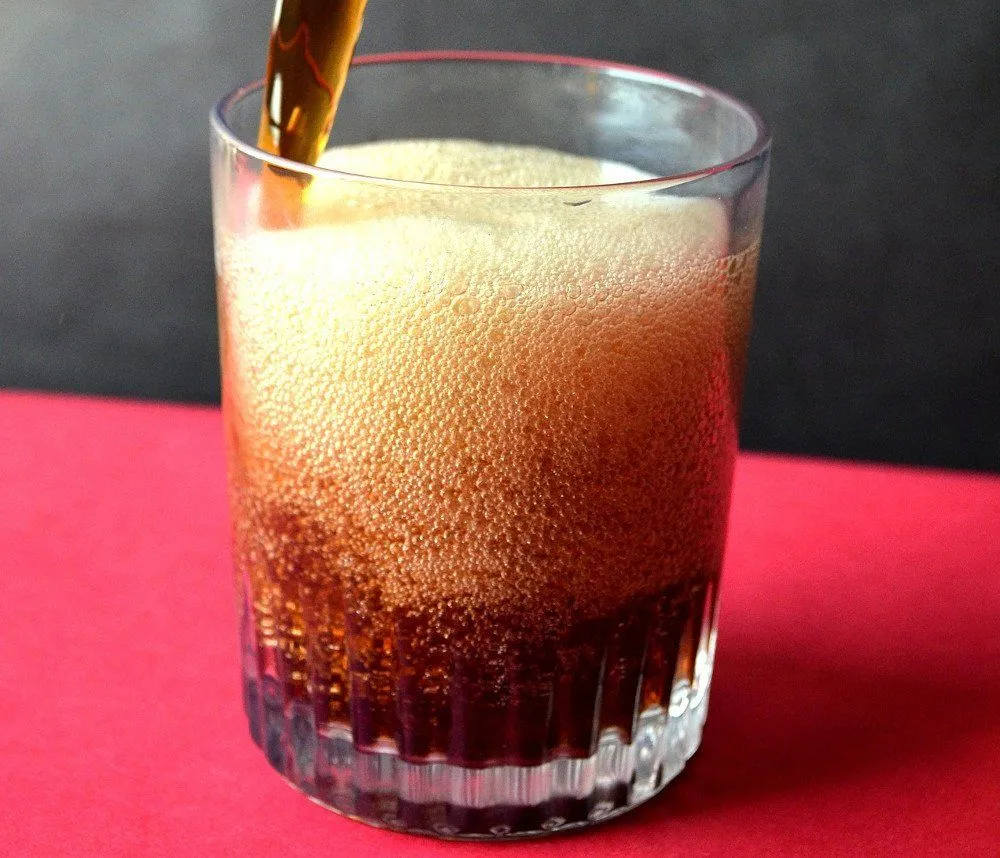
In short, carbon dioxide is incredibly stable when mixed with water, unlike many other gases. It leads to the formation of carbonic acid (which is desired), unlike some other gases that would result in some nasty byproducts when mixed with cold beverages.
Cost
As mentioned earlier, a few other gases could serve as an alternative to carbon dioxide gas, but they’re usually a bit too expensive for a casual drinker. Furthermore, carbon dioxide is readily available, which also helps bring down the cost.
Preservation
Oxygen is more abundant than carbon dioxide in the atmosphere, so one may wonder if using oxygen in cold drinks makes more sense instead of carbon dioxide.
Sure, you could use oxygen instead of carbon dioxide, provided you’re okay with all your drinks becoming undrinkable. Oxygen causes food and beverages to spoil, so you can’t use oxygen as an additive. On the other hand, carbon dioxide does a great job preserving drinks for a long, long time.
Safety
Hypothetically, gases like methane might dissolve in water, but they are non-starters for beverages. Methane is flammable and odorless, and would create explosion and leak-detection hazards in a beverage plant.
Additionally, using other gases, such as chlorine, is not recommended because they can be poisonous.
Furthermore, the long-term environmental impacts of using a specific gas in cold drinks on an industrial scale should also be considered.
In summary, while other alternatives to carbon dioxide gas can be used in beverages, they differ in carbon dioxide’s safety, stability, availability, flavor, and affordability. Therefore, manufacturers prefer to use carbon dioxide for industrial-scale production.
Which Acid Is In Soft Drinks?
If you have ever wondered which acid gives a fizzy drink its sharp, tangy bite, the short answer is carbonic acid (H2CO3). It forms the moment carbon dioxide meets water. Here is the subtle part that trips most people up: only a small fraction of the dissolved CO2 actually combines with water to make carbonic acid. The vast majority stays as plain dissolved CO2 gas, sitting in equilibrium with that small slice of acid. So a soft drink is really a blend of dissolved gas and a touch of weak acid, which is why the acidity vanishes once the bottle goes flat and the gas escapes.

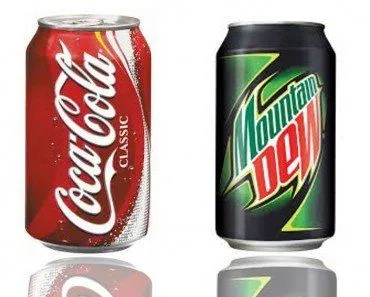
Carbonic acid is not the whole story, though. Most commercial soft drinks have a second, stronger acid added on purpose for flavor and shelf life. Dark colas like Coca-Cola and Pepsi use phosphoric acid, which lends a clean, sharp tartness that survives the sugar. Citrus-flavored and lemon-lime drinks such as Sprite, 7Up and Mountain Dew lean on citric acid instead, the same acid that makes a lemon sour. These added acids do more than taste: they lower the pH enough to slow down bacteria and fungi, which helps the drink last on the shelf.
The result is a genuinely acidic liquid. Measured in the lab, Coca-Cola Classic sits at a pH of about 2.4, Pepsi around 2.4, and citrus sodas like Sprite and 7Up nearer 3.2. For comparison, that is roughly as acidic as vinegar or lemon juice, even though the sugar masks the sourness on your tongue.
Is The Carbon Dioxide In Fizzy Drinks Bad For You?
This is one of the most common worries people have, and the reassuring answer is that the carbon dioxide itself is not harmful to drink. It is the very same food-grade gas that regulators classify as generally recognized as safe (GRAS) for use in food and beverages. Once it is inside you, the dissolved CO2 simply comes out of solution, which is why a fizzy drink can make you burp. Plain carbonated water hydrates your body just as well as still water, since it is nothing more than water and CO2.

So where do the health concerns come from? Mostly from the acidity and the other ingredients, not the bubbles. Because carbonation makes a drink mildly acidic, sipping fizzy drinks slowly all day long can wear at tooth enamel over time, an effect that is much stronger in sugary, flavored sodas than in plain sparkling water. The bone-loss reputation that sodas carry has been pinned on cola specifically, where the phosphoric acid and caffeine (and the habit of drinking cola instead of milk) are the likely culprits. Harvard Health notes that plain seltzer water, by contrast, is not linked to weaker bones.
For most people, the takeaway is simple: the fizz is fine, and an occasional soft drink is too. The things worth moderating are the sugar, the caffeine and the steady acid bath your teeth get from constant sipping, rather than the carbon dioxide that makes the drink bubbly in the first place.
Last Updated By: Ashish Tiwari
References (click to expand)
- White - cloudfront.net.
- Abu-Reidah, I. M. (2020). Carbonated Beverages. Trends in Non-alcoholic Beverages. Elsevier.
- de Grys, H. (2007, July). Determining the Pressure inside an Unopened Carbonated Beverage. Journal of Chemical Education. American Chemical Society (ACS).
- Solubility.
- Reddy, A. et al. (2016). The pH of beverages available to the American consumer. Journal of the American Dental Association. PMC, National Library of Medicine.
- Does carbonated water harm bones? Harvard Health Publishing, Harvard Medical School.
- CO2 in Beverages and EPCRA 311/312 Reporting. United States Environmental Protection Agency.