In Utqiaġvik (the town formerly called Barrow), Alaska, the sun does not set for roughly 84 days (from around May 11 to August 2) because the town sits north of the Arctic Circle. Earth’s 23.5° axial tilt keeps the North Pole leaning toward the Sun for the entire northern summer, so any spot inside the Arctic Circle stays in continuous daylight for weeks or months. The same tilt is responsible for an equally long polar night the following winter.
We think of the length of a day as an unchanging constant. Daytime is followed by nighttime, and then the cycle repeats itself endlessly without much variation from the norm.
However, did you know there is a place on Earth where the sun doesn’t set for up to 84 days?
This means it’s daylight around the clock for nearly three months straight!
This place is none other than Alaska, the biggest, most sparsely populated state in the United States. It’s known for its diverse terrain of open spaces, forests, mountains, and abundant wildlife.
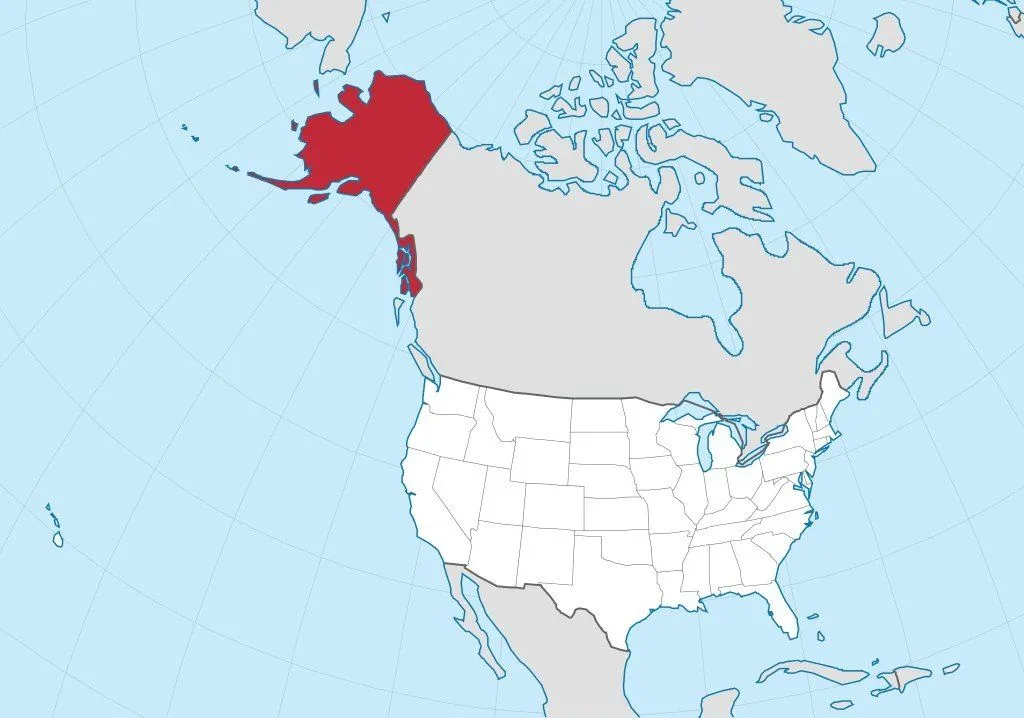
Alaska is renowned for many things, one of which is that its inhabitants experience almost three months of continuous daylight during a particular time of the year.
This raises the question: Why does this happen? Day and night result from Earth’s rotation on its axis, so why does Alaska experience this strange phenomenon? And why is it only Alaska that experiences this?
Earth’s Axial Tilt
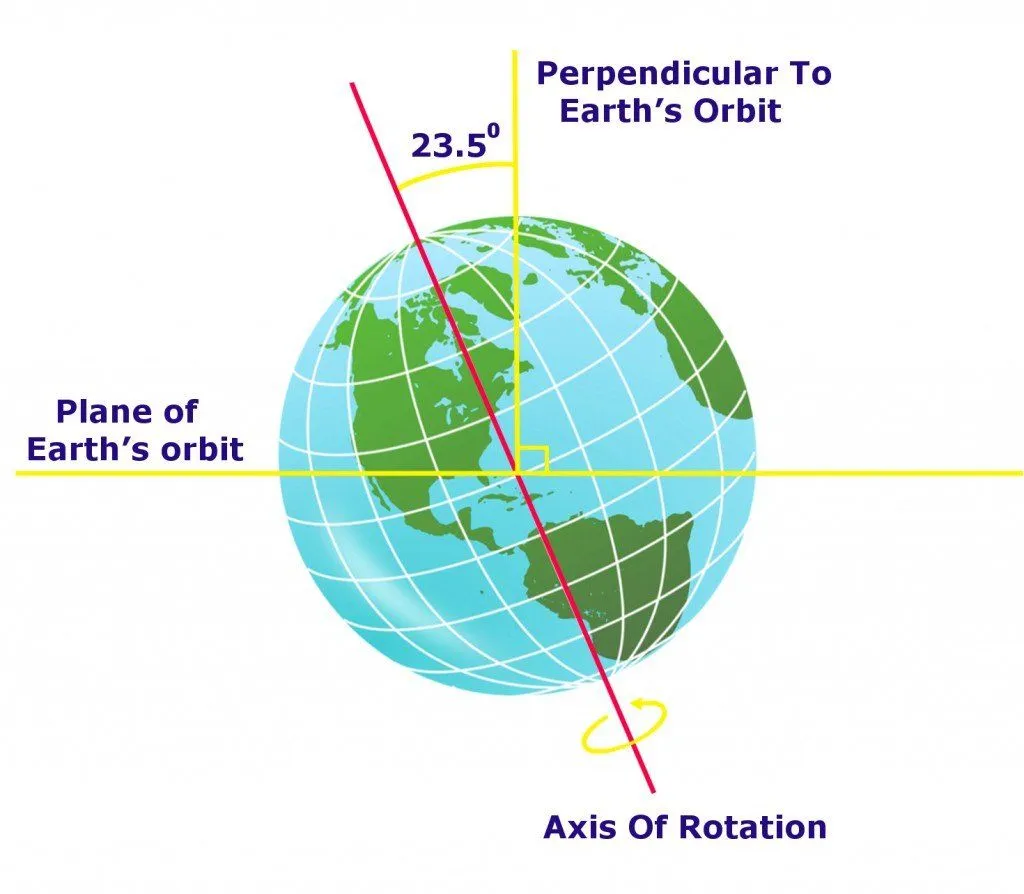
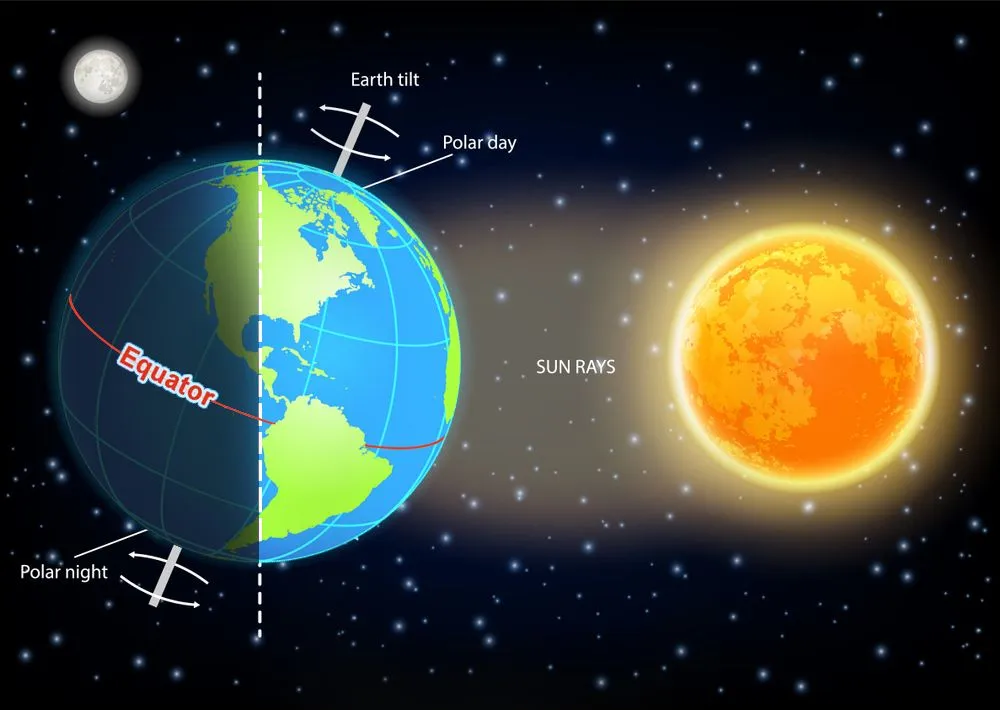
We all know that Earth rotates on its axis, but many might not know that Earth does this while leaning a bit to one side, just as the leaning tower of Pisa leans to one side. This picture will help to visualize the situation on our planet better:
This is known as Earth’s axial tilt, and it is equal to 23.5 degrees. Basically, if you were to draw a line through the north and south poles, passing through Earth’s center, the angle between this line and a line drawn perpendicular to the plane of Earth’s orbit would be 23.5 degrees.
Have you ever noticed that globes are tilted? This is not done for aesthetic appeal, nor is it a manufacturing defect; globes are designed this way to genuinely illustrate Earth’s axial tilt.
Earth’s axial tilt causes the seasons. As our planet moves around the sun, the seasons are determined by where the poles are pointed with respect to our nearby star!
No Night In Utqiaġvik (Formerly Barrow), Alaska For 84 Days Straight
When the Earth’s Northern Hemisphere is tilted towards the sun, the places within 23.5 degrees of the North Pole experience 100% daylight during the summer. In other words, some places in Alaska don’t experience any nights for a long time because those places lie close to the North Pole, which is constantly exposed to the sun.
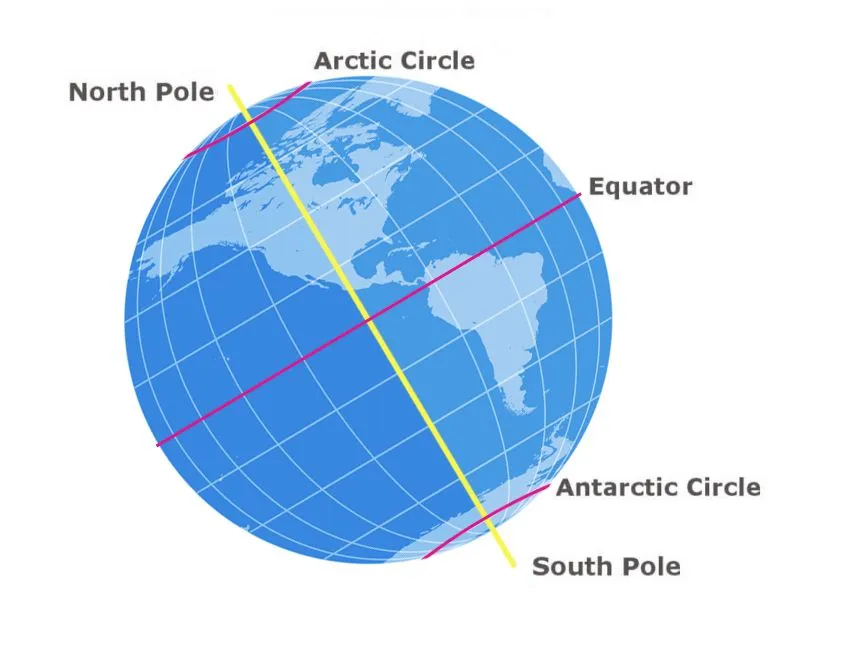
Anything within 23.5 degrees of the North Pole falls under the classification of the Arctic Circle, which is just a fancy name for the northernmost of the five major latitude lines of Earth.
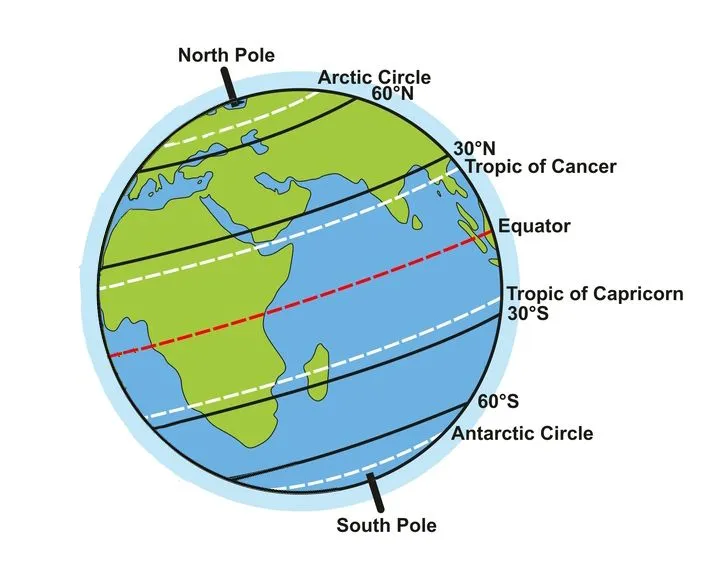
The Arctic Circle is located in the Northern Hemisphere, while its counterpart in the Southern Hemisphere is known as the Antarctic Circle.
Utqiaġvik (officially renamed from Barrow in December 2016), the northernmost city in Alaska, is well above the Arctic Circle. This is why it is exposed to the sun for more than two months and doesn’t experience night during that period.
On the other hand, it also gets 100% dark in the winter because the North Pole is tilted away from the sun at that time of year.
Alaska is the most sparsely populated US state due to its abnormal day and night schedule and extreme cold temperatures. However, the state of Alaska pays residents a yearly cash dividend from its oil-revenue fund (the Alaska Permanent Fund Dividend), worth $1,000–$2,000 per resident in recent years. So, if you love nature and stargazing, Alaska could be your perfect vacation destination!
Does All Of Alaska Get 24-Hour Daylight?
Here is a common mix-up worth clearing up: not all of Alaska enjoys the true midnight sun. The non-stop daylight described above only happens north of the Arctic Circle, which slices across the top of the state at a latitude of about 66.5°N. Utqiaġvik sits well above that line, so it gets weeks of round-the-clock sun. Most Alaskans, though, live south of the Arctic Circle, where the sun still rises and sets every single day of the year.

What those southern cities do get is a daily cycle that is stretched almost beyond recognition. Around the June solstice, Fairbanks sees close to 22 hours of daylight, with the sun dipping below the horizon for only a couple of hours near 1 a.m. before climbing back up. The sky never really darkens, which is why Fairbanks can play a famous baseball game at midnight without switching on the floodlights. Farther south, Anchorage still racks up more than 19 hours of direct daylight on the longest day, and the long twilight keeps things bright enough to read outside near midnight.
So the honest answer to “is it always daylight in Alaska?” is: it depends on where you stand. The closer a town sits to the North Pole, the longer its summer day and the shorter its winter day. True 24-hour sun is reserved for the slice of the state above the Arctic Circle, while the rest of Alaska simply experiences very long days and very short nights.
Why Is Alaska Dark For Months In Winter?
The flip side of all that summer sun is an equally dramatic winter. Roughly six months after the midnight-sun season ends, Earth has carried Alaska around to the opposite side of its orbit. Now the North Pole leans away from the Sun, and every spot inside the Arctic Circle is tipped into shadow for weeks on end. This stretch of continuous darkness is called the polar night.

In Utqiaġvik, the sun slips below the horizon around mid-November and does not fully rise again for about 64 days, returning in late January. That is the close mirror image of the 84-day summer: the same 23.5° axial tilt that bathes the town in light in June plunges it into darkness in December. The dark spell runs a bit shorter than the bright one partly because the atmosphere bends incoming sunlight, and because the Sun is a disc rather than a single point, so a sliver of its upper edge can still clear the horizon even when the Sun's center sits just below it.
It is also worth busting a popular myth: Alaska does not have a flat "six months of day and six months of night." That perfect split only happens at the geographic North Pole itself. As you travel south from the pole toward the Arctic Circle, the polar night shrinks from six months down to a single day. And even during the deepest polar night, Utqiaġvik is not pitch black around the clock. For a few hours each day the sky glows with a soft blue civil twilight, the same pale light you see just before an ordinary sunrise.
Last Updated By: Ashish Tiwari
References (click to expand)
- Daylight Hours - Alaska Kids' Corner. State of Alaska
- Noninvasive Neurostimulation Techniques - The Sleep Scene.
- Milutin Milankovitch.
- JSTOR – background reading on midnight sun and polar latitudes
- Midnight Sun. Encyclopaedia Britannica.
- Arctic Circle. Encyclopaedia Britannica.
- Summer Daylight Enhances Celebration Season. University of Alaska Fairbanks.
- Midnight Sun. Wikipedia.