Table of Contents (click to expand)
Your ears pop because the air pressure inside your middle ear has fallen out of step with the air pressure in the cabin. The Eustachian tube — a small channel connecting the air-filled middle ear to the back of your throat — opens briefly when you swallow or yawn, letting air rush in or out to equalize the two sides of the eardrum. That sudden equalization is the "pop." It happens during ascent and, even more noticeably, during descent.
Whether you’re a frequent flier or a virgin in the skies, there are a few things that you will always experience when traveling in an airplane, particularly during landing and take-off. As the airplane ascends and attains a stable altitude, you might feel a sense of weightlessness, have a funny sensation in your stomach and your ears will most likely pop.
What does the popping of your ears even mean? And why does it happen in airplanes during take-offs and landings?
Air Pressure
Just like the way pressure increases as you go deeper underwater, air pressure (or atmospheric pressure) decreases as you go higher up, such that any point on the ground experiences more pressure than something a few thousand feet above it.
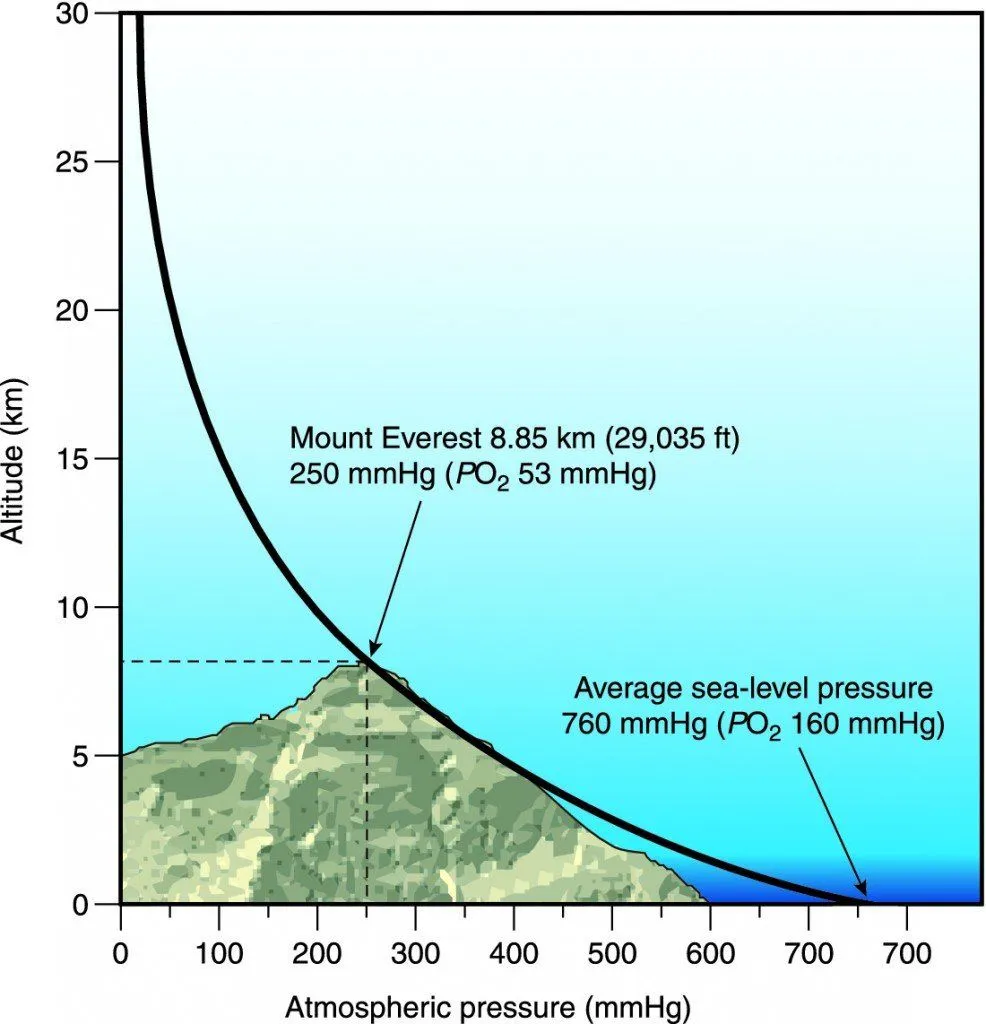
This is because the air at ground level is denser, as there are more and more air molecules pushing down on the molecules below, thereby increasing atmospheric pressure at lower altitudes. You should note that the atmosphere we’re surrounded by is actually quite heavy; in fact, we should be crushed by the weight of it, in theory, but luckily that doesn’t happen (Read more about it here: Why Don’t We Get Crushed By Atmospheric Pressure?).
Inside The Ear
In order for us to hear things properly and, more importantly, preserve the integrity of our auditory system, it’s essential that the air pressure on the two sides of the eardrum stays roughly the same. The eardrum separates the outer ear (open to the cabin air) from the air-filled middle ear behind it. Balance between those two air spaces is maintained by the Eustachian tube — a small channel connecting the middle ear to the back of the throat on each side. The tensor veli palatini and levator veli palatini muscles in your soft palate pull the tube open whenever you swallow or yawn, letting a tiny puff of air in or out to equalize the pressure, which is what produces that characteristic pop.
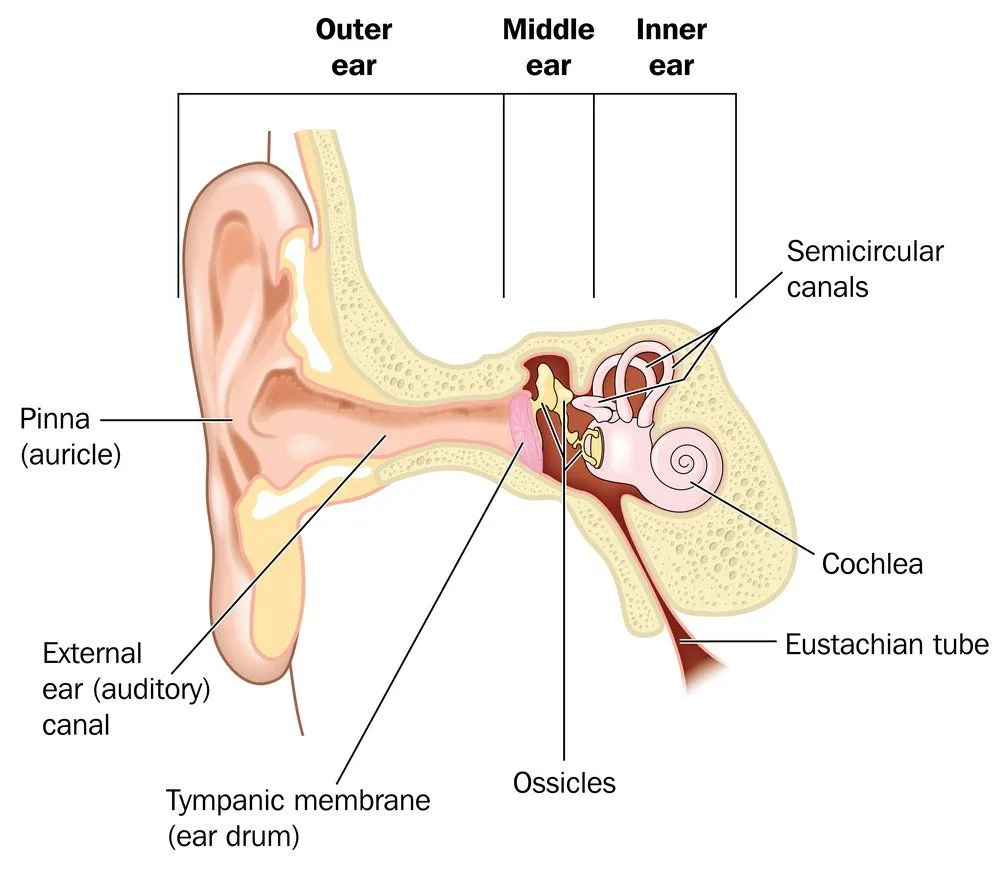
Sounds from the outer ear are passed to the inner ear by a thin vibrating membrane called the eardrum. For the eardrum to act normally, the air pressure between the air inside and outside of the ear has to remain (almost) the same. However, when you’re taking off in an airplane, or ascending rapidly in any manner whatsoever, that balance begins to dwindle.
Since air pressure inside your middle ear is now higher than the (thinner) air pressure in the cabin, the eardrum bulges outward, producing that stuffy feeling, in which every sound around you feels muffled for a few minutes, until you "pop" them back to normal. As the airplane reaches a certain height and stops ascending any further, the Eustachian tube opens, air rushes out, and the eardrum snaps back into place — that is the pop.
The reverse happens on the way down — and this is usually where the popping is more uncomfortable. As the plane descends, the cabin pressure rises faster than the middle ear can vent through the Eustachian tube; the eardrum gets pushed inward instead of bulging out, and the tube tends to resist opening in that direction (it has a one-way-valve quality). That is why landings often feel worse than take-offs, why you may not "pop" until you actively swallow or yawn, and why young children, whose Eustachian tubes are shorter and more horizontal, cry more on descent than on climb.
How To Actively Pop Your Ears?
Since the whole problem arises due to changes in air pressure between the inner and outer ear, all you have to do is find a way to keep the air pressure equal. This can be done by actively opening up the Eustachian tubes by swallowing or yawning on purpose. This will cause the air pressure inside your ear to sync up with the air pressure outside (i.e. in the airplane cabin). Chewing gum during landing also helps alleviate this problem.

Alternatively, you can equalize the pressure on demand using what doctors call the Valsalva maneuver: close your mouth, pinch your nose to shut both nostrils, and blow gently. With no other outlet, the air presses through the Eustachian tubes and equalizes the air pressure on either side of the eardrum. Don't blow too hard, as it can be quite painful if you do so. A gentler alternative is the Toynbee maneuver — pinch your nose and swallow at the same time. Either of these is usually enough to "un-pop" your ears, and both are recommended for people prone to airplane ear (especially if they're flying with a cold, which makes the Eustachian tubes swell shut).
Next time you’re flying in airplane and notice that your neighbor is closing their mouth and pinching their nose, you can assume they know a bit about physics – or at least the way that our ears are designed!
References (click to expand)
- Why Your Ears Pop (And What to Do If They Don't) - Gizmodo
- Airplane ear - Symptoms and causes. Mayo Clinic.
- Evans, R. W., Purdy, R. A., Goodman, S. H., Evans, R. W., & Purdy, R. A. (2007, May). Airplane Descent Headaches. Headache: The Journal of Head and Face Pain. Wiley.
- How to Prevent Your Ears from Popping - wikiHow. wikiHow