When you yawn, two tiny middle-ear muscles (the tensor tympani and the stapedius) contract reflexively. They stiffen the eardrum and the chain of ossicle bones, so less sound vibration is passed through to the inner ear. The result is the brief moment of muffled, underwater-style hearing you experience mid-yawn. (The Eustachian tube actually opens during a yawn too, but that equalises ear pressure rather than causing the deafness.)
Yawning is one activity that everyone engages in. Although at times it can be rather embarrassing (during a lecture or an important corporate meeting), the act of yawning is one of the most adored activities we humans have. It induces a pleasant feeling of calmness, and let’s admit it, sleepiness.

However, yawning is quite strange. Not only is it contagious, but it also makes you partially deaf for a moment. Why does that happen?
Reception Of Sound By The Ear
It’s a well-known fact that everything appears dulled for the duration of a yawn; the sounds you hear dramatically drop to nearly silent. The reason for this rather weird phenomenon lies in the activities taking place in the ear during a yawn.
Anatomy Of The Ear
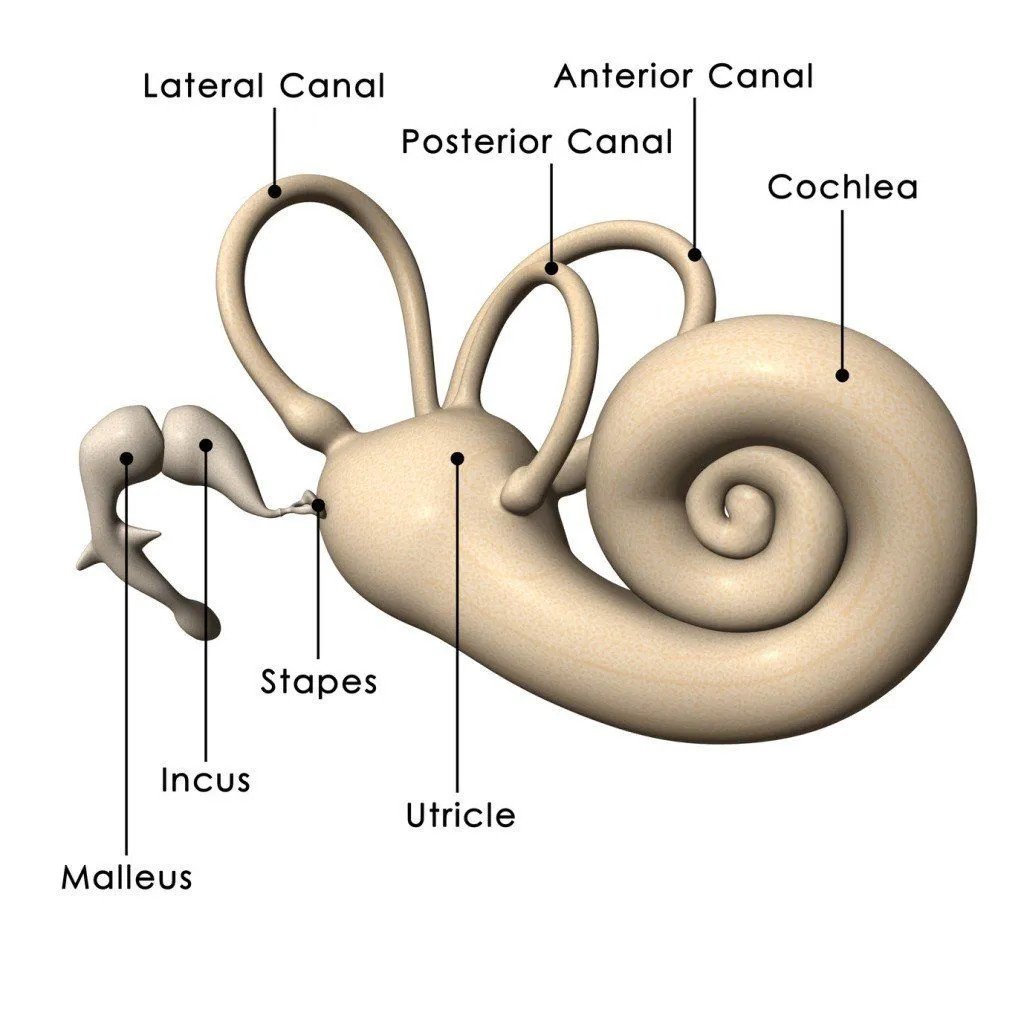
Let’s first see how sound is received and subsequently transmitted to the brain for processing. The ear has three main parts: the outer ear (which includes the ear canal and the eardrum, or tympanic membrane), the middle ear, and the inner ear. When sound waves reach the ear, the changes in air pressure cause the eardrum to vibrate. Those vibrations are passed along by three tiny bones (the ossicles) sitting in the middle ear: the malleus (hammer), incus (anvil), and stapes (stirrup). These small bones work in perfect harmony to transmit the sound to the cochlea in the inner ear, from where it is sent to the brain for interpretation.
Eustachian Tube
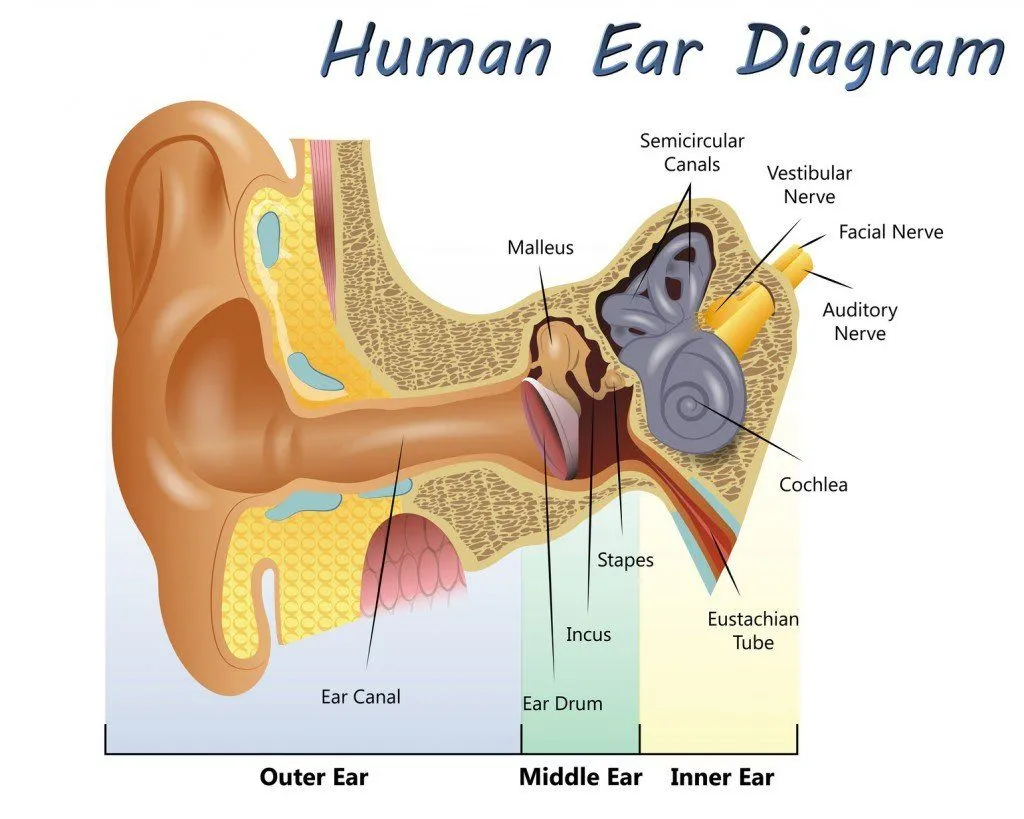
Ever heard of the Eustachian tube? It connects the middle ear to the back of the nasal cavity. Several physical acts, like yawning, chewing and swallowing, open the Eustachian tube and allow air to enter or escape the middle ear. In essence, the Eustachian tube helps maintain normalized air pressure in the ear.
How Yawning Affects Hearing
You might guess that yawning works by creating a pressure difference across the eardrum, but it’s actually the opposite. Opening the Eustachian tube during a yawn lets air move in or out of the middle ear and equalises the pressure (which is exactly why pilots and scuba divers use yawns and swallows to clear their ears). The real reason your hearing dips during a yawn is mechanical: a pair of tiny muscles in the middle ear briefly tighten and dampen the whole system. Here’s how that works.
Tensor Tympani Muscle
When you yawn, both the tensor tympani muscle and the stapedius muscle contract. Together, these two are sometimes called the “intra-aural muscles,” and they normally function as a built-in volume control, stiffening the ossicle chain to dampen loud sounds and protect the inner ear.
The function of these two muscles is quite similar to that of the iris; have you noticed how you tend to close your eyes when you suddenly come out form a dark room to a well-lit room? It’s the iris that regulates the amount of light entering the retina. In the same fashion, the tightening of the tensor tympani and stapedius muscles makes the ossicular chain become less able to pass all vibrations of the eardrum to the inner ear. This is why that brief ‘partial deafness’ occurs when you yawn.
Now you know a scientific reason why yawning can be really problematic; especially if you’re listening to an important piece of information that won’t be repeated. Even though it feels great, sometimes it’s better to fight the yawn!
Why Can You Sometimes Hear Better After You Yawn?
Here’s a twist that surprises a lot of people: while a yawn briefly muffles your hearing in the moment, it can also leave your hearing clearer once the yawn is over. If your ears have felt blocked or full (after a cold, on a plane, or coming up from a deep dive), a good yawn often makes everything suddenly snap back into focus. That isn’t the dampening muscles at work, it’s the Eustachian tube.

For sound to transmit cleanly, the air pressure in your middle ear needs to roughly match the pressure outside. When the Eustachian tube stays shut for too long, the trapped air in the middle ear is slowly absorbed by the surrounding tissue, leaving a slight vacuum behind. That negative pressure pulls the eardrum taut and stops it vibrating freely, which is felt as fullness, a blocked sensation, and muffled or diminished hearing. According to StatPearls, these symptoms are usually mild and tend to ease the moment the tube opens normally, which it does during swallowing and yawning.
So when you yawn, the muscles around the Eustachian tube contract and briefly pull it open, letting air pass through to equalise the middle-ear pressure with the atmosphere. The eardrum is released back to its proper tension and can vibrate freely again, so hearing sounds crisp and clear. It’s the same trick pilots, scuba divers and frequent flyers use on purpose: yawn, swallow or chew gum to pop the ears open and shake off that blocked feeling.
Why Do You Hear a Rumbling Sound When You Yawn?
Plenty of people notice something else mid-yawn: a low, soft rumble or roar deep inside the head, almost like distant thunder. You’re not imagining it, and it isn’t coming from your throat or your jaw clicking. That sound is the tensor tympani muscle itself, the very muscle that dampens your hearing during the yawn.

Like any other muscle in the body, the tensor tympani vibrates as it contracts, and because it sits right on the chain of hearing bones, that vibration is passed straight into the hearing apparatus. You end up literally hearing the sound of your own muscle. As the Wikipedia entry on the tensor tympani notes, the rumble is perceived as coming from inside the head and is caused by mechanical disturbance of the hearing apparatus, not by any movement of air. The same low rumbling can also be triggered by tensing the neck or jaw, or by scrunching your eyes shut tightly.
For most people this is harmless and disappears the instant the yawn ends. When the muscle starts firing on its own, repeatedly and without a trigger, doctors call it tensor tympani syndrome, a form of middle-ear myoclonus that can produce clicking, fluttering or a sense of ear fullness. But a brief rumble that comes only with a big yawn is simply your built-in ear protector doing its job.