Table of Contents (click to expand)
Heat relaxes sore, stiff muscles by widening blood vessels, increasing blood flow, and switching on heat receptors that block pain signals. It works well for chronic muscle pain, stiffness, menstrual cramps, and tension, and for warming up before activity. Use ice instead for a fresh injury during the first 48 hours, and never apply heat to broken skin.
Heat does more than feel nice. It increases blood flow, loosens tight muscles, and blocks pain receptors on cells, which is why a warm pack can take the edge off sore muscles and stiffness.
Heat has been used as a home remedy for pain for a very long time. Except on injuries that break the skin, heat therapy is used for all sorts of aches, including exercise soreness, period pain, and the stiffness of muscular injuries. It is also recommended for people living with rheumatoid arthritis. However, does heat have only a placebo effect, or does it provide relief on a molecular level?
Muscle Pain
Heat is specifically used in cases of muscular injury or pain. These can occur for various reasons. For instance, menstrual cramps occur due to the muscles of the uterus contracting. After a workout, muscles become sore and ache due to microtears in them. As scary as that sounds, microtears are essential to help the muscle grow. Over-distension of muscles and the shortage of blood cause them to ache.
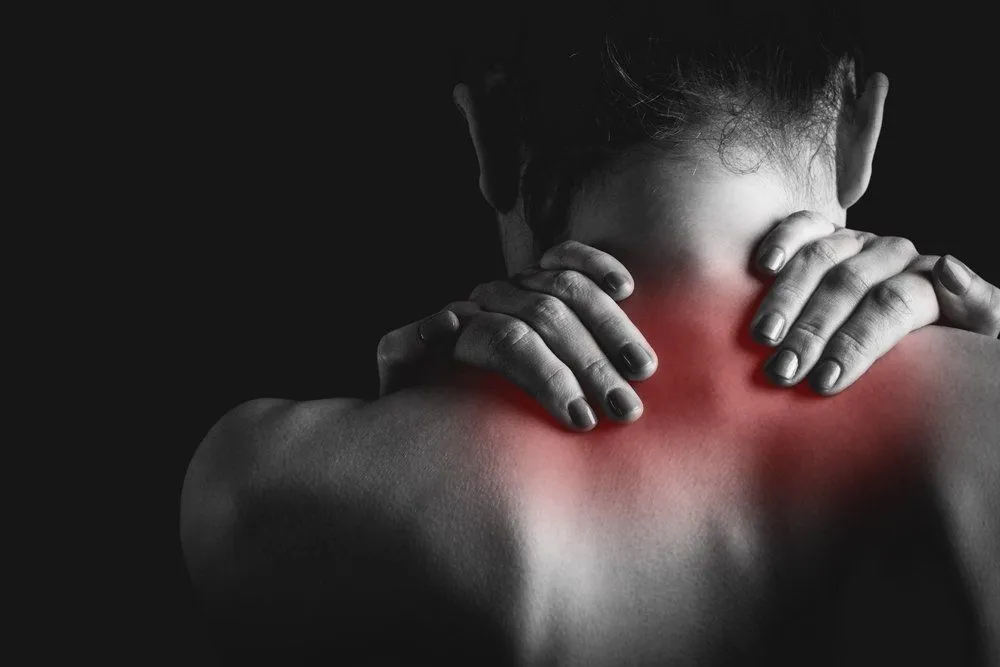
In these instances, heat is considered a source of quick relief. It is often believed to only have a placebo effect though. However, it has been proven that heat does provide more than psychological relief.
Heat Therapy
Heat brings about a number of effects that can collectively help the muscles. For starters, heat causes vasodilation. This is the dilation or widening of blood vessels, which increases the blood flow to that part of the body. Increased blood flow has a number of benefits. For a sore or injured muscle, better circulation helps flush out waste products and inflammatory byproducts that build up in the tissue. (Contrary to a popular myth, lactic acid is cleared from muscle within about an hour and is not what makes you ache a day or two later. That delayed soreness comes from microtears and the inflammation that follows.) Increased blood flow also speeds healing by carrying more nutrients and oxygen to the affected part of the muscle.
In the case of muscle spasms, the heat helps in loosening knots and relaxing the muscles. This is especially effective for sore muscles and stiffness.
There is another very important effect of heat therapy. Our skin and tissues have separate receptors for heat, cold, and pain. Research at University College London has shown that warmth above about 40 °C (104 °F) switches on heat-sensing receptors called TRPV1, and these in turn block the P2X3 pain receptors. With the pain channel quietened, the ache is dialed down before it reaches the brain.

ATP (adenosine triphosphate) molecules released by damaged cells or tissues activate the pain receptors on cells. When the heat receptors are activated, they block the pain receptors. Therefore, even though ATP is released by the damaged or dying cells, it doesn’t trigger the sensation of pain.
Heat also works at a second level, through what scientists call the gate control theory of pain. Proposed by Ronald Melzack and Patrick Wall in 1965, the idea is that the spinal cord has a kind of “gate” that controls how many pain signals reach the brain. Sensations like warmth, pressure, and gentle rubbing travel along fast nerve fibers that can crowd out the slower pain signals, effectively closing the gate. It is the same reason instinctively rubbing a banged elbow helps: the warmth and touch from a heating pad give the nervous system something else to pay attention to, so less pain gets through.
This is similar to the effect that painkillers have on the body. Together, these mechanisms show that heat provides genuine relief, not just a placebo effect, which is part of why researchers are studying the P2X3 pathway in the hunt for better pain drugs.
Heat or Ice: Which Should You Use?
This is the question most people actually have, and the answer comes down to timing and the type of pain. As a rule of thumb, reach for ice in the first day or two after a fresh injury, and reach for heat once you are dealing with lingering stiffness or sore, tight muscles.
Use ice (cold therapy) for acute injuries, the swelling and sharp pain of a new sprain, strain, or bruise within roughly the first 48 hours. Cold narrows blood vessels, which limits swelling, numbs the area, and calms inflammation. Heat in this window would do the opposite, widening blood vessels and potentially making swelling worse.
Use heat once the initial swelling has settled, and for chronic, nagging complaints: stiff joints, an aching lower back, arthritis, or muscles that feel tight and sore. Heat is also useful before activity to loosen up, while ice is better after intense exercise if a joint is inflamed. For everyday sore muscles that are a few days old, heat is usually the more comforting choice.
The benefits are not just anecdotal. For period pain, for instance, studies have found that continuous low-level heat applied to the lower abdomen can relieve menstrual cramps about as effectively as ibuprofen, by relaxing the contracting muscle of the uterus. Some people alternate the two, using ice to bring down swelling and then heat to ease the stiffness that follows.
Precautions
However useful it is, certain points must be kept in mind when using heat as a painkiller. The body is kept at an average core temperature of about 37 °C (98.6 °F), so a pack that is much hotter than skin can cause burns, sometimes without much warning. A safe heating pad sits around 40 to 45 °C (104 to 113 °F); keep a layer of cloth between the pad and your skin, check the skin regularly, and never fall asleep on a heating pad.
Heat therapy should not be used within the first 48 hours of a fresh injury, nor on skin that is broken or infected. Because heat widens blood vessels, applying it too soon can increase bleeding and swelling rather than reduce it. It is also better to use heat in short sessions of around 15 to 20 minutes rather than for hours at a stretch.
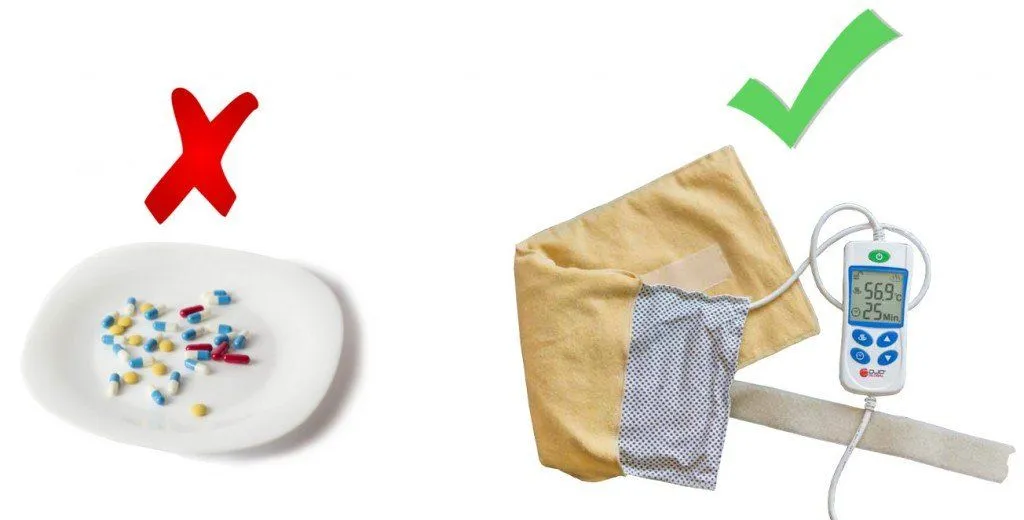
Heat mainly provides short-term relief, but it is a safe and inexpensive option that can spare you a dose of painkillers, and it can be used for chronic pain too. Moist heat (a damp warm towel or a hot bath) tends to penetrate deeper than dry heat, though it is not always the most convenient option. You can apply it in plenty of ways, from electric heating pads and hot water bottles to towels dipped in warm water. So the next time your back aches or your muscles feel sore and stiff, you might reach for a heating pad before the pill bottle.
References (click to expand)
- Heat halts pain inside the body. UCL News, University College London.
- Physiology, Vasodilation. StatPearls. NCBI Bookshelf.
- Physiology, Temperature Regulation. StatPearls. NCBI Bookshelf.
- Ice vs. Heat: What Is Best for Your Pain? Cleveland Clinic.
- Heat therapy for primary dysmenorrhea: A systematic review and meta-analysis. PMC, NIH.
- Moist Heat or Dry Heat for Delayed Onset Muscle Soreness. PMC, NIH.
- Heat therapy for rheumatoid arthritis. Harvard Health, Harvard Medical School.
- Heat blocks body's pain signals. BBC News.