Earth's population of more than 8.3 billion is straining the planet's natural resources, and the resources most at risk of depletion are critical minerals, freshwater, fossil fuels, and forests. Agriculture is the main driver of deforestation, and land-use change, primarily deforestation, contributes about 13% of all human carbon dioxide emissions to global warming.
Earth’s thriving population of more than 8.3 billion (UN, 2026) has led to a great deal of strain on the natural resources provided by our planet, as there is an ever-increasing demand for these natural resources. The proper term for when the consumption of a resource is faster than the rate of replenishment is Resource Depletion. Although not a very fancy or complicated term, resource depletion has been the topic of intense study for a while now, as it has a direct influence on other factors, such as climate change and global warming. With that in mind, let’s take a look at some of the resources that are on the verge of depletion.
Mineral Depletion
Minerals are used in countless ways to provide food, clothing and housing. One such United States Geological Survey (USGS) study found a significant long-term trend in the 20th century for the consumption of non-renewable resources, such as minerals. These minerals are used to supply a greater proportion of the raw material inputs into non-fuel and non-food sectors of the economy. For example, there is an enormous consumption of crushed stone, sand, and gravel in the construction industry.
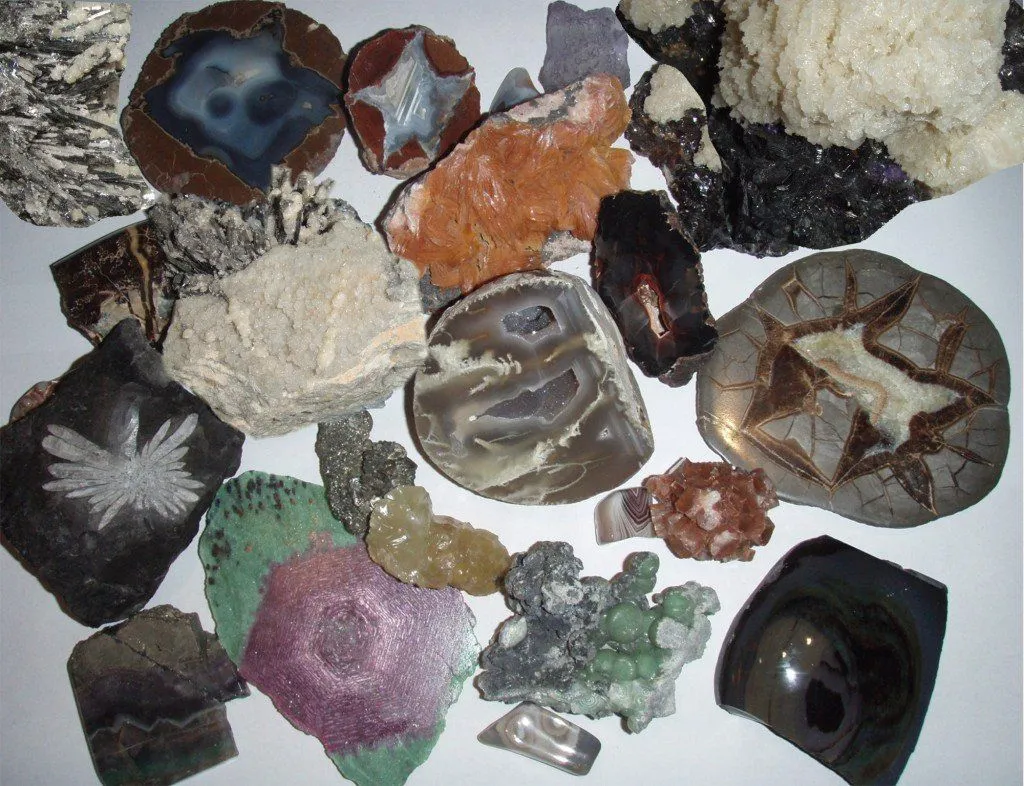
The large-scale exploitation of minerals started occurring around 1760, when the Industrial Revolution began to grow at a rampant rate. Also, the rate at which technology has improved over the past few decades has only allowed us to dig deeper and extract more. The industrial metals we rely on, such as copper, iron, and bauxite (the principal ore of aluminum), are base metals. They are distinct from the rare earth elements, a separate group of 17 chemically similar elements (scandium, yttrium, and the 15 lanthanides) used in magnets, batteries, and electronics, which face their own supply concentration risks because China refines the majority of global supply.
The estimated production decline rate for some of these critical minerals are projected as follows:
- Crude oil: Proven reserves stood at about 1,567 billion barrels at the end of 2024, slightly higher than the prior year. The modern concern is no longer "running dry" but peak oil demand; the IEA forecasts demand will plateau around 105 million barrels per day by 2030 as electrification accelerates.
- Copper: Per USGS Mineral Commodity Summaries 2025, world copper reserves are around 1.2 billion tonnes, with identified resources of over 2.1 billion tonnes plus an estimated 3.5 billion tonnes still undiscovered. Production is constrained more by ore-grade declines and permitting than by absolute scarcity, but EV and grid build-out are driving demand sharply higher.
- Lithium, cobalt, nickel, and rare earth elements: Now classified as critical minerals due to the energy transition. Per the IEA Global Critical Minerals Outlook 2025, lithium demand rose around 30% in 2024 alone, and EVs now account for roughly 90% of lithium demand. Supply is concentrated: the DRC dominates cobalt, Indonesia dominates nickel, and China dominates rare earth refining.
- Zinc: Once difficult to mine economically, advances in hydrometallurgy have transformed non-sulfide zinc deposits into a large number of low-cost reserves.
Now, the above projections are only subject to change if additional discoveries are made.
Deforestation
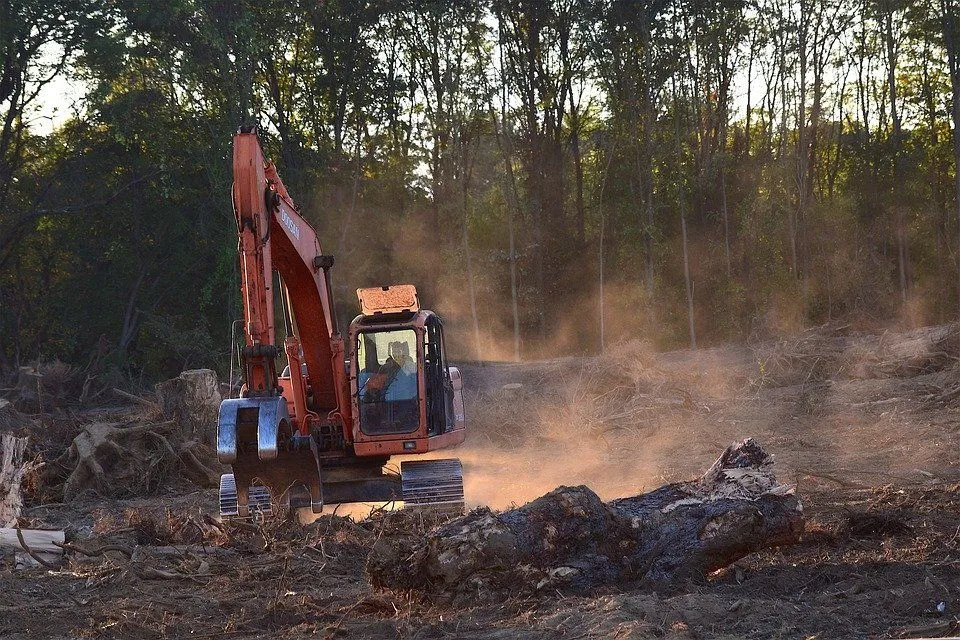
Deforestation, as the name suggests, can be understood as the elimination of forests by cutting and burning down the trees and plants in a forested area. The extent of deforestation is extreme; over the last 10,000 years, the world has lost about one-third of its forests (per FAO Global Forest Resources Assessment 2020), and roughly half of that loss occurred in the last century alone. The primary reason for this deforestation is agriculture. As the population increases, so too does the number of mouths that need to be fed. The increasing need for agricultural lands leads to the clearing out of more land. This land is inevitably taken from the area covered in forests. Remember, the industrial value of land is zero unless and until something viable can be extracted from it.
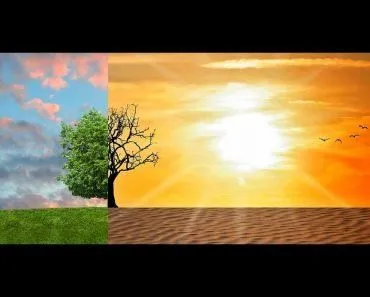
The severity of deforestation is so extensive that it has impacted the climate in an extreme way. It has led to an increase in carbon dioxide in the atmosphere, changes in the water cycle and a significant rise in soil erosion. Deforestation is almost always cited as a primary reason for global warming. It is a known fact that trees help in the elimination of carbon dioxide and the emission of oxygen. Land-use change, primarily deforestation, accounts for roughly 13% of total net anthropogenic carbon dioxide emissions (about 5.2 GtCO2 per year), per the IPCC Sixth Assessment Report. The removal of trees leads to soil erosion, as already stated, but soil erosion is no small thing! It is the reason why landslides are caused, which has a major and potentially deadly impact on people who live close to deforested regions.
Resource Depletion Of Oil
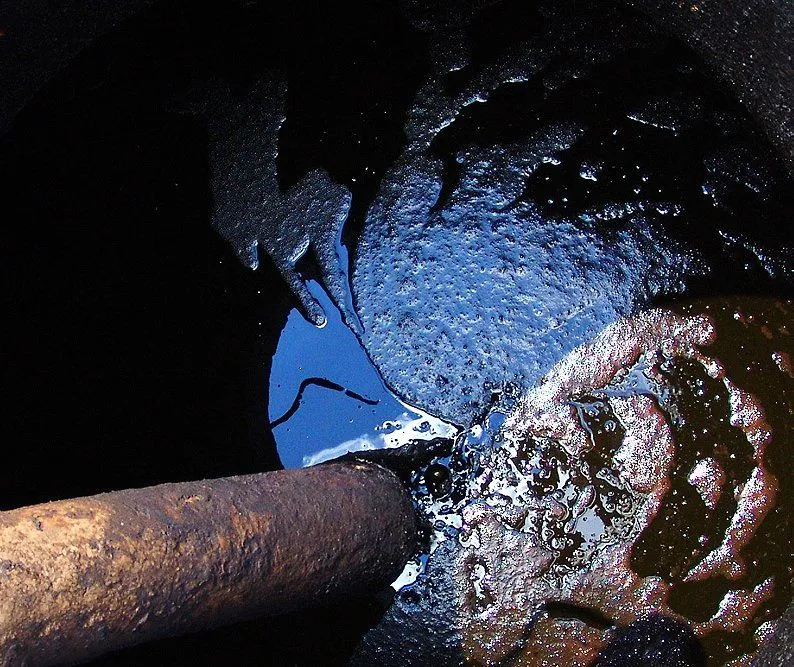
Crude oil or Oil, as it’s commonly referred to, is a very important raw material in today’s society. It is the raw material from which important byproducts are made, such as petroleum and diesel. These byproducts, in turn, play a pivotal role in almost all strata of life and society, as they are the driving force for most machines. Oil, however, is a finite resource and is being depleted at a very rapid rate. Peak Oil is the point at which the maximum rate of global petroleum extraction is reached, after which production was expected to enter a terminal decline. In practice, advances in shale and deepwater drilling pushed back peak supply, and the modern framing has shifted to peak oil demand. The IEA now projects global oil demand will plateau around 105 million barrels per day by 2030, as electric vehicles displace gasoline consumption.
The 2005 Hirsch Report funded by the United States Department of Energy concluded that “The peaking of world oil production presents the U.S. and the world with an unprecedented risk management problem. As peaking is approached, liquid fuel prices and price volatility will increase dramatically, and, without timely mitigation, the economic, social, and political costs will be unprecedented. Viable mitigation options exist on both the supply and demand sides, but to have a substantial impact, they must be initiated more than a decade in advance of peaking.”
Water

Water is an essential resource that is needed for survival in everyday life. We would only be able to last around a week without consuming any water. Even historically, water has had a profound influence on the prosperity and success of nations and people around the world. Right now, groundwater is roughly 30% of all freshwater on Earth, but because most freshwater is locked in ice caps and glaciers, groundwater accounts for about 99% of the planet’s liquid freshwater. It supplies wells and aquifers for private, agricultural, and public use. Of the roughly 22.6 million cubic kilometers of groundwater in the upper 2 km of Earth’s crust, less than 6% is "modern" (replenished within a human lifetime), per Gleeson et al. (Nature Geoscience, 2016), making the rest effectively non-renewable on human timescales.
Freshwater only makes up 2.5% of the total volume of the world’s water, which is about 35 million kilometer cube. However, since about 68.7% of that freshwater is locked in ice caps, glaciers, and permanent snow cover, only a tiny fraction is readily accessible as liquid surface water and shallow groundwater. According to FAO’s 2025 AQUASTAT data, renewable freshwater availability per person has fallen about 7% in the last decade. At least 4 billion people, roughly half the world’s population, already face severe water scarcity for at least one month a year, and around 2.2 billion still lack safely managed drinking water (UN Water 2024).
Renewable Vs. Non-Renewable: Which Resources Won't Run Out?
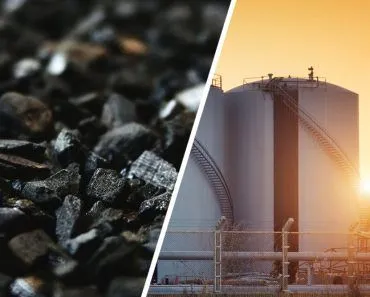
Whether a resource is on the verge of exhaustion comes down to one simple question: can nature replace it as fast as we use it? That single test sorts every natural resource into two camps. Non-renewable resources have a fixed budget. The U.S. Energy Information Administration (EIA) classifies crude oil, natural gas, coal, and uranium as non-renewable, because their supplies are limited to what we can mine or extract, and the fossil fuels among them formed from the buried remains of plants and animals that lived millions of years ago. Minerals sit firmly in this camp too. So yes, minerals absolutely count as natural resources, and like fossil fuels they do not regenerate on any human timescale, which is precisely why mineral depletion is such a worry.
Renewable resources, by contrast, are replenished naturally. The EIA describes them as virtually inexhaustible, though limited by the availability of the resource at any given moment. Sunlight, wind, geothermal heat, flowing water, and biomass keep arriving whether we tap them or not, so solar and wind power are, for all practical purposes, never going to run out. Forests are renewable as well, but only when we let them regrow faster than we fell them, and surface freshwater is recycled endlessly by the water cycle even as ancient groundwater is drained faster than it refills. The resources truly at risk, then, are the non-renewable ones we are spending faster than geology can ever replace.

What Would Happen If We Ran Out Of Critical Minerals?
This is one of the most common questions readers ask, and the honest answer tends to surprise people: we are very unlikely to wake up one morning to find the mines suddenly empty. The U.S. Geological Survey (USGS) states plainly that no global shortages of nonfuel mineral resources are expected in the near future, as long as we keep exploring and developing as-yet-undiscovered deposits. Depletion does not arrive as a sudden cliff. It creeps in as a steady climb in cost, energy, and effort.

Here is why. As the richest and most accessible ore bodies are mined out, companies are left digging up lower-grade rock, which means moving and crushing far more material to recover the same amount of metal. A study of global metallic mining by Calvo and colleagues (2016) found that the average grade of Chilean copper ore fell by roughly 28.8% in a single decade. Over the same stretch, the energy burned to extract that copper rose about 46%, even though output grew only 30%. Lower grades translate directly into more diesel, more electricity, more water, and more waste rock for every tonne of usable metal.
So a world running low on minerals looks less like bare scarcity and more like sticker shock and supply shocks. Because the USGS notes that a nation's economic security depends on access to mineral supplies, and refining is heavily concentrated in a handful of countries, a squeeze tends to surface as price spikes and supply-chain disruption rather than empty shelves. The long-term defenses are the tools we already lean on: using minerals more efficiently, finding substitutes, and recycling metals out of old electronics and electric-car batteries instead of always digging up fresh ore.
There are also some other resources that are seriously in danger of becoming a depleted resource, such as wetlands, natural gas, phosphorous, coal, etc. With so much human dependence on the use of natural resources, it must be our foremost prerogative to ensure that the strain on these resources is relaxed or removed entirely!
References (click to expand)
- Copper. USGS Mineral Commodity Summaries 2025.
- Global Critical Minerals Outlook 2025. International Energy Agency.
- Global Forest Resources Assessment 2020. UN Food and Agriculture Organization.
- Where is Earth's Water? USGS Water Science School.
- Climate Change 2022: Mitigation of Climate Change. IPCC Sixth Assessment Report, Working Group III.
- RC Ferrero. U.S. Geological Survey Energy and Minerals science strategy. The United States Geological Survey
- (PDF) Natural Resource Fact Sheet | Masud Chowdhury - Academia .... Academia.edu
- The six natural resources most drained by our 7 billion people. The Guardian
- Nonrenewable. U.S. Energy Information Administration (EIA).
- Renewable energy explained. U.S. Energy Information Administration (EIA).
- The Global Mineral Resource Assessment Project. USGS Fact Sheet 53-03.
- Decreasing Ore Grades in Global Metallic Mining: A Theoretical Issue or a Global Reality? Calvo, Mudd, Valero & Valero (2016).