Table of Contents (click to expand)
Global commons are resource domains that lie beyond any single nation’s control and belong to everyone on Earth. International law recognizes four: the high seas, the atmosphere, Antarctica, and outer space. Because no one owns them, they can be overused, an idea captured by the “tragedy of the commons.”
Have you ever considered that you have a responsibility for each of your demands? For instance, if you fish, then you have the responsibility to take only what you need. If you drive a car, you must ensure that your vehicle complies with emissions and pollution standards. Unfortunately, many people shirk these responsibilities, which is part of the reason why our planet is burning today. There are rampant wildfires, the global temperature has risen, and quality of life is being degraded day after day.
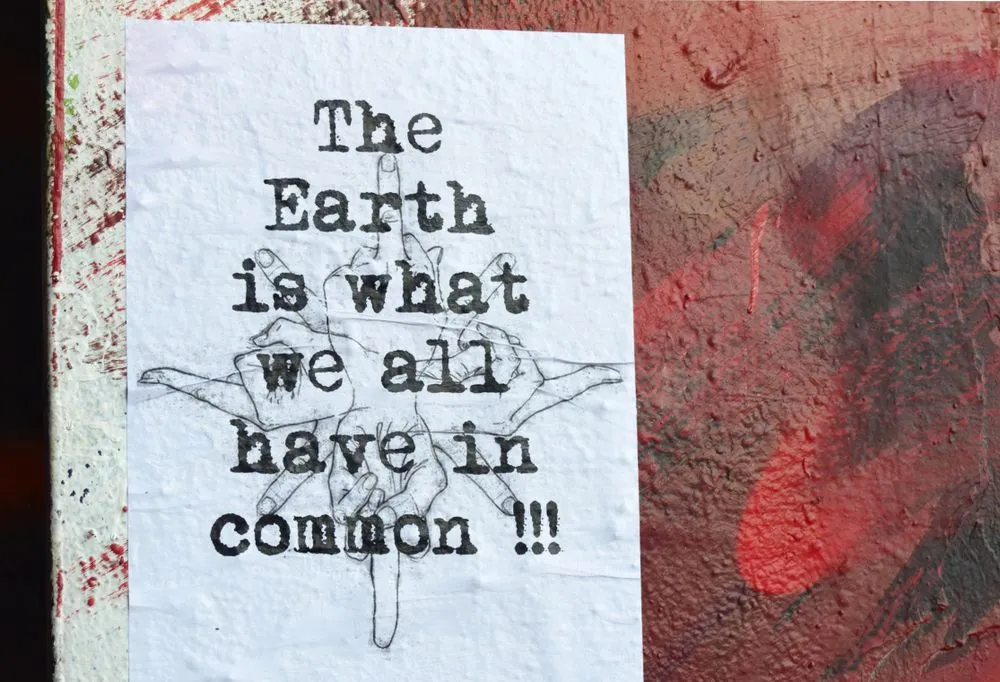
Our global commons include everything that is to be shared among all the creatures on the planet. For example, the clean air that we breathe, the food that we derive from plants, and the space that we claim for living are all forms of global commons. The commons require responsible usage and, as such, are often linked to sustainable development goals.
What Is The History Of The Term Global Commons?
To trace the roots of this idea, we have to return to the serene pastures of England. For centuries, English villages had green areas where farmers could take their cattle to graze. These pastures were referred to as “common land.” However, over time, the cattle, which are the private property of each farmer, kept increasing. As a result, the common pastures degraded, and all of the cattle began finding their grazing area insufficient. The economist William Forster Lloyd first used this grazing scenario to make a point about shared resources back in 1833.
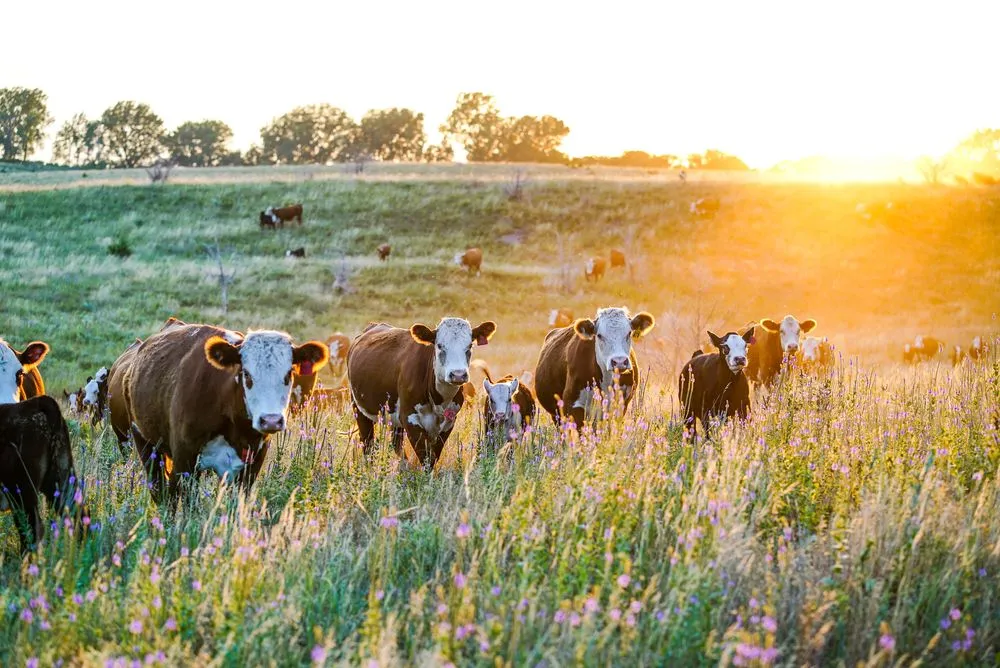
The idea was popularized much later by the ecologist Garrett Hardin, in an essay titled “The Tragedy of the Commons,” published in the journal Science in 1968. Hardin set out to write about overpopulation, but he ended up describing an unusual pattern of human behavior that neatly explained some of history’s most significant problems: when a resource belongs to everyone, each person has an incentive to take a little more, and the resource collapses. It is worth noting that Hardin popularized the phrase “tragedy of the commons,” not the term “global commons” itself, but the two ideas are closely tied together.
What Are The Global Commons?
Everything that is shared by a group of people can comprise a “common”. For example, if you have ever had roommates, then clean rooms and a refrigerator is a common commodity for each roommate. A local pond is a ‘common’ for all the fishermen in the vicinity. A garden is a ‘common’ for all the people of that residential area. A public bus is a ‘common’ to every citizen who uses it.
If you take this term to the next level, you can apply it globally. The high seas, outer space, clean air, and the atmosphere are all ‘common’ to the people of Earth. As such, global commons is a term that can describe anything comprising Earth’s limited natural resources. In this modern era, even the Internet could be considered a “common”.

According to the World Conservation Strategy published by the International Union for Conservation of Nature and Natural Resources (IUCN), the global commons are those parts of the Earth that lie beyond national jurisdictions, such as the open ocean, or are held in common, such as the atmosphere. In fact, international law traditionally recognizes four global commons: the high seas (the open ocean beyond any country’s coastal waters), the atmosphere, Antarctica, and outer space. Each is governed by its own set of treaties, from the Antarctic Treaty to the Outer Space Treaty. More recently, other domains have been added to the conversation, including cyberspace, arts, culture, language, and science, since these too belong to the common heritage of humankind.
What Is The Tragedy Of The Commons?
Interestingly, the tragedy of the commons will help us understand almost every problem that humans will need to tackle in the 21st century. Whether it is global warming, a toxic atmosphere to breathe, a lack of food, the degraded quality of nature, or diminishing natural resources… all can follow the idea of the tragedy of the commons. Perhaps this is why Garett Hardin ended up popularizing this term.
To begin, let’s take an example of a common lake. Hypothetically, there are twelve fish in the lake. Four fishermen catch one fish for themselves every day. As such, eight are left each day. Ignoring the sex of the fish for the purpose of this example, if these fish reproduce overnight and produce one baby fish, then the next day, there would be twelve fish again! However, the problem begins when the fishermen get greedy. If they start catching more than one fish each day, then the number of baby fish being born goes down, eventually dropping to the level where there’s no fish in the lake.
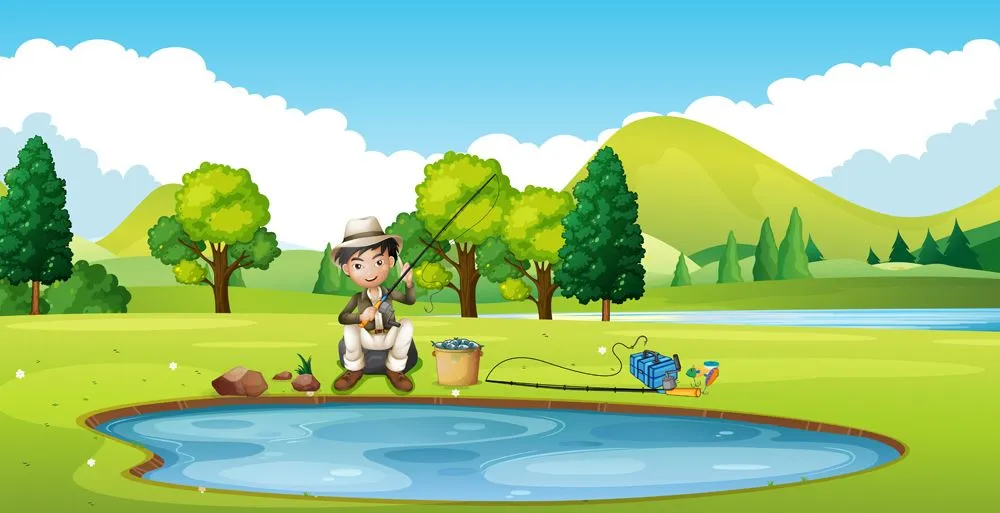
As such, the fishermen would have to sleep hungry or compromise their protein intake.
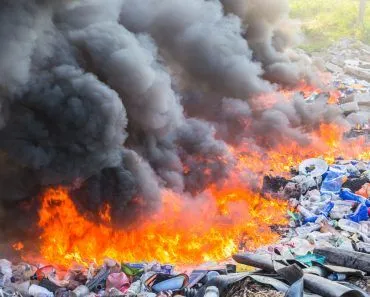
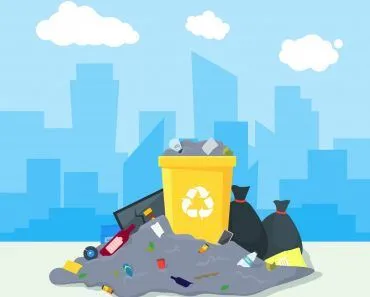
You can connect the example above with a variety of different contexts. When we use more vehicles than necessary, the air gets polluted, which harms everyone on Earth. When we cut down trees to construct more buildings, the natural ecosystem is harmed. As such, the quality of life drops for everyone in the vicinity, as there are fewer trees to purify dirty air. When we dump tons of plastic in the oceans, it not only affects marine life, but also degrades the health of humans who indirectly consume this seafood.
Conclusion
In a line often attributed to Mahatma Gandhi, the world has enough for everyone’s need, but not enough for everyone’s greed. This is why all of our desires must be accompanied by essential responsibilities. We must be cautious about utilizing these global commons, or we will regret it in the long run. If we abuse any of these limited resources in a greedy way, in the long run, we will only be harming ourselves. This is precisely why the world is turning to sustainable ideas, to ensure a better future for everyone!