Table of Contents (click to expand)
The Taj Mahal is turning yellow mainly because airborne pollution settles on its marble. Studies point to black carbon (soot), brown carbon and light-absorbing dust from burning fuel and waste, with brown carbon and dust giving the yellow-brown tint. Insect stains from the polluted Yamuna, rusting iron fittings and millions of tourists add to the discoloration.
The Taj Mahal is one of the most beloved monuments in the world. However, its pristine white color seems to be in danger as a result of human excesses. How is it that this monument, which has withstood the test of time, is starting to degenerate in recent years?
If you want a simple answer, you only need to know a single word: pollution. However, it’s a little more complicated than that. Different analyses have pointed at different culprits, ranging from algae and dirt to the resin applied on the Taj Mahal to preserve the monument. In the 1980s, sulfur dioxide from a nearby oil refinery was blamed as the main antagonist, accused of triggering acid rain that ate into the marble (the so-called “marble cancer”), but the more researchers investigated, the more varied the conclusions appeared to be. With that in mind, let’s try to break down the reasons behind the yellowing of one of the New7Wonders of the World.
Natural Causes
The Taj Mahal is, after all, a nearly 375-year-old monument (the complex was finished around 1653), so some discoloring is to be expected. Marble is not perfectly pure stone, and the trace minerals it contains can oxidize over time. That oxidation can leave faint brown splotches on the mausoleum, though, as you’ll see, it is a minor player compared with what settles on the marble from the air. Rain also takes its toll, slowly weathering the surface and leading to chipping and cracking.
Iron is another suspect. The iron dowels and clamps used to pin the marble slabs in place have rusted in the humid air, and that rust can bleed out and stain the surrounding stone a reddish-brown.
Tourists
One potential cause that hasn’t been looked into as much is the tourists themselves. The Taj attracts a huge number of visitors each year. In 2013, the footfall for this edifice was 6 million, and it has since climbed to roughly 7 million a year, which keeps it India’s most-visited monument. On some days, the Taj Mahal receives more than 50,000 people who want to marvel at the architectural masterpiece! Such a large number of people trotting and trudging around this marble wonder obviously causes some amount of wear and tear, right?
Even the inside walls aren’t safe from the steady stream of tourists. With such a large crowd packed inside every single day, the humidity climbs as all that breath and body heat builds up, which can gradually darken the walls. On top of that, the grime and dust from the sweaty palms of these tourists get caked onto the once-immaculate walls.
Environmental Neglect
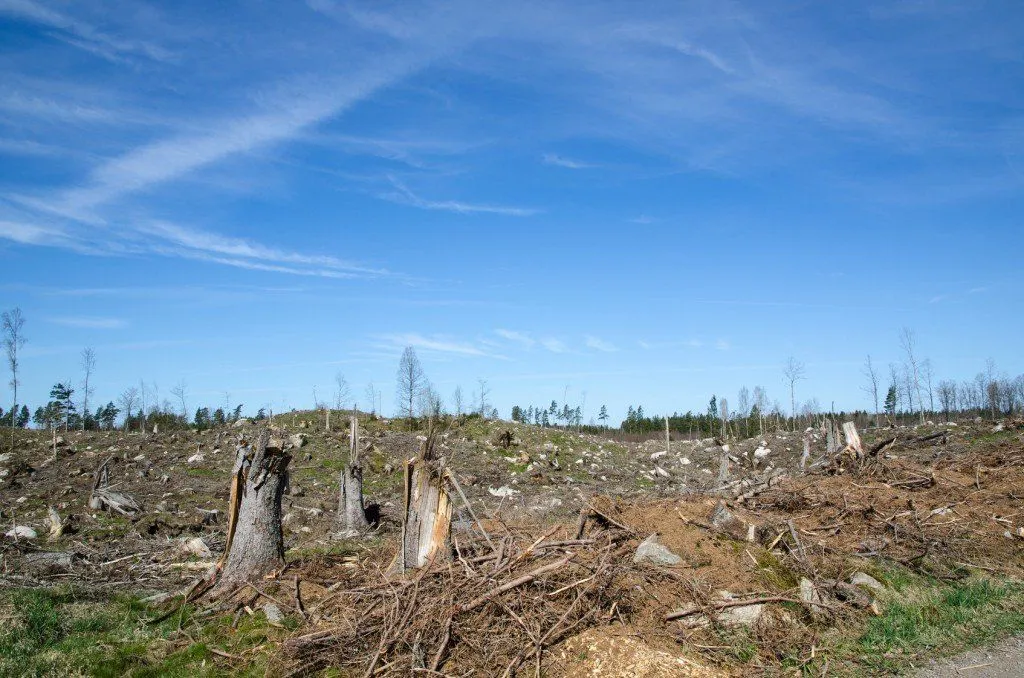
Trees have been felled left, right and center in and around Agra in the name of ‘modern development’. Agra sits in a semi-arid zone where summer temperatures can climb past 45 °C (113 °F). Without belts of trees to break them up, the hot, gritty winds that sweep across the plains of northern India blow straight at whatever stands in their way, and the Taj Mahal is no exception. Those dusty winds have a highly abrasive, sandpaper-like effect on the marble.
The Taj Heritage Corridor (a riverfront project of food plazas and malls) was planned between the Agra Fort and the Taj Mahal. Fortunately, it was shelved on the Supreme Court’s orders once it became clear it could threaten the monument. According to the Archaeological Survey of India, sand that piles up in the reclaimed riverbed can scour the marble surface during sandstorms.
And Of Course… Air Pollution
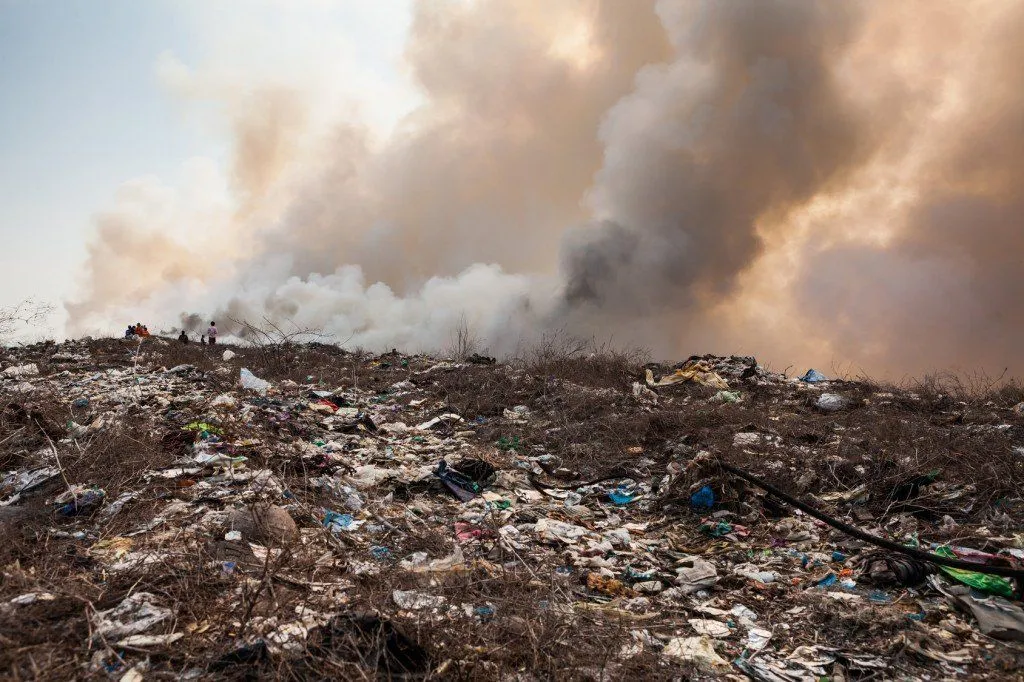
Burning municipal waste, cow dung and other rubbish throws particulate matter into the air, and Agra has long had a lot of it to deal with. At one point, roughly 2,000 metric tons of waste was being dumped in the city every single day, and much of it was simply set alight. That open burning comes at a steep cost: the dust and carbon-rich particles released by burning fossil fuels, biomass and garbage are now considered the leading reason for the discoloring of the national monument. To make matters worse, the waste was not being sorted into industrial, hazardous and biomedical streams, and was often tipped straight into the drains and sewers. Those drains all eventually feed the Yamuna untreated, further aiding the slow tarnishing of one of the world’s most beautiful man-made creations.
The most careful look at this came from a team led by Mike Bergin at Georgia Tech, working with the Indian Institute of Technology Kanpur. They stuck small tiles of clean marble around the monument, let the air do its work, and then examined what had landed on them. The deposits broke down to roughly 3% black carbon, about a third brown carbon, and the rest dust. Black carbon (the gritty soot from fossil fuels and vehicle exhaust) tends to grey the surface, while brown carbon and dust soak up light at the blue end of the spectrum and leave behind the tell-tale yellow-brown cast. The brown carbon comes mostly from burning biomass and garbage, a common practice in the area. A follow-up study by the same group found that open municipal-waste burning dumps about 12 times more fine particulate matter onto the Taj than the burning of cow-dung cakes does, which is why cracking down on trash fires has become a conservation priority.
The authorities are fighting a hard battle to preserve this structure, and strict pollution rules are now in place in Agra. Vehicles have been banned within 500 meters (about 1,600 feet) of the monument, industries have been pushed toward cleaner fuel, and the power grid has been improved to cut reliance on dirty diesel generators. Since 1994, the Archaeological Survey of India has periodically given the monument a spa-style mud-pack treatment, slathering on a paste of Fuller’s earth (multani mitti) that, as it dries, lifts away the grime and yellowing before being gently rinsed off. The main dome itself was treated this way starting in 2017. Let’s hope these efforts don’t prove to be in vain.
Green Stains From The Yamuna
More recently, the Taj has picked up a second, stranger kind of discoloration: greenish-black blotches on the marble facing the river. The Archaeological Survey of India traced these to an insect called Goeldichironomus, a midge that breeds in the stagnant, polluted stretch of the Yamuna behind the monument. The insects feed on algae thriving in the dirty water, then settle on the walls and leave behind excreta that stains the stone green and brown. ASI conservators wipe it off with water and cotton, but as long as the river stays choked with sewage and the insects keep breeding, the stains keep coming back. It is a pointed reminder that the Taj’s troubles are not only airborne, but tied to the health of the river it was built beside.
References (click to expand)
- The Discoloration of the Taj Mahal due to Particulate Carbon and Dust Deposition. Environmental Science & Technology (Bergin et al., 2015). PubMed, NCBI
- Municipal Solid Waste and Dung Cake Burning: Discoloring the Taj Mahal and Human Health Impacts in Agra. Environmental Research Letters (Lal et al., 2016). IOP Publishing
- Daunting Journey. Down To Earth
- Insect Poop Is Turning Parts of Taj Mahal Green, Again. ThePrint