Table of Contents (click to expand)
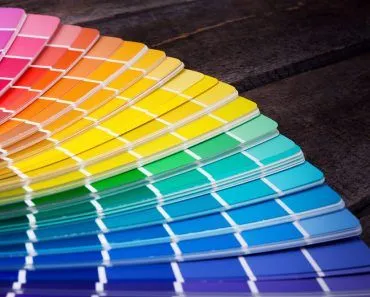
Hydrogen itself is colorless. As a fuel, though, it’s labeled by color based on how it’s made and how clean that method is: green (renewable electrolysis), blue (natural gas with carbon capture), gray (natural gas, no capture), brown or black (coal), pink (nuclear), turquoise (methane pyrolysis), and white or gold (naturally occurring underground).
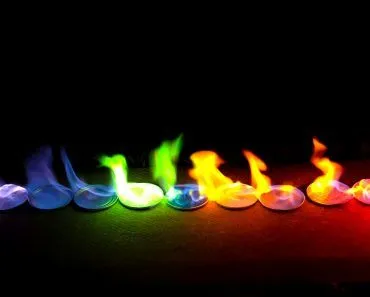
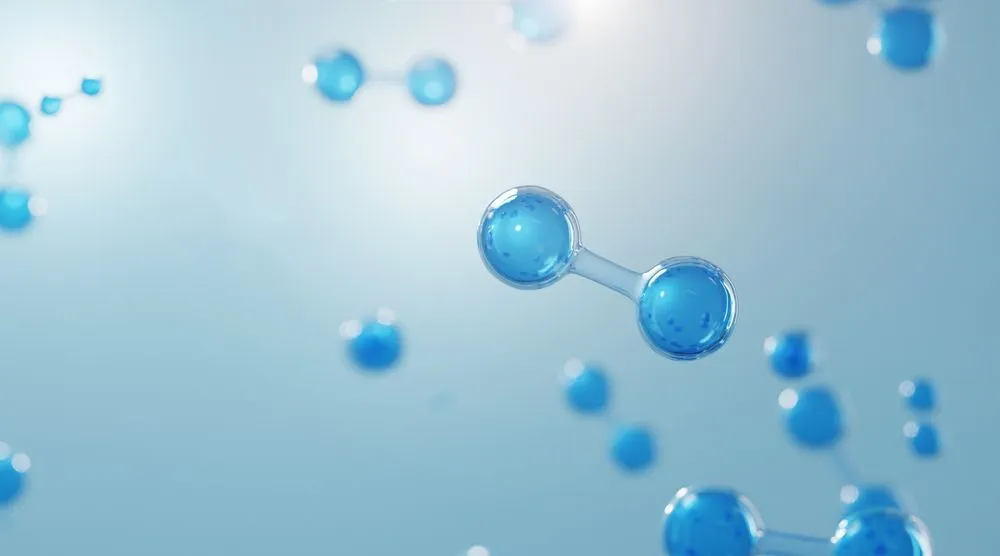
Yes, hydrogen is a colorless gas. We may use blue or green when visualizing hydrogen molecules, but that’s for the sake of aesthetics more than anything. It stays colorless even as a liquid: chilled below -253 °C (-423 °F), liquid hydrogen is a clear, water-like fluid, and the thick white cloud you see around it is just water vapor in the surrounding air freezing solid. Burning hydrogen barely changes things either, since it produces a pale blue flame that is almost invisible in daylight. (You only get the textbook red, green, and violet lines of the hydrogen spectrum, the Balmer series, when the gas glows inside a discharge tube.) None of these has anything to do with the color codes below.
So what’s all this talk about the different colors of hydrogen? Those codes are used when talking about hydrogen being used as a fuel source.
Hydrogen As Fuel
In a world plagued by greenhouse gas emissions and fuel shortages, hydrogen has long been hailed as a promising solution for the future. Hydrogen economies are seen as a way to combat the wide range of adverse impacts associated with traditional modes of fuel consumption.
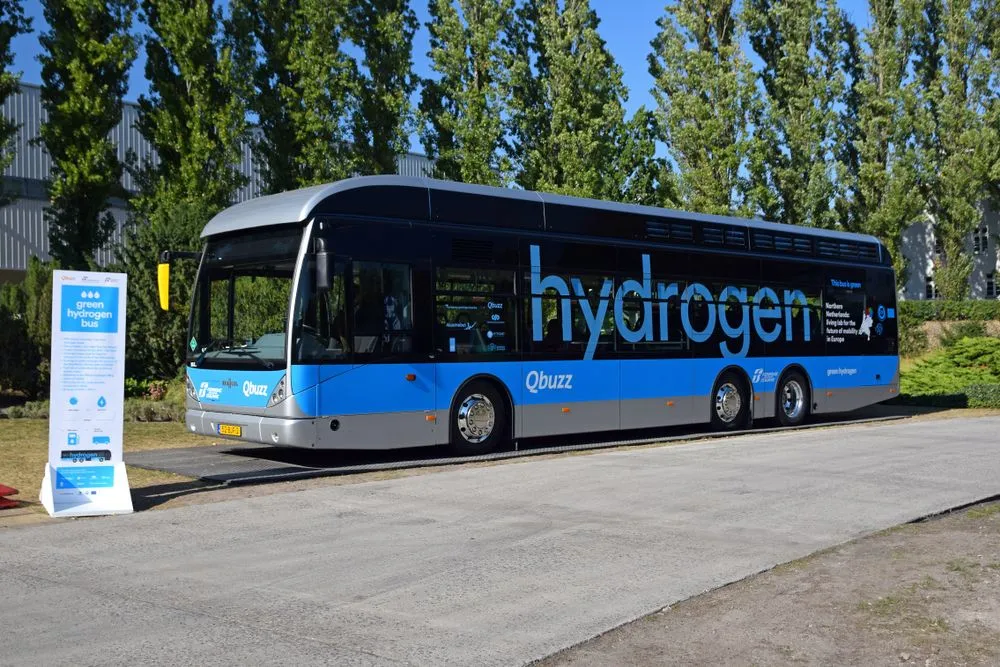
The “clean” label is why hydrogen seems so attractive when talking about decarbonizing our energy systems. Hydrogen does, in fact, deserve the hype. It gives off no emissions when used, but that is not necessarily the case when it’s produced.
To believe that hydrogen fuel is always one hundred percent eco-friendly would be a mistake.
Hydrogen is an energy carrier. It is not a source of fuel. Hydrogen fuel ultimately acts as a medium to store and deliver energy from other sources, and there are a variety of ways by which hydrogen fuel is produced. Different methods rely on different sources and have their own pros and cons. These primary sources affect the “clean-ness” of the end product.
Hence, not all hydrogen is equal. At the end-use point, hydrogen produces no emissions and is carbon neutral, but the same cannot be said for most of the methods used for producing hydrogen today. Only a small portion of the total hydrogen produced is truly clean.
Depending on how it is produced, the impact of hydrogen production varies from minimal/mild to a more significant cause for concern.
Different Colors Of Hydrogen
An important point to note here would be that the color codes of Hydrogen are not yet globally standardized. Different countries, organizations, and authors use different codes with a varying number of colors.
Green Hydrogen
Green hydrogen is hydrogen that is the cleanest of them all. This hydrogen is made primarily through electrolysis. Electricity is passed through water, causing it to split into hydrogen and oxygen. The process produces no harmful greenhouse gases.
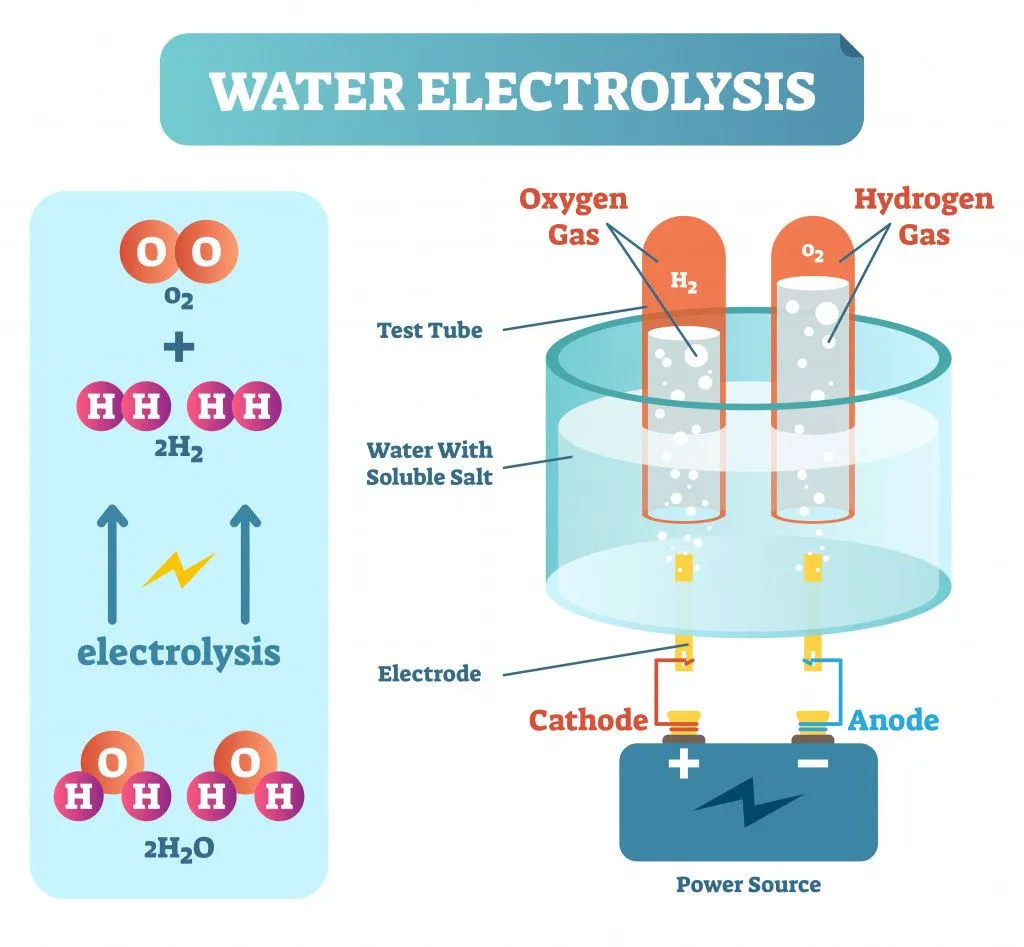
Moreover, what makes it truly clean is that the electricity used for electrolysis is produced through renewable means, like solar or wind. Clean electricity gives us truly clean hydrogen.
Blue Hydrogen
Blue hydrogen is produced from natural gas and other fossil fuel sources. Steam Methane Reforming (SMR) is used to extract hydrogen from those sources. A fossil fuel source containing methane reacts with steam to produce hydrogen and other byproducts.
What makes it better than other methods is that a process called Carbon Capture and Storage (CCS) is utilized here. Emissions are significantly reduced because of this. The hydrogen produced is low-carbon, but not carbon neutral by any means.
Gray Hydrogen
Gray hydrogen relies on fossil fuels too, but here the source is natural gas rather than renewable electricity. It uses the same SMR process as blue hydrogen, so methane reacts with steam and carbon dioxide is released as a byproduct. The key distinction is that no CCS methods are used. None of those emissions are captured, which is why gray hydrogen is so much dirtier than blue: producing a tonne of gray hydrogen pumps out roughly 9 to 12 tonnes (10 to 13 tons) of CO2, while blue hydrogen typically cuts that to about 1 to 4 tonnes, depending on the capture rate and how much methane leaks upstream.
Gray hydrogen is the cheapest and, by far, the most common type produced today. Around two-thirds of the world’s hydrogen still comes from natural gas this way. The trouble is that gray hydrogen, even though it behaves like every other color at the end-use point, is not much cleaner than simply burning the fossil fuels it came from.
Other Colors
According to some, electrolysis using electricity from nuclear power also counts as green hydrogen. Others put it in a separate category as pink hydrogen (sometimes called purple or red). Nuclear electricity produces no carbon dioxide, so the hydrogen is clean, just not renewable. Hydrogen made by electrolysis using ordinary grid electricity, a mix of sources, is often termed yellow hydrogen.
A split of blue hydrogen into turquoise hydrogen is also often made. The difference here is that methane is pyrolyzed instead of being reformed with steam. The byproduct released is solid carbon rather than carbon dioxide gas, which is easier to handle and store.
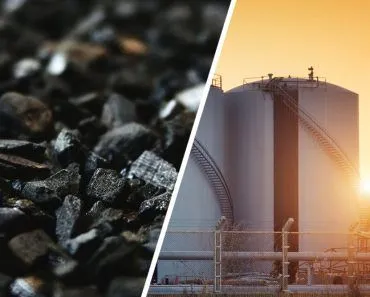
Brown and black hydrogen sit at the dirtiest end of the scale. These come from coal rather than natural gas: the coal is gasified, and neither the carbon dioxide nor the carbon monoxide is captured. Brown refers to hydrogen from brown coal (lignite), black to hydrogen from black (bituminous) coal. Around a fifth of the world’s hydrogen is still made this way, mostly in China.
Then there is white (or gold) hydrogen, which breaks the pattern entirely. Unlike every other color, it isn’t manufactured at all. It occurs naturally underground, formed over geological time by reactions between water and iron-rich rocks, and can in principle be drilled for like natural gas. Interest in it has exploded recently. In January 2025, the U.S. Geological Survey published the first continental-scale map of where geologic hydrogen might accumulate beneath the United States, and in 2026 researchers measured natural hydrogen seeping from ancient rock near Timmins, Ontario. If it can be tapped affordably, white hydrogen could be the rare color that is both clean and cheap.
Green Hydrogen For A Greener Future
It’s obviously in everyone’s best interest to produce carbon-neutral, green hydrogen as much as possible.

Unfortunately, the pesky details of economics stop that from happening right now. Electrolysis is still hard to make financially feasible at industrial scale. As of 2025, green hydrogen costs somewhere around $3 to $12 per kilogram, against just $1 to $3 for gray hydrogen straight from natural gas. That gap actually widened in the last couple of years, as cheap natural gas and pricier electrolyzers pulled in opposite directions. The International Energy Agency expects costs to fall and the gap to narrow toward 2030, but for now green hydrogen makes up less than 1 percent of global production.
Moreover, there is a great deal of ambiguity around how the cleanliness of hydrogen is actually measured. There is no single global standard for how the colors are defined, or what gets counted when a batch is assessed (upstream methane leaks, for instance, can quietly undo blue hydrogen’s advantage). The colors are useful shorthand, but they are blunt. The IEA has even argued we should drop the color labels altogether and grade hydrogen by the carbon emitted per kilogram instead. Until that kind of clear standard takes hold, science and policy still have a long way to go, and must work together, to make hydrogen fuel truly clean for a brighter future.
References (click to expand)
- Ajanovic, A., Sayer, M., & Haas, R. (2022, July). The economics and the environmental benignity of different colors of hydrogen. International Journal of Hydrogen Energy. Elsevier BV.
- Siegel, R. P. (2021, November 9). What Color Is Your Hydrogen?. Mechanical Engineering. ASME International.
- Hydrogen Fuel Basics | Department of Energy. The United States Department of Energy
- Hydrogen Production: Natural Gas Reforming | Department of Energy. The United States Department of Energy
- Global Hydrogen Review 2025. International Energy Agency (IEA).
- USGS releases first-ever map of potential for geologic hydrogen in U.S. (2025). U.S. Geological Survey.