If someone falls overboard, shout ‘Man overboard!’, keep your eyes on them at all times, and throw anything that floats to mark their spot. The ship then turns back using a man overboard rescue turn (often the Williamson turn). The victim should stay calm, conserve energy, and float. Speed matters: cold shock and exhaustion are bigger killers than hypothermia.
Falling overboard from a ship in the open sea is one of the worst things that could happen to someone traveling onboard. Why, you ask? Well, mainly because there are a number of dangers involved and the odds of rescue are severely stacked against the victim.
It sounds pessimistic, but it’s true.
The Dangers Of Falling Overboard
The Fall
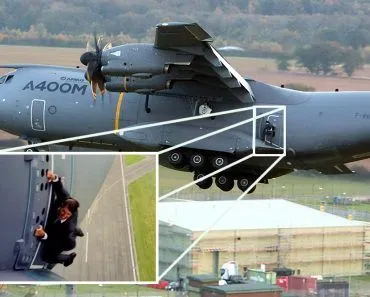
To start with, there’s the fall itself. Large vessels, such as cruise and naval ships, have their decks situated high above the water’s surface. This means that if someone falls from the deck, they could fall from a height of at least a few dozen meters, if not more.
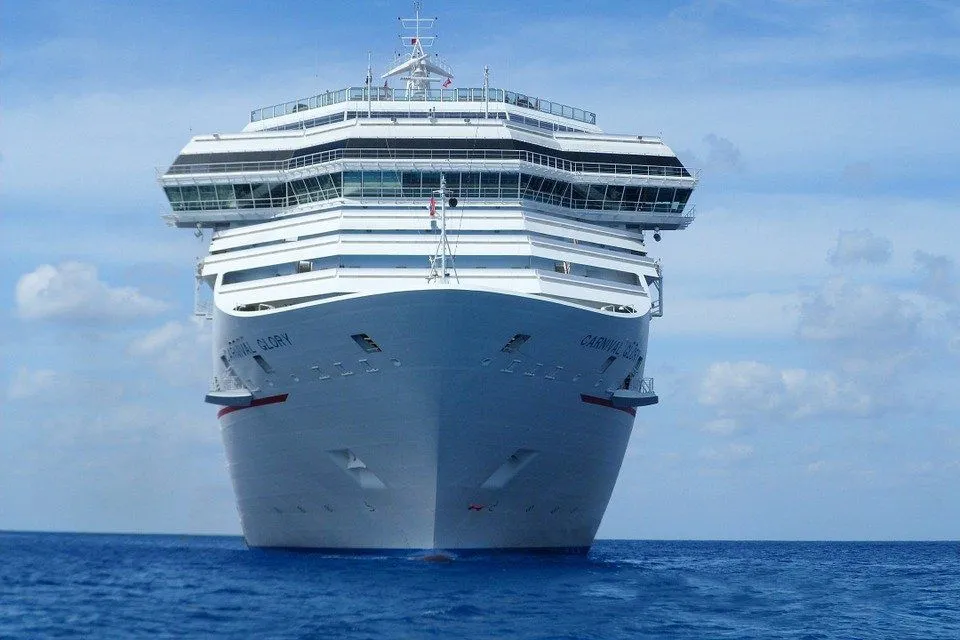
The risk of bodily harm when falling into water depends on how you fall, that is, the posture of your body as you fall. Unless you’re intentionally jumping overboard (which you shouldn’t!), you’ll likely be in a poor position when you hit the water, which could result in serious injury.
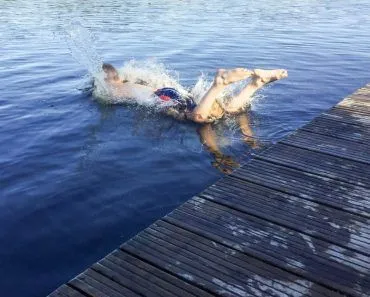
To be more specific, water is an incompressible liquid, which means that falling into water from a significant height is not much different from falling onto solid ground. That’s why people, such as divers, who purposefully jump into the water do so from as low of a height as possible and in a pencil-like posture to efficiently break the surface without injuring themselves.
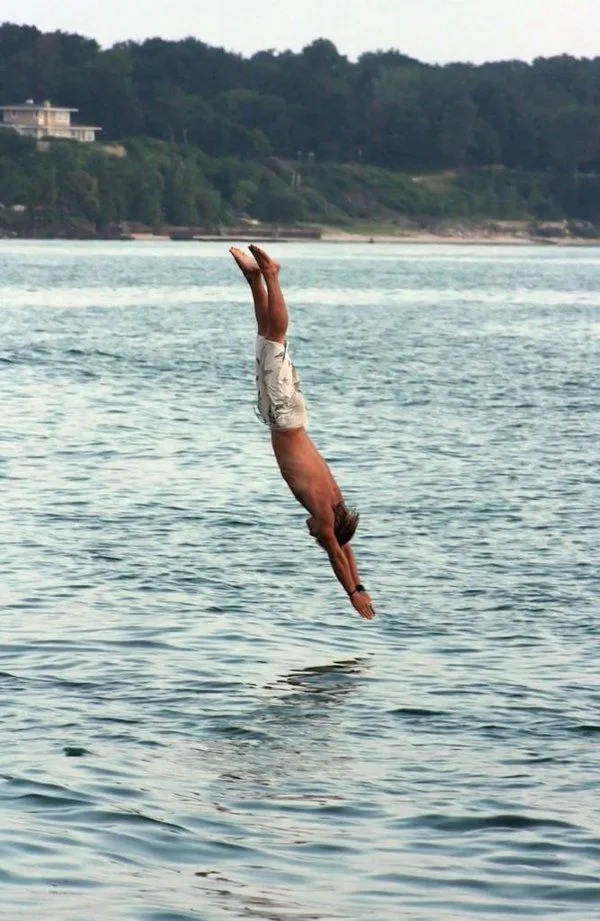
Someone who falls into the water from a great height by accident will likely sustain not-so-minor injuries, such as broken bones or fractures.
Cold Shock Response
If a person falls overboard into chilly water, their body instinctively expels all the air inside them and they involuntarily try to inhale as much air as possible. This reflex action could lead to the victim unconsciously swallowing the frigid saltwater that surrounds them, which could worsen the situation, particularly if the victim is submerged.
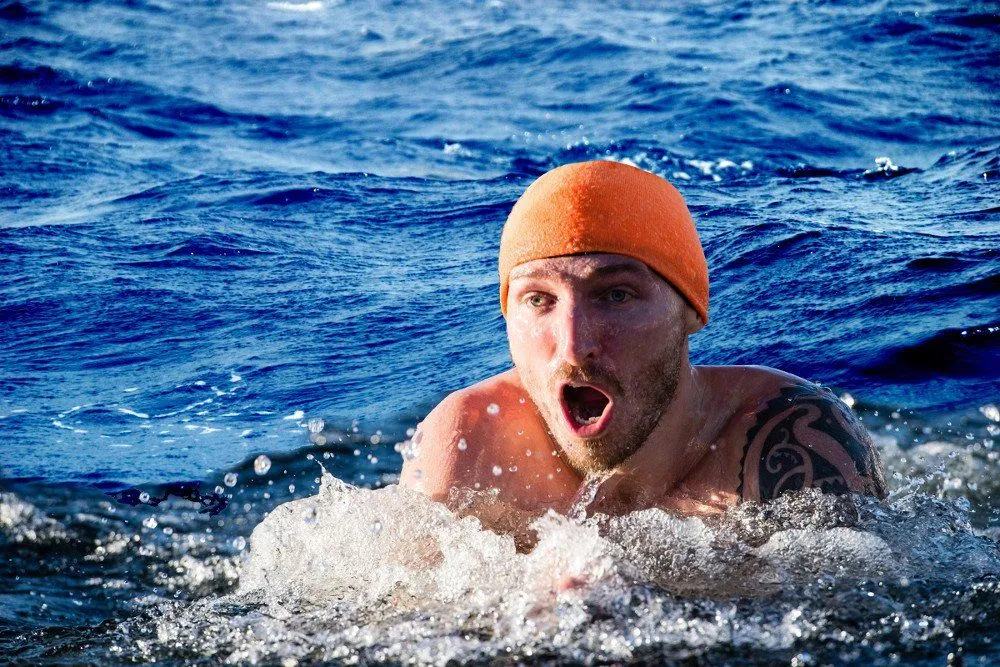
In fact, cold shock response is probably the most common cause of death from sudden immersion in very cold water (Source).
Risk Of Being Too Close To The Ship
If you fall too close to a ship, one of the dangers is being thrown around by the strong currents. While you won’t be sucked under or shredded by the propellers of a big ship, you might be thrown away by the turbulent water around the ship’s hull, making it harder for someone onboard to locate you.
Hypothermia
Your chances of survival and how long you can survive depend on the water temperature you fall into. Caribbean waters are usually warm enough to keep you alive for a while, but falling into the near-freezing waters of the Arctic Ocean is far more dangerous. Strictly speaking, hypothermia is a slower killer than people assume: in water near 0 °C (32 °F), it typically takes around 15 to 30 minutes before cold sapping your muscles leaves you unable to keep your head above water, and true hypothermic death usually takes longer still. The reason people die so quickly in icy water is mostly the cold shock response (gasping and drowning) and the loss of swimming ability, both of which strike long before your core temperature has dropped dangerously low.
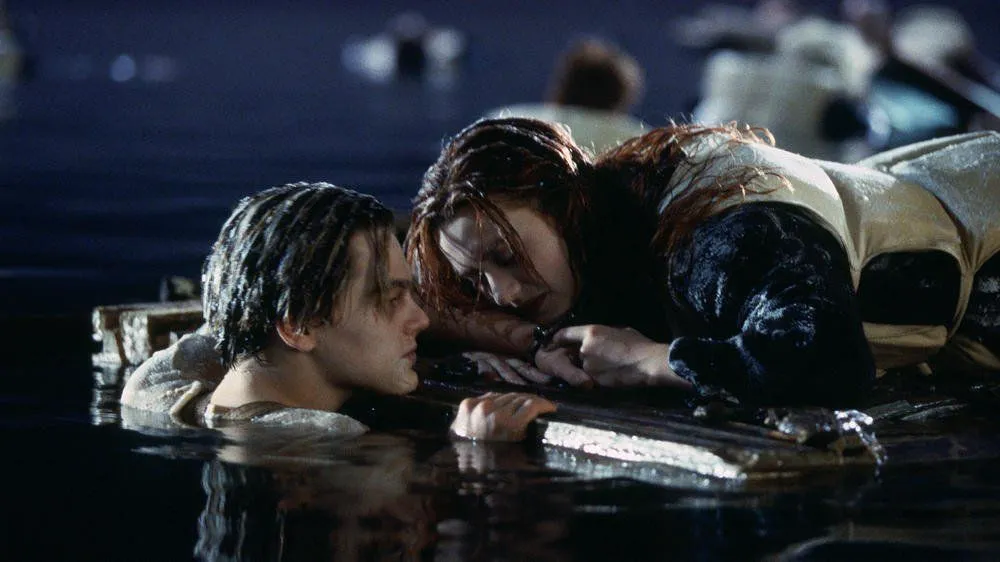
Even if the water temperature is relatively higher, you can’t stay afloat in the water forever because the water is still colder than your body’s core temperature. Your body will lose heat to the surrounding water, which is warmer than your body, causing you to lose body heat.
Aquatic Creatures
This factor is totally dependent on the fauna biodiversity of the water. The profile of marine creatures in the Arctic, where the water is extremely cold, is quite different from the marine beasts found in the Caribbean.
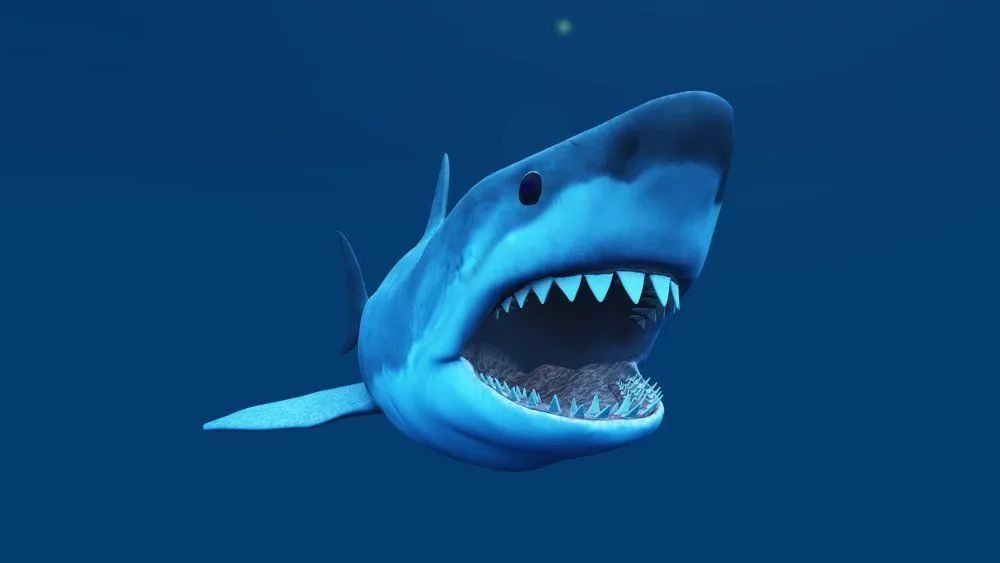
Although sharks, one of the scariest aquatic creatures known to attack humans, are found in all major oceans of the world, they usually live in regions where the water isn’t too cold. They are also pretty good at locating their prey (through electroreception) and will attack if they sense even small traces of blood in the environment.
The good thing, though, is that most shark species (and even other aquatic species) are not aggressive toward humans and don’t usually attack without provocation. After all, feeding is not the reason sharks typically attack humans.
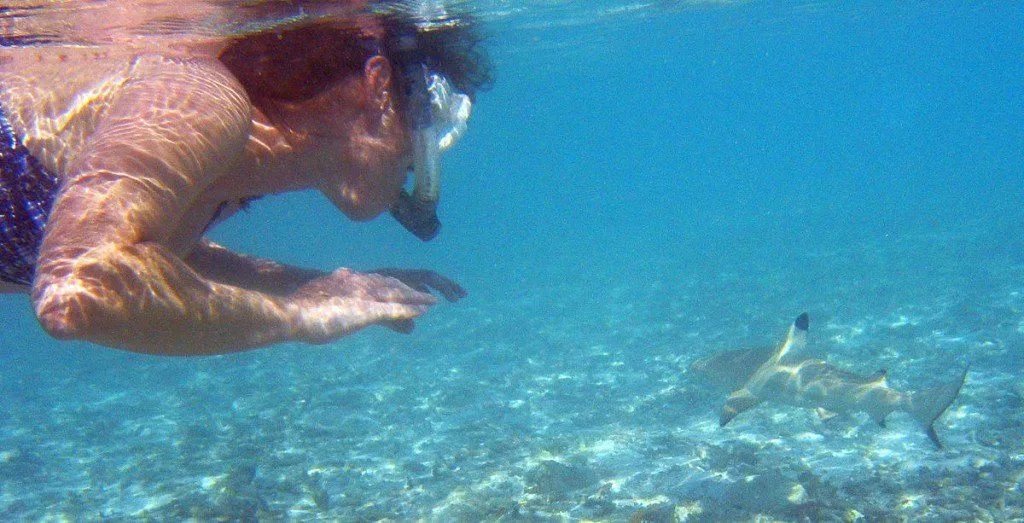
What Is Most Likely To Cause Someone To Fall Overboard?
On a towering cruise ship, going overboard usually takes a genuine accident or a deliberate act. On a small recreational boat, it is far easier, and far more common than most people realize. In the U.S. Coast Guard’s 2024 recreational boating report, a person falling overboard was one of the five most frequent types of boating accident, and it was comfortably the deadliest of them, linked to 138 deaths in a single year.

The single thing most likely to put someone in the water is simply moving around while the boat is underway. A small hull reacts to every wave, wake and sharp turn, so standing up, leaning over the side to grab something, or shifting your weight at the wrong moment can throw you off balance in an instant. Slippery decks, overloading the boat or crowding everyone onto one side, and rough weather all stack the odds further against you.
Then there is alcohol. The Coast Guard lists alcohol use as the leading known contributing factor in fatal boating accidents, tied to roughly one in five deaths where a cause was identified. Drinking dulls your balance and slows your reactions at exactly the moment you need both.
What turns these falls fatal is rarely the fall itself. Where the cause of death was known, about 76% of people who died in boating accidents drowned, and roughly 87% of those who drowned were not wearing a life jacket. So the most effective way to cut the risk is also the simplest: wear a life jacket, keep three points of contact whenever you move, stay seated and low in a small boat, spread the load evenly, ease off the throttle in choppy water, and save the drinks for dry land.
What Should You Do If Someone Falls Overboard?
If someone falls overboard on a ship, their survival depends on how quickly they are noticed. Ideally, someone on the ship sees the person fall and immediately sounds the Man Overboard! Alarm. They should then keep an eye on the person in the water to track their movements.
It’s crucial to keep track of the person’s exact location, as the water surface in open seas is often choppy, and the person may be hard to spot, especially at night.
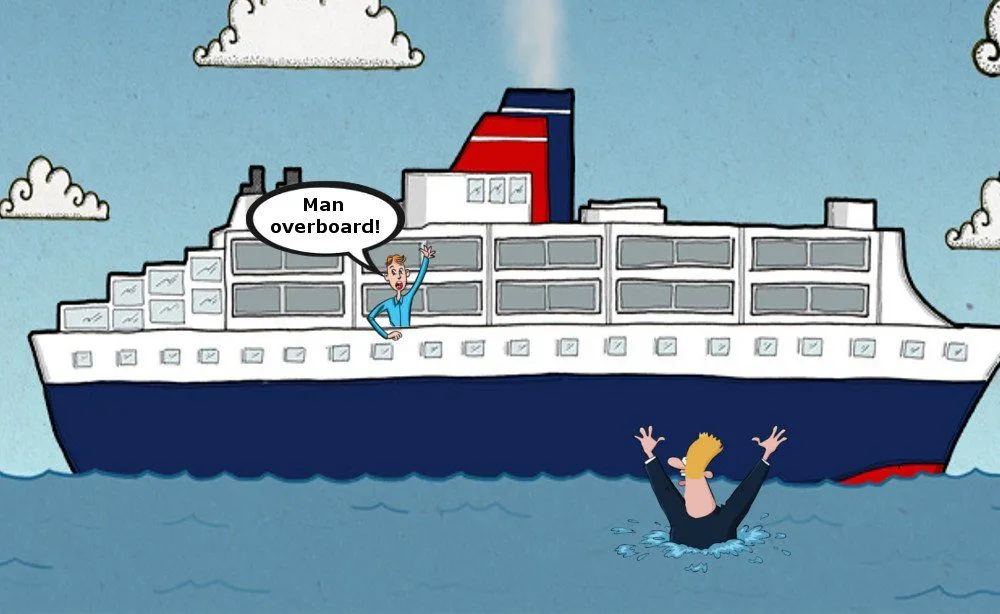
When the person is found, people on the ship should throw anything that floats near them, such as a life ring, to help them stay afloat until they’re rescued. This also helps to mark their location for the rescue team.

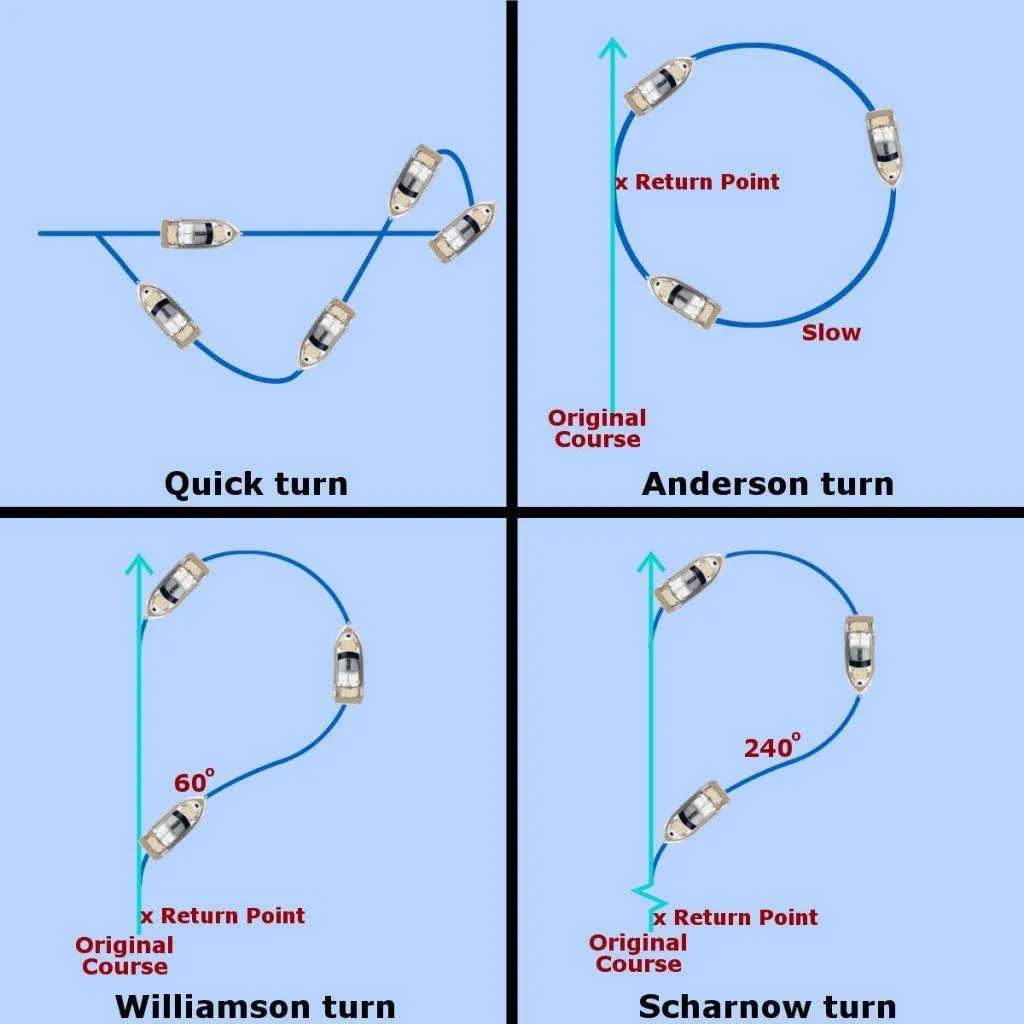
After the alarm is raised, the ship should immediately perform a ‘man overboard rescue turn’ to head back and retrieve the fallen passenger. There are several standard versions of this maneuver. The best known is the Williamson turn, named after John Williamson, a US Navy reserve officer who used it to recover a man overboard in 1943. It swings the rudder hard over, then back the other way, bringing the ship around onto a nearly reciprocal course so it retraces its own track right back to the person. The Williamson turn is favored in poor visibility or at night because it reliably returns the ship to its original path. Faster alternatives, such as the Anderson (single) turn and the Scharnow turn, are used when the crew has the victim in clear sight.
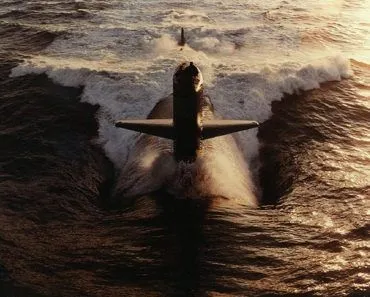
Large ships, such as aircraft carriers, cannot instantly maneuver a U-turn and fish out the floating victim. Therefore, instead of turning around a gigantic metallic object, a smaller manned boat (known as the MOB boat) can be launched to rescue the victim.
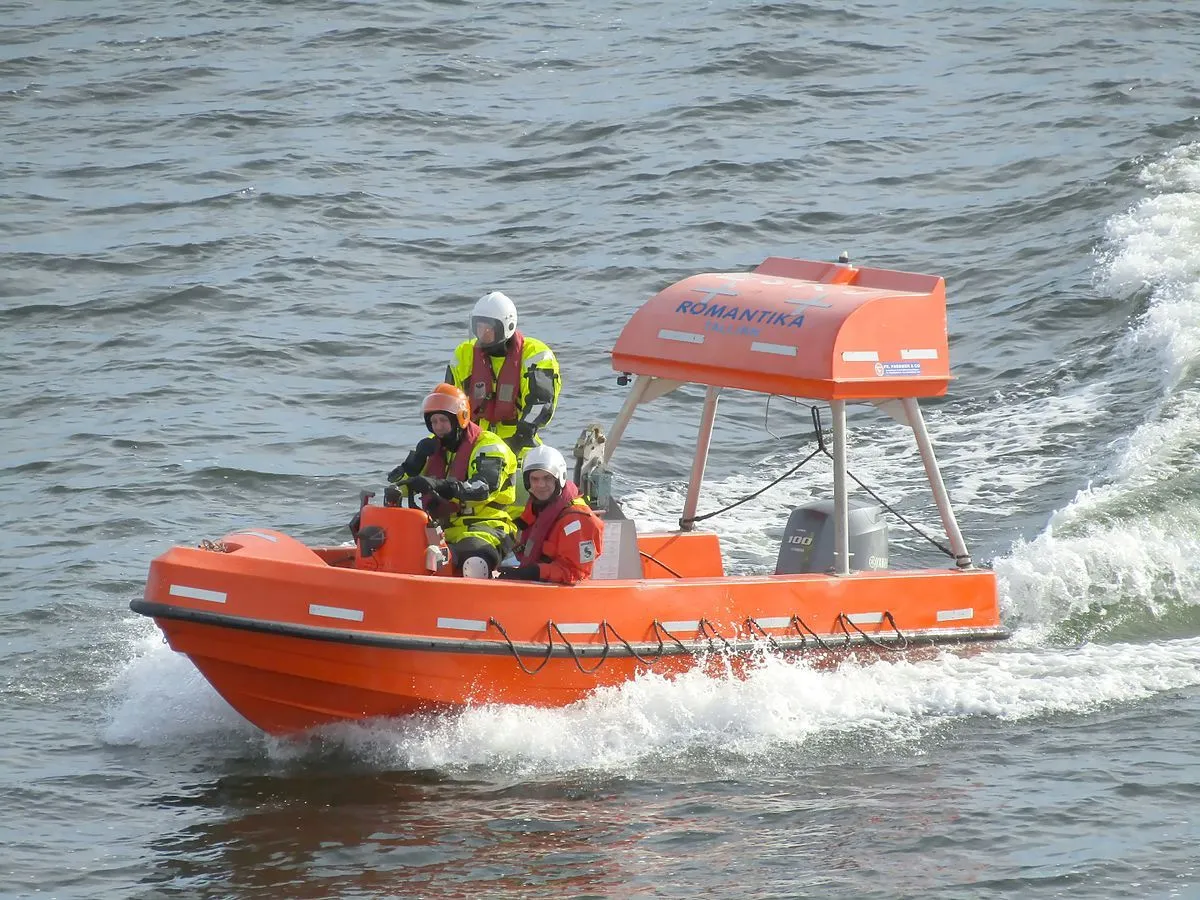
So what do modern cruise ships actually do? The hardest part has always been simply noticing that someone has gone in, especially at night when no witness is around. To solve this, cruise lines have started fitting automatic man overboard (MOB) detection systems that watch the hull with thermal cameras, daylight cameras, and micro-radar, then use AI to tell a falling person apart from a bird or a splash and instantly flag the location to the bridge. Systems like Zelim’s ZOE (the first AI-based MOB detector installed on a cruise ship, fitted to Ambition in 2023) and MARSS’s MOBtronic are built to this purpose, and an international standard, ISO 21195, now defines how such systems should perform. In trials these systems have cut detection time from several minutes down to seconds, which, given everything above, can be the difference between a rescue and a tragedy.
What Should You Do While Pulling Someone Back Into A Boat?
Everything above deals with big ships, where a rescue means rudder turns, MOB boats and thermal cameras. On a small recreational boat, you are usually the entire rescue crew, and the sequence taught by official boating-safety courses is refreshingly simple. First, slow the boat and shout ‘Man overboard!’ so everyone aboard knows. Throw the person something that floats, ideally a throwable flotation device, unless you know they are already wearing a life jacket (Source).

Next, turn the boat around and come alongside them slowly, approaching from downwind or into the current, whichever is stronger, so the boat drifts toward the person rather than over them. Then comes the step people most often forget: stop the engine before you reach in to pull them aboard. A spinning propeller next to someone in the water is one of the most dangerous things on a boat. In 2024 alone, the Coast Guard recorded 169 incidents in which a person was struck by a propeller, causing 30 deaths and 158 injuries.
With the engine off, help the person back in over the stern rather than the side. Keep the load balanced while you do it, because hauling someone over one side of a small boat can tip everyone else in too. If the boat’s sides are too high to lift them straight up, use a boarding ladder, and watch them for the cold-water effects described above as soon as they are back aboard.
What Can The Victim Do?
The best and probably the only thing you can do to avoid falling overboard is to stay away from the edges and railings on the upper decks of a ship, particularly when no one’s around. Because once you land in the water, you can’t do much apart from waving your arms and calling for help.
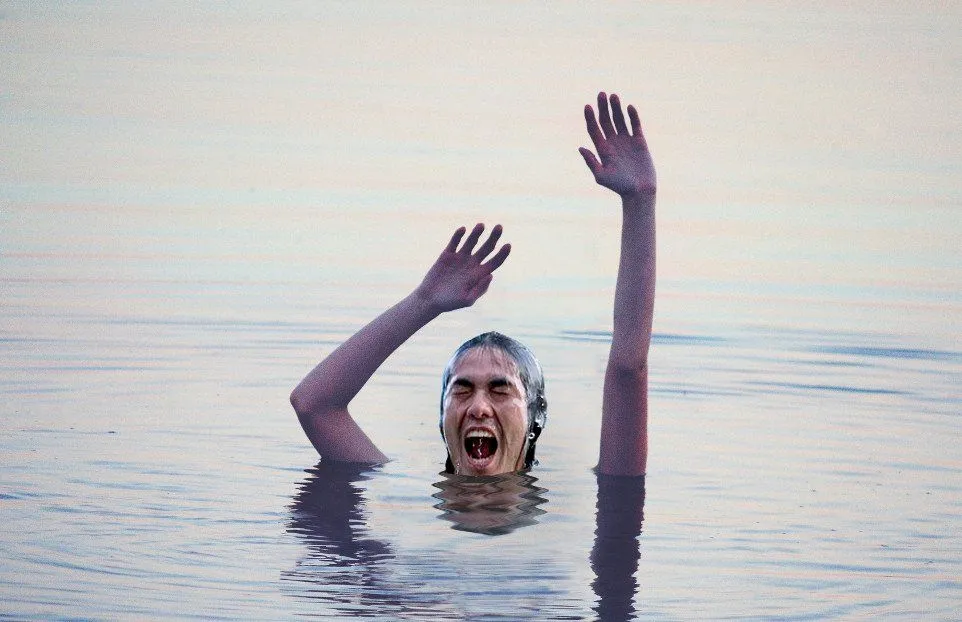
What you can do is stay calm and relaxed, which can make all the difference between life and death in such situations.
Most importantly, try and stay positive. Be hopeful. Remember that people have fallen overboard in the past and have been rescued successfully.
In fact, there are quite a few survival stories of people who have fallen overboard on a ship. Of those I know about, my personal favorite is Brett Archibald, who fell off a surf charter boat in the Indian Ocean in 2013 and stayed afloat for more than 28 hours straight, surviving dehydration, sharks, jellyfish, and vivid hallucinations before a search boat finally spotted him!
Last Updated By: Ashish Tiwari
References (click to expand)
- Human Physiological Responses to Cold Exposure.
- Domeh, V., Obeng, F., Khan, F., Bose, N., & Sanli, E. (2021, June). Risk analysis of man overboard scenario in a small fishing vessel. Ocean Engineering. Elsevier BV.
- Man Overboard detecting systems based on wireless ....
- Mou, J., Hu, T., Chen, P., & Chen, L. (2021, September). Cooperative MASS path planning for marine man overboard search. Ocean Engineering. Elsevier BV.
- Water Compressibility | U.S. Geological Survey.
- Cold Water Survival & Hypothermia. United States Coast Guard.
- Man overboard rescue turn (Williamson, Anderson and Scharnow turns).
- Recreational Boating Statistics 2024 (COMDTPUB P16754.38). United States Coast Guard.
- If a Passenger Falls Overboard. Boat-ed (Kalkomey Enterprises).