Table of Contents (click to expand)
Varnishing means spreading a thin, clear coat of resin over a finished painting. A fresh varnish is colorless, but it makes colors look deeper and more saturated because it fills the paint's microscopic roughness, so light scatters less off the surface and reflects back through the pigment. It also protects the painting from dirt, dust and grime.
Think back to the last time you were walking through an art museum, specifically an exhibit that featured the old masters, or paintings from antiquity. Many of them were likely dulled by time, and their colors were darkened, making it difficult to make out the minute details.
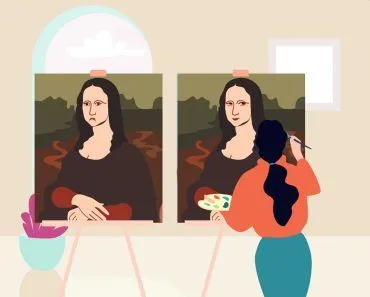
However, a few of the paintings in the gallery likely popped in your vision, with more vibrant colors and defined features, as though they had been painted far more recently. Yet, when you looked at the placard beside the painting, it would likely be just as old as the dark, seemingly ancient paintings around it.
What you were noticing was that some paintings were freshly varnished, while others were not. If you have ever seen a 400-year-old Caravaggio painting that seemed to leap off the canvas, then you understand one of the primary benefits of varnishing, a practice that dates back, in some form, thousands of years.
What Is Varnishing?
Before you can understand the benefits of varnishing in terms of fine art, you must begin by having a clear vision of varnish itself. Over time, many different substances have been used as varnish, but generally speaking, varnish is derived from natural or synthetic resins that dry clear and evenly when spread thinly over paint. There is a wide variety of varnish options on the market, including those that will provide a matte or gloss finish.
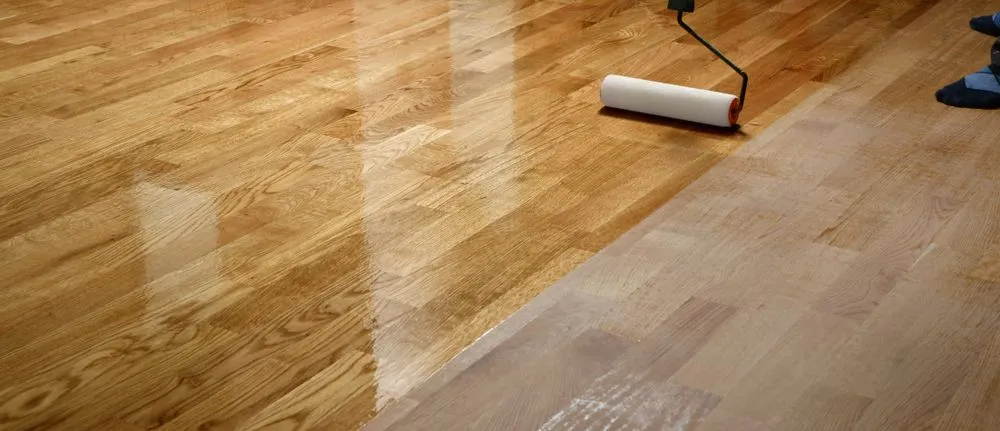
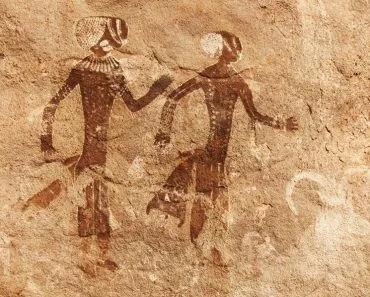
The earliest evidence of a “varnish” being applied to fine art is in ancient wall paintings of Greece and Rome, in which wax has been discovered on some of the larger wall frescos. While this was a rudimentary approach to protecting the art, it accomplished the basic goal of any varnish: establishing a protective layer between the art and the external environment.
Centuries later, as the Renaissance flourished and the popularity/patronage of fine art soared, the desire to preserve and protect paintings became prevalent. Painters of the time used a range of substances, including egg whites, insect secretions (the resin we know as shellac) and tree resins such as dammar and mastic to spread over the top of their finished paintings. Depending on the substance that was used, the final effect could be quite dramatically different, and the same remains true today based on the type of varnish an artist chooses.
The Renaissance artists employing such techniques may not have understood the long-term benefits of applying such varnish to their work, but they probably saw the immediate benefits, namely a more vibrant work of art!
While varnish was made from organic sources for centuries, synthetic varnishes are now widely available, though they don’t necessarily have the same qualities as their natural cousins. Artists choose their varnish very carefully, depending on the expected longevity and placement of the work, the type of paint they’re using, and even the style of painting they employ. Some artists refuse to varnish their work altogether, leaving their work exposed to the elements, or framing them behind glass instead!

Benefits Of Varnishing
While not every artist chooses to use varnish, the benefits are undeniable, in most cases. The two primary benefits, as mentioned at the top of this article, include protecting the painting from the outside elements and improving the visual aesthetic of the painting itself.
Protection
Applying a thin layer of varnish to the top of a painting means that you are essentially coating the oil or acrylic in a harmless resin that will block any dirt, dust, grime or smoke from landing on and embedding in the paint surface. Removing this dirt years or centuries later would damage the painting itself.
However, a varnish can be carefully removed (we highly recommend that only trained art restorers do this), thus removing the layer of dirt and dust along with it. A few decades or centuries later, a new varnish can then be applied over the original exposed paint surface, which has been restored to its bright and vibrant former glory.
Dirt has a way of nestling into the cracks and small pores of paintings, changing their appearance forever, but varnish is extremely thin and clear, preventing the most minute details of a painting from being obscured by time.
Aesthetic Quality
Obviously, when a layer of varnish (and dirt) is removed from a painting, it improves the brightness and clarity of the painting, which is a long-term aesthetic benefit of this practice, but in the short term, varnishing also makes a painting pop. Here's why. As paint dries, its surface ends up faintly rough on a microscopic scale, and those tiny peaks and valleys scatter light in every direction (what scientists call diffuse reflection). That scattered light is the milky, slightly "chalky" haze that makes an unvarnished painting look dull. A liquid varnish flows into those micro-valleys and dries into a smooth, level film. With the surface evened out, far less light is scattered straight back at you, so more of it sinks into the paint and bounces back out colored by the pigment. The result is deeper, more saturated color. The fact that varnish bends light more strongly than air (a higher refractive index) helps too, but conservation studies find the smoothing of the surface is by far the bigger effect.
Furthermore, a varnish can even out the surface of the painting, providing a unified matte or glossy appearance, depending on each artist’s preference. Gloss varnish is known to increase the sense of depth in a painting, and also saturates dry paint areas.
A matte varnish can be very striking, but it also lightens some of the darkest areas of a painting, because a deliberately textured matte film scatters a little light back in the way we just described. Glossy surfaces have to deal with glare and reflection, depending on how the work is lit and hung, whereas matte varnishes don't face the same challenge.
Clearly, there are pros and cons to every type of varnish, but the ability to enhance the aesthetic quality and counteract some of the natural aspects of oil and acrylic paint (i.e., fading over time as it fully dries) is a huge reason why artists embrace this practice.
Downsides Of Varnishing
Despite all these positive aspects of varnishing, it is not appropriate on certain types of painting. Gouache, watercolor and hand-drawn work should not be varnished, as these mediums do not provide enough of a layer between the canvas/paper and the varnish.
Essentially, the varnish will soak into the canvas and mix with the paint or watercolor itself, making it impossible to remove without damaging the painted surface. Oil and acrylic are traditionally safe for varnishing because they effectively block the canvas or paper, so the varnish merely sits on top like a protective layer, not an integrated element of the paint itself.
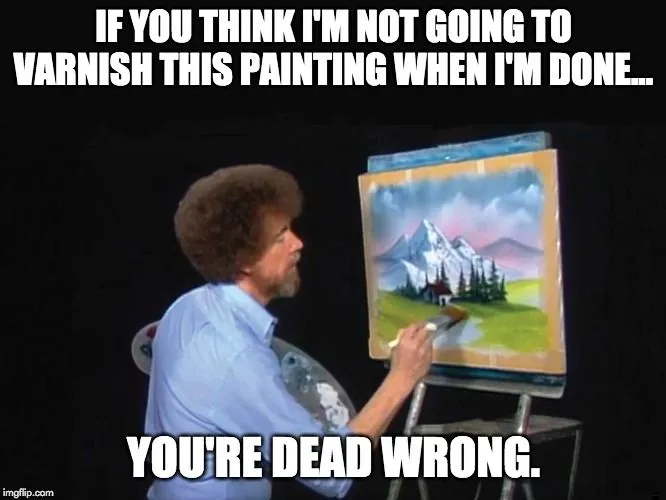
Even some acrylic painters have their complaints about varnish. Some acrylic paints are soluble in the same solvents used to remove the varnish, so using too much of this solvent can begin to damage the work below. A trained restorer knows what types of varnish removers are safest, and also understands the delicacy of this process, but amateurs shouldn’t try this at home!
Also, the varnish itself will begin to darken over time, and not only because of dirt and dust. The natural resins, such as dammar and mastic, slowly oxidize and turn yellow on their own, sometimes noticeably within a few years. Modern synthetic varnishes (acrylic resins, or low molecular weight resins like Regalrez) yellow far more slowly, which is why conservators often favor them. Even so, many artists still reach for natural resins because they lend a painting a softer, warmer glow that the synthetics don't quite reproduce.
A Final Word
There are plenty of options out there for artists who want to varnish their paintings and help them stand the test of time. The varnish you choose depends on the visual effect you want to create, so try a number of them until you find what suits your style best. Remember, in a few centuries, when an art restorer is bringing one of your paintings back to colorful life, you’ll be happy you took the extra step and put a varnish on your work!
References (click to expand)
- Painting Varnishes. Museum Conservation Institute, Smithsonian Institution.
- De la Rie, E. R. (1989, November 1). Old master paintings: a study of the varnish problem. Analytical Chemistry. American Chemical Society (ACS).
- Kurz, O. (1962). Varnishes, Tinted Varnishes, and Patina. The Burlington Magazine.
- de la Rie, E. R. (1987, February). The influence of varnishes on the appearance of paintings. Studies in Conservation. Informa UK Limited.