Table of Contents (click to expand)
Men wore heels for centuries, first as Persian riding gear and later as a badge of aristocratic status. They gave them up during the 18th-century Enlightenment, when the “Great Male Renunciation” pushed men toward plain, practical dress and heels became tied to impracticality, femininity and female sexuality. By around 1740, men had stopped wearing them.
What? Men wearing heels? Have we entered some sort of Twilight Zone episode? No, actually, we titled this article correctly.
Men did wear heels in the past, long before women started wearing them. Unlike how heels are used today, they were used in the past for actual purposes, not just ‘high’ fashion (pun intended). Ranging from helping riders rise above the mud and increasing a short king’s height to being a measure of equality among sexes and demarcating different social classes, heels have served a myriad of purposes.
Ancient History Of Heels
The origin of heels can mainly be traced back to Egypt and the Near East. European countries are believed to have adopted the style much later, by way of regions like Turkey and Persia (modern-day Iran). In ancient Egypt, for example, footwear was largely a marker of class. The poor would usually walk barefoot, while the rich wore shoes as a symbol of belonging to the higher class.
Heels, in particular, were typically used for ceremonial purposes by the aristocracy. Shoes that looked similar, although not identical to heels, can be traced back to 3500 BC in Egypt. Besides being a symbol to denote class, heels were also used by Egyptian butchers to keep their feet away from the blood when they slaughtered animals.
In Asia, the first wearers of “high” heels were believed to be Persian warriors. The footwear was specially designed to assist during horse riding, as the heels prevented their feet from slipping from the stirrups. It also helped riders while shooting arrows by improving their posture and keeping their legs steady when standing up in the stirrups.

Post-Medieval Times
Europe adopted heels from the Persian tradition. European aristocrats began wearing heels when Persian diplomats visited Europe in 1599 to help gain allies in their fight against the Ottoman Empire. During this time period, Europe was heavily influenced by Persian culture.
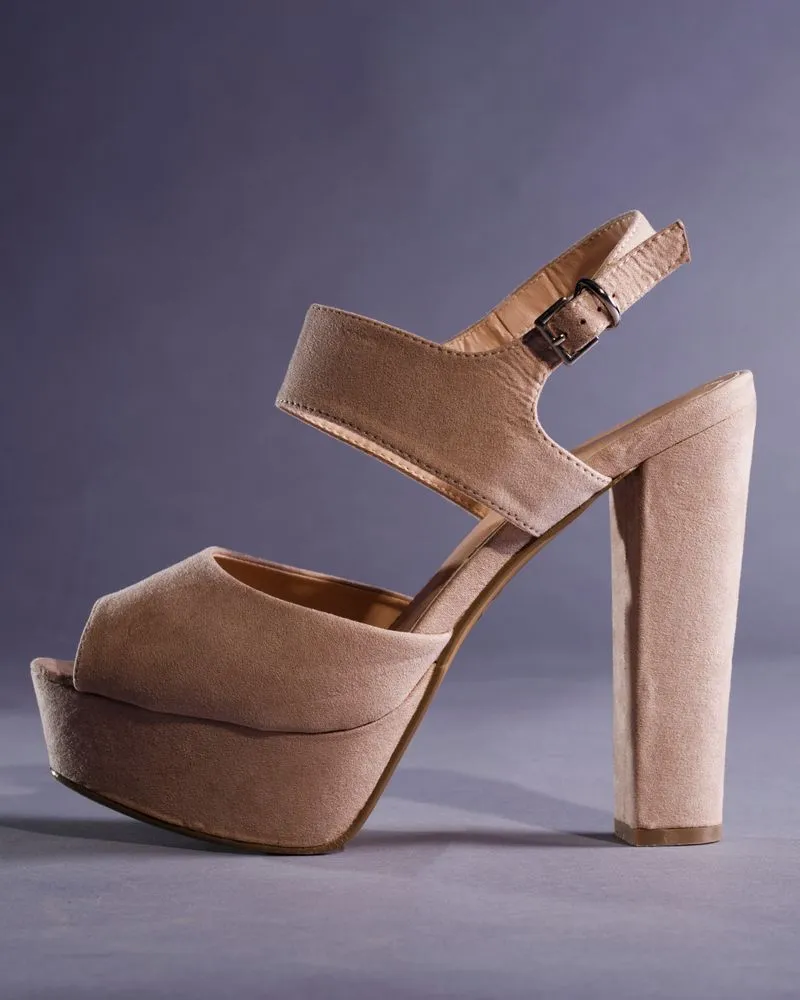
Women started wearing high heels from this time period, as well, partly to adopt masculine dress as a claim to equality and partly to add to their height. Catherine de Medici is often credited as one of the first women on record to wear heels, in the 16th century. She wanted to look taller at her 1533 wedding, as she stood only about 150 centimeters (4 feet 11 inches) tall. The trend was quickly picked up by other women, who took to towering platform shoes called chopines, some reaching heights of 50 centimeters (around 20 inches).
However, at such ridiculous heights, women would fall often, and the unstable footwear was even blamed for causing miscarriages. To make things biomechanically more sound, the front of the platforms was carved away while the height was kept at the back, evolving toward the true heel. Heels also helped women keep their skirts out of the muck, since paved, concrete streets had not yet arrived.
Heels, Ego And Status
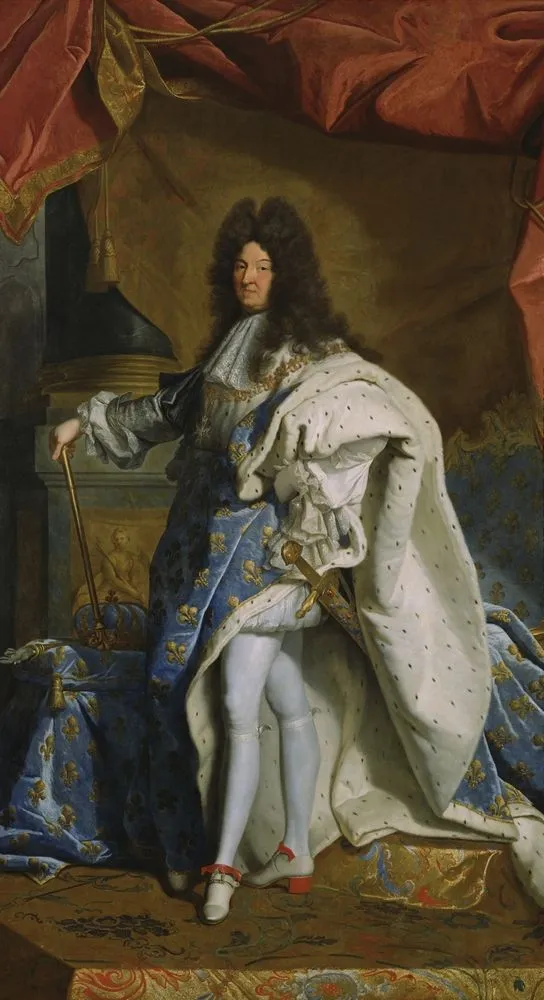
King Louis XIV of France stood only 5 feet 4 inches (about 163 centimeters) tall. It was not ideal for a king’s ego to be shorter than his courtiers, so King Louis took to heels to supplement his modest stature. He wore red heels about 4 inches (10 centimeters) high, lavishly decorated with battle scenes. Following in King Louis’ footsteps, King Charles II of England wore red heels in his coronation portrait. Louis wanted to keep the look for himself, and an edict reserved red heels for the king and the nobles of his court. Wearing them without that privilege actually became a punishable offense!
Status and impracticality go hand in hand. The rich have always used the most frivolous items as symbols of luxury. Heels were useless for the lower classes working in the fields and walking long distances, so it was adopted by higher class to set themselves apart.
Heels, Women And Equality
Over time, women slowly began demanding equal status as men. Wearing heels, hats, cutting their hair short and smoking cigars were all measures to show men that they were equal. Heels slowly developed an association with feminine sexuality, as it emphasized women’s curves and elongated their legs. Heels eventually found their way into the pornography industry as well, with women photographed wearing nothing but stilettos (a heel with a sharply pointed, slender base). In the centuries that followed, heels became firmly established as women’s footwear, and they remain a staple of many a wardrobe today.
Why Did Men Renounce Heels?
The Age of Enlightenment (an intellectual movement) changed the male outlook towards fashion and heels. This era emphasized practicality and rationality over luxury and fashion. There was a sudden shift in men’s clothing. Their apparel was now more about matching their profession, rather than a pompous show of wealth. Men started abandoning jewelry, bright colors and heels, moving instead towards more sober clothing. This shift was later named the Great Male Renunciation, a term coined by psychologist J.C. Flügel in 1930.
Thus, we can now see a marked difference between men’s and women’s fashion. The Great Male Renunciation clearly distinguished men and women in appearance. By around 1740, men had largely stopped wearing heels altogether. There were strict gender roles and heels were looked upon as foolish and effeminate. Males were stereotyped as practical and rational, whereas women were seen as sentimental, making them better suited for heels than men.